Canelés de Bordeaux
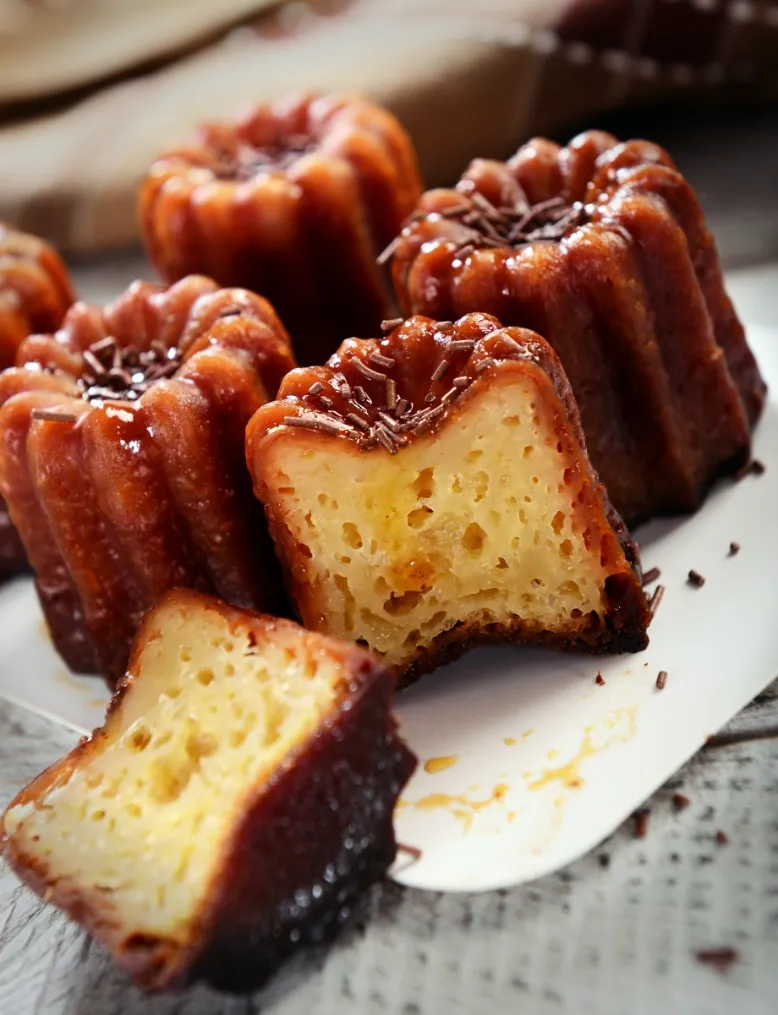
Crispy, deeply caramelized crust that is crispy when you bite into it, giving way to a soft, custardy interior that's barely set, almost like a cross between flan and cake. The outside tastes of burnt sugar and rum, dark and complex, whilst the inside is sweet, vanilla-scented, and impossibly tender. They're odd little fluted towers that require more patience than most bakers are willing to give, but when you get them right, they're absolutely brilliant.
Ingredients
- 500 ml whole milk
- 50 gr unsalted butter plus extra for greasing
- 1 vanilla pod
- 250 gr caster sugar
- 125 gr plain flour
- 4 eggs 2 whole + 2 egg yolks
- 2 tbsp dark rum amber rum is traditional
Equipment
- canelé moulds copper or silicon
Instructions
1. Infuse the milk
- Split the vanilla pod lengthways and scrape out the seeds with a knife. Put both the pod and seeds into a saucepan with the milk. Heat until just boiling, then remove from the heat immediately and let it sit for 30 minutes to infuse. The vanilla flavour develops during this time, don't skip it.
2. Mix the batter
- Whilst the milk's infusing, put the flour and sugar in a large bowl and mix them together. Add the whole eggs, egg yolks, and rum, then stir until combined. The mixture will be thick and paste-like at this stage, don't worry, the milk will loosen it up later.After the 30-minute infusion, fish the vanilla pod out of the milk with a sieve or spoon. Melt 50g butter in a small pan, then add it to the still-warm vanilla milk and stir it in.Now pour the milk and butter mixture into the bowl with your flour, egg, and rum paste. Whisk everything together until you have a smooth batter with no lumps. It'll be quite liquid, thinner than you'd expect for a cake batter, more like thin custard. That's exactly right.Cover the bowl with cling film and refrigerate overnight. Minimum 12 hours, but 24 is better. This rest is essential for the texture, so don't try to skip it.
3. Prepare the moulds
- Butter the inside of each mould thoroughly, getting into all the grooves. If you're using copper, be generous with the butter, it helps them release. Arrange the moulds on a baking tray.
4. Bake
- Preheat the oven to 240°C (220°C fan). Give the batter a good stir, it may have separated slightly in the fridge. Fill each mould about two-thirds full. The batter will puff up during baking, then sink back down. Bake at 240°C for 10 minutes. This initial blast creates the dark caramelised shell. Reduce the temperature to 180°C (160°C fan) and bake for another 30 minutes. Check them, they should be very dark brown, almost black in places. If they're still pale, give them another 10-15 minutes. The canelés will puff dramatically, then deflate as they cool, which is completely normal.
5. Cool and serve
- Let them cool in the moulds for about 5 minutes, then tip them out onto a cooling rack. They should come out easily, but if one sticks, run a thin knife around the edge. Eat them warm or at room temperature. The shell's crispest when they're fresh, after a few hours it softens. Still good, just different.
Notes
- Copper moulds gives you the best caramelisation and most traditional results, but silicon moulds work fine. The canelés won't be quite as dark, but they'll still be good.
- Dark or amber rum is traditional. You want the deeper flavour, don't use white rum.
- This recipe makes standard canelés about 5cm tall. If you're using different sized moulds (larger or smaller), adjust the baking time. Smaller ones need less time; larger ones need more.
- Oven temperatures vary. If your canelés aren't dark enough after the full baking time, your oven might run cool. Increase the temperature slightly next time.
- The overnight rest is essential. Don't try to shortcut it.
- Canelés are best the day they're made. The shell loses its crispness within a few hours. You can refresh them briefly in a hot oven (about 5 minutes at 180°C), but they'll never be quite as good as fresh.
- You can freeze the batter for up to a month. Defrost it overnight in the fridge before using.