A charming little town
Le Dorat is a small French town that rewards anyone who bothers to get off the main road. Around 1,500 people live here, which means you can walk from one end to the other in no time, yet it still feels rich with stories. Once upon a time it was the capital of a little medieval province called Basse‑Marche, today it is a peaceful place with a golden angel on its church tower and just enough life in the streets to feel very real.
The golden angel and the collegiate church
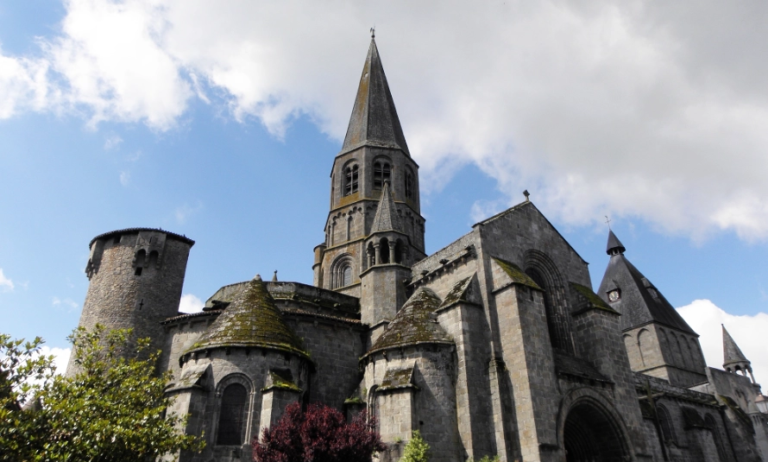
The Collegiate Church of Saint‑Pierre is where everything starts. Built in the 12th and 13th centuries in solid grey granite, it is one of the great Romanesque churches of the Limousin, and it dominates the town’s skyline. The the church’s architecture is heavily inspired by regional giants like the Abbey of Saint-Martial in Limoges and Saint-Junien’s collegiate church. Its plan is a classic Latin cross with chapels fanning out behind the altar, and above the crossing rises an octagonal lantern tower that carries Le Dorat’s mascot: the golden angel.
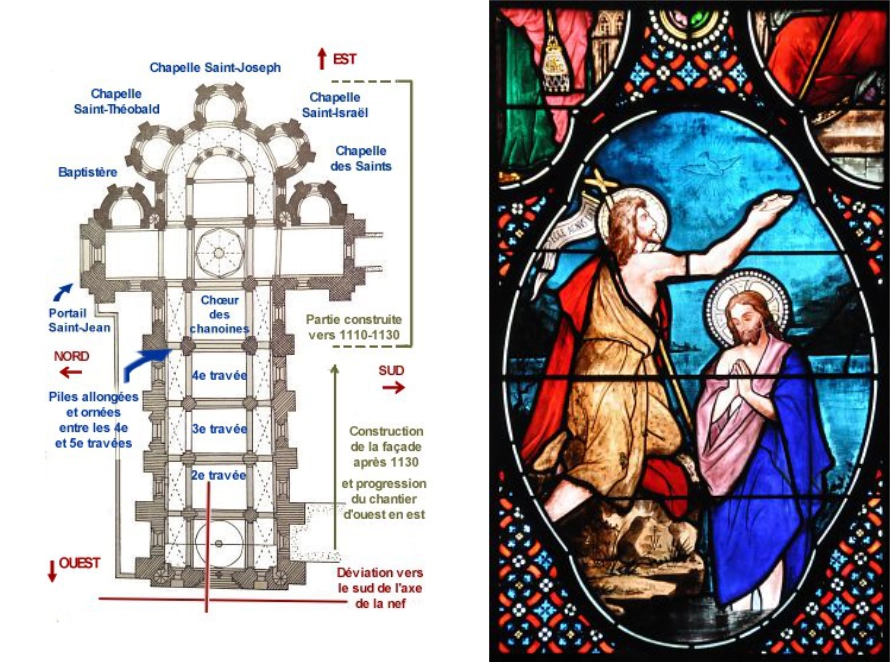
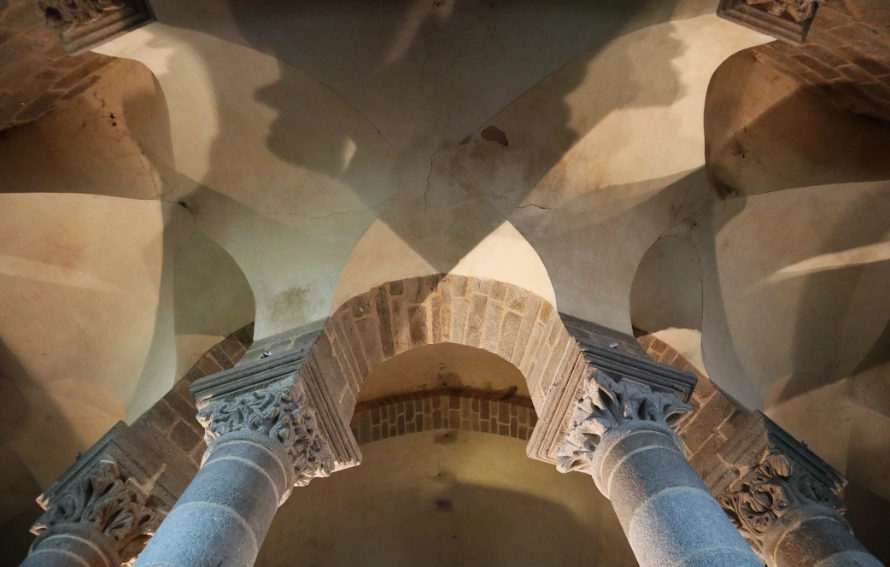
That angel has been watching over the town for roughly eight centuries. It stands about 1.30 metres high on a gilded ball at the very top of the spire, clearly visible from a distance and completely unreachable up close. Inside, the church feels both grand and intimate: a deep choir, heavy pillars, and, tucked below, a crypt that holds the relics of saints Israel and Théobald. Those relics are the reason the town explodes into colour and ceremony every seven years.
Another treasure inside is the organ built by Aristide Cavaillé‑Coll, the 19th‑century master organ maker. It is officially classed as a historic monument in its own right and, if you are lucky enough to hear it played, it fills the stone space in a way that makes you want to sit down and just listen for a while.
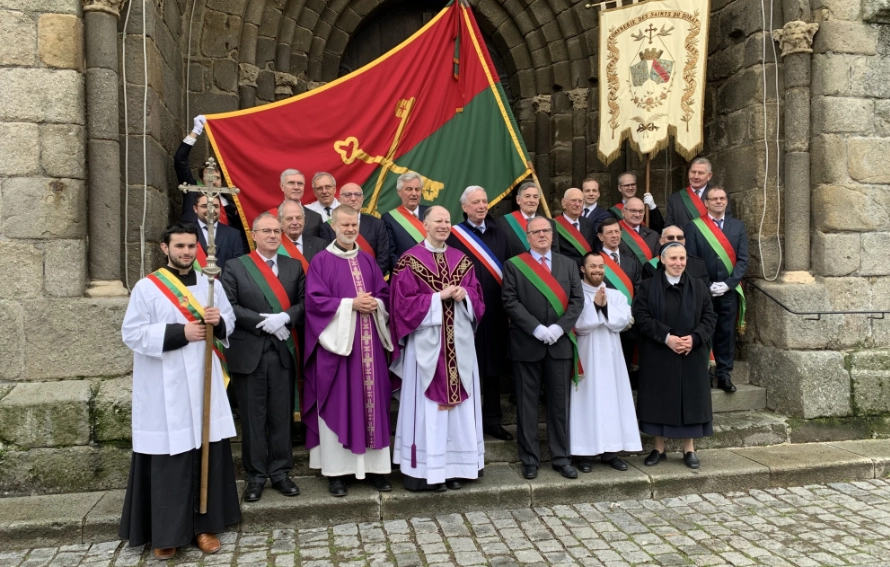
Ostensions: when the town comes alive
Every seven years, usually from Easter Monday to Pentecost Monday, Le Dorat steps into a different rhythm. The Ostensions Limousines are a series of processions and ceremonies in which the relics of saints Israel and Théobald are carried through the streets, accompanied by brotherhoods in traditional robes, banners, and a lot of music. UNESCO has recognised these Ostensions as Intangible Cultural Heritage, but on the ground they feel less like a “listed tradition” and more like something the town simply does, as it has for generations.
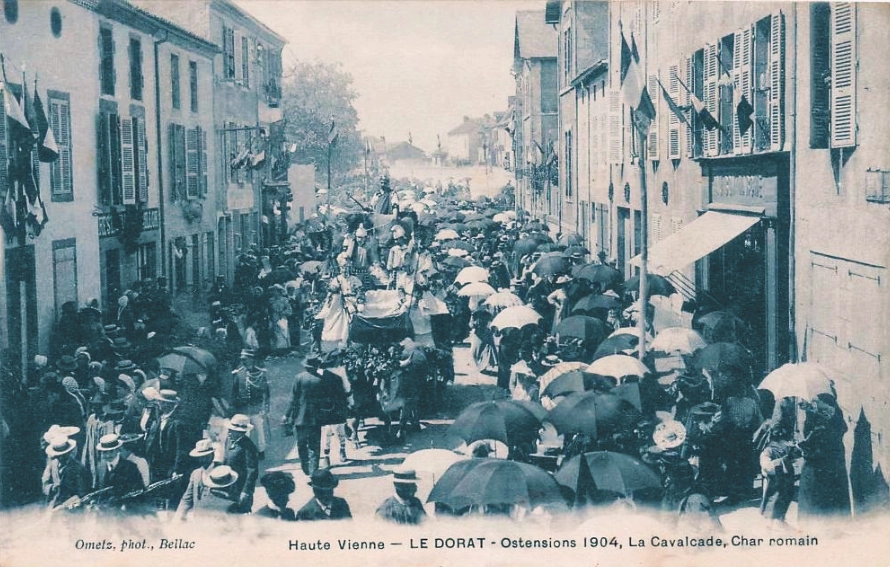
During the Ostensions, houses hang flags from windows, the streets fill with people who have come from nearby villages and much further afield, and the town’s usual quiet gives way to fanfares and the murmur of crowds. It is a mix of faith, local pride, and the sort of community effort where everyone, believer or not, seems to find a way to take part. If you want to see Le Dorat at its most animated, it is worth noting that the last Ostensions were in 2023, which means the next big edition will be in 2030.
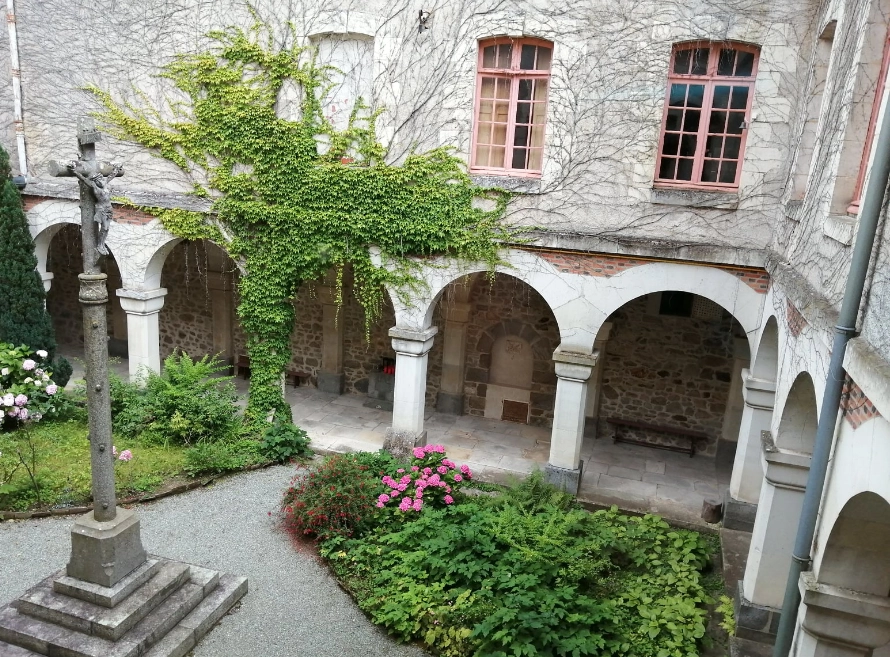
A cloister, a gate, and a small museum
Away from the main square, the cloister of the ancien Carmel offers a more peaceful corner. Once home to Carmelite monks, it is now a tranquil courtyard ringed with stone arcades smoothed by centuries. It is not open for wandering every day, but guided tours often include it alongside the church and other historic spots, and when you stand there the town’s noise seems to drop away.
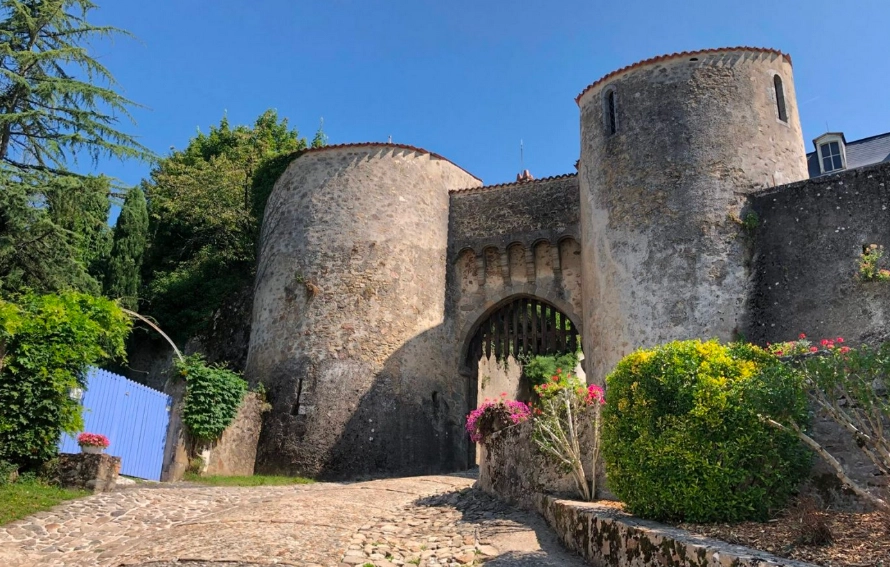
At the edge of the old centre stands La Porte Bergère, the last surviving fortified gate not only of Le Dorat but of the whole Haute‑Vienne department. Built between the late 15th and early 16th century on the steepest side of the hill, it guarded one of the main entrances through the medieval ramparts. The name probably comes from the shepherdesses who once led their flocks in and out here. Two semi‑circular towers flank the passage, and above are the remains of machicolations where defenders could drop unwelcome things on attackers. The walls have been trimmed and altered over time, but the gate still feels satisfyingly solid and has been protected as a historic monument since the 1980s.
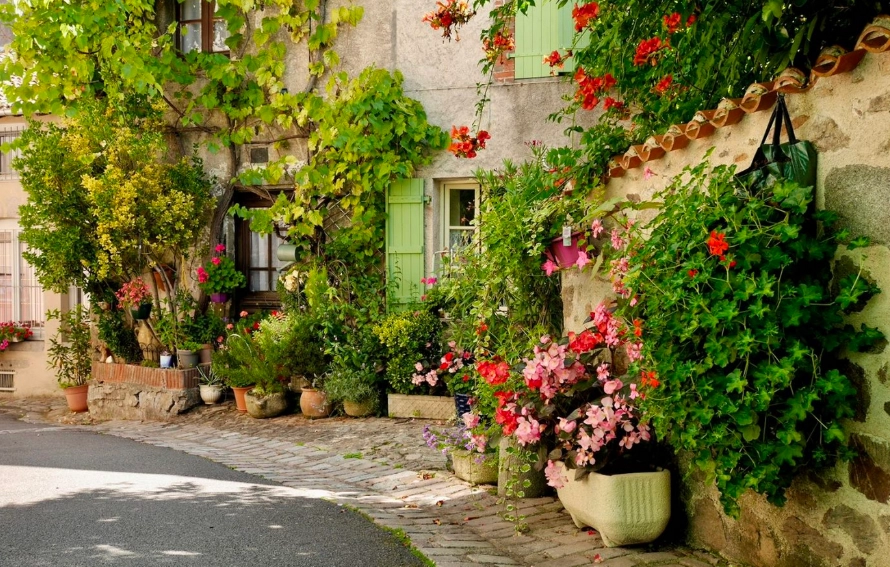
If you like understanding places from the inside out, the Maison du Patrimoine, on the square by the collégiale, is worth a stop. It is a small heritage museum, but it gathers photographs, objects, and documents that trace Le Dorat’s story from its monastic beginnings through to the present. Exhibitions change, and it is the kind of place where a volunteer might happily tell you more than any label could.
Horses, races, and a serious equine centre
For a town its size, Le Dorat has an unusually strong connection to horses. On the practical side, there is the CREDO, an equine reproduction centre on the edge of town that specialises in everything from artificial insemination and embryo transfer to foaling and health checks. Breeders from the wider region use its facilities and expertise, and training sessions for owners and professionals take place there regularly. It is not something every visitor will see up close, but it does explain why there always seem to be horseboxes somewhere on the roads around town.
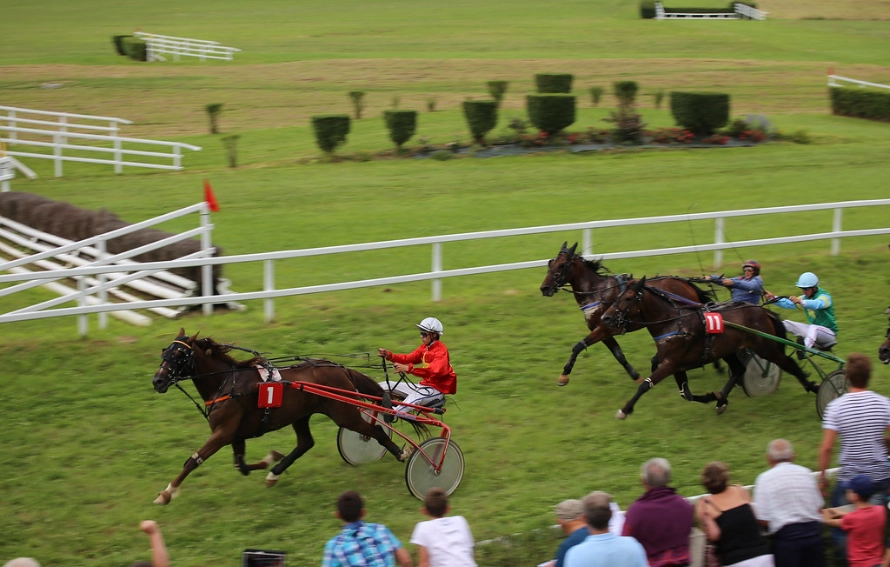
More visibly, the Hippodrome de la Sagne brings people together on race days. A couple of times each summer, the grass tracks fill with trotters, flat racers, and jumpers under the organisation of the local racing society. There is a covered stand, a restaurant, and plenty of casual spots to stand with a drink and watch the races go by. Parking is free, children run around, and the whole thing feels pleasingly unpretentious: more local day out than high society, which makes it very easy to enjoy even if you know nothing about betting.
Eating local: boudin noir with chestnuts
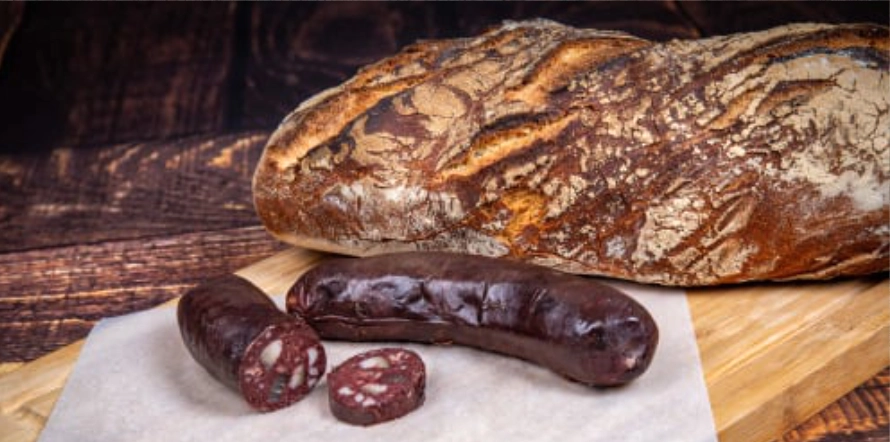
Food‑wise, one speciality worth seeking out in and around Le Dorat (if you do eat meat) is “boudin noir aux châtaignes”, black pudding with chestnuts. It is one of those combinations that makes perfect sense once you taste it (so I’ve been told). Traditional black pudding, made from pork, blood, onions, and spices, meets finely chopped or puréed chestnuts, which bring a gentle sweetness and a smooth, almost creamy texture. In Limousin, where both pigs and chestnut trees have long been part of the landscape, it feels almost inevitable that the two ended up together in a sausage.
You might find it sliced and gently grilled, served warm with sautéed apples or onions, or cooled and spread on thick slices of country bread. Either way, it is a dish that turns an ordinary picnic into something very local very quickly. If you see it at a butcher’s counter or on a menu, it is worth saying yes at least once.
A small town worth visiting
Le Dorat is not a place of big, showy sights, it is a town of details: the flash of the golden angel when you catch it from the right angle, the echo in the nave when the organ plays, the worn stone of a cloister arcade, the surprise of walking through a fortified gate that once guarded an entire community.
If you like spots where daily life and history sit very close together, where festivals still grow out of genuine local feeling, and where you can end the day with something as simple as black pudding and chestnuts on bread in a quiet square, Le Dorat is a very good place to spend a few relaxed hours.
What to see and do in Le Dorat
- Visit the Collegiate Church of Saint-Pierre
Explore this magnificent 12th-century Romanesque church, famous for its golden angel. - Walk through the Porte Bergère
Stroll under the last standing fortified town gate, complete with towers and medieval machicolations, and soak up centuries of local history as you enter Le Dorat’s oldest quarter. - Discover local history at Maison du Patrimoine
Step inside for a quick but insightful look at Le Dorat’s past—artefacts, stories, and old photographs bring the town’s history to life in this small yet charming museum. - Tour the town’s medieval streets
Wander timber-framed houses along Rue Saint-Michel and Grand Rue, ideal for anyone who loves snapping photos of rustic details and atmospheric lanes. - Experience the hippodrome
Try a day at the races on the Hippodrome de la Sagne’s grassy tracks or visit during the annual horse show in August to enjoy vibrant displays of local equestrian skill. - Visit the local market (Wednesdays)
Rub shoulders with locals while browsing stalls piled high with fresh veg, cheeses, charcuterie, honey, and more. The perfect place to taste the flavours of the town. - Walk countryside trails
Set off on well-marked routes like the “Seven Bell Towers Trail”, expect sweeping views, oak stands, and a real breath of clean Limousin air.
Practical information for visitors
- Getting there
Le Dorat is easy to reach by car, sitting on the D675 between Limoges and Bellac. There are regular regional train services to Le Dorat station from Limoges (about a 50-minute ride), and the station is within walking distance of the town centre. Parking is free and straightforward around the main square and streets, and the town is compact and walkable, no need to stress over public transport once you arrive. - When to visit
Le Dorat is enjoyable all year round, but spring and autumn are especially lovely, with mild temperatures and green countryside. The summer sees more visitors, especially during local events like the horse festival and the busy weekly markets. For a quieter experience, visit midweek or outside of peak holiday periods, late afternoon light also makes the historic architecture especially beautiful. - Accommodation
You’ll find a good mix of hotels, B&Bs, and countryside gîtes. Book early for festivals and holidays. Countryside guesthouses offer peace and quiet just outside town.