Lyon: France’s capital of gastronomy
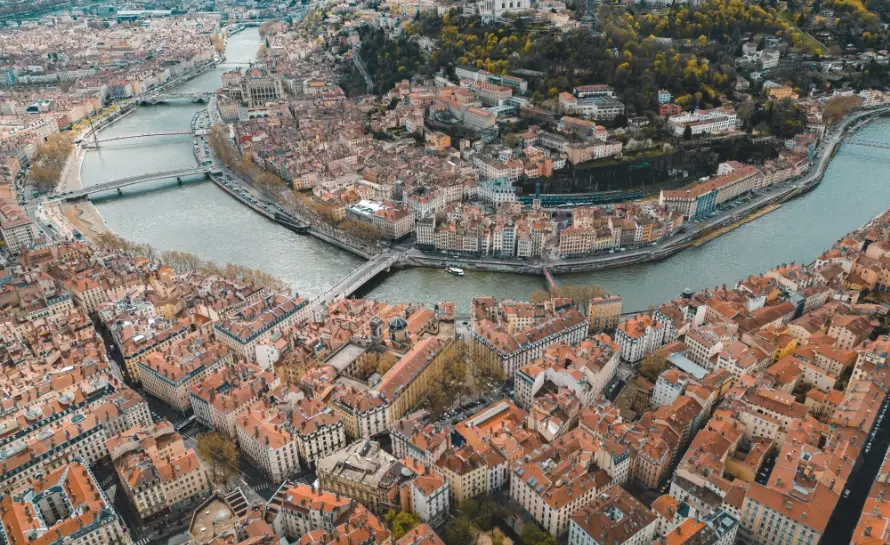
Lyon calls itself France’s capital of gastronomy, and this feels deserved. It is a city of steep hills and Renaissance courtyards, hidden passages and busy markets, where good food is treated as a basic condition of life rather than a special occasion. It sits where the Rhône and Saône rivers meet, squeezed between Fourvière hill to one side and Croix‑Rousse to the other, and somehow still feels like a place where people live and work first, not just a museum piece for tourists.
Layers of history, from Lugdunum to silk
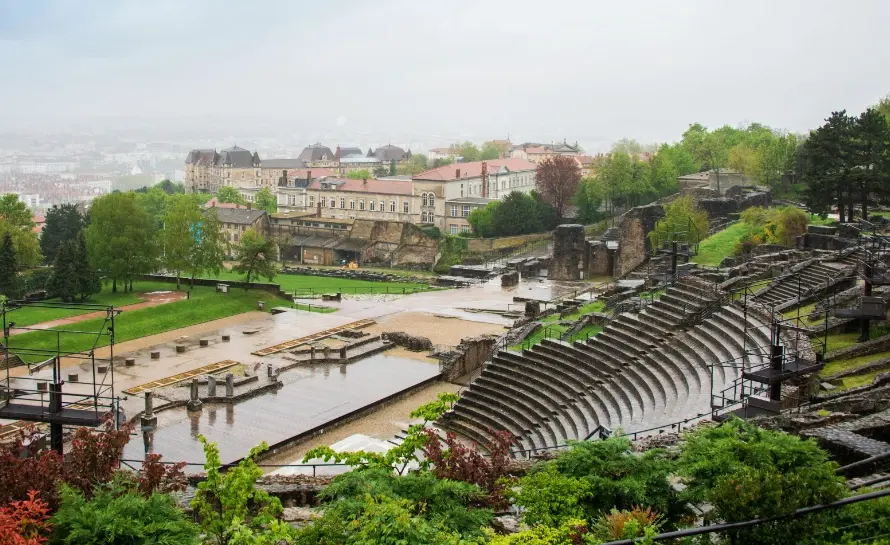
The Romans saw the potential early in this place. In 43 BCE they founded Lugdunum on the hill above the confluence, a perfect spot to control Gaul: high ground, two big rivers, and room for roads to fan out in every direction. At its height, Roman Lyon covered around 350 hectares and had tens of thousands of residents, with all the usual trappings of an important city: theatres, baths, aqueducts, temples, and a road network that still shapes France’s major routes today.
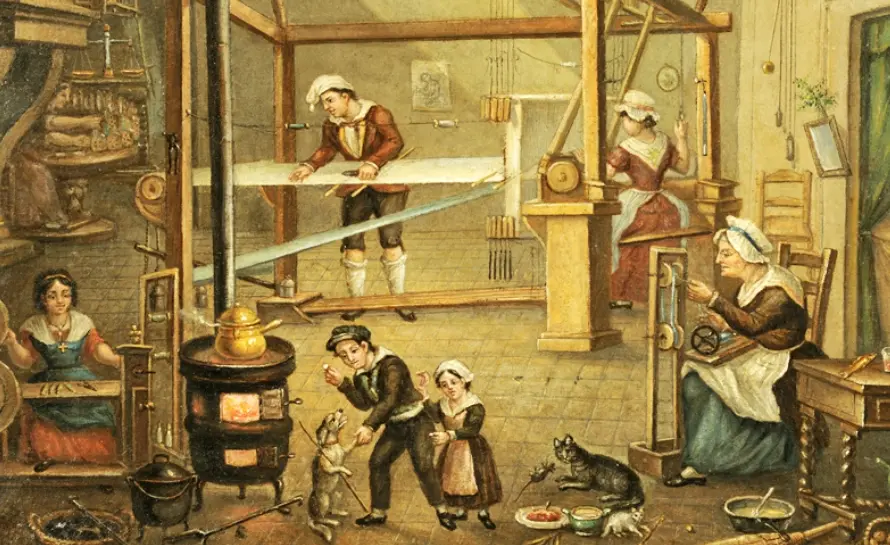
Centuries later, the city reinvented itself, and it did it more than once. In the Middle Ages its location between north and south made it a meeting point for merchants. During the Renaissance, royal fairs attracted Italian bankers who left their mark in the tall, elegant houses of Vieux Lyon. Then came the famous silk. Kings granted Lyon a monopoly on silk, and by the 17th century thousands of looms were working here, sending fine fabric across Europe. In Croix‑Rousse, entire buildings were designed around this trade: high ceilings for the looms, big windows for the light, and the famous “traboules”, which are covered passages that let silk workers carry cloth under shelter through the city.
Silk brought prosperity but also tension. In the 19th century, the so called “canuts” (Lyon’s silk workers), rose in one of Europe’s first organised labour uprisings, marching under the stark banner “Vivre en travaillant ou mourir en combattant” (Live working or die fighting). That mixture of craft pride and stubbornness still feels like part of the city’s personality.
Standing where it began: Roman Lyon and the canuts
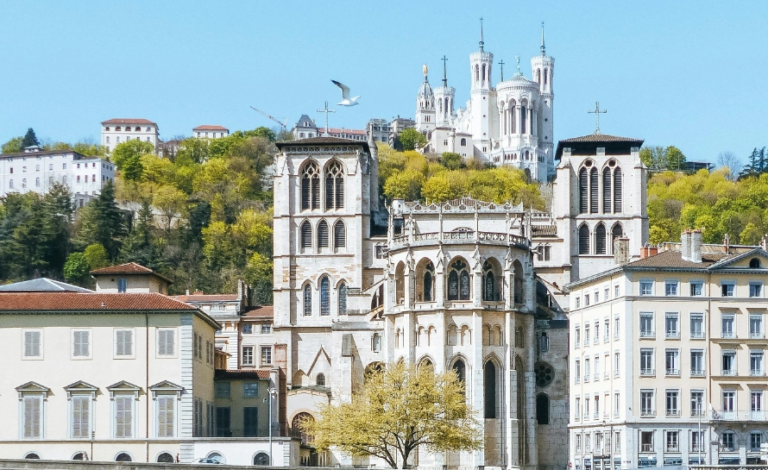
One of my favourite things in Lyon is how casually the very old and the very modern sit next to each other. Behind the white bulk of the Basilica on Fourvière hill, you step straight into the remains of Roman Lugdunum: two stone theatres opening to the sky and, tucked into the slope, the Lugdunum museum. In summer, those tiers fill again for Les Nuits de Fourvière festival, when concerts, plays, and dance performances bring the site to life in a way the Romans might actually recognise.
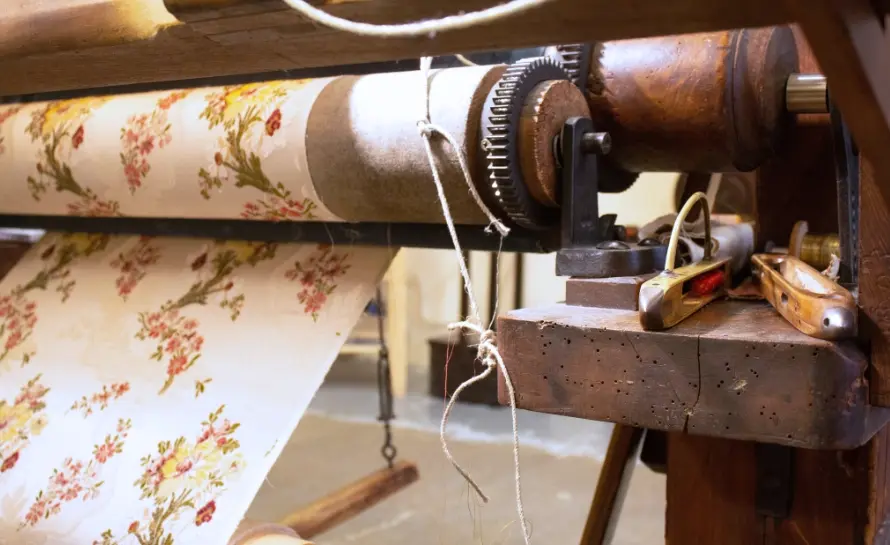
Down the hill and over the river, La Maison des Canuts tells another essential Lyon story. It is a small museum, but watching the old looms in motion and hearing how silk was woven, traded, and fought over makes the city’s past feel very close. You walk back out into Croix‑Rousse and suddenly those tall, narrow buildings and secret passages make sense.
If you are curious to see how that tradition continues today, you can visit one of Lyon’s last silk‑screen printing workshops. The guided visit walks you through the process step by step, from pattern to finished fabric, and makes the city’s silk story feel much more real than any display case.
Versailles, the Élysée, and the White House
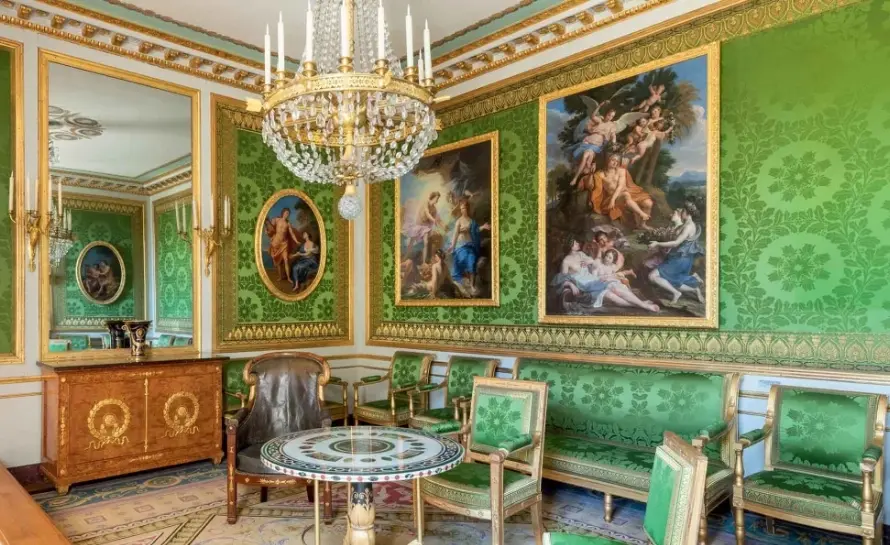
Lyon’s historic silk is not just nostalgia. A few houses still produce fabrics for places such as Versailles, the Élysée, and even the White House, using archives of patterns and old looms to recreate textiles exactly as they were centuries ago. It is not cheap, but it is extraordinary to know that curtains in a royal bedroom are being rewoven today in almost the same way they were in Louis XIV’s time.
A handful of Lyon companies specialize in this work, including Prelle (founded 1752) and Tassinari & Chatel (founded 1680), both still operating in or near Lyon. They maintain archives of historical patterns going back centuries, allowing them to recreate exact replicas of fabric that might have hung in Marie Antoinette’s chambers or Napoleon’s throne room.
Louis XIV and “À la Mode Française”
Louis XIV understood silk’s political power. The Sun King made French fashion, and by extension, Lyon silk, synonymous with luxury and sophistication across Europe. His finance minister Jean-Baptiste Colbert regulated silk production in 1667, establishing quality standards and worker protections that elevated Lyon’s reputation even further.
Under Louis XIV, wearing Lyon silk became a statement. European aristocrats wanted French fashion, which meant French silk. The phrase “à la mode française” became shorthand for elegance and refinement. Lyon weavers created increasingly elaborate patterns, damasks, brocades, lampas, that other European silk centres couldn’t match. This reputation, built over centuries, is why restoration projects still turn to Lyon when authenticity matters.
Vieux Lyon and the traboules
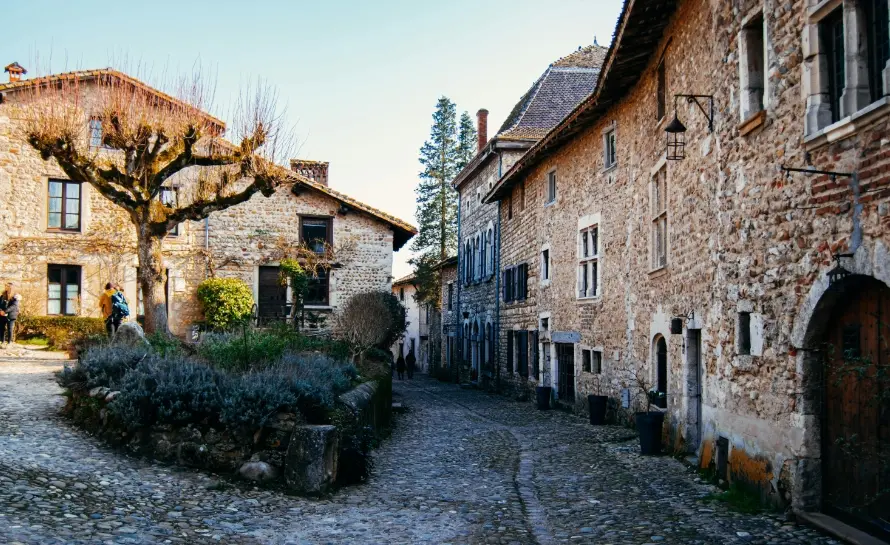
Vieux Lyon sits to the bank of the Saône at the foot of Fourvière. It is a tangle of Renaissance streets, ochre and terracotta façades, carved doorways, and inner courtyards that you only discover if you are curious enough to push doors marked with a small plaque. Some of those courtyards have open loggias and spiral staircases that feel more Italian than French, a reminder of the bankers who once worked here.
Hidden among them are the “traboules”. They look like ordinary doorways at first, often with a small lion symbol to show you may enter, but once inside you find yourself in covered passages that cut through buildings and emerge in another street. Lyon has hundreds of them, though only a fraction are open to the public. They were once practical shortcuts and sheltered corridors for silk and goods; today they feel like secret slices of the city. People still live above them, so you walk them quietly and do not linger too long to not disturb anyone.
If finding the passages on your own feels a bit hit‑and‑miss, you can also join a guided traboules walk in Vieux Lyon. A local guide will point out details you would probably miss alone and thread together several of the most interesting courtyards and passages into one route, which is a nice way to get your bearings in the old town.
At one end stands the Cathédrale Saint‑Jean, with its mix of Romanesque solidity and Gothic height. Inside, an astronomical clock from the 14th century still marks feast days and movements of the heavens and puts on a small mechanical show a few times a day. You step back out into the square and see Fourvière’s basilica high above, and it feels like all of Lyon’s layers are visible in one turn of the head.
Presqu’île and Croix‑Rousse
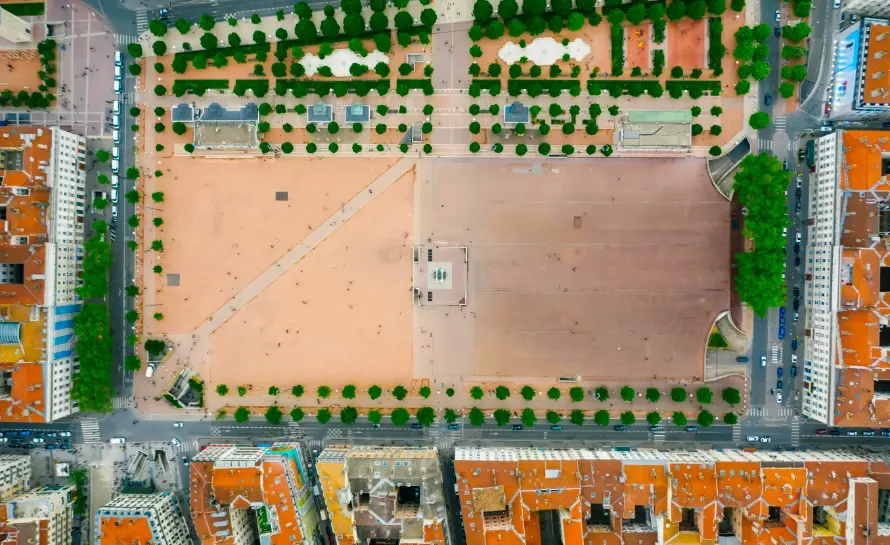
Between the rivers lies the Presqu’île, the long peninsula that is modern Lyon’s centre. Wide squares and 19th‑century buildings give it a more formal feel: Place Bellecour stretches out with Louis XIV on horseback in the middle, almost too large for its own good, but handy when you need a clear meeting point. From there, Rue de la République runs north to Place des Terreaux, lined with shops. Step off that main artery into side streets and things get more interesting: smaller boutiques, cafés, and corners that feel more unique.
Place des Terreaux itself is framed by the city hall and the Musée des Beaux‑Arts, with Bartholdi’s dramatic fountain in front: a woman in a chariot pulled by four straining horses, each one a river. At night, when the square is lit and the water is running, it feels like a stage set.
Above it all sits Croix‑Rousse. You climb, on foot or by funicular, and the mood changes. The streets are steeper, the buildings taller and a bit rougher around the edges, and there is a sense that people here have always had to work for their living. Markets on Boulevard de la Croix‑Rousse are lively and local, full of people buying for dinner rather than browsing for entertainment. It is easy to see why the canuts once closed ranks here; there is a self‑contained feeling to the hill.
Lyon’s food scene: France’s gastronomic capital
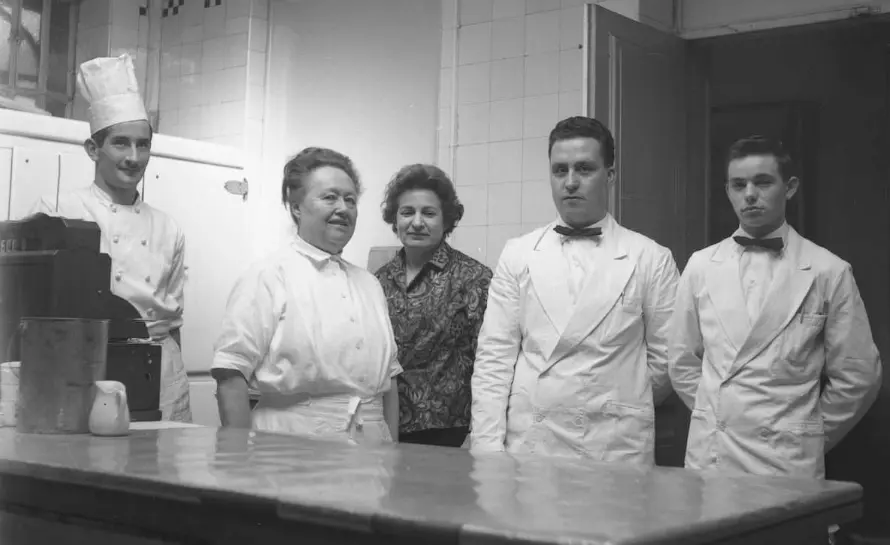
Lyon’s reputation as a gastronomic capital is not an invention. The city sits in a privileged spot, with Burgundy and Beaujolais wine to one side, the Rhône valley to the other, and rich farming regions all around. For generations, Lyonnaise cooks, especially the famous “mères lyonnaises” like Eugénie Brazier, turned that produce into serious food that fed both silk workers and high society. Paul Bocuse trained in her kitchen and carried that tradition into the world, which is a big part of why Lyon’s name carries so much weight now.
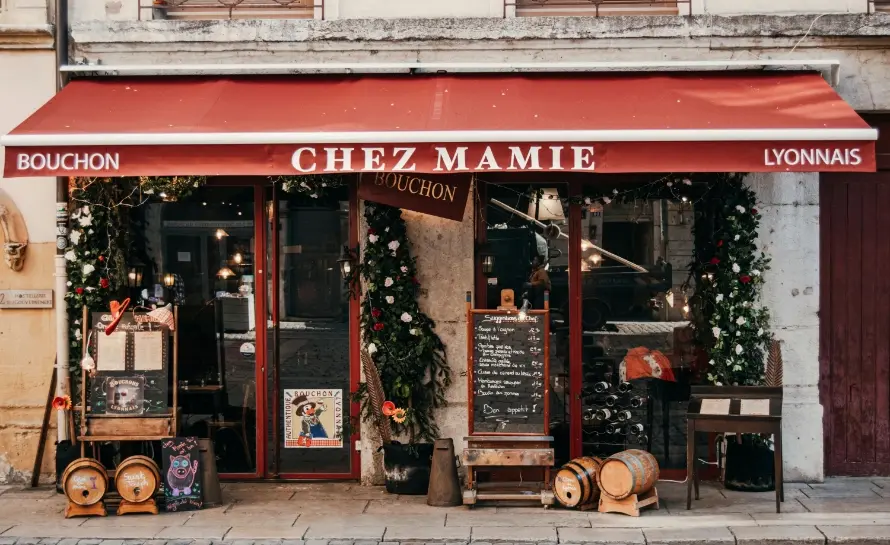
If you only do one food thing in Lyon, make it a meal in a “bouchon”. These small, packed restaurants are where traditional Lyon cooking lives on: salade lyonnaise with frisée, lardons, and a soft egg; quenelles in a rich sauce; plates of charcuterie; sometimes more challenging cuts for those who like them. It is not light food, and most of it isn’t vegetarian, but it’s worth it. Tables are close, voices carry, and there is often a carafe of wine somewhere in arm’s reach. There is even an official label for “authentic” bouchons, only 20 restaurants currently hold this label “Authentique Bouchon Lyonnais” certification, they’re evaluated regularly to ensure they maintain traditional standards. You can find the complete list on the official Lyon bouchons website.
Classic Bouchon dishes
Salade lyonnaise
Frisée lettuce with lardons, a poached egg, and croutons
Quenelles
Pike or chicken dumplings in Nantua sauce (crayfish-based)
Andouillette
Tripe sausage. Not for everyone, but beloved by those who are into it
Tablier de sapeur
Breaded, fried tripe
Fresh cheese mixed with herbs, shallots, and vinegar. Translates as “silk workers’ brains
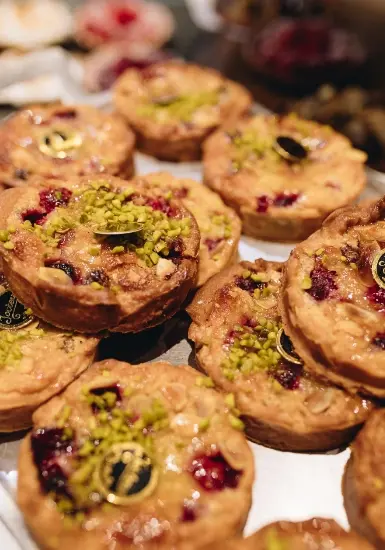
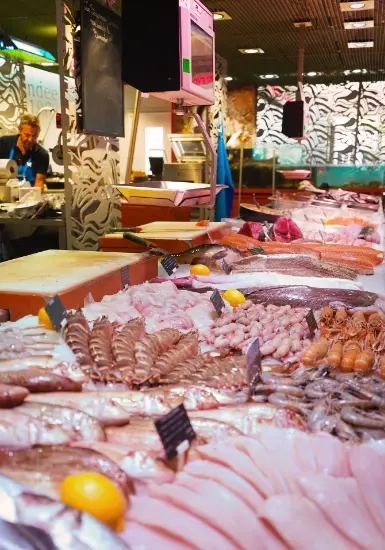
Les Halles de Lyon Paul Bocuse is the other must for anyone who likes to wander and taste. Under one roof you find cheesemongers, butchers, fish stalls, pâtissiers, chocolatiers, and small counters where you can sit down with a plate of oysters and a glass of white at ten in the morning and nobody will bat an eyelid. It is a working market, not a theme park; locals shop here alongside visitors, and you quickly see why people speak so fondly of Lyon’s everyday food.
If you would like someone else to do the choosing for you at first, a food tour through Vieux Lyon can be a nice introduction. You walk the old streets with a guide, stop at a handful of shops and bouchons to taste local specialities, and come away with a clearer sense of what Lyon actually eats, not just what appears on postcard menus.
Parks, museums, and a painted city
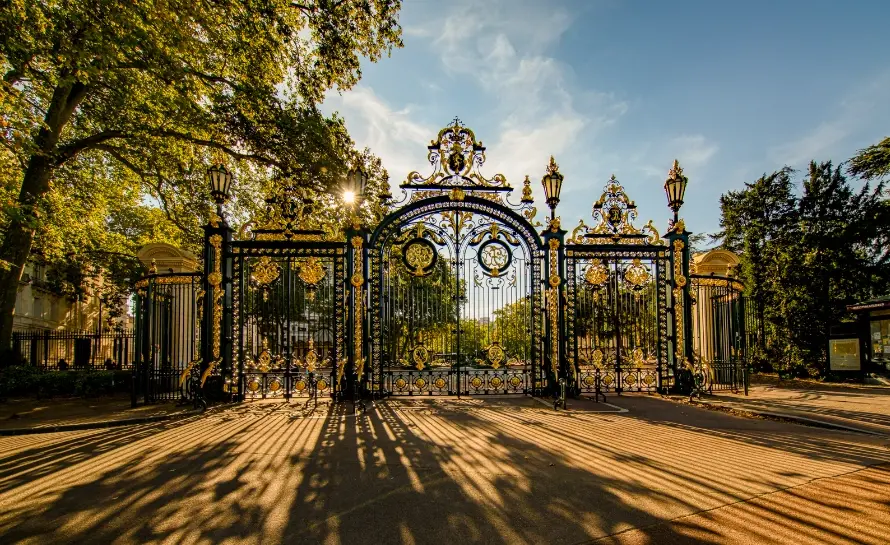
When you need a break from eating, Parc de la Tête d’Or is where half the city seems to exhale. It spreads out along the Rhône north of the centre, with a big lake, lawns, a small zoo, old greenhouses, and enough trees that you can almost forget you are in a city at all. It’s named Europe’s largest urban park with a massive 117-hectare park that’s been Lyon’s favourite green space since 1857.
Lyon’s museums are varied and surprisingly approachable. The Musée des Beaux-Arts, in an old abbey near Place des Terreaux, houses a serious art collection without ever feeling overwhelming, helped by its calm central courtyard where you can sit for a moment between galleries. Down at the tip of the Presqu’île, the Musée des Confluences looks as if a shard of glass and steel has landed where the two rivers meet. Inside, natural history and anthropology exhibitions tackle big questions about the origins of life and human cultures, with mammoth skeletons, meteorites, and objects from all over the world.
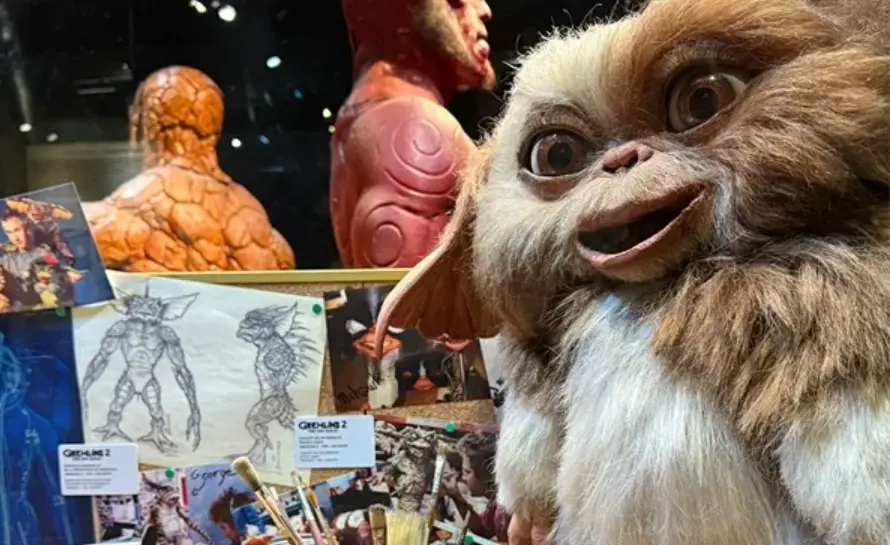
Smaller and more playful, the Musée Miniature et Cinéma hides in Vieux Lyon and rewards anyone who pushes open its doors. One half is filled with painstaking miniature, and special effects props from major films like Alien, Perfume, and Mrs. Doubtfire. The miniatures are mind-bending, you’ll press your nose against the glass trying to work out how artist Dan Ohlmann achieved such detail. The cinema section shows actual mechanical creatures, prosthetic makeup, and miniature sets, explaining how practical effects worked before CGI.
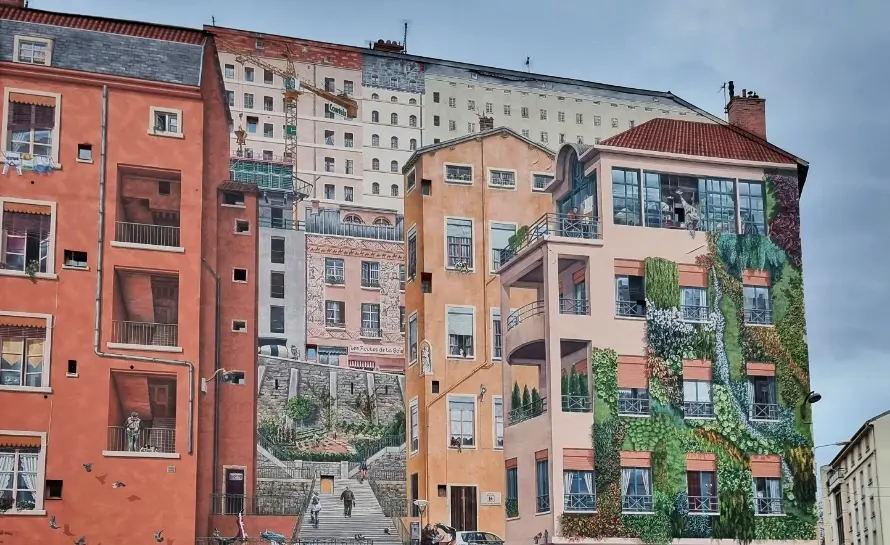
As you move through the city, you start to notice huge murals on otherwise ordinary buildings. Lyon has more than a hundred of them, turning blank walls into images of everyday life. The most famous, the Mur des Canuts in Croix‑Rousse, shows the neighbourhood’s streets and residents so convincingly that from a distance you could mistake it for the real thing. It is updated now and then, so the people in it age along with the city.
Lyon in a day or a long weekend
Lyon is easy to reduce to a list: Roman ruins, Renaissance streets, silk, bouchons. But the reason people fall for it is the way those pieces fit together. You can spend a morning tracing Roman steps on Fourvière, an afternoon getting lost in “traboules”, and an evening at a small table in a bouchon that has been feeding people for longer than most countries have existed.
It is a city that rewards walking, eating slowly, and paying attention. If you give it time, it feels less like a place you have visited and more like one you will keep returning to whenever you can.
What to see and do in Lyon
- Vieux Lyon and the Traboules
Wander Renaissance streets and discover secret covered passageways once used by silk workers. About 40 traboules are open to the public. Look for lion’s head plaques on yellow backgrounds marking entrances. - Fourvière Hill and Basilica
Take the funicular up to the brilliant white basilica with its stunning mosaics and gilt interior. The views across Lyon from the hill are spectacular. - Roman Theatres and Lugdunum Museum
Two remarkably preserved Roman theatres dating from 15 BCE, still used for summer concerts. The adjacent museum houses mosaics, sculptures, and artifacts from Roman Lyon. - Les Halles de Lyon Paul Bocuse
Lyon’s premier food market with 60 vendors selling cheese, charcuterie, oysters, and pastries. Open Tuesday-Saturday 7am-7pm, Sunday 7am-1pm. Arrive early on weekends. - Eat in a Bouchon
Try Lyon’s traditional restaurants serving quenelles, salade lyonnaise, and andouillette. Only 20 hold official certification. Expect hearty portions and flowing wine. - Musée des Beaux-Arts
France’s second-largest art museum with collections spanning Egyptian antiquities to Picasso. Housed in a stunning 17th-century former abbey. - La Maison des Canuts
Small museum in Croix-Rousse with working Jacquard looms and demonstrations showing how silk was woven. Essential for understanding Lyon’s silk heritage. Open Tuesday-Saturday, €7.50. - Parc de la Tête d’Or
Massive 117-hectare park with lake, botanical gardens, and free zoo. Perfect escape from the city centre. Accessible via metro (Masséna stop). - Place Bellecour
One of Europe’s largest pedestrian squares with a Louis XIV statue. Good orientation point and often hosts markets and events. - Croix-Rousse Market
Daily food market along Boulevard de la Croix-Rousse selling fresh produce, cheese, and charcuterie. Expands on Sundays. Properly local, not touristy. - Musée Miniature et Cinéma
Hyperrealistic miniature rooms at 1:12 scale plus special effects props from major films like Alien. At 60 rue Saint-Jean in Vieux Lyon. - Cathédrale Saint-Jean-Baptiste
Gothic and Romanesque cathedral in Vieux Lyon with a 14th-century astronomical clock that chimes at noon, 2pm, 3pm, and 4pm with an automated show. - Mur des Canuts
Lyon’s most famous trompe-l’oeil mural covering 1,200 square metres in Croix-Rousse. Depicts daily neighbourhood life with extraordinary three-dimensional detail. Free, always accessible. - Musée des Confluences
Striking contemporary building at the confluence of the Rhône and Saône. Natural history and anthropology museum with dinosaur skeletons, meteorites, and cultural artifacts. Open Tuesday-Sunday, €9. - La Mère Brazier Restaurant
Dine at Eugénie Brazier’s original restaurant, now run by Michelin-starred chef Mathieu Viannay. Her classic dishes from 1921 remain on the menu alongside modern interpretations.
Practical information for visitors
- Getting there
Lyon is two hours from Paris by TGV, 90 minutes from Geneva, three hours from Marseille. Lyon-Saint Exupéry Airport is 30 minutes to Part-Dieu station via Rhône Express tram. The city’s well-connected by high-speed rail from across France and Europe. - Getting around
The TCL network (metro, tram, buses, funiculars) makes transport straightforward. Most main areas are walkable, Vieux Lyon to Presqu’île is 15 minutes on foot. Buy individual tickets (€1.90) or the Lyon City Card for unlimited transport plus museum entry. On 8 December during Fête des Lumières, transport is free from 4pm. If you prefer a simple overview without worrying about routes, a hop‑on hop‑off sightseeing bus can be a handy way to loop between the main sights at your own pace. - Accommodation
Stay in Vieux Lyon or Presqu’île for easy access to major sights and restaurants. Croix-Rousse offers a more local, bohemian feel. Part-Dieu is modern and business-focused but well-connected. Expect €100-150 for mid-range hotels. Book well ahead for the Fête des Lumières in December when prices surge.