 October 7, 2025
Disclosure: This post may contain affiliate links which provide us a small commission when used for purchase. Please read my disclosure policy for more information. I am grateful for your support!
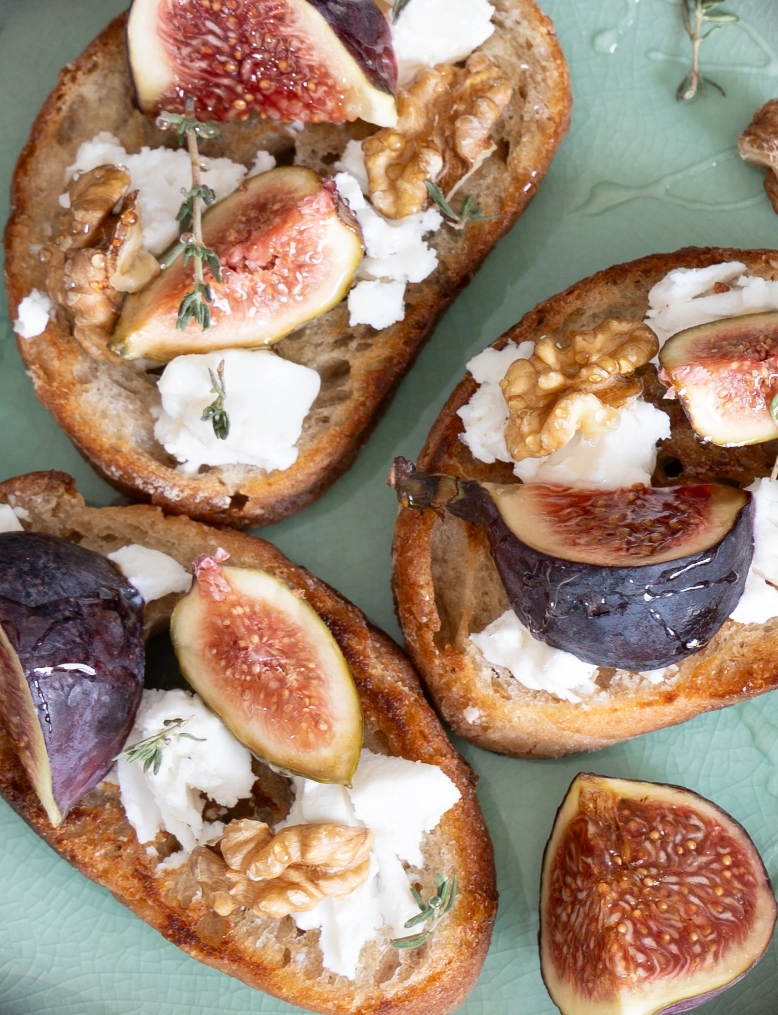
I really fell for this fig and goat cheese combination when we lived in Nice. As kids we used to hike in the nearby mountains where there were fig trees everywhere, dropping huge fruit in late summer. My brother and I would pick them up off the ground, still warm from the sun, and eat them on the spot. It was only obvious to take that soft, sweet, floral taste and put it with a tangy, creamy goat’s cheese. It takes about ten minutes to put together and tastes like a real treat!
Table of Contents
Where fig and goat cheese comes from
Figs and the south of France go back a very long way. The fig tree came to the Mediterranean with the Phocaeans, the Greek sailors from Asia Minor who founded Marseille around 600 BC, so the connection is well over two thousand years old. By the Middle Ages fig trees were flourishing across the Var, giving shade and fruit in equal measure.
And France is the world’s leading producer of goat’s cheese, with over a hundred varieties and fourteen holding AOP status. The Loire Valley and the southwest are the heartland, and the tradition spread south into Provence, where the hot, dry garrigue suits goats perfectly. Which is how a Greek fig and a Poitou cheese ended up on the same piece of bread in Nice!
Goat’s cheese has been traditionally paired with dry white wines from the same regions for centuries, so a Sancerre, a Pouilly-Fumé, or a Provençal rosé are all brilliant choices here. Something with enough acidity to stand up to the tang of the cheese and the sweetness of the figs.
Ingredients
- Figs —Properly ripe. A good fig gives slightly under your thumb and may have a bead of syrup at the base. Rock-hard supermarket figs won’t ripen much after picking, so buy them soft and use them within a day or two.
- Goat’s cheese — a soft, fresh, spreadable chèvre works best here, since it softens against the warm bread while holding its shape. Something young and tangy rather than an aged, chalky log.
- Sourdough or pain de campagne — the structure for this toast. You want a crust that cracks and a chewy interior, cut medium-thick.
- Walnuts — for crunch and a slight bitterness that stops the honey and figs becoming cloying. Toast them, it doubles their flavour.
- Honey — the thread tying sweet and savoury together. A floral one (acacia, lavender) suits figs particularly well.
- Fresh thyme — optional, but it’s the earthy, herbal note that makes the whole thing read as Provence.
- Olive oil, salt and pepper — oil for the toast, and a little salt and pepper at the end to sharpen the sweetness.
Choosing figs
Figs turn up from late August through October depending on variety and year, and when they’re gone they’re gone. At market you’ll see several kinds and they’re all good here. The deep-purple Bourjassotte noire is almost honeyed. The yellow-green Dottato is milder and nuttier. The tiny Violette de Bordeaux is small but intensely flavoured. Don’t agonise though, buy whatever looks best that week.
How to make fig and cheese toast
1. Toast the walnuts first
Dry pan or oven, a few minutes, until they smell nutty. Untoasted walnuts are soft and slightly dusty; toasted ones are the crunch that holds the whole toast together. Chop them roughly once cool.
2. Grill the bread with olive oil
Both sides, until golden and crisp at the edges. You want it properly toasted, because soft bread under wet fig and soft cheese collapses into something sad within minutes.
3. Spread the cheese while the bread is warm
Warm bread softens the cheese just enough to spread and melt slightly at the edges while holding in the middle. Cold bread and cold chèvre gives you a stiff, crumbly layer instead.
4. Assemble
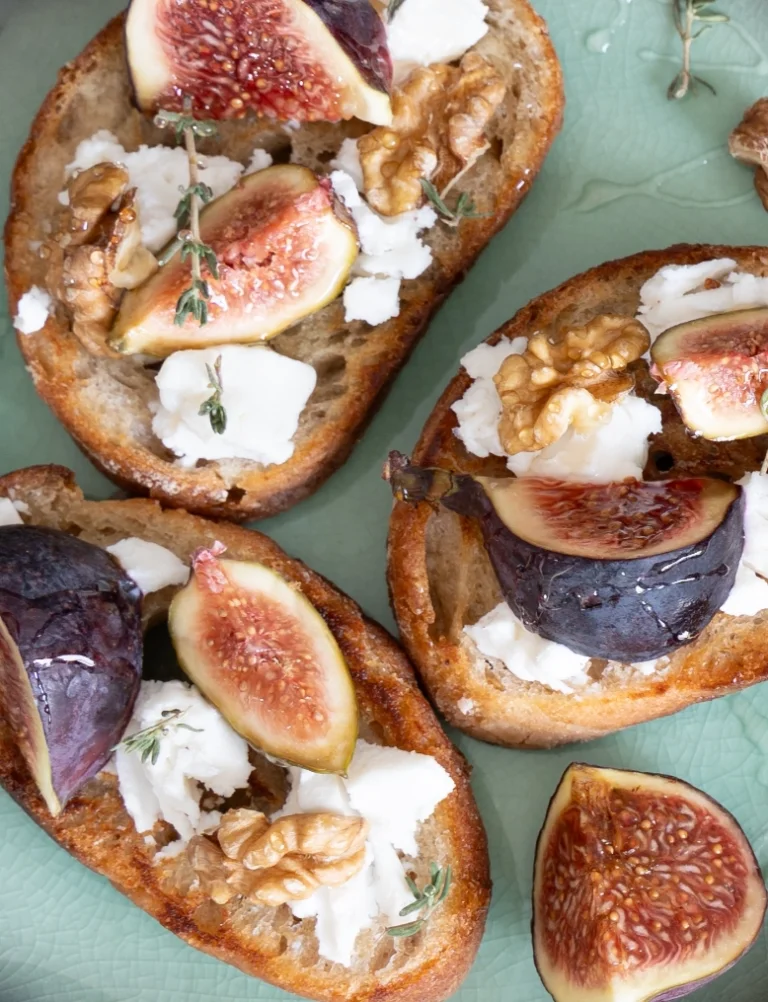
Slice the figs so you see that rosy interior, scatter the walnuts, drizzle the honey, then salt, pepper and thyme. Assemble at the last possible moment and enjoy!
Tools for this recipe
Check out my favorite kitchen essentials and cookware!
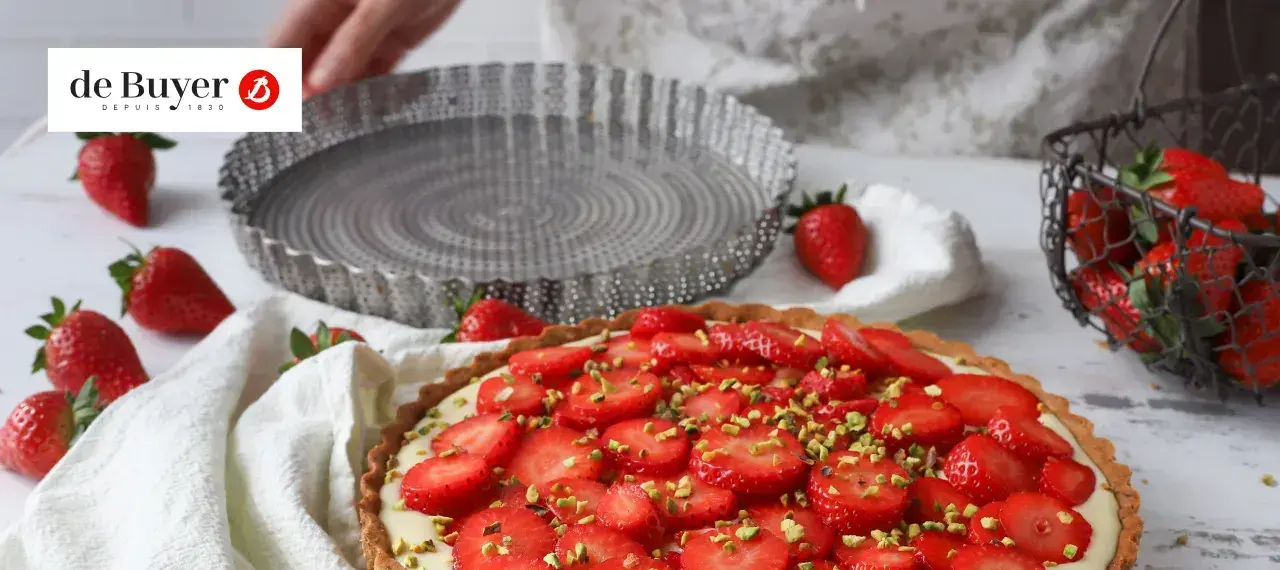
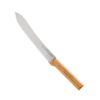
- Use a bread knife to cut clean, even medium-thick slices from an uncut loaf without tearing the crumb.
Tips for success
- Buy figs soft: figs don’t ripen meaningfully after picking, so a firm one stays firm and bland. Buy them heavy, slightly yielding, with intact skin, and use within two days. If they’re a touch underripe, halving and grilling them cut-side down for a minute concentrates the sugars and rescues them.
- Take the chèvre out of the fridge twenty minutes early: cold goat’s cheese tears the bread and won’t spread. At room temperature it goes on smoothly and softens properly against the toast.
- Toast the walnuts, and salt them: a pinch of salt on the hot walnuts makes them taste more of themselves and sharpens the contrast with the honey.
- Assemble at the last minute: the single biggest failure here is soggy toast. Fig juice and soft cheese soften bread quickly, so if you’re serving guests, toast and lay everything out ready but assemble as they arrive.
- Warm the honey slightly if it’s thick: ten seconds of gentle warmth turns a stubborn spoonful into a proper drizzle that reaches every corner.
- Season at the end, not the start: salt and pepper go on after the honey, so they sit on top and hit your tongue first, which is what makes the sweetness read as balanced.
How to store it
- Assembled toasts: These don’t store, and there’s no way round it. The bread goes soft within the hour. Make them to order!
- In the fridge: Store the components instead. Fresh figs keep 2 to 3 days in the fridge (bring them to room temperature before using, cold mutes their flavour), and opened goat’s cheese keeps about a week wrapped well. Toasted walnuts keep a week in an airtight jar.
- In the freezer: Not for the toasts, but figs freezes well whole on a tray then bagged, and they’re excellent later in a tart or roasted alongside vegetables. Walnuts freeze for months and stay good.
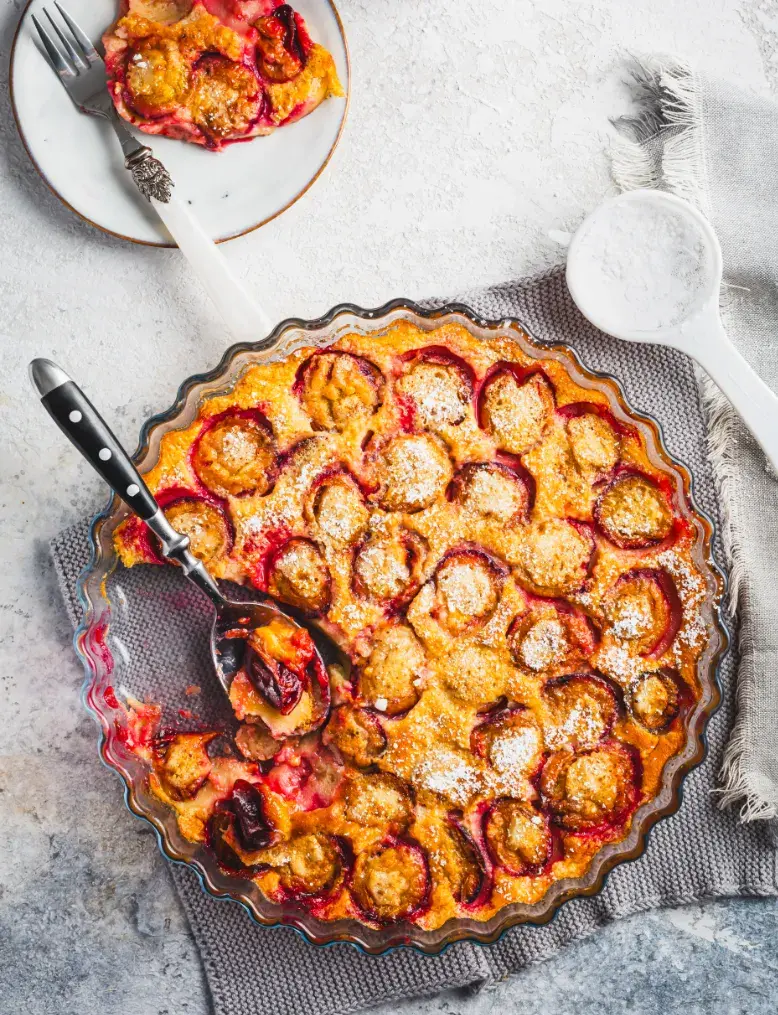
More lunch recipes to try
Variations
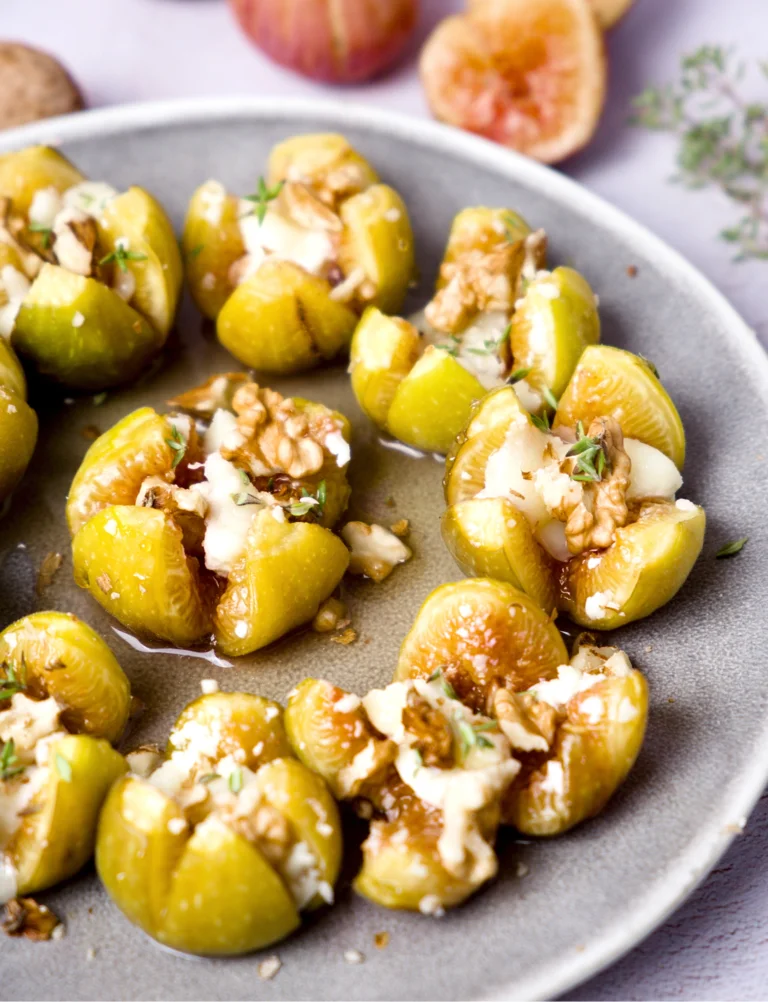
- Grilled or roasted figs: halve the figs and grill them cut-side up with the cheese for the last minute, or roast them with a little honey until they slump. This turns a fresh, bright snack into something warmer and jammier, and it’s the better option when figs are less than perfect.
- Balsamic instead of honey: a thick balsamic glaze takes the whole thing savoury and sharper, which suits a wine-heavy apéro better than the honey version.
- Swap the nut, swap the character. Pistachios give colour and a softer, sweeter crunch; toasted almonds are milder; pecans are richer and sweeter. Each nudges the toast somewhere slightly different.
- Out of fig season. Ripe pear or fresh peach works on the same principle, or in winter use a good fig jam with a fresh thyme sprig, which is a different dish but an honest one.
- Vegan version. A cashew or almond-based soft cheese with lemon and salt stands in surprisingly well, and maple syrup replaces the honey. The figs and walnuts do most of the work.
FAQ
How do you know when a fig is ripe?
It should feel heavy, give slightly under gentle pressure, and may have a small bead of syrup at the base. Figs don’t ripen much after picking, so buy them soft.
What goat’s cheese is best for a fig and cheese toast?
A soft, fresh, spreadable chèvre. It softens against the warm bread while keeping its shape, and its tang balances the sweetness of fig and honey better than an aged, chalky cheese.
What wine goes with figs and goat’s cheese?
A dry white with good acidity is the classic match. Sancerre or Pouilly-Fumé from the Loire are the textbook choices, and a Provençal rosé works beautifully too.
What can I use instead of fresh figs?
Ripe pear or peach on the same principle, or a good fig jam with fresh thyme when figs are out of season.


 Prep Time 10 minutes
  Cook Time 7 minutes
  Total Time 17 minutes
  Servings 4
Description
Ingredients
Equipment
Instructions
1. Toast the walnuts
- Toast the walnuts in a dry pan over medium heat, or in the oven, for 3–4 minutes until fragrant and lightly coloured. Set aside to cool, then chop roughly.
2. Toast the bread
- Preheat the oven grill or set your grill to high. Arrange the bread on a baking tray, drizzle lightly with olive oil, and grill for 2–3 minutes on each side until golden and slightly crisp.
3. Assemble the toasts
- Spread each slice generously with goat's cheese while the bread is still warm. Top with slices or pieces of fresh fig, then scatter over the toasted walnuts.
4. Finish and serve
- Drizzle a little honey over each toast. Season with a touch of salt and pepper, and sprinkle with fresh thyme leaves if you like. Serve immediately, while everything is still slightly warm.
Notes
- Swap in toasted pecans or almonds if you don’t have walnuts. For extra indulgence, drizzle with a little balsamic glaze as well as honey.
Share your feedback and spread the love!
If you try this recipe, I’d love to hear how it turns out! Leave a ★★★★★ rating and your thoughts in the comments, it helps fellow French foodies discover this recipe too. Snap a photo and tag @obviously.french on Instagram. Come talk about it in our Facebook group. And don’t forget to save this recipe to Pinterest so you’ll always have it handy for your next French-inspired meal!