Kir
 April 10, 2026
Disclosure: This post may contain affiliate links which provide us a small commission when used for purchase. Please read my disclosure policy for more information. I am grateful for your support!
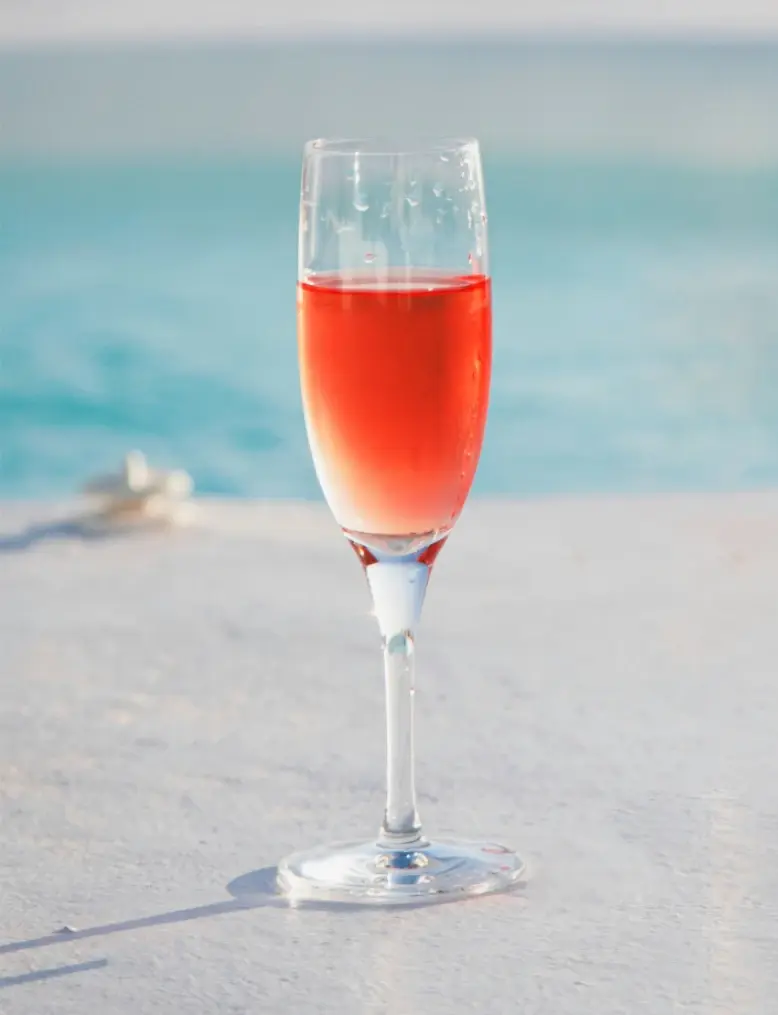
Whenever I join a gathering or apéro in France, there’s a Kir. Sometimes served in proper glasses, but even in a plastic cup in someone’s garden. That’s how embedded and common this little cocktail is here.
How much you enjoy it rather depends on who’s pouring. In the countryside it tends to be a heavy hand on the blackcurrent liqueur and not much wine, which is lovely, and also how you find yourself tipsy before the starter’s even out! At a smarter do, you might get a Kir Royal instead, with Champagne in place of the wine. Both are equally delicious, one just gets you there faster.
And I’ve honestly never been in a French house where there wasn’t a bottle of blackcurrent liqueur in the cupboard (yes, I have one too). Like butter, it just lives there, ready for whenever an unexpected apéro breaks out or guests turn up at the door. Fancy a French cocktail? This is the first one to learn!
Table of Contents
Where kir comes from
This famous cocktail began in Dijon, in Burgundy, as the blanc-cassis, which is simply the local dry white wine topped with the local blackcurrant liqueur. Two Burgundy products in one glass. It was popular in the cafés of Dijon well before it had its famous name.
That name came from Canon Félix Kir (1876–1968), a Catholic priest, a genuine hero of the French Resistance and the mayor of Dijon from 1945 until his death. As mayor, Félix Kir was fiercely proud of local produce, and he took to serving blanc-cassis at every official reception and to every visiting delegation, showing off two Burgundy specialities at once: the Aligoté wine and the crème de cassis. It worked. The drink became known as Canon Kir’s apéritif, then simply the Kir, and the name stuck for good. There’s a Lac Kir in Dijon named after him too, though sadly not filled with the drink.
The Kir Royal came later, swapping the still wine for something sparkling, originally Crémant de Bourgogne, Burgundy’s own fizz, rather than Champagne. The “Royal” is simply because bubbles feel that bit grander. One small thing worth knowing: in French it’s correctly spelled Kir Royal, without an “e” on the end. You’ll very often see it written “Kir Royale” in English, but now you know the proper version.
How people drink it in Burgundy
In Burgundy, there’s a bit of unspoken code around all this. If you walk into a bar in Dijon and order un blanc‑cass’, you’ll almost certainly be poured a kir. Locals rarely bother with the formal name. And if a bartender asks you un kir à quoi ? (“a kir with what?”), you’re probably not in Burgundy, because a kir is always blackcurrant. Peach liqueur with white wine is blanc‑pêche, cherry is something else again, but they’re not the official kir.
Ingredients
- Crème de cassis – The blackcurrant liqueur that makes a Kir a Kir. Sweet, deep purple, and the soul of the drink. A good Dijon one (the classic is from Burgundy) is worth it, since it’s most of the flavour. Don’t substitute blackcurrant syrup, it’s not the same.
- Dry white wine – For a still Kir. Bourgogne Aligoté is the traditional choice, bone dry and acidic, which is exactly what balances the sweet cassis. A dry Chablis or unoaked Chardonnay works beautifully too. It must be dry and well chilled.
- Sparkling wine – For a Kir Royal. Crémant de Bourgogne is the authentic choice, or Champagne, or any dry sparkling wine. Cold, and on the dry side (brut), since the blackcurrant liqueur brings the sweetness.
How to make kir
1. Add the cassis
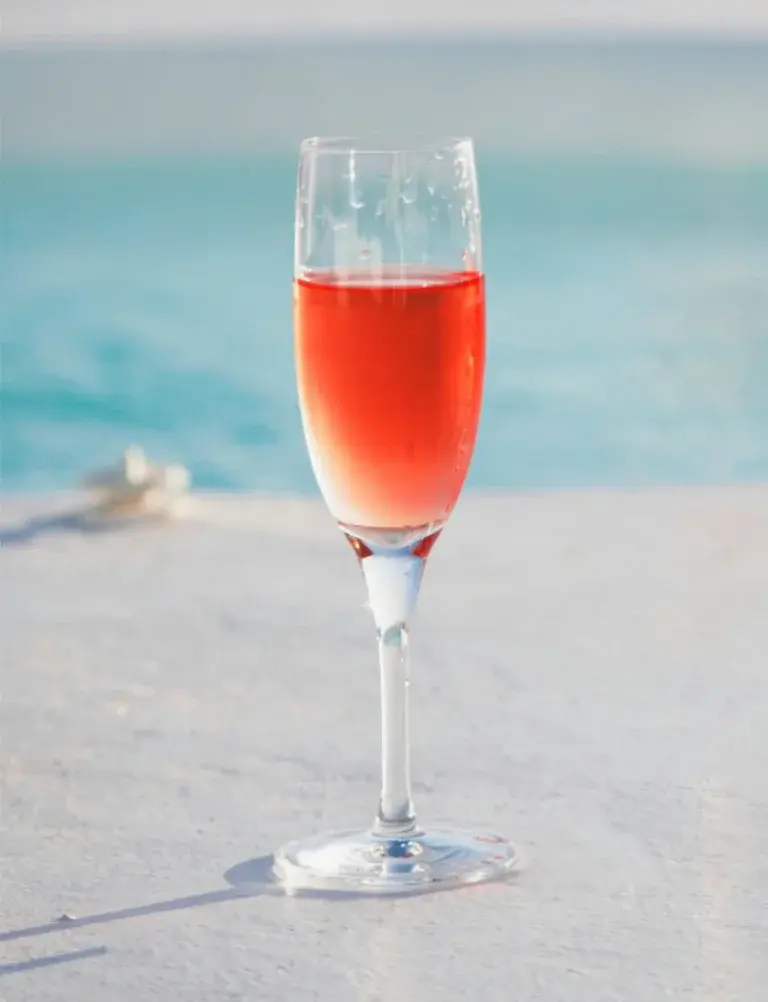
Pour the blackcurrant liqueur into the bottom of your flute champagne glass. About a tablespoon, or trust your eye for that pale-pink target. The liqueur is at room temperature, which is fine, the cold wine chills the whole thing.
2. Top with wine
Slowly top up with well-chilled dry white wine (for a Kir) or sparkling wine (for a Kir Royal). Pour gently, especially with fizz, so it doesn’t foam over. It’ll blend to an even blush pink as you pour. Don’t stir a Royal, you’ll knock the bubbles out. Serve straight away, cold.
Tools for this recipe
Check out my favorite kitchen essentials and cookware!
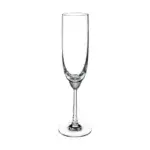
- Use fluted champagne glasses to serve your kir or kir royal in.
Tips for success
- Keep the wine cold: a Kir is served chilled since the liqueur goes in at room temperature. Warm wine makes a flat, sweet drink.
- Go easy on the blackcurrant liqueur: aim for a pale blush pink. Too much cassis makes it cloying, and a Kir is meant to be dry and refreshing. You can always add a drop more; you can’t take it out.
- Blackcurrant liqueur first, wine second: pour the liqueur in first, then top with wine, so it mixes evenly as you pour. The other way round leaves it sitting in a sludge at the bottom.
- Use a dry wine: the blackcurrant liqueur brings all the sweetness needed. A dry, acidic white (or brut sparkling) is what keeps the drink balanced. A sweet wine tips the whole thing over.
- Don’t overthink the fizz: for a Kir Royal you don’t need expensive Champagne, a good Crémant de Bourgogne is the authentic choice and the blackcurrent liqueur softens the wine anyway, so save the vintage stuff for drinking straight.
How to store it
- A Kir is an apéritif, first and foremost, the drink that opens a meal. Serve it cold, before dinner, with a few nibbles: olives, a bit of fougasse, some Camembert bites or a some savoury biscuits.
- The Kir Royal, with its bubbles, is the celebratory one. It’s lovely at a party, for a toast, or as a welcome drink when people arrive, prettier and a bit more festive than the still version. Either way, keep everything cold and pour just before serving.
More recipes to try
Variations
- Kir Impérial: Use French raspberry liqueur instead of blackcurrant, with sparkling wine. Fruity and pretty.
- Kir Breton (or Normand): swap the wine for dry Breton or Norman cider, a cider-country twist on the same idea.
- Cardinal (or Communard): use red wine instead of white with the blackcurrant liqueur. Deeper, richer, a cold-weather Kir.
- Other fruit liqueurs: In France you’ll be asked if you want your Kir with cassis, mûre (blackberry), pêche (peach) or framboise (raspberry). All work, so use your favourite.
FAQ
What is a Kir?
A Kir is a classic French apéritif from Burgundy: a small measure of crème de cassis (blackcurrant liqueur) topped with dry white wine, traditionally Bourgogne Aligoté. It’s dry, fruity and blush pink, and it’s served cold before a meal.
What’s the difference between a Kir and a Kir Royal?
The wine. A Kir uses still dry white wine; a Kir Royal uses sparkling wine (classically Crémant de Bourgogne, or Champagne). The Royal’s bubbles make it the more celebratory, festive version. Both use crème de cassis.
Is it “Kir Royal” or “Kir Royale”?
In correct French it’s Kir Royal, without an “e” (it’s named after Canon Félix Kir, a man). You’ll very often see “Kir Royale” in English, but Kir Royal is the proper spelling.
What wine is best for a Kir?
Traditionally Bourgogne Aligoté, a bone-dry, acidic Burgundy white that balances the sweet cassis. A dry Chablis or unoaked Chardonnay works well too. For a Kir Royal, use Crémant de Bourgogne, Champagne, or any dry (brut) sparkling wine. The key is that it’s dry and cold.
What’s the right ratio of cassis to wine?
Roughly 1 part crème de cassis to 4 or 5 parts wine, about a tablespoon of cassis per glass. Let the colour guide you: aim for pale blush pink, not deep purple. Too much cassis makes it cloying. Pour the cassis in first, then top with wine.
Can I make a Kir without alcohol?
Sort of. You can approximate it with blackcurrant cordial topped with a non-alcoholic sparkling wine or sparkling water, though it won’t be a true Kir. Keep it dry and not too sweet for the closest result.


 Prep Time 2 minutes
  Total Time 2 minutes
  Servings 1
Description
Ingredients
- 15 ml blackcurrant liqueur crème de cassis de Dijon
- 80 ml dry white wine any decent dry white wine
Equipment
Instructions
1. Add the blackcurrant liqueur
- Pour the blackcurrant liqueur into the bottom of a chilled glass: a small white wine glass for a Kir, a flute for a Kir Royal.
2. Top with wine
- Slowly top up with well-chilled dry white wine (Kir) or sparkling wine (Kir Royal). Pour gently so it doesn't foam, and let it blend to an even blush pink. Don't stir a Royal, or you'll lose the bubbles. Serve immediately.
Notes
- Aim for pale blush pink, not deep purple. Too much cassis makes it cloying. A Kir should be dry and refreshing.
- Blackcurrant liqueur first, then wine. Pouring the wine first leaves the cassis sitting at the bottom.
- Keep the wine cold. It chills the whole drink, since the cassis goes in at room temperature.
- For a Kir Royal, Crémant de Bourgogne is the authentic (and cheaper) choice, no need for vintage Champagne.
- Use a dry wine. The cassis brings the sweetness; a dry, acidic white or brut sparkling keeps it balanced.
Share your feedback and spread the love!
If you try this recipe, I’d love to hear how it turns out! Leave a ★★★★★ rating and your thoughts in the comments, it helps fellow French foodies discover this recipe too. Snap a photo and tag @obviously.french on Instagram. Come talk about it in our Facebook group. And don’t forget to save this recipe to Pinterest so you’ll always have it handy for your next French-inspired meal!