 October 8, 2025
Disclosure: This post may contain affiliate links which provide us a small commission when used for purchase. Please read my disclosure policy for more information. I am grateful for your support!
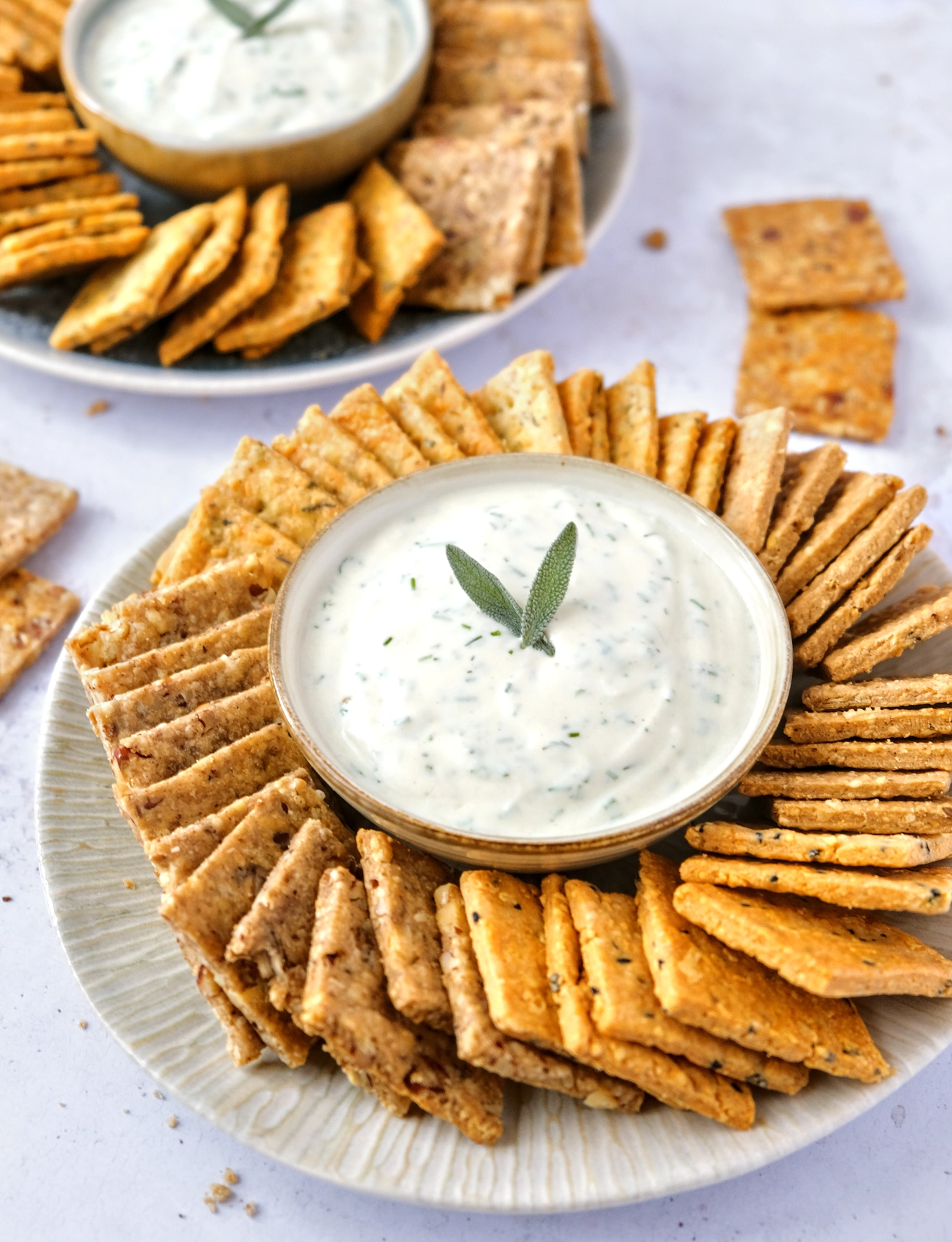
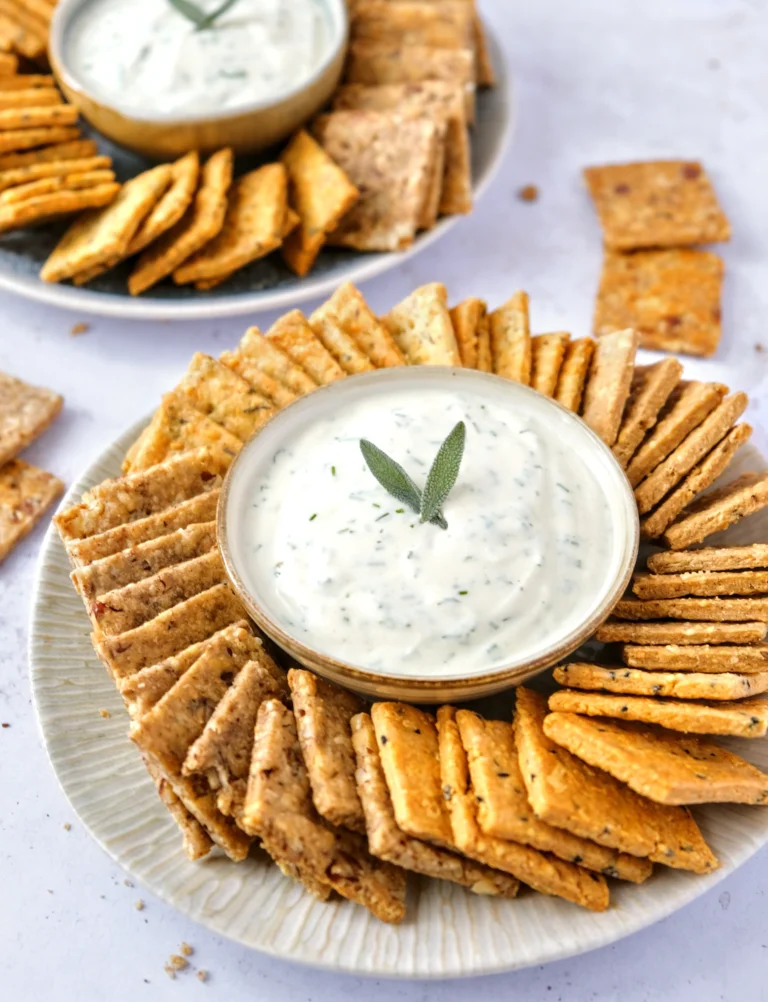
These savoury biscuits are the perfect addition to an apéro. They’re buttery, a little salty, and do exactly what good savoury crackers should do: carry a generous scoop of cervelle de canut or any spread you like, but are just as happy on their own with a glass of kir in hand. The texture is crumbly, rich, and slightly grainy from all the butter.
The dough is the same every time. Only the cheese and whatever goes in with it changes, which is why they are so fun and versatile to make! The perfect snap comes from chickpea flour. A quarter of the flour, no more, and it changes the biscuit completely.
Table of Contents
Where savoury biscuits come from
Shortbread began it’s life in medieval kitchens, when leftover bread dough was baked a second time into a hard, long lasting biscuit. Little by little, the yeast disappeared, butter took over, and what remained was the rich, crumbly biscuit that spread across Europe. In France, bakers refined this into the sablé, playing with the ratio of butter to flour and the mixing method until they landed on that particular short, sandy texture that just holds together until it reaches your mouth.
Savoury biscuits versions have been around for centuries, especially for the apéritif, the pre‑dinner moment of drinks and small bites that the French take seriously. Cheese biscuits, herb biscuits, seed biscuits all show up on the apéro table. They all start from the same idea: plenty of butter, just enough flour to hold it together, and a flavour bold enough to survive being baked into something this small.
Ingredients
- Plain flour – three quarters of the flour, which gives the biscuit its short, crumbling structure.
- Chickpea flour – the other quarter, and the thing that makes these different. It gives a cleaner break, a proper crunch that holds, and a faint nuttiness that suits hard cheese. Nice runs on chickpea flour, so this isn’t as odd a borrowing as it sounds.
- Cold unsalted butter – diced and rubbed in by hand. Cold is what gives you the short texture; soft butter makes a paste.
- Hard cheese – Comté, Gruyère or Parmesan, grated finely. This is the seasoning as much as the flavour, which is why the salt changes depending on which one you use.
- Fine sea salt – leave it out entirely with Parmesan, which brings plenty of its own.
- Black pepper – a quarter teaspoon, freshly ground.
- Cold water – 15 to 25ml, added last and slowly. How much you need depends on how wet your flavouring is.
Then one flavouring: nigella seeds, herbes de Provence, sage and sesame, fennel seeds, walnuts and thyme, or black olives. Quantities are in the section below.
How to make french savoury biscuits
1. Make the dough
Flour, chickpea flour and finely grated cheese into a bowl. Add the cold diced butter and rub it in with your fingertips until it looks like coarse breadcrumbs. Stir in your flavouring, the salt and the pepper, then add the cold water slowly until it comes together in a ball. Stop as soon as it holds.
2. Chill it for an hour
This firms the butter back up. Skip it and the dough tears when you try to roll it thin, which is the whole game here.
3. Roll thin, cut, fork
Roll it out to 2 or 3mm, thinner than feels right. Cut into 4cm squares with a knife, straight lines. Prick each one a few times with a fork, then lift them onto a tray lined with parchment paper.
4. Bake at 160°C and flip halfway
Fifteen to eighteen minutes, turning each biscuit over at around the eight minute mark. Then onto a rack to cool completely, because they crisp as they cool.
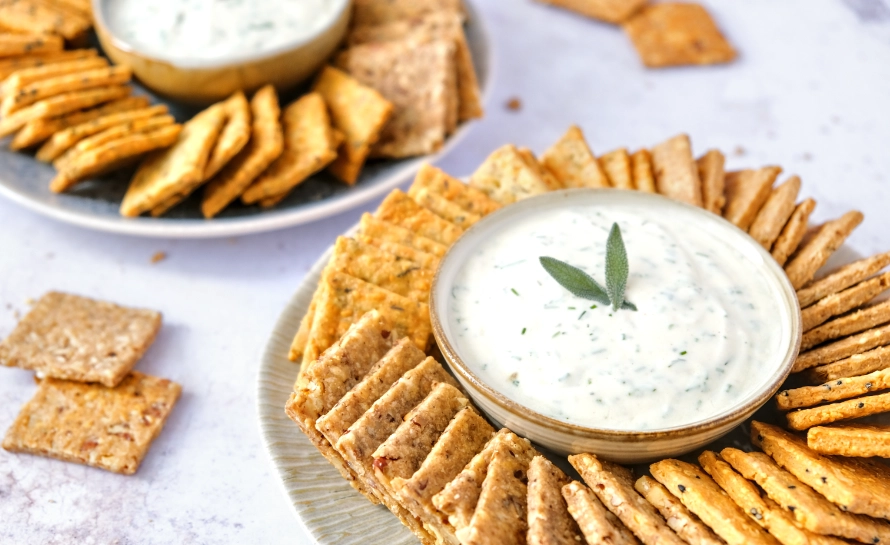
Five flavour combinations
Same dough every time. Only the cheese, the flavouring and a small adjustment to salt and water.
Gruyère + Nigella seeds
☐ 50g Gruyère, finely grated
☐ 8g nigella seeds
☐ Salt and pepper as the base
☐ 20 to 25ml water
Nigella is the one people ask about. Faintly oniony, a little bitter, and it looks brilliant against the pale dough, which counts for something when there’s a plate of these on the table. Gruyère is milder than Comté and lets the seeds do the talking.
Comté + Herbes de Provence
☐ 50g Comté, 18 to 24 month, finely grated
☐ 1½ tsp herbes de Provence
☐ No extra pepper
☐ 10 to 15ml water
Less water than the others, because dried herbs and a well-aged Comté already carry plenty of oil. Start at 10ml and stop the moment the dough comes together. This is the most classic-tasting of the five, and the one to make if you’re only making one.
Parmesan + sage + sesame
☐ 50g Parmesan, finely grated
☐ 1 tbsp fresh sage chopped very fine, or 2 tsp dried
☐ 15g toasted sesame seeds
☐ 40g butter instead of 35g
☐ 20 to 25ml water
Two changes here. Parmesan is salty enough on its own, so the salt comes out entirely, and the extra 5g of butter makes up for how dry Parmesan is next to the alpine cheeses. Chop the sage finer than you think you need to, or the bigger pieces catch and turn bitter.
Comté + fennel
☐ 50g Comté, finely grated
☐ 1½ tsp fennel seeds, toasted and lightly crushed
☐ 20 to 25ml water
Crush the seeds so they split rather than powder. Toasting both the fennel and the chickpea flour gives this one a warmth the others don’t have. It’s the one I’d put next to a glass of something white and slightly oxidative.
Comté + walnut
☐ 50g Comté, finely grated
☐ 35g walnuts, toasted and finely chopped
☐ 15 to 20ml water
The richest of the five. Walnut oil comes out of the nuts as they bake and shortens the dough further, so keep the water at the low end. Chop the walnuts fine, or the biscuits break along the pieces.
Tools for this recipe
Check out my favorite kitchen essentials and cookware!
- Use a rolling pin and roll between two sheets of baking paper if the dough is sticking, which saves adding extra flour and drying it out.
- Use a grater on its fine side. Pre-grated cheese carries anti-caking starch and doesn’t distribute the same way.
- Use a cooling rack, because the biscuits crisp as they cool and steam trapped underneath will soften them.
- Use a round cutter set if you’d rather have rounds than squares.
Tips for success
- Roll them thinner than feels right: 2 to 3mm. I started thicker and the centres stayed soft. Thinner is what gives you the snap.
- Fork them before baking: A few holes in each biscuit stops them lifting in the middle and helps them dry through.
- Grate the cheese finely: Coarse shreds leave gaps in the dough and catch at the edges. The finer the grate, the more evenly the cheese seasons the biscuit.
- Keep the butter cold: Cold butter in small pieces gives the short, sandy break. If your kitchen is warm, dice it and put it back in the fridge while you weigh everything else.
- Add the water last and slowly: Fresh herbs bring their own moisture, so you need less. Toasted seeds and nuts bring none, so you may want the full 25ml.
- Turn them over halfway. Fat from the cheese and butter pools at the base as they bake, so the underside colours faster than the top. Flipping at eight minutes evens both sides.
- Bake low: 160°C is well below what most sablé recipes tell you, and it’s deliberate. Hot and fast browns the cheese before the biscuit has crisped through.
- Let them cool completely: They firm up on the rack, so don’t judge the texture straight out of the oven.
How to store it
- In an airtight tin: They keep four to five days at room temperature. They soften a little after day two, but three minutes in a low oven brings the crispness straight back.
- In the freezer, baked: Cool them completely, then freeze in an airtight container for up to three months. Eight minutes in a low oven and they taste as though they’ve just come out.
- In the freezer, as dough: Roll the dough into a log or rectangle, wrap it tightly and freeze. Slice straight from frozen onto the tray and add a minute or two to the bake. This is the one I use now, because it means six different doughs in the freezer and a mixed plate on the table twenty minutes after anyone turns up.
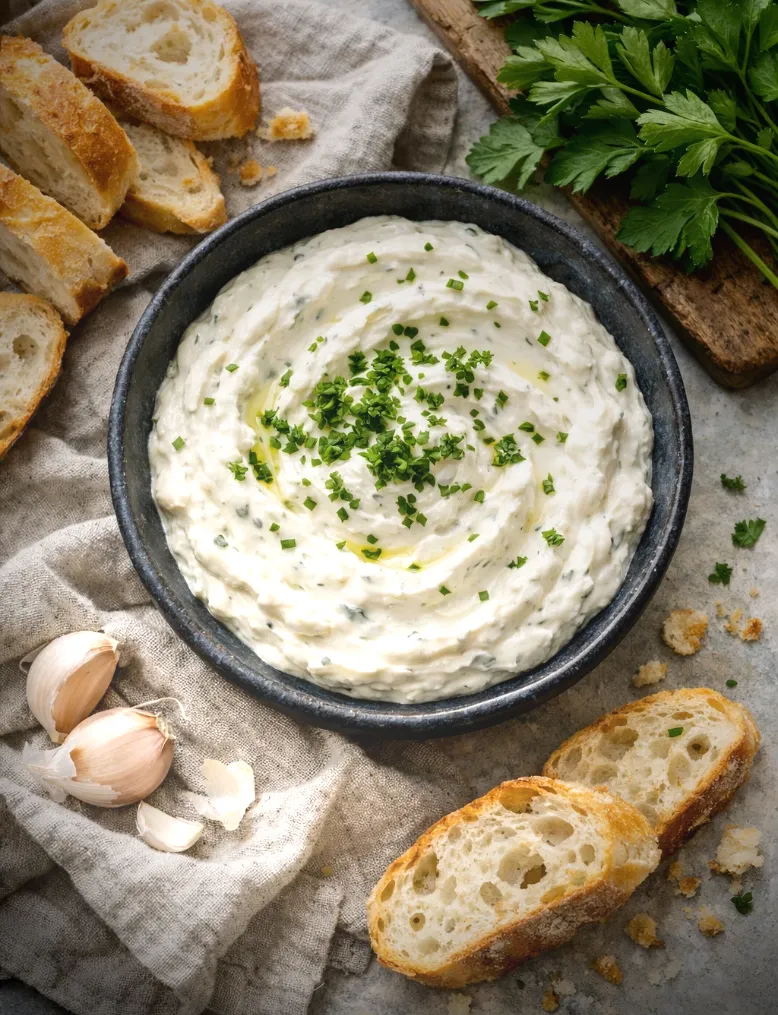
More appetizers recipes to try
→ Rillettes de thon (Tuna Spread)
Variations
- Cut them into rounds: stamp them out with a 4cm cutter for the classic sablé shape, which looks neater on a board but leaves you re-rolling scraps.
- Without chickpea flour: use 100g plain flour instead of the 75g and 25g split and reduce the water by about 5ml. Shorter and more crumbly, but you lose the snap.
- With poppy or caraway seeds: both work in place of nigella, caraway leaning more towards northern and eastern France.
- With piment d’Espelette: a quarter teaspoon in place of the black pepper, for gentle heat rather than sharpness.
- With Roquefort: crumbled rather than grated, at 40g rather than 50g. Strong, and no salt at all.
- Larger, for a cheese board: cut to 6cm and add two or three minutes to the bake.
FAQ
Can I make savoury biscuits without chickpea flour?
Yes. Use 100g plain flour in place of the 75g and 25g split, and reduce the water by around 5ml. The biscuits will be shorter and more crumbly, closer to a classic sablé. What you lose is the clean snap and the faint nuttiness, which is the main reason the chickpea flour is there.
Which cheese is best for savoury biscuits?
Any hard, aged cheese that grates finely. Comté at 18 to 24 months has the most depth, Gruyère is milder and lets other flavours through, and Parmesan is the driest and saltiest, so it needs a little more butter and no added salt. Soft cheeses release water and the dough won’t hold.
Why do you have to flip them halfway through?
Fat from the cheese and butter pools at the base of each biscuit as it bakes, so the underside browns much faster than the top. Turning them at around eight minutes evens the colour and lets the middle dry through. Skip it and you get a dark bottom and a soft centre.
How long do savoury biscuits keep?
Four to five days in an airtight tin at room temperature, and about three months in the freezer either baked or as raw dough. A few minutes in a low oven restores the crispness if they’ve softened.
Can I make the dough in a food processor?
Yes, and it’s quicker. Pulse the flours, cheese and butter until it looks like breadcrumbs, add the flavouring, then trickle in the water with the motor running and stop the moment it clumps. The risk is overworking, which makes the biscuits tough rather than short.
Can these be made ahead for a party?
They’re one of the better make-ahead apéro recipes. Freeze the dough in logs, then slice and bake straight from frozen on the day, which takes about twenty minutes start to finish. Baked biscuits also freeze well and reheat in eight minutes.


 Prep Time 20 minutes
  Cook Time 12 minutes
  Total Time 32 minutes
  Servings 30 biscuits
Description
Ingredients
Base dough
- 75 gr plain flour
- 25 gr chickpea flour
- 35 gr unsalted butter cold and diced
- 50 gr hard cheese Comté, Gruyère or Parmesan
- 2 gr salt fine or flaky salt
- 15-25 ml water cold
- black pepper to taste
Gruyère + Nigella seeds
- 8 gr nigella seeds (with Gruyère)
Comté + Herbes de Provence
- 1½ tsp Herbes de Provence (with Comté)
Parmesan + Sage + Sesame
- 1 tbsp fresh sage finely chopped
- 15 gr toasted sesame seeds
Comté + Fennel Seeds
- 1½ tsp fennel seeds toasted and lightly crushed
Equipment

Instructions
1. Combine the flours and cheese
- In a large mixing bowl, combine the plain flour, chickpea flour and finely grated cheese.
2. Rub in the butter
- Add the cold diced butter and rub it into the dry ingredients with your fingertips until the mixture resembles coarse breadcrumbs.
3. Add the flavouring and seasoning
- Stir in your chosen flavouring, the salt and the black pepper. Leave the salt out if you are using Parmesan.
4. Bind the dough
- Add the cold water a little at a time, mixing gently with a fork or your hands until the dough forms a smooth ball. Use less water for wetter flavourings. Avoid overworking.
5. Chill the dough
- Wrap the dough and refrigerate for 1 hour to firm up.
6. Preheat the oven
- Set the oven to 200°C (fan/gas mark 6).
7. Roll, cut and fork
- On a lightly floured surface, roll the dough to 2-3 mm thickness. Cut into 4 cm squares. Prick each biscuit a few times with a fork.
9. Bake
- Place the biscuits spaced evenly on a baking tray lined with parchment paper. Bake for 15 to 18 minutes, turning each biscuit over halfway through.
9. Cool
- Transfer to a cooling rack and cool completely before serving!
Notes
- Adjust the water to the flavouring. Cheese and fresh herbs bring moisture, so start low. Toasted seeds and nuts don’t, so you may need the full 25ml.
- Parmesan versions need no added salt and benefit from 40g butter rather than 35g.
- Toasting the chickpea flour in a dry pan for two to three minutes adds warmth. Cool it before using.
- The butter must be cold for the right short texture.
- Freeze baked, or as a wrapped dough log. Slice frozen dough straight onto the tray and add a minute or two to the bake.
Share your feedback and spread the love!
If you try this recipe, I’d love to hear how it turns out! Leave a ★★★★★ rating and your thoughts in the comments, it helps fellow French foodies discover this recipe too. Snap a photo and tag @obviously.french on Instagram. Come talk about it in our Facebook group. And don’t forget to save this recipe to Pinterest so you’ll always have it handy for your next French-inspired meal!