 April 7, 2026
Disclosure: This post may contain affiliate links which provide us a small commission when used for purchase. Please read my disclosure policy for more information. I am grateful for your support!
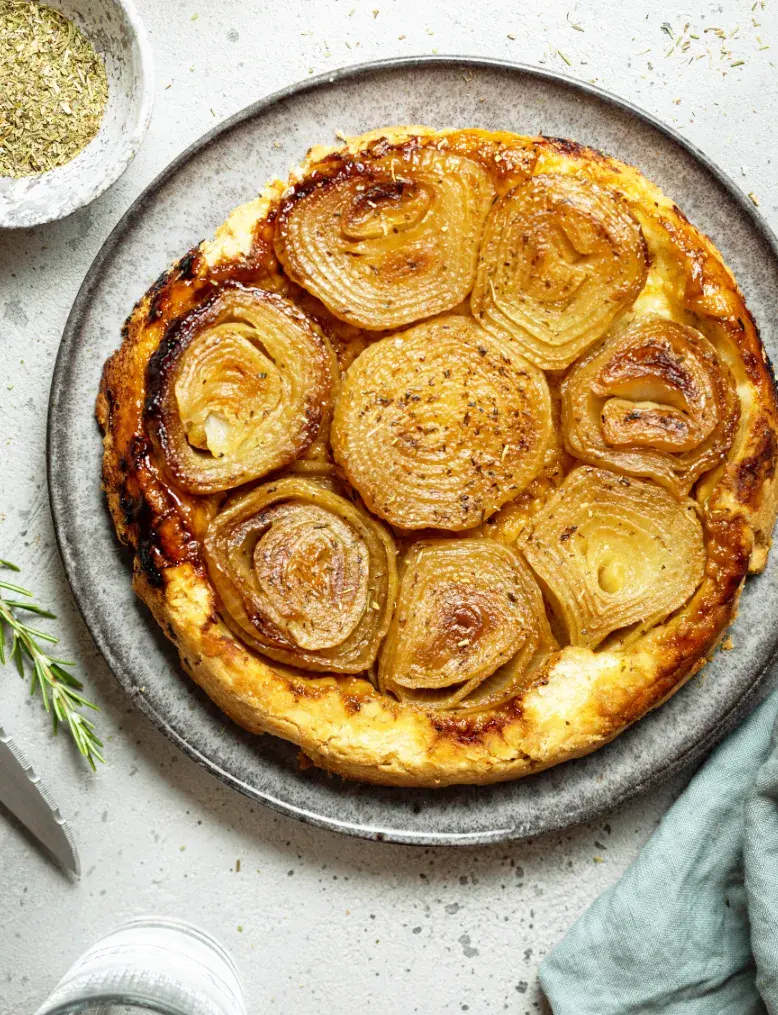
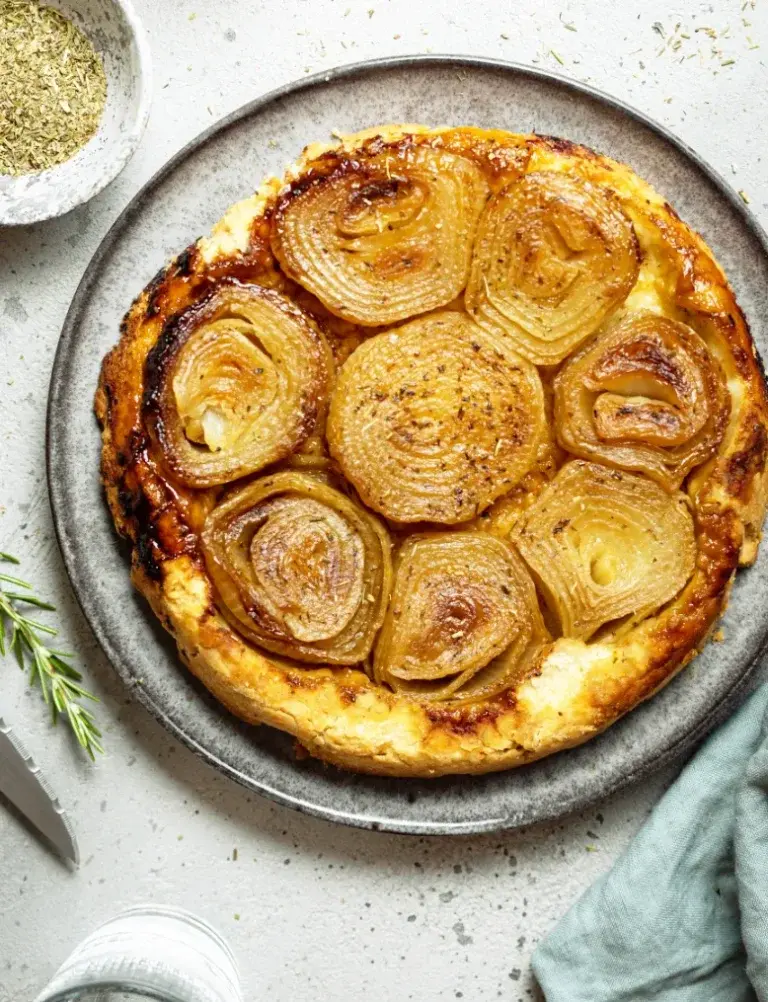
Yes, another tarte tatin! Because once you’ve tasted one you really can’t stop. This time it’s onions.
Now, I know onions might put some people off at first, but hear me out. Just like in a French onion soup, the onions cook down until they’re sweet, jammy and fragrant, nothing at all like the raw ones that make you cry over the chopping board. So don’t picture raw onion, picture soft, sticky, caramelised sweetness under crisp pastry.
If you loved the leek tart, you’re going to love this one too, for sure. It’s lovely all on its own, or the way I like it, with a bit of goat’s cheese on the side to cut through the sweetness a nice glass of red wine like a Côtes du Rhône alongside. And as always, be generous with the French butter to make this recipe!
Table of Contents
Where onion tarte tatin comes from
This is a savoury spin on the classic tarte tatin, the upside-down caramelised apple tart that came out of the Loire Valley thanks to the Tatin sisters and their happy kitchen accident. (I tell that whole story over on my tarte tatin recipe, so I won’t repeat it all here.)
The method’s the same, whatever’s in the pan: you cook the filling in butter and sugar in the base of the pan, lay pastry over the top, bake, and flip it out so the caramelised layer ends up on top. Swap the apples for onions and a little sugar for caramel, and you get something deeply savoury instead of sweet. The slow-cooked onions go jammy and sweet on their own, and that sweetness against the crisp, buttery pastry is what makes this work so well.
Ingredients
- Onions – You want them all roughly the same size so they cook evenly. Regular brown onions are perfect, or red onions for a slightly sweeter, prettier result. Halved or thickly sliced so they hold together.
- Butter – For caramelising the onions. It carries the flavour and helps them go golden and sticky.
- Sugar – A little, to help the caramelisation along. Not much, since the onions bring their own sweetness.
- Balsamic or sherry vinegar – A splash, to balance the sweetness with a bit of sharpness. It stops the whole thing being one-note.
- Thyme – Fresh, tucked in with the onions. It suits them beautifully and cuts the richness.
- All-butter puff pastry – The lid. A ready-rolled sheet is fine, no one makes their own for this. All-butter is worth it for the flavour and crisp.
- Optional cheese – A little crumbled goat’s cheese or blue cheese over the top after the flip is a lovely addition.
How to make onion tarte tatin
1. Caramelise the onions
Melt the butter with the sugar in your ovenproof pan, then lay the onions in cut-side down, packed snugly. Let them cook without fiddling until deeply golden underneath, then add the vinegar and thyme and let it bubble and reduce. This is the stage that makes the tart, so don’t rush the colour. Pale onions make a pale, flat tart; properly caramelised ones go sweet, sticky and glossy. Season well.
2. Top with pastry and bake
Take the pan off the heat and let it cool for a minute (so you’re not draping pastry onto a screaming-hot pan). Lay the puff over the onions, tucking the edges down inside the pan around them, so it wraps them in. Prick it a few times to let steam escape. Then into a hot oven until the pastry’s puffed, deep golden and crisp.
3. Rest, then flip
Let it sit for five minutes out of the oven, which makes the flip far easier and lets the caramel settle. Then the moment of truth: wear dry, grippy oven mitts, since the pan is hot and heavy, hold a board or large plate firmly over the pan, and flip it in one decisive motion, not slowly. Lift the pan off. If any onions stuck, just lift them out and pop them back in place. Scatter over cheese or extra thyme if you like, and serve warm.
Tools for this recipe
Check out my favorite kitchen essentials and cookware!
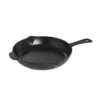
- Use a cast iron skillet (about 26cm) to caramlise and bake the onion tarte tatin.
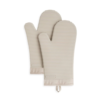
- I use grippy oven mitts to flip the tart since the pan is hot and heavy.
Tips for success
- Get proper colour on the onions: let them sit undisturbed against the hot pan until deeply golden before you touch them. Pale onions make a pale, flat-tasting tart.
- Let the pan cool a minute before the pastry: draping puff onto a pan straight off a hot hob starts melting the butter in the pastry before it bakes. Give it a moment.
- Tuck the pastry edges in: fold the overhanging pastry down inside the pan around the onions. It wraps them in, and once flipped it makes a neat little rim to hold everything.
- Flip with total commitment: use grippy mitts, board or plate held tight against the pan, one decisive motion. Hesitate and the hot caramel runs and the onions shift. And mind yourself, the pan and the caramel are very hot!
- Don’t skip the vinegar: a splash of balsamic or sherry vinegar cuts the sweetness of the caramelised onions and keeps the tart from tasting one-note.
How to store it
- An onion tarte tatin is best warm from the oven, when the pastry’s at its crispest. But it keeps better than you’d expect, so leftovers are no waste.
- Cover and keep it in the fridge for up to 2 days. The pastry softens a little, so it’s best re-crisped in a hot oven for 5 to 10 minutes rather than eaten fridge-cold or microwaved. It’s genuinely good at room temperature too, which makes it handy for a buffet or a picnic.
- I wouldn’t freeze it once assembled, since puff pastry goes from crisp to sad after freezing and the onions weep. It’s a make-it-and-eat-it (or next-day-lunch) sort of tart.
Variations
- Less sugar: the onions are naturally sweet once caramelised, so you can drop the added sugar right back or leave it out altogether, and just let the slow cooking bring out their sweetness. A splash more vinegar keeps it balanced. It’ll be a touch less sticky, but no less good, and more savoury, which many people prefer here.
- Swap the sugar for honey: a tablespoon of honey in place of the sugar gives the caramelised onions a rounder, more floral sweetness and a lovely glossy finish. It works beautifully with the goat’s cheese, and pairs especially well if you’re adding thyme. Just watch it a little more closely as it caramelises, since honey catches and burns faster than sugar.
- Add cheese: crumbled goat’s cheese, blue cheese, or a scatter of grated Gruyère over the onions (before the pastry, or after the flip) makes it richer. Goat’s cheese especially is a classic match.
- Red onions: use red onions for a sweeter, deeper-coloured, slightly jammier tart.
- Add balsamic-glazed figs or pear: a few slices tucked among the onions for a sweet-savoury autumn version.
- Herbs and spice: swap the thyme for rosemary, or add a pinch of chilli flakes, or a few caraway seeds for a different edge.
- Make it a full meal: serve with a sharp green salad and it’s a proper light lunch or supper, the salad cuts the richness.
FAQ
What is an onion tarte tatin?
It’s a savoury upside-down tart: onions caramelised in the base of a pan, topped with puff pastry, baked, and then flipped over so the glossy caramelised onions end up on top. It’s the savoury cousin of the classic apple tarte tatin.
Can I make an onion tarte tatin ahead of time?
Partly. You can caramelise the onions in the pan a few hours ahead and leave them there, then top with pastry and bake when you need it. Don’t flip it until just before serving, since it’s best warm with crisp pastry. Assembled leftovers keep 2 days and re-crisp in a hot oven.
Why do you flip a tarte tatin?
Because the filling cooks in the base of the pan while the pastry bakes on top, keeping the pastry crisp and letting the onions caramelise against the heat. Flipping it out puts the glossy caramelised onions on top and the crisp pastry underneath.
What onions are best for an onion tarte tatin?
Regular brown onions are ideal, they caramelise beautifully and go properly sweet and sticky. Red onions work too for a sweeter, prettier result. Choose onions of a similar size so they cook evenly, and halve or thickly slice them so they hold their shape.
Do I have to flip it?
For the proper tatin effect, yes, the flip is what puts the caramelised onions on top. But if your nerve fails, you can serve it straight from the pan, pastry-side up, and spoon it out. It won’t look as stunning, but it’ll taste exactly the same.


 Prep Time 20 minutes
  Cook Time 1 hour
  Total Time 1 hour 20 minutes
  Servings 4
Description
Ingredients
For the caramelized onions
- 1 kg onions yellow, red, or sweet
- 40 gr unsalted butter
- 1 tbsp sugar
- 50 ml balsamic vinegar or sherry vinegar
- few sprigs thyme
- 1 sheet all-butter puff pastry
- salt and black pepper
Equipment
Instructions
1. Caramelise the onions
- Heat the oven to 200°C (180°C fan). Melt the butter with the sugar in the skillet over medium heat. Lay the onions in cut-side down, packed snugly. Cook undisturbed for 12 to 15 minutes, until deeply golden underneath.
2. Deglaze and season
- Add the vinegar and thyme and let it bubble and reduce for a minute. Season well with salt and pepper. Take off the heat and let the pan cool for a minute.
3. Top with pastry
- Lay the puff pastry over the onions, tucking the edges down inside the pan around them. Prick a few times with a fork.
4. Bake
- Bake for 25 to 30 minutes, until the pastry is puffed, deep golden and crisp.
4. Flip
- Let it rest for 5 minutes. Wearing dry, grippy oven mitts, place a board or large plate over the pan, hold firmly, and flip in one decisive motion. Lift the pan off. Replace any onions that stuck.
5. Serve
- Scatter over crumbled cheese or extra thyme if you like. Serve warm, cut into wedges, with a green salad.
Notes
- Get proper colour on the onions before topping with pastry. Pale onions make a pale tart.
- Let the pan cool a minute before the pastry, so the butter in it doesn’t start melting.
- Flip with confidence: dry grippy mitts, board held tight, one decisive motion. The pan and caramel are very hot.
- Don’t skip the vinegar. It balances the sweetness of the caramelised onions.
- Best warm. Re-crisp leftovers in a hot oven; don’t microwave, or the pastry goes soft.
Share your feedback and spread the love!
If you try this recipe, I’d love to hear how it turns out! Leave a ★★★★★ rating and your thoughts in the comments, it helps fellow French foodies discover this recipe too. Snap a photo and tag @obviously.french on Instagram. Come talk about it in our Facebook group. And don’t forget to save this recipe to Pinterest so you’ll always have it handy for your next French-inspired meal!