Reblochon, Mont d’Or and 2 Other Soft Alpine Cheeses You Need
Introduction
Reblochon tastes and smells different from Époisses or Munster because the mountains change how cheese develops, and it’s not complicated once you know where to look. Lowland washed-rind cheeses develop that aggressive pungency partly because of where they’re made, warm valleys, warmer aging cellars, aggressive microbial activity. Up in the Alps, above 700 meters in the Savoie, Haute-Savoie, and Jura regions, the conditions work differently. The air is cooler. The cellars are natural mountain caves where temperature and humidity stay stable year-round. The bacteria and molds that break down the cheese move more slowly. And the milk itself is different, richer, more complex because the cows graze on Alpine pastures where the flora is specific to altitude.
The result is a set of five washed-rind cheeses, properly aged but gentler and creamier than their lowland cousins. Reblochon is the one everyone knows, but it’s not the only one worth knowing. Once you spend time with these cheeses, the differences become obvious. You learn which one works on a cheese board, which one gets baked and which one you can only get for part of the year.
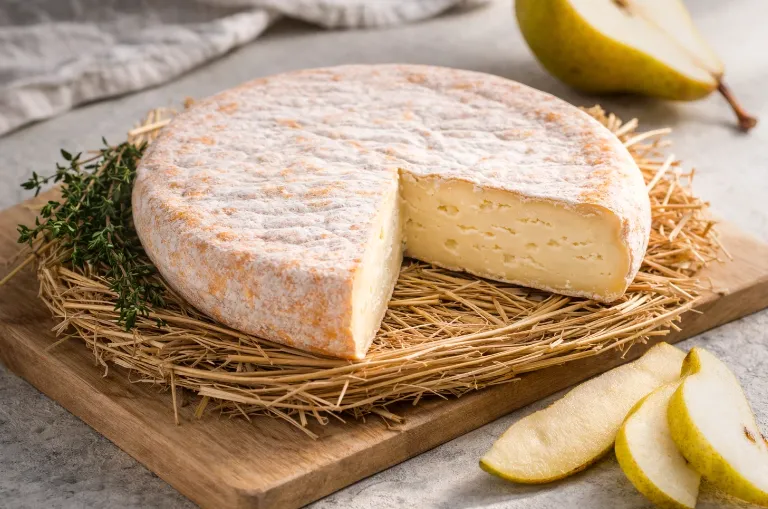
Reblochon
Made in
Haute-Savoie and Val d’Arly, Savoie
Milk
Raw cow’s milk
Aged
6-8 weeks
AOP/PDO Status
Yes (AOC since 1958, AOP since 1992)
Fat content
45% minimum
Origin and Production
Reblochon comes from the Aravis mountains and has been made since the 13th century. The name has a pretty amazing story. It comes from the Savoyard word “reblocher,” meaning to milk again. Historically, tenant farmers were taxed by landowners based on milk production, so they milked their cows twice, once for the official measure, once for themselves! The second milking produced richer milk that became Reblochon. Each small wheel weighs between 450-550 grams. The AOC requires milk come from cows grazing only in the Aravis mountains, with production strictly controlled. It’s one of France’s second-largest AOP cheeses by volume, with around 16,000 tons produced yearly.
Taste and Texture
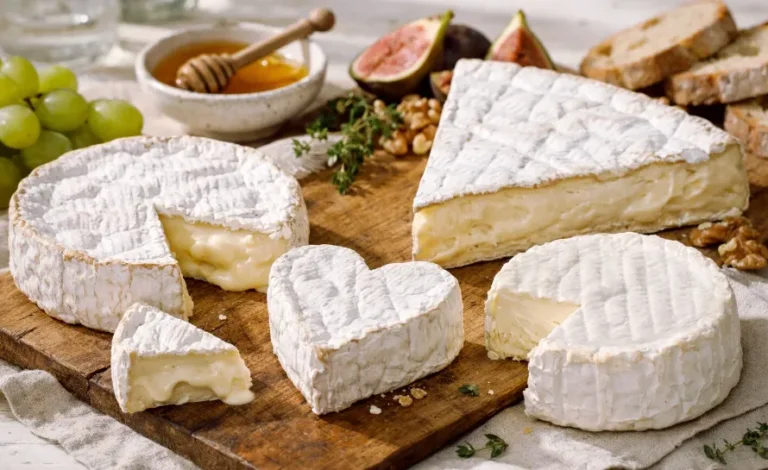
Reblochon is creamy and supple with a gentle nutty flavor and subtle fruity notes. The texture becomes almost runny when properly ripe, with a smooth, velvety consistency. The washed rind is orange-gold with a slight stickiness, contributing earthy mushroom notes. Unlike aggressive washed rinds, the aroma is pleasant and inviting and earthy. The flavor is refined and balanced, not overwhelming.
Culinary Uses
Essential in Tartiflette! And also served at room temperature on cheese boards with crusty bread and Savoie white wine. You can also bake it whole with garlic and herbs. The creamy texture makes it perfect for melting while maintaining depth of flavor.
Seasonal Availability
Year-round, though traditionally best from summer through autumn when Alpine milk is richest.
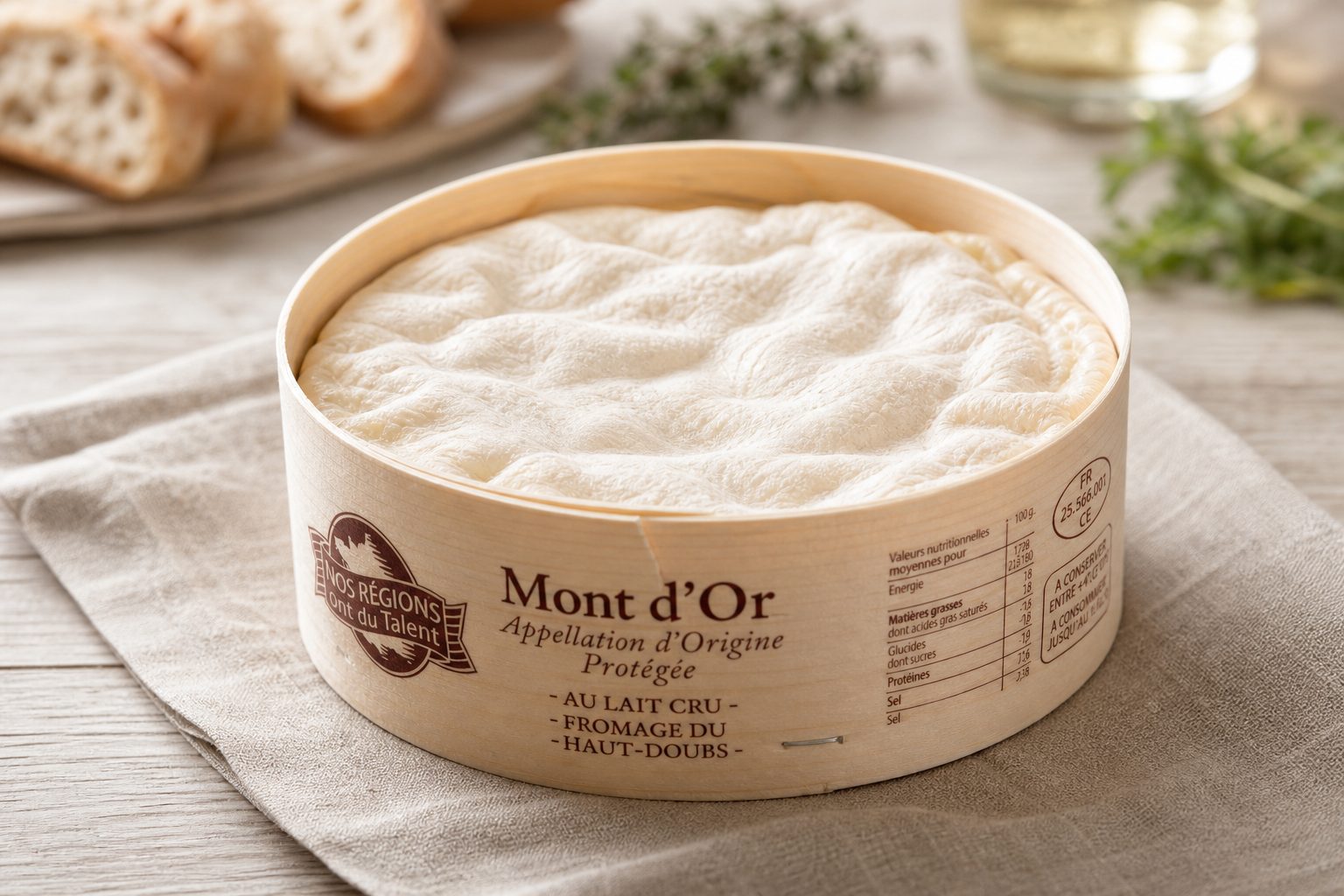
Mont d’Or
Made in
Doubs and Jura regions (Franco-Swiss border)
Milk
Raw cow’s milk
Aged
Minimum 17 days (typically 5-7 weeks)
AOP/PDO Status
Yes (AOC since 1981, AOP since 1996)
Fat content
45-50%
Origin and Production
Mont d’Or is one of France’s most spectacular seasonal cheeses. Production is allowed only between August 15 and March 15 each year, and the cheese cannot be sold before September 10 (mid-September). It’s traditionally made in winter when cows descend from summer mountain pastures. The cheese is wrapped in a strip of Norway spruce bark (épicéa) collected from the Jura forests, which imparts a distinctive resinous quality and helps preserve it.
Taste and Texture
Mont d’Or is extraordinarily creamy and luxurious, almost spreadable when properly ripe. The flavor is complex with woody notes from the spruce balanced by rich creaminess and subtle mushroomy undertones. The texture near the rind becomes almost liquid when fully aged, while the center remains slightly firmer. The bark contributes pleasant aromatic notes and a subtle bitterness that enhances the overall complexity. When young it’s more structured; fully ripe it becomes nearly spoonable.
Culinary Uses
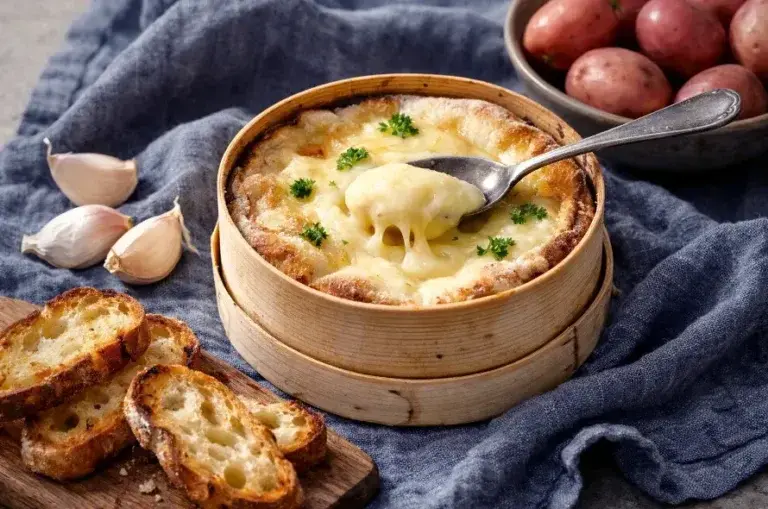
Traditionally served bubbling hot in its wooden box out of the oven, the top rind is scraped away and the soft interior scooped out onto toasted bread, potatoes or eaten with a spoon. You can bake it with white wine or with garlic and thyme. Some enjoy it at room temperature on its own, but the baked preparation is the regional tradition. It pairs beautifully with Jura whites or light reds.
Seasonal Availability
Strictly seasonal: mid-September to mid-May only. So make sure to look out for it.
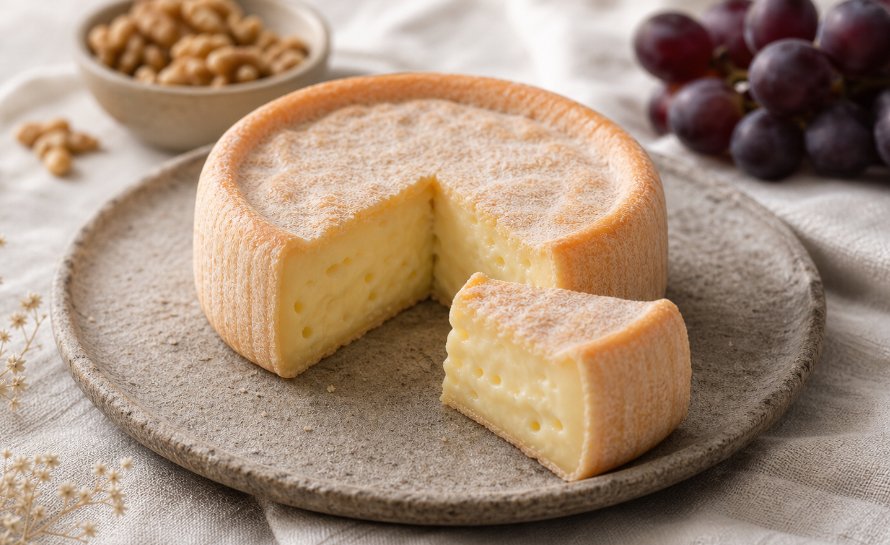
Chevrotin
Made in
Haute-Savoie (Aravis, Bauges, Chablais districts)
Milk
Goat’s milk, raw and unpasteurized
Aged
3 weeks minimum
AOP/PDO Status
Yes (AOC since 2002, AOP since 2005)
Fat content
45% minimum
Origin and Production
Chevrotin has been produced since the 17th century in the Alpine foothills of the Savoyard mountains. It follows the same production method as Reblochon but uses goat’s milk instead of cow’s milk, making it the Alpine answer to its famous cow-milk cousin. The cheese must be made as a farmstead cheese using raw milk from a single herd of at least 80 percent Alpine goats (primarily the Alpine Chamoisée breed), which graze at high altitude on the steep, harsh Alpine terrain. Only 22 producers make official Chevrotin, resulting in extremely limited production of about 70 tons per year. Each small wheel is handmade, matured on spruce boards, and regularly washed during a 3-week aging period.
Taste and Texture
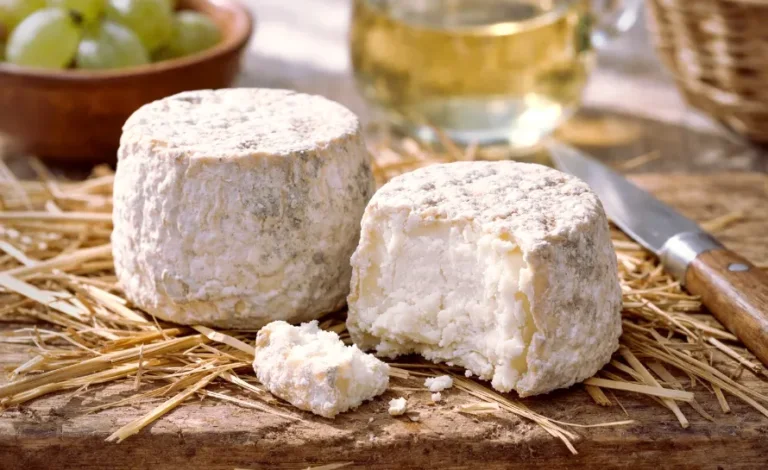
Chevrotin is a small, delicate cheese (9-12 cm diameter, 250-350g) with a distinctive pinkish rind covered in fine white mold. The paste is soft, creamy, and slightly elastic with a pale ivory color. The flavor is a harmonious balance of sweet and tangy with subtle notes of Alpine herbs and flowers. Unlike sharper goat cheeses, Chevrotin has a refined, lactic tang combined with hints of caramel and nuts. The aroma is subtly tangy with pronounced Alpine herb notes and a gentle goaty character. The finish is clean and refreshing rather than aggressive.
Culinary Uses
Best enjoyed at room temperature on cheese boards, paired with crisp, fruit-forward white wines from Savoie or light reds. Excellent with fresh fruit, nuts, and crusty bread. The delicate flavor profile and small size make it ideal for single servings or intimate presentations. Some enjoy it with radishes or pickled vegetables to complement the subtle tanginess.
Seasonal Availability
Summer and early autumn, when the Alpine goats are grazing on mountain pastures. Production is most abundant and flavor most complex from spring and summer milk.
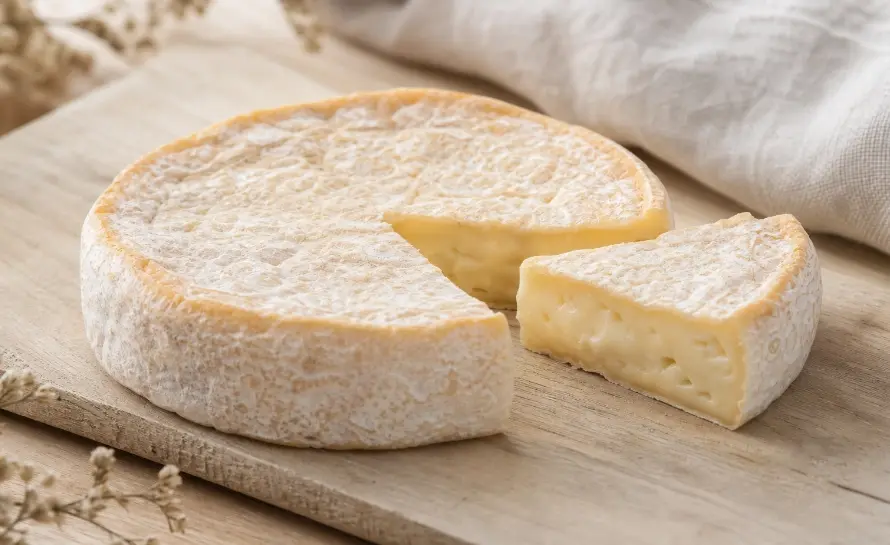
Abbaye de Tamié
Made in
Savoie (Bauges mountains, Plancherine)
Milk
Cow’s milk, raw and unpasteurized
Aged
4 weeks minimum
AOP/PDO Status
No
Fat content
51-53%
Origin and Production
Abbaye de Tamié is made by Cistercian monks at the Abbey of Tamié in the Bauges mountains, a monastic cheesemaking tradition dating back to 1132. Cheesemaking ceased during the French Revolution but was revived in the 19th century when the monks began small-scale production again. Today the monks produce approximately 400 kg of cheese daily from milk supplied by local farmers in the region. The cheese is made using raw, whole, unpasteurized milk with natural rennet and ferments cultivated at the abbey itself. It’s pressed but not cooked, developing a saffron-colored crust covered with fine white down. The cheese comes in two formats: the Petit Tamié (580-600g) and the Grand Tamié (1.4-1.5kg).
Taste and Texture
Abbaye de Tamié is creamy and rich with a subtle, refined flavor featuring gentle nutty notes and hints of Alpine herbs from the pastures. The texture is smooth and supple, becoming increasingly creamy near the rind with age. The saffron-colored rind develops an attractive white bloom and contributes pleasant earthy notes without aggression. The paste is pale yellow to ivory, uniformly creamy and soft. The flavor is contemplative and balanced, refined but genuinely monastic in its restraint.
Culinary Uses
Best served at room temperature on cheese boards with crusty bread and local Savoie wines. The monks recommend pairing it with neighboring cheeses and local wines to appreciate the Alpine terroir connection. Suitable for gentle cooking applications, melted into creamy sauces or used to top simple Alpine dishes. Often enjoyed as part of a monastic meal tradition, pairing food and cheese deliberately and respectfully.
Seasonal Availability
Year-round, though availability can be limited due to small production volumes (only monks making it for the abbey).
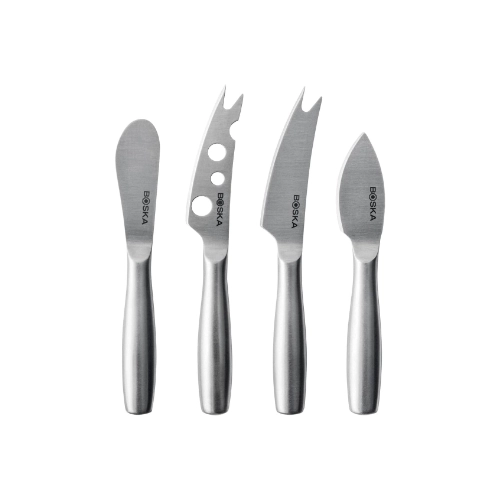
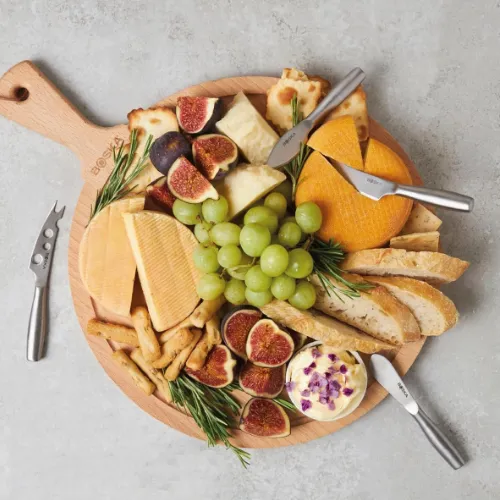
Boska Cheese Knives
Find it on Amazon >
Conclusion
If you’re in France in September, you’ll notice something happens. The moment the calendar flips and there’s that first hint of coolness in the air, people start talking about Mont d’Or arriving. It’s like a collective sigh of relief. The summer heat is finally breaking, and everyone knows what’s coming. You go to the market and suddenly there it is on every counter, wrapped in that spruce box, and people who were completely fine all summer suddenly become obsessed.
These five cheeses just work when you’re thinking about autumn. Reblochon becomes the thing you put on a board when friends come over as the weather shifts.
Just buy one when you see it, take it home, leave it on the counter for an hour so it’s not cold and eat it with whatever bread you have. That’s when you understand why people in the mountains have been making these the same way for centuries.

A Complete Hosting Guide
This complete guide takes the intimidation out of French cheese and wine hosting, so you can create an impressive, memorable evening that feels effortless.
Just so you know, a few links here earn us a commission. Doesn’t cost you anything extra, and we only link to things that are actually worth your time.