Nice
Nice, the radiant heart of the French Riviera
Nice sits at the bright, salt-scented heart of the French Riviera, and for ten years it was simply “home” to me. As a child I did not realise how rare that was. Only later, when people raised their eyebrows and assumed yachts and private schools, did I understand what a gift those years had been.
We were not that kind of family. My memories are not of champagne on decks, but of salty hair and sandy fingers, ice creams melting faster than we could eat them, and chasing my brother through the paths on Castle Hill on quiet Sunday mornings. I remember roller skating along the Promenade des Anglais, and the smells of the Vieux Nice: market stalls glowing with spices, lavender sachets piled high, and the thrill of being rewarded with a piece of socca if we had behaved ourselves.
My brother never left, he is still a local. I went back a couple of times, and the city has changed, of course. A little sleeker in some places, but the bones of it are the same. Nice holds a permanent corner of my life, and I think of it with affection and nostalgia.
Why Nice feels a little Italian
If you feel a hint of Italy in Nice, you are not imagining it. The colours, the food, even the rhythm of the language have a distinctly Ligurian echo. Nice belonged to the Kingdom of Sardinia, and for a time to Italy itself, until 1860. That mix never really left. It lives on in the shutters and facades, in recipes that move easily between French and Italian, and in the way people argue in the street with their hands as much as their voices.
Perched right on the border, Nice has always faced in both directions, and its cooking and culture reflect that. It feels different from the rest of the Côte d’Azur, a little wilder at the edges, a little more relaxed about where one country ends and the other begins.
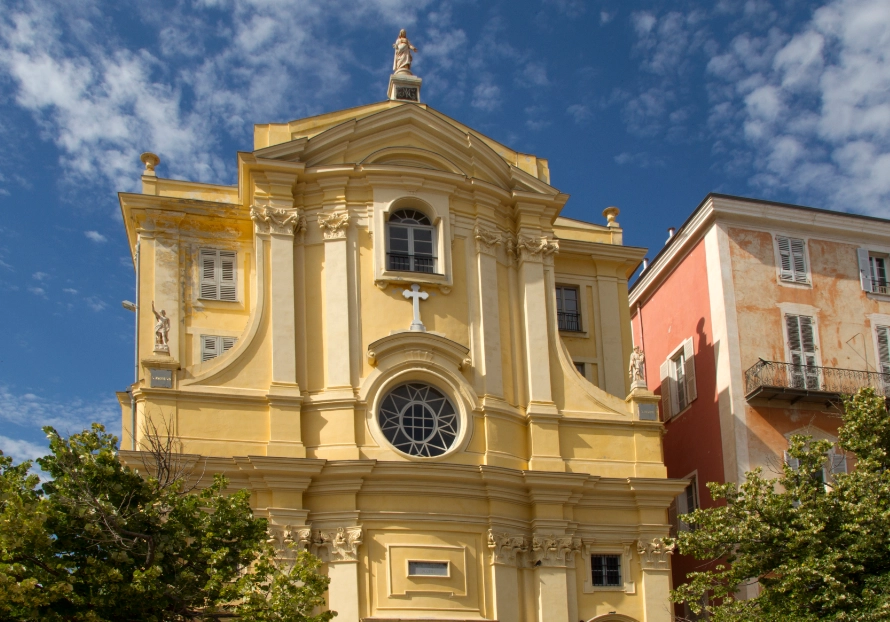
The Promenade des Anglais
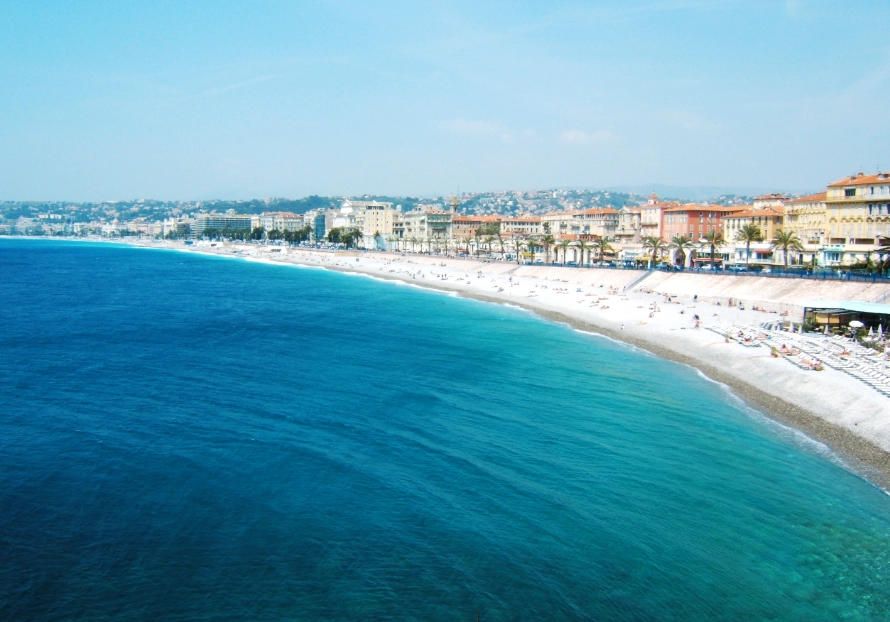
The Promenade des Anglais is where the city comes to breathe. Seven kilometres of sea-front boulevard run from the airport all the way to the foot of Castle Hill, with the Baie des Anges on one side and Belle Époque hotels and apartment blocks on the other. You could, and I did once, walk from plane to the old town with the sight of the Mediterranean sea the whole way.
The name of this boulevard is “the English Walk”. It’s a nod to the English aristocrats who began wintering here in the 19th century and funded the first proper path along the shore. What started as a modest coastal track gradually became the wide, graceful promenade you see today.
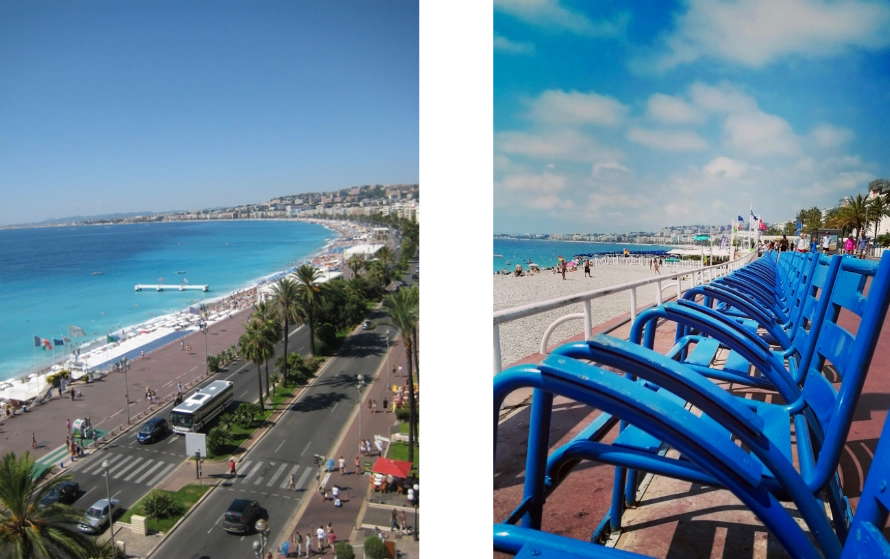
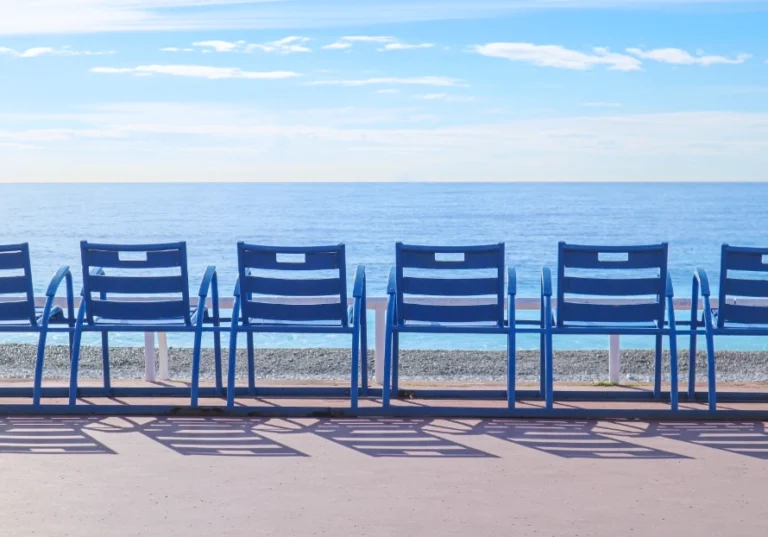
Now it belongs to everyone: joggers and cyclists in the morning, swimmers padding across from the beach, my brother and I on roller skates when we were kids, dog walkers, and people sitting back in the famous blue chairs doing nothing at all with a smile on their faces. Those chairs are scattered all along the promenade, always facing the sea. They are an invitation to sit down and let time pass, something Nice encourages without much resistance.
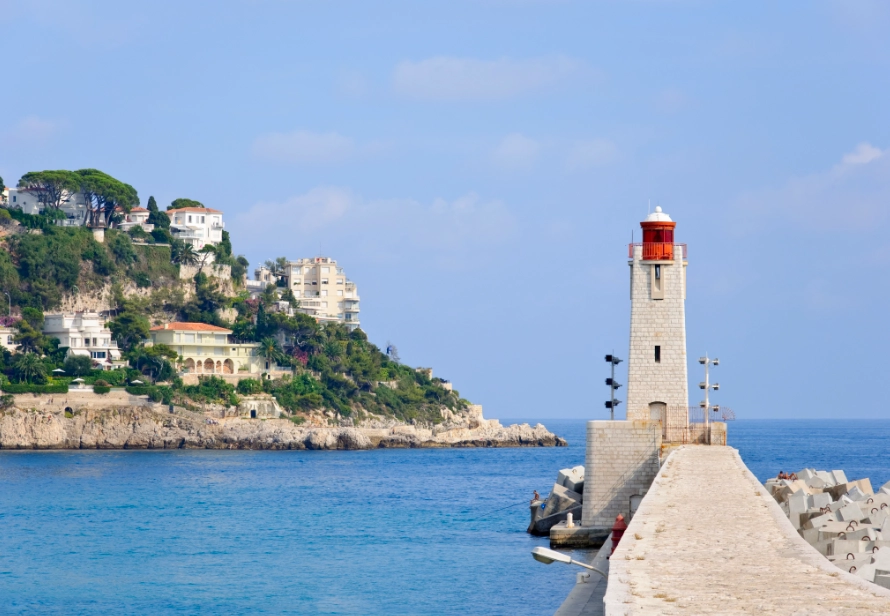
The port
We did not have a yacht, just a small motorboat that barely fit the four of us. On good days we would putter out past the lighthouse, hugging the coastline to find a spot to swim. My mother and I would often feel queasy even on calm water, so I secretly preferred staying in the port, watching the fishing boats return. One afternoon I saw a fisherman heave an enormous sea spider from his boat. It fascinated and terrified me at the same time.
The Port of Nice has been used since Roman times and later became a key harbour for the Kingdom of Sardinia in the 18th century. Big commercial ships have moved on, but the basin is still busy with fishing boats, ferries, and a fringe of yachts. Around it, the old working docks have shifted into a neighbourhood of seafood restaurants, cafés, and small shops.
For visitors, the port offers something the main tourist strip does not: a sense of the city going about its own business. It is worth a slow walk along the quays just to watch it all.
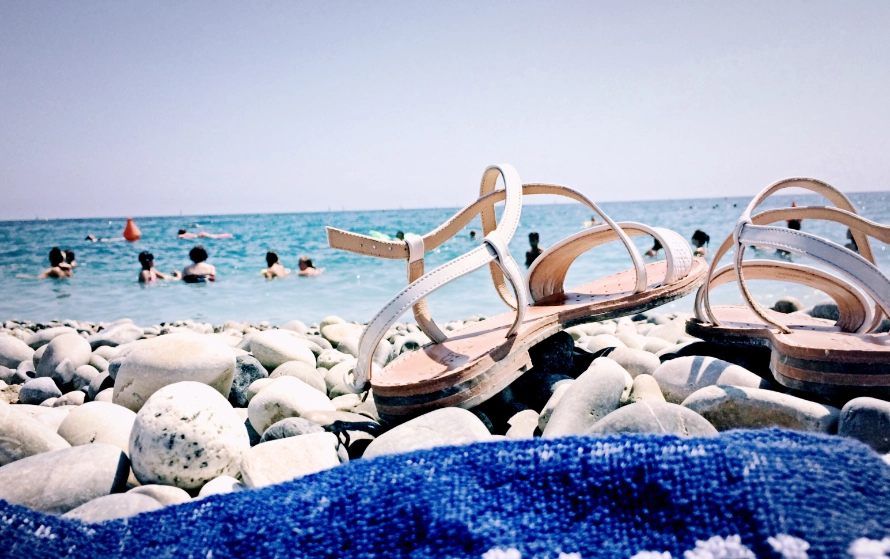
The Beaches
Nice and the sea are inseparable. Wherever you stand in the city, the water never feels far away. The beaches surprise a lot of people: they are made of pebbles, not golden sand. Smooth, flat stones that roast in the sun and make the sea incredibly clear. So do bring beach shoes if your feet are sensitive and you will be fine.
Private beach clubs look after the stretch in front of them: neat rows of loungers, crisp towels, cold drinks, and staff who will replace your pastis as often as you like. Between those sections lie the public beaches, open to everyone and offering exactly the same sea without the service.
My memories are of slightly chaotic family barbecues on the stones (when that was still allowed), jellyfish bobbing close to shore and treated as an ordinary hazard, and long afternoons where we only went home because mum insisted it was time. A light sting on the legs was never enough to send us packing.
Vieux Nice: a maze of spices and small shops
Drop anyone into the Old Town (Vieux Nice) on a Saturday morning and it can be a struggle to leave in the evening. The alleys are narrow and close, lined with tiny family businesses: spice merchants, pasta makers kneading dough in small workshops, wine caves behind coloured shutters, chocolatiers with window displays that test anyone’s willpower.
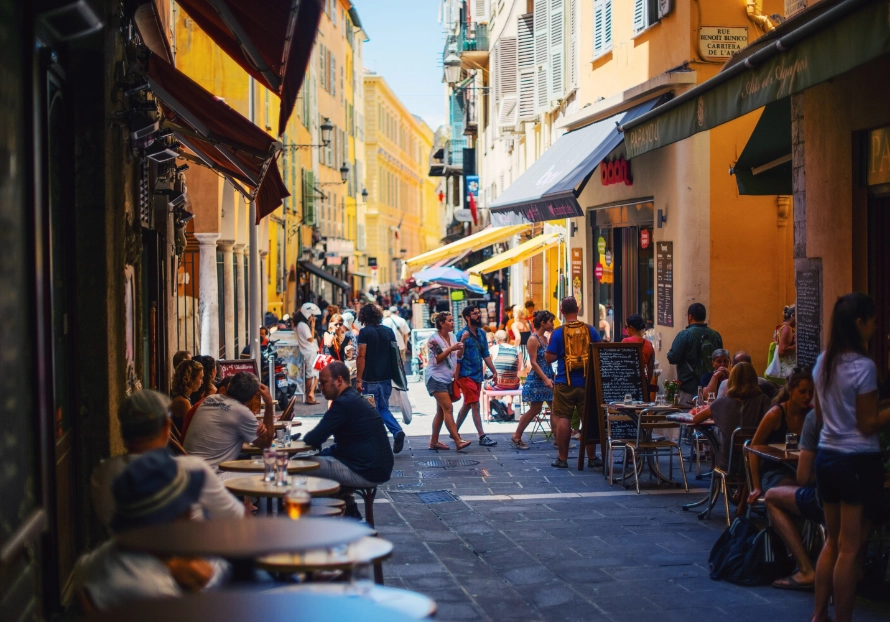
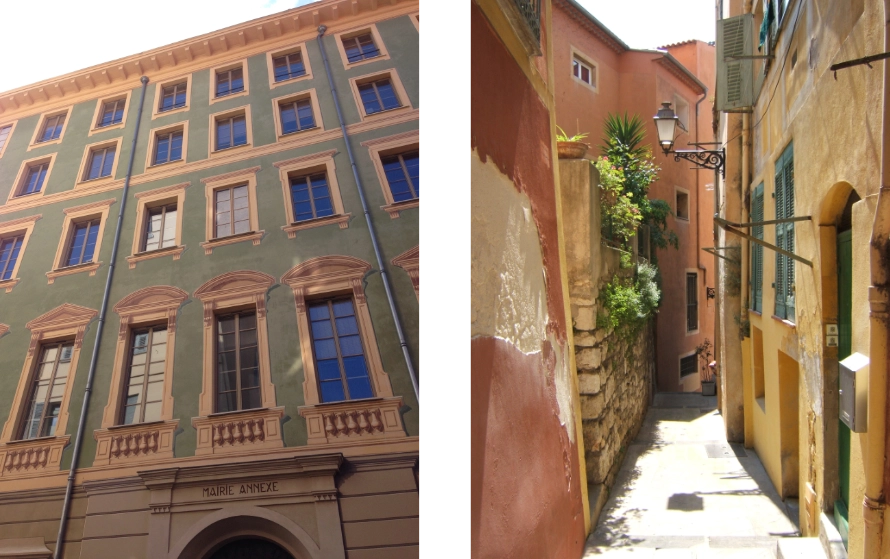
The colours are unmistakable: deep ochre, dusty rose, terracotta, and that warm yellow that seems made for Mediterranean light. The houses are tall and narrow too, often leaning over streets just wide enough for two people and a shopping bag to pass. This is where every corner feels like “something to see,” and it is pointless trying to plan a route. You just follow your nose and see where you end up.
Socca
Leaving Nice without eating socca would be a mistake. Socca is a thick chickpea pancake baked in huge copper pans in wood‑fired ovens, cut roughly into pieces and eaten hot with nothing more than salt and black pepper. The edges are crisp, the centre soft, and it tastes of chickpeas, olive oil, and this particular corner of the world.
The best way to eat it is standing up, from a paper plate at the Cours Saleya market or one of the socca counters in the Old Town. And since you are there, you might as well add a slice of pissaladière, that slow-cooked onion tart studded with anchovies, and a few courgette flower fritters with garlicky dipping sauce. With a glass of chilled rosé or a very cold beer, life feels extremely well arranged.
Sugar candied flowers
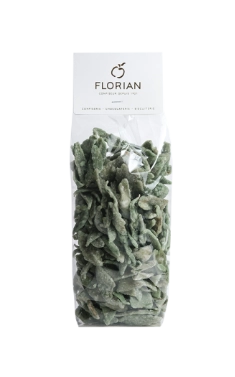
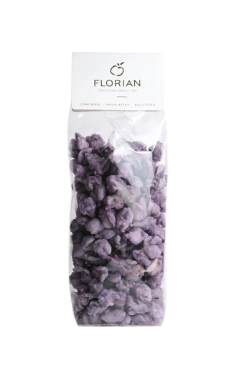
Another Niçois speciality is sugar‑candied flower petals: rose, violet, verbena, mimosa. They are delicate, a little expensive, but worth every cent. You will find them in the better sweet shops in the Old Town, or you can go straight to Confiserie Florian by the port, which has been making them for years. If you cannot get to Nice, a small tin of candied violets is the next best thing.

If you love flowers, especially lavender, it is well worth leaving Nice for a day or two and heading up towards the Verdon Gorge, often called the “Grand Canyon of Europe.” Between roughly mid‑May and mid‑July, the hillsides around the plateau burst into those iconic purple lavender fields, and you can wander between them before visiting the nearby medieval villages of Moustiers‑Sainte‑Marie and Castellane.
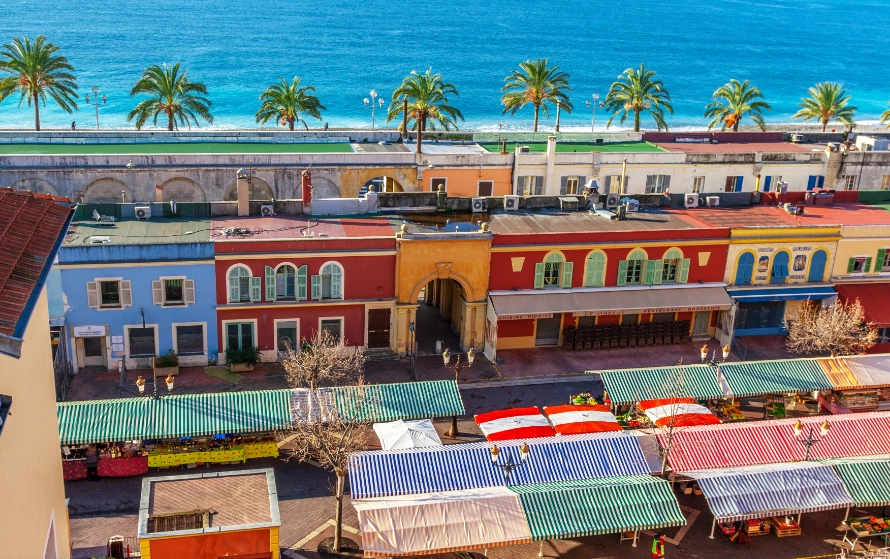
Cours Saleya
Cours Saleya is the main square behind the seafront and one of the best places to see the city doing what it does every day. In the morning, it is a working market: crates of fruit and vegetables, bunches of herbs, flowers, spices, and people shopping for lunch or dinner.
In the evening, the stalls clear out and the terraces spread into the space they leave behind. It is easy to find good seafood and, thanks to the Italian influence, very good pizza too. I remember many evenings walking away from the square with a pizza box, slipping through the arches to the beach, and eating slices on the pebbles with the sound of the sea in front of me. It still feels like the right way to end a day there.
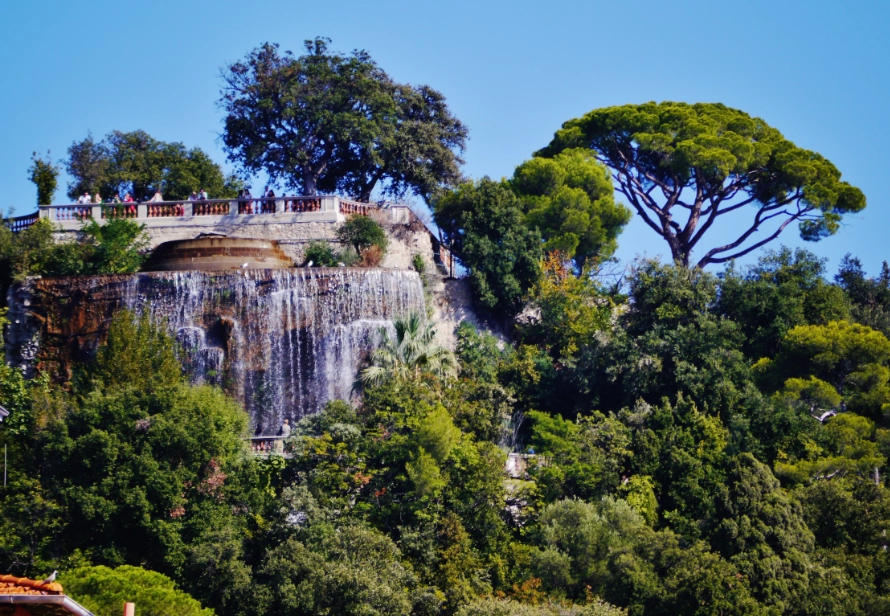
Castle Hill and the best free view
Castle Hill is no longer a castle, but it is still the city’s best lookout point. The original fortress was demolished on the orders of Louis XIV in the early 18th century and in its place is a park with paths, trees, waterfalls, a playground, and just enough ruins to give a sense of history.
From the top, you can admire the details of Nice. The orange roofs of the old town, the curve of the Baie des Anges, the Promenade des Anglais running along the edge, and the hills rising behind everything. There is almost always a breeze up there, which is a blessing in summer. You can walk up in about twenty minutes, or take a lift from near the base if you prefer. Either way, it is worth it.
Just below the summit is the Château Cemetery, laid out on the site of the old citadel in the late 18th century. It holds thousands of graves, including those of artists and writers, and it looks out over the city and the sea. It is an unexpectedly peaceful, beautiful place to pause.
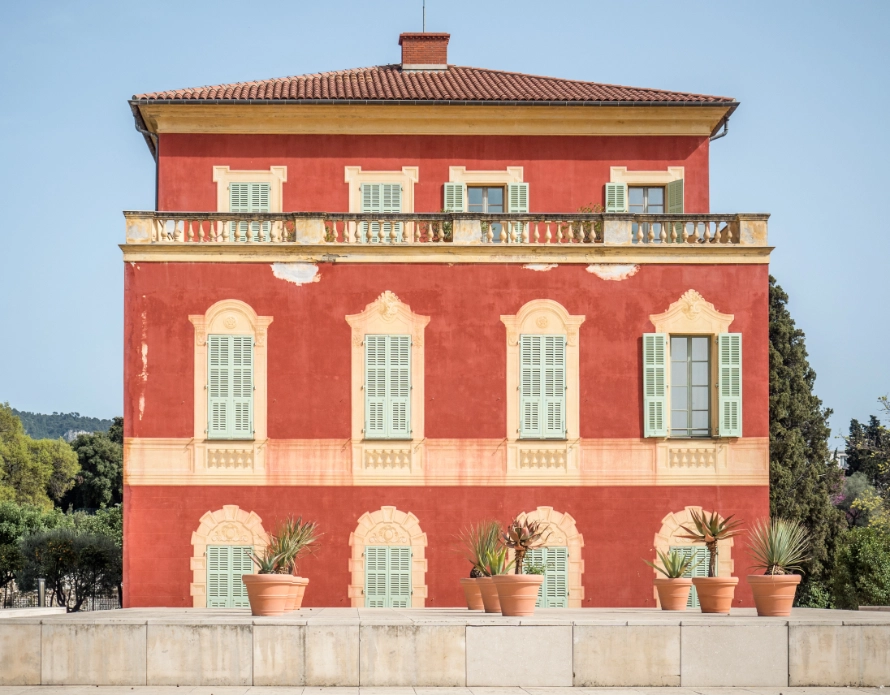
Henri Matisse called Nice home
Henri Matisse chose Nice as his home for many years, drawn by the soft Mediterranean light (just like Vincent van Gogh) that seems impossible to replicate elsewhere. The Musée Matisse, in the Cimiez district, keeps many of his works together in a 17th‑century villa. The building and its gardens are almost as interesting as the collection. Standing there, you understand what he meant when he described the light here.
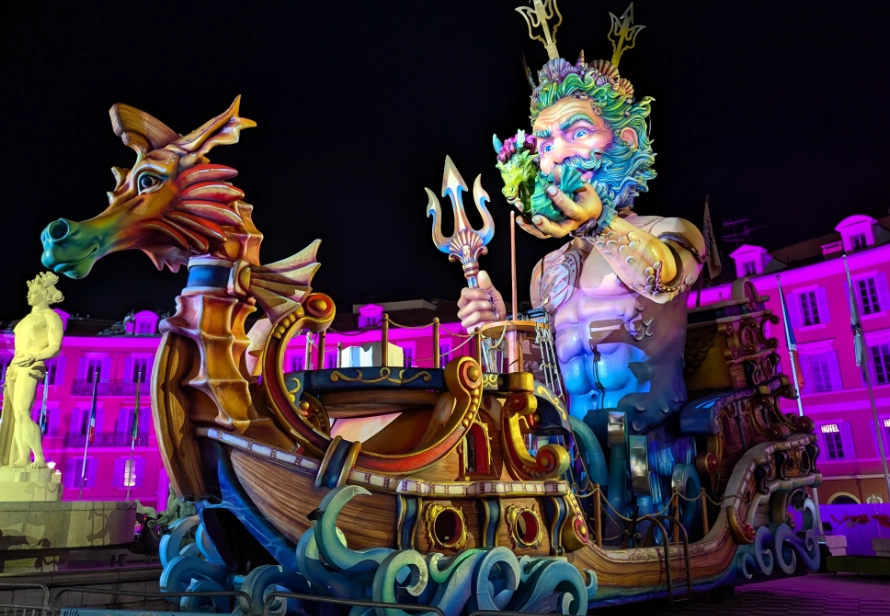
Carnival and the Battle of Flowers
Once a year, Nice lets its playful side loose during Carnival. Every February, giant floats roll through the streets, some cheerfully political, some plain surreal, and crowds gather along the route to watch, dance, and be showered with confetti.
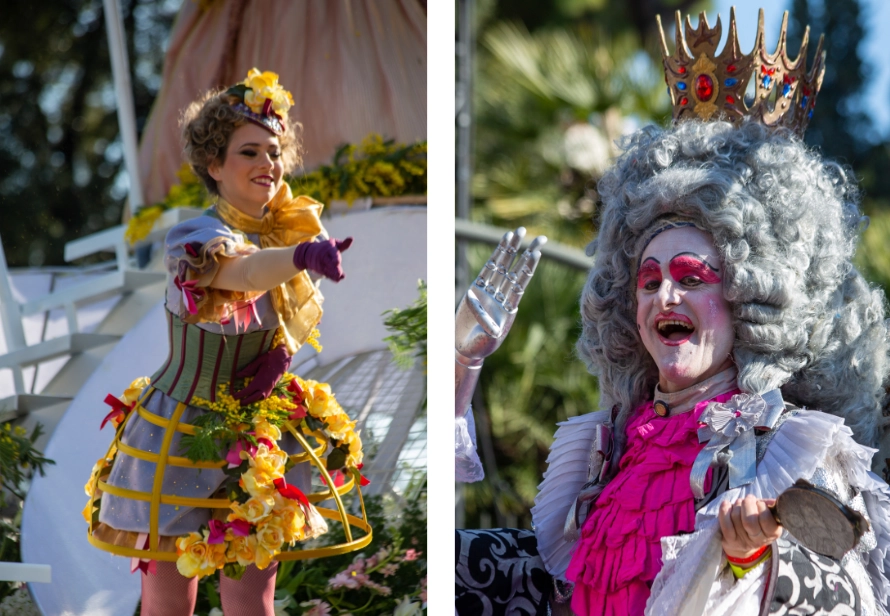
As for the Bataille des Fleurs (the Battle of Flowers), it has been part of Nice’s story since 1876. Floats covered in thousands of fresh flowers travel along the promenade while people on board throw bunches and petals into the crowd. By the end, the air smells like a florist’s shop and the street is carpeted in colour. I saw it as a child and the memory has never left. If you can visit during Carnival, it is worth planning around that.
If you are short on time but still want to see more than just Nice itself, consider a one‑day French Riviera tour from the city. It links together some of the coastline’s highlights for you, so you can simply sit back and enjoy the views instead of worrying about logistics.
Final thoughts
Nice is not a city that rewards frantic sightseeing or over‑planned days. It suits slow walks, long lunches, and afternoons that accidentally stretch into evenings. The light feels different, the food really does taste of the place, and the mix of French structure with Italian warmth gives it a character you do not find elsewhere on the Côte d’Azur.
Go, give yourself more time than you think you need, and whatever you do, do not leave without eating socca.
What to see and do in Nice
- Promenade des Anglais
Walk the length of the Promenade (move faster than the selfie-takers, if you can) and watch the sunset from one of the iconic blue chairs. - The port
Explore the historic Port of Nice, where fishing boats and yachts share the quay, and the waterfront buzzes with seafood restaurants and cafés. - Place Masséna
Sip a coffee at Place Masséna, the city’s elegant showpiece, where terracotta and cream arcades surround the Fountain of the Sun and street performers pirouette around unsuspecting visitors. - Cours Saleya
Explore Cours Saleya: by morning, it’s a flower and produce market to rival Borough; by night, it becomes a lively warren of bars, gelaterias, and seafood joints. - Russian Orthodox Cathedral
Visit the Russian Orthodox Cathedral: an architectural jewel that seems to have wandered here by accident, with its onion domes and riotous mosaics. - Libération / Le Port
Take the tram to Libération or Le Port and explore untouristy neighbourhoods rich in local colour and the aroma of baking fougasse. - The Castle
The Castle is the ultimate Nice panorama, part playground, part monument, and entirely unmissable. - Musée Matisse
An impressive collection of works by Henri Matisse, set in a serene 17th-century villa bathed in the Mediterranean light that inspired the artist.
Practical information for visitors
- Getting there
Nice Côte d’Azur Airport is one of France’s busiest, with direct flights from most major cities. A tram runs directly from the airport to the city centre in about 15 minutes. - When to visit
Spring (April to June) and autumn (September to October) offer good weather, reasonable prices, and manageable crowds. July and August are busy and hot but the sea is at its warmest. The carnival in February makes winter visits worthwhile. - Accommodation
The Promenade des Anglais has the grand hotels, including the legendary Negresco. Vieux Nice offers smaller, characterful accommodation close to the market and restaurants. The port neighbourhood is quieter and increasingly popular. - Getting around
The tram system is efficient and cheap, covering the main tourist areas and the airport. Most of Vieux Nice and the Promenade are easily walkable, and Vélobleu rental bikes are available throughout the city. If you prefer a simple overview without worrying about routes, a hop‑on hop‑off sightseeing bus can be a handy way to loop between the main sights at your own pace.