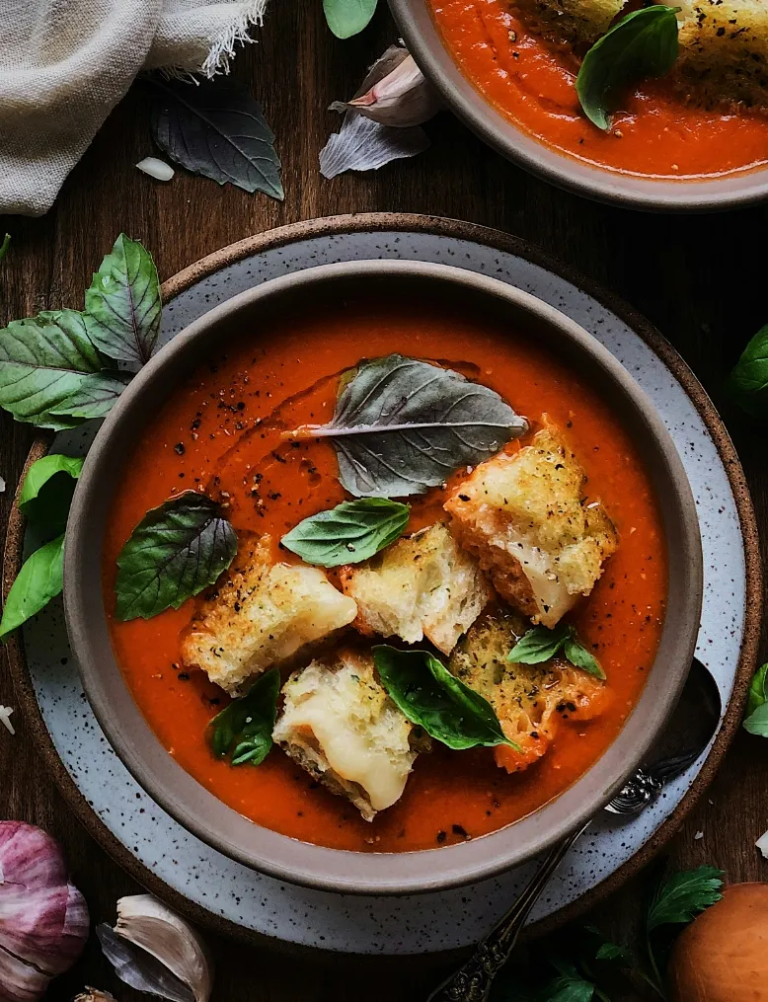
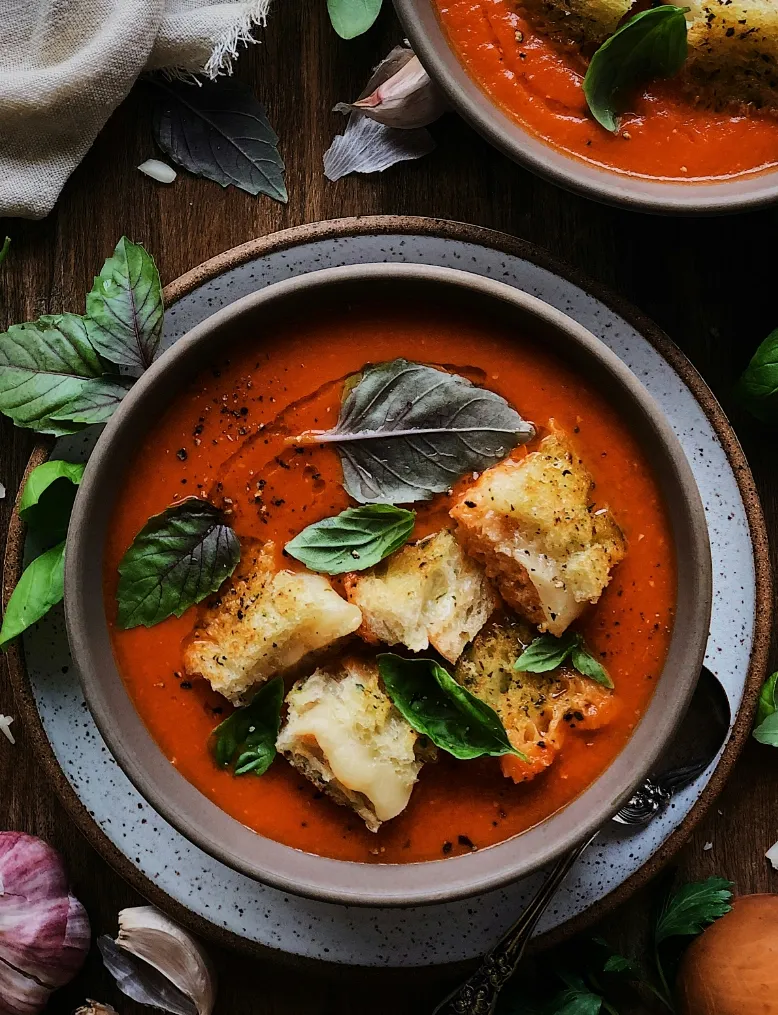
Fresh Tomato Soup
 Prep Time 30 minutes
  Cook Time 30 minutes
  Total Time 1 hour
  Servings 4
Ingredients
- 1 tbsp olive oil extra virgin
- 1 onion white or yellow
- 2 cloves garlic
- 1 tbsp tomato paste
- 700 gr tomatoes or use tinned with no additives in winter
- 6 sun-dried tomatoes packed in oil best
- 1 carrot optional, for sweetness
- 750 ml vegetable stock or homemade vegetable broth
- 2 sprigs thyme
- 1 bay leaf
- 2 tbsp crème fraîche optional, for serving
- 1 handful basil optional, for serving
- 1 baguette for croutons
- salt and black pepper
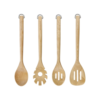
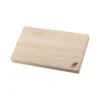
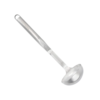
Equipment


Instructions
1. Prepare the vegetables
- Heat olive oil in a heavy-bottomed pot on medium. Sauté onion and carrot gently until translucent (about 3 minutes). Add garlic and cook for another 30 seconds, do not let it brown.
2. Build base flavour
- Stir in tomato paste and chopped sun-dried tomatoes, cook for 2 minutes to develop depth.
3. Simmer
- Add fresh tomatoes, thyme, bay leaf, vegetable stock, and a pinch of salt. Bring to a gentle boil, then lower to a simmer. Cover and cook 25–30 minutes, stirring only occasionally.
4. Blend
- Remove bay leaf and thyme stems. Blitz the soup with a hand blender until completely smooth and creamy. Add salt and black pepper to taste.
5. Prepare croutons
- While the soup finishes, cube the bread, toss with olive oil, and bake at 180°C for 10 minutes, top with a little cheese if desired.
6. Finish and garnish
- Stir in crème fraîche if using, ladle into bowls. Garnish with torn fresh basil and hot croutons!
Notes
- Authentic tip: Some French cooks add a little honey, or finish with a swirl of cream for extra velouté texture.
- Use best local tomatoes in late summer, the soup is only as good as your produce!
- Sun-dried tomatoes mimic the intensity found in Provençal versions; substitute with tomato powder if you prefer.

About this recipe
Tomato soup has been a beloved staple in French kitchens for generations. But French fresh tomato soup is not quite what you might expect. It isn’t the smooth, slightly sweet soup that comes out of a tin. It isn’t the thick, one-dimensional purée that passes for tomato soup in most of the world. It is something altogether more alive, deeply savoury, slightly rustic, with the kind of complexity that only comes from real tomatoes, good olive oil, and a cook who isn’t in a hurry.
Making tomato soup the French way starts with one non-negotiable: the tomatoes have to be worth eating. This is not a soup that rescues bad tomatoes. It celebrates good ones. In France, you make this in summer, when the markets overflow with tomatoes that are warm from the sun and smell the way tomatoes are supposed to smell. The French countryside takes its tomatoes seriously, and if you’ve ever eaten a tomato straight from a French kitchen garden, still dusty from the vine, you’ll understand why making tomato soup from anything less feels like a small betrayal.
The origins
The origins of this recipe are worth knowing, because they tell you something about how French cuisine actually works. Tomatoes arrived in Europe from the Andean region of South America in the 16th century, brought by Spanish explorers as part of the Columbian exchange. They reached France later than Italy and Spain, and were initially met with deep suspicion. The French, who were already very particular about what belonged in their kitchens, were not immediately convinced. For a long time, tomatoes were grown as ornamental plants, people thought they were poisonous, which is not entirely unreasonable given they belong to the nightshade family.
By the 18th century, French cooks had changed their minds. Southern France adopted the tomato enthusiastically, weaving it into the fabric of Provençal and Languedoc cooking. Northern France followed more slowly, but by the 19th century, soupe de tomate, a homemade tomato soup made simply with fresh tomatoes, aromatics, and herbs, had become part of the French domestic repertoire. Not restaurant food. Home food. The kind of thing a grandmother makes on a Tuesday because the tomatoes needed using and everyone was coming for lunch.
The technique of making tomato soup
What makes this a genuinely French recipe, rather than just tomato soup made in France, is the approach. Fresh tomato soup in the French tradition relies on technique rather than additions.
You don’t compensate for ordinary tomatoes by adding sugar or cream or stock cubes. You roast the tomatoes first, slowly, so their water evaporates and their sugars concentrate. You cook the onions and garlic low and long until they’re sweet rather than sharp. You use olive oil generously, because in the south of France olive oil is not a condiment, it is a foundation. And you finish with fresh herbs, basil, thyme, or both, because the French understand that a herb added at the end of cooking tastes completely different from a herb cooked into the base.
The result is a homemade tomato soup that tastes significantly better than anything you can buy, not because of any complicated technique but because it treats the tomato with the respect it deserves. There are no shortcuts that improve it. There are plenty that diminish it.
French tomato soup styles
I grew up eating variations of this. Some make it thick, almost a sauce, spooned over bread. Others make it thinner, more elegant, served in proper bowls with a drizzle of oil and basil torn over the top at the last moment. In my own kitchen, I make it somewhere between the two, substantial enough to be a proper lunch, refined enough to serve as a starter when people come to dinner. It is one of those recipes that adapts to who you are and what you need from it.
Making tomato soup this way also teaches you something fundamental about French cooking: the best results come from restraint. You don’t need twenty ingredients. You need good tomatoes, time, and the confidence to trust that simple things, done properly, are always enough.
This is the recipe I come back to every summer without fail. And once you’ve made fresh tomato soup this way, the tinned version will never quite do it again.
Share your feedback and spread the love!
If you try this recipe, I’d love to hear how it turns out! Leave a ★★★★★ rating and your thoughts in the comments, it helps fellow French foodies discover this recipe too. Snap a photo and tag me @obviously.french on Instagram if you’re sharing your bake or cooking online. Don’t forget to save this recipe to Pinterest so you’ll always have it handy for your next French-inspired meal!
Disclosure: Just so you know, this post contains sponsored content and/or affiliate links, If you make a purchase through these links, I may receive a small commission. Doesn’t cost you anything extra. I only link to things that are actually worth your time. All opinions are my own!