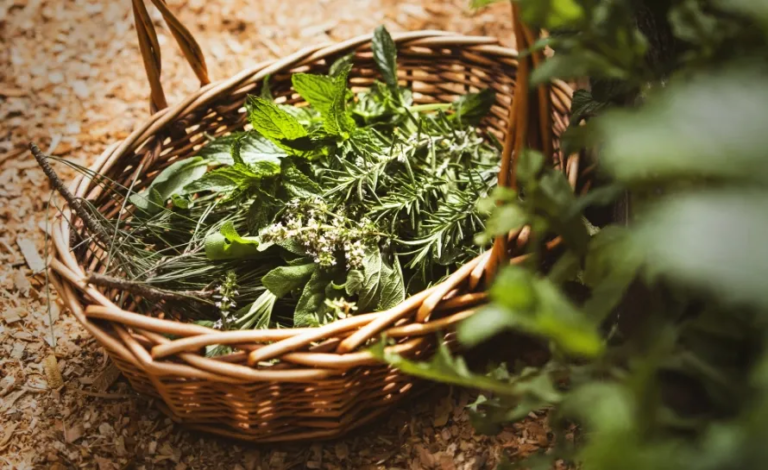
French cooking runs on a much smaller cast of herbs and spices than most people expect. If you would walk into almost any French kitchen (whether it’s a tiny flat in Paris or a farmhouse in the countryside), you’ll see the same handful of jars and bunches again and again: thyme, bay, parsley, maybe tarragon, chives, rosemary, and a couple of others. No giant wall of spice blends, nor a fill collection from twelve different countries. Just a few favourites, used properly and used often. That’s a big part of why French food tastes so well…French.
What I’m talking about here are the herbs that actually get used in everyday French cooking, not every plant that’s ever appeared in a fancy cookbook. These are the ones you see piled on market stalls all over France, the ones my neighbours throw into a pot almost without thinking, the ones that turn scallops or a simple tomato soup from “fine” into “this tastes absolutely French.”
What follows is the herbs that actually get used, the three mixes that do most of the heavy lifting in French cooking, and the practical stuff nobody tells you: which ones survive drying, which ones you must buy fresh, and how much of each to use before it stops tasting French and starts tasting like a garden.
Table of Contents
The big 5 herbs in French cooking
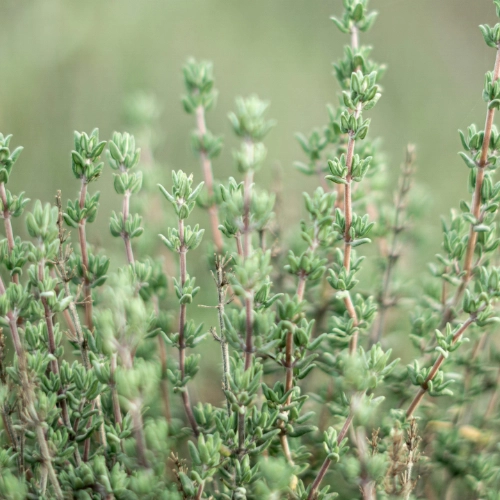
Thyme
Taste and Aroma
Fresh thyme has a woody, earthy flavour with slightly minty, lemony notes. It’s aromatic without being overpowering, and it holds up brilliantly to long cooking. The French varieties tend to be more pungent and complex than others.
Culinary Uses
Thyme is non-negotiable in bouquet garni, the foundation of French stocks and braises. It goes into Ratatouille, mushroom Bourguignon, roasted root vegetables, French tomato soup, fish soups like bouillabaisse, gratins, and lentil dishes. Fresh thyme scattered over fish before baking or roasting transforms it completely. It’s also the backbone of herbes de Provence.
Fresh or dried?
Both, genuinely. Thyme is one of the very few herbs that dries well, because the flavour lives in oils that survive the process. Keep a pot outside and a jar in the cupboard.
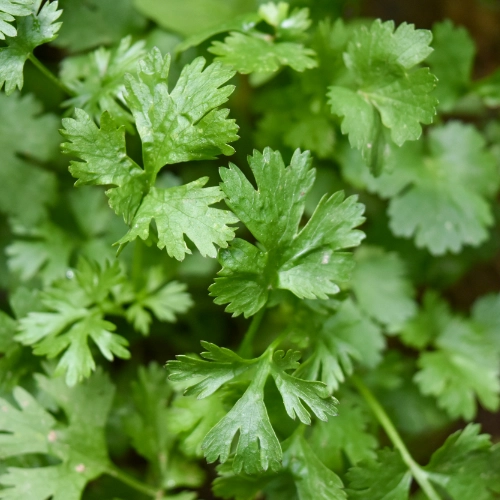
Parsley
Taste and Aroma
Flat-leaf parsley has a fresh, slightly peppery, grassy flavour with subtle bitterness. It’s bright and clean-tasting, which is why it works so well as a finishing herb. The texture is tender but substantial enough to stand up in cooked dishes.
Culinary Uses
French Parsley is in practically everything. It’s the main component of persillade which we talk about later too, which gets scattered over mushrooms, grilled fish, roasted vegetables, and baked tomatoes. Essential in fines herbes for Lyon’s cheese spread. Stirred into sauces like sauce verte and gribiche. Added to court-bouillon for poaching fish like blanquette de poisson. Mixed into mussels, green beans, and grain salads. The French use whole handfuls, not apologetic sprinkles
Which one to buy
Flat-leaf for flavour, and it’s what French cooks reach for. Curly for texture and for anything where you want it to stay green and distinct rather than melt in. If someone hands you a bunch of curly and calls it a garnish, they’ve never made a proper persillade with it.
Fresh or dried?
Fresh only. Dried parsley is green dust and does nothing. I’m sorry, but it’s true.
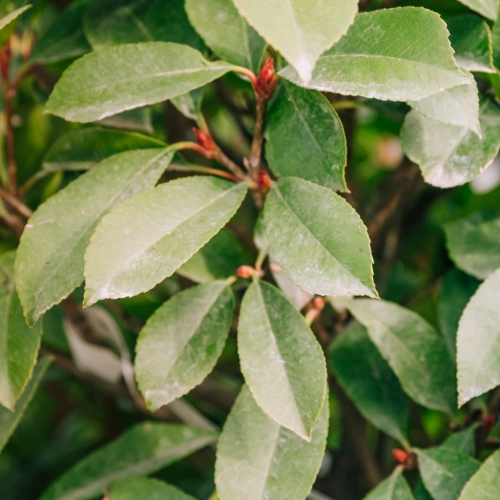
Bay Leaves
Taste and Aroma
Bay leaves have a subtle, complex flavour, slightly floral, herbal, with notes of eucalyptus and mint. The aroma is more pronounced than the taste, which develops during long, slow cooking. Fresh bay is stronger and slightly more bitter than dried; one or two leaves is usually enough.
Culinary Uses
Bay leaves are essential in bouquet garni. They go into court-bouillon for poaching fish, Pot-au-feu de la mer, blanquette de poisson, bouillabaisse, tomato sauces that simmer for hours, and rice dishes. Also used to flavour milk for béchamel sauce. The French stick them into onions (oignon piqué) for adding to stocks and removing easily.
Fresh or dried?
Dried is standard and completely fine. Fresh is stronger and a bit more bitter, so use one where you’d have used two.
The French trick
Stick two or three cloves into a peeled onion, tuck a bay leaf against it, and drop the whole thing into the pot. That’s an oignon piqué, and it means you can fish out three flavourings in one go at the end.
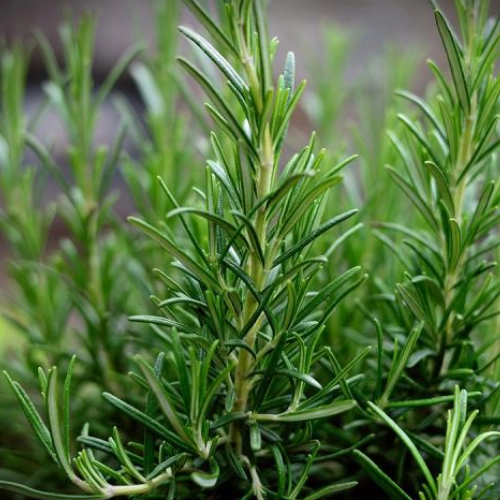
Rosemary
Taste and Aroma
Rosemary has a distinctive pine-like, slightly camphor aroma with hints of lemon and eucalyptus. The flavour is resinous, earthy, and quite powerful, a little goes a long way. Fresh rosemary is more vibrant than dried, though dried rosemary holds its flavour better than most herbs.
Culinary Uses
Roasted potatoes with rosemary and garlic is classic French Sunday lunch material. Whole baked fish with rosemary, lemon, and olive oil. White beans with rosemary and tomatoes. Roasted squash with rosemary and honey. It’s essential in Herbes de Provence. The French throw rosemary branches onto coals when grilling fish, the smoke adds flavour. It also goes into focaccia-style breads, mushroom dishes, and tomato-based stews.
Fresh or dried?
Both work, and rosemary holds its flavour when dried better than almost any other herb.
Tarragon
Taste and Aroma
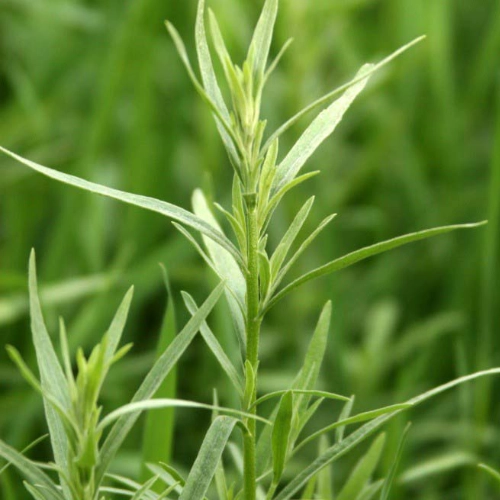
French tarragon has a distinctive aniseed-like flavour with hints of vanilla and liquorice. It’s aromatic and slightly sweet with a subtle peppery finish. The flavour is delicate but distinctive, you know it’s there without it being overwhelming.
Culinary Uses
French tarragon is essential in béarnaise sauce, one of the classic French mother sauces. It’s a key component of fines herbes for omelettes. Brilliant with fish, especially in cream sauces or butter-based preparations. Works beautifully with eggs, asparagus, artichokes, and green beans. Chopped into vinaigrettes, stirred into crème fraîche for fish, torn into salads and essential for Lyon’s cheese spread. The French use it fresh and generously in spring and summer dishes.
Fresh or dried?
Fresh only, really. Dried tarragon loses the vanilla note that makes it interesting and keeps only a vague hay flavour.
Buy French tarragon, not Russian
Russian tarragon is hardier, cheaper and tastes less. French tarragon has to be propagated from cuttings rather than seed, which is why it costs more and why it’s worth it.
The three French herbs mixes that do the real work
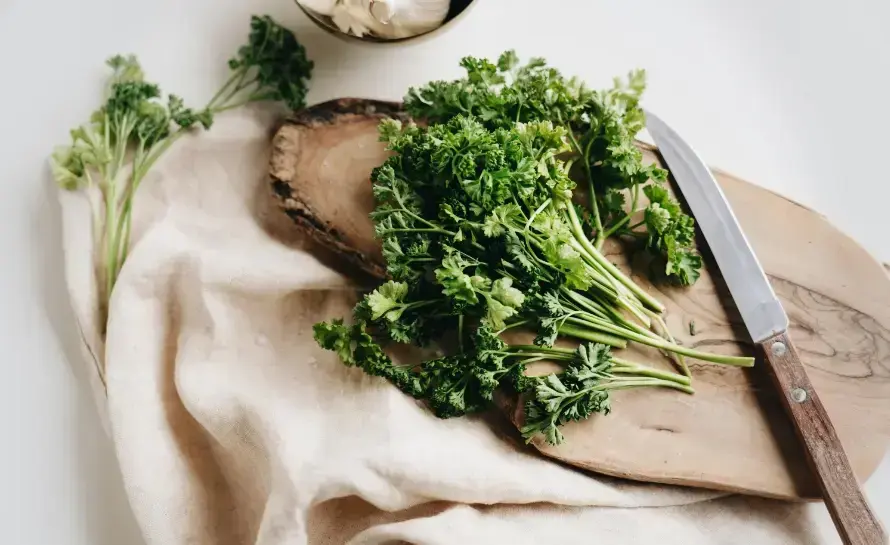
If you learn nothing else here, learn these. Between them they cover most of French home cooking, and none of them takes more than two minutes.
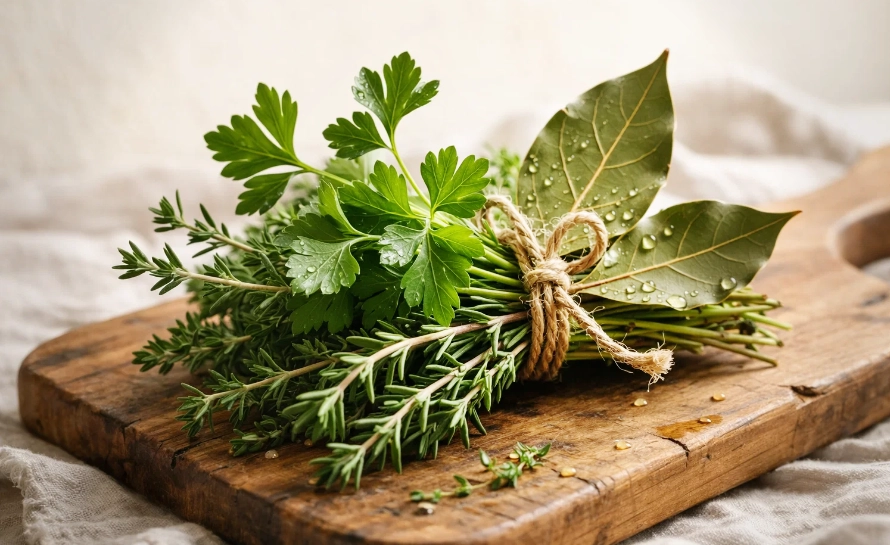
Bouquet Garni
This is the foundation. Every French stock, braise, soup and stew starts with one, and it costs nothing.
Ingredients
– thyme
– parsley
– bay leaves
Regional and household variations add a strip of celery, a piece of leek green, a strip of orange peel in the south, or a sprig of rosemary in Provence. My neighbour puts in a piece of celery leaf every time.
Gets thrown into vegetable stocks, fish soups, lentil stews, bean dishes. Simmers away, flavours everything, then gets fished out before serving. Simple, effective, absolutely fundamental. You can buy pre-made ones in little sachets, or you can make your own with fresh herbs.
How to make one
Two methods, and you want both depending on what you’ve got.
- If your herbs have stems, gather them into a bundle and tie it with kitchen string, leaving a long tail. Tie the tail to the pot handle so you can pull the whole thing out without going fishing.
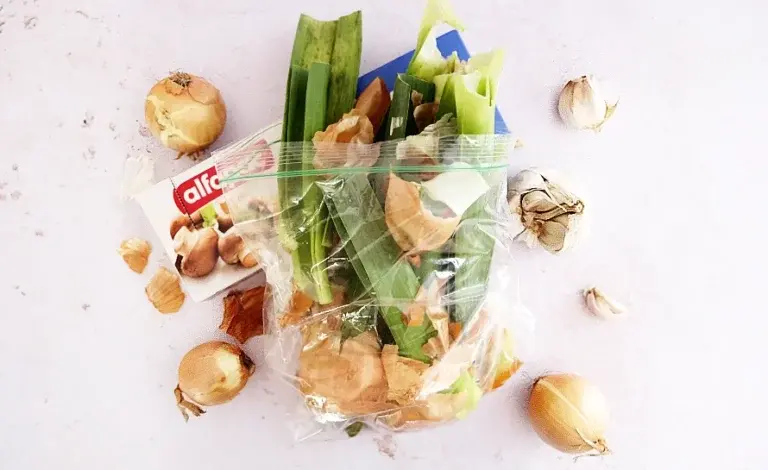
- If you’re using loose bits, dried thyme, a broken bay leaf, peppercorns, wrap them in a square of muslin and tie it shut. Or, the proper old way: fold them inside a length of leek green and tie that. It looks lovely and it costs nothing, and it uses the part of the leek you’d otherwise throw away.
When it goes in
At the start, with the liquid. It needs the whole cooking time.
When it comes out
Before serving, always. A bouquet garni is not meant to be eaten.
How long it holds up
Two to three hours of simmering. Beyond that, thyme starts turning slightly bitter and you’re better off pulling it and adding a fresh sprig near the end.
You can buy them in little sachets and they’re fine in a hurry. Homemade is noticeably better, mostly because dried parsley in the shop versions contributes nothing at all.
Fines Herbes
The opposite of bouquet garni in every way. Bouquet garni goes in at the start and gets removed. Fines herbes go in at the very end and get eaten.
Ingredients
– chervil
– parsley
– tarragon
– chives
That’s the classical four, and Escoffier was firm about it. He complained that far too many restaurants served an “omelette aux fines herbes” containing nothing but chopped parsley, and he was right to be annoyed. Parsley alone isn’t fines herbes, it’s parsley.
Fines means the flavours are delicate, not that the chopping is fine, though it should be that too.
Culinary use
Omelette aux fines herbes above all. Stirred into cream for fish, over spring vegetables, into soft cheeses, through potato salad, into Lyon’s cheese spread.
The rule
Off the heat, or in the last thirty seconds. Every one of these four herbs is destroyed by cooking. If your chives have gone khaki, you added them too early.
If you can’t find chervil
If you can’t find chervil, which is likely outside France, use a little more parsley and a little more tarragon. It won’t be identical, but it’ll be good.
Persillade
The simplest thing in French cooking and the one I use most as I grew up in the South.
Ingredients
– garlic
– parsley
– butter or olive oil
The chopping-together part matters. Chop them separately and mix, and you get parsley and garlic. Chop them together on the same board and the parsley picks up the garlic oils and the whole thing becomes one flavour.
Culinary use
This is my favourite mix to put on pizza’s and it’s the one used for oven-baked scallops and roast potatoes. It’s also delicious on fries and fish. It’s also an excellent addition to sauces, marinades, or even pasta. It’s ideal for adding a rich, flavorful finishing touch to many dishes.
Raw or cooked?
Both, and they’re different things. Raw and scattered at the end, it’s sharp and green and bright. Warmed in butter for thirty seconds, it goes mellow and nutty. Cook it longer than that and the garlic turns bitter.
Variations
Add breadcrumbs and you have a crust for baked fish or tomatoes. Add lemon zest and you’ve drifted towards gremolata, which is Italian, but nobody’s checking. Add shallot for something softer.
What are Herbes de Provence?
Herbes de Provence is probably the best‑known French herb mix abroad, and also one of the most misunderstood. It’s a dried blend from the south, and there is no single official recipe. The backbone is simple but producers and home cooks alike sometimes add basil, bay, fennel or tarragon depending on who they are.
The traditional backbone is simple:
- Thyme
- Rosemary
- Savory (sarriette)
- Marjoram or oregano
Lavender is the controversial part. In France you’ll find plenty of blends without it. Its inclusion is much more common in mixes made for export, because it reads as more “Provençal” to people who aren’t from Provence. Used lightly it gives a soft floral note underneath everything. Overdo it and dinner tastes like a wardrobe sachet.
How to tell a good mix
Open the jar and smell it. It should smell bright and resinous, like a hot hillside. If it smells dusty and vaguely of nothing, it’s old, and dried herbs do go stale. Buy small quantities more often.
Culinary use
The French use it on roasted vegetables, grilled fish, in tomato-based stews, on fougasse and bread dough, with mushrooms, in ratatouille. It’s a shortcut to making things taste summery and southern. I rub it over vegetables before roasting, and stir it into all my tomato sauces!


Herbs you’ll see regularly
Chervil
Taste and Aroma
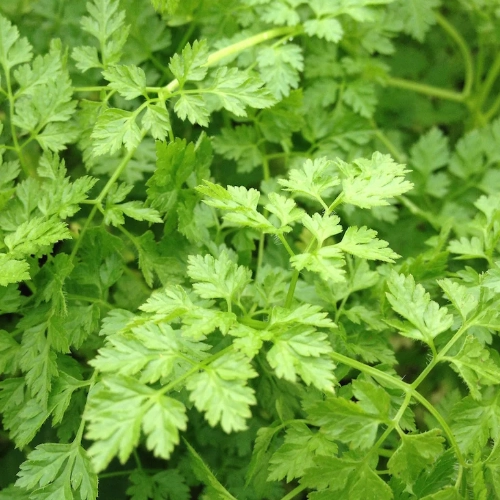
Chervil has a delicate, subtle flavour with notes of anise and parsley. It’s milder than tarragon but shares that faint liquorice undertone. The taste is fresh and slightly sweet.
Info
Essential in fines herbes. Goes into spring salads, with new potatoes, in cream sauces for fish, over asparagus. Heat destroys it completely, so it goes on raw or right at the end. Hard to find outside France, and genuinely worth growing for that reason.
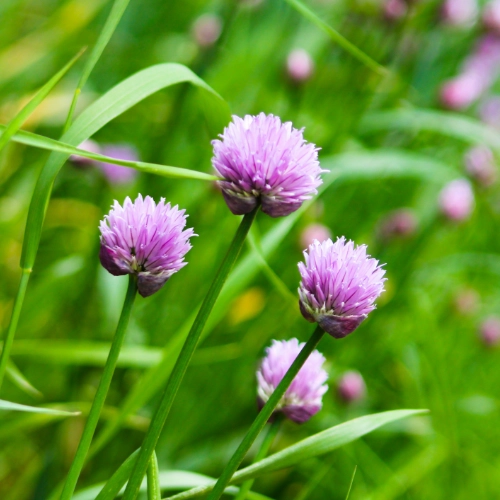
Chives
Taste and Aroma
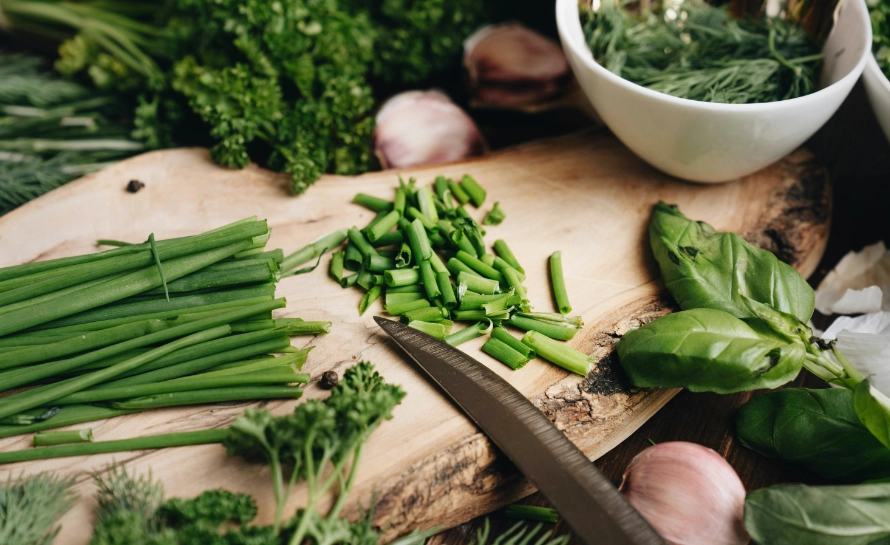
Mild onion flavour, fresh and slightly sweet, without the harshness of raw onions. Tender texture that wilts with heat, which is why they’re best added fresh at the end
Info
Essential in fines herbes. Over scrambled eggs, into crème fraîche, through fromage blanc and potato salad. And when they flower, the flowers are edible and make a lovely chive blossom butter. Add at the last second or they go limp and sad.
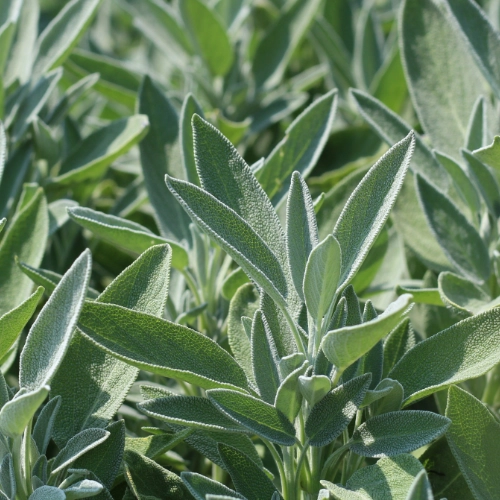
Sage
Taste and Aroma
Earthy, slightly peppery flavour with hints of mint, eucalyptus, and lemon. Quite powerful, a little goes a long way. The texture is velvety and slightly fuzzy.
Info
Fried in butter until crisp over squash or ravioli. With mushrooms, in brown butter, sometimes in gratins. The French use it sparingly because too much sage makes everything taste of sage and nothing else.
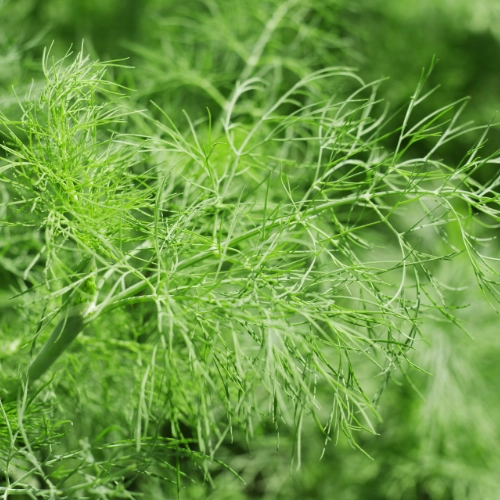
Fennel Seeds & Fresh Fennel
Taste and Aroma
Sweet liquorice-like flavour, aromatic and slightly warming. The seeds are more concentrated than fresh fennel, with an almost candy-like quality when toasted.
Tip
Fennel is essential in bouillabaisse. It’s also added to court-bouillon for poaching fish. The seeds go into tomato sauces, just a few give that Provençal character. Fresh fennel bulb gets braised, roasted with fish, or shaved raw into salads. The aniseed flavour pairs brilliantly with fish and tomatoes.
The spices: less is more
French cooking is not a spiced cuisine, and that’s a choice rather than an oversight. Spices are used to add a dimension underneath, not to sit on top. If you can clearly taste the spice, it’s usually gone wrong.
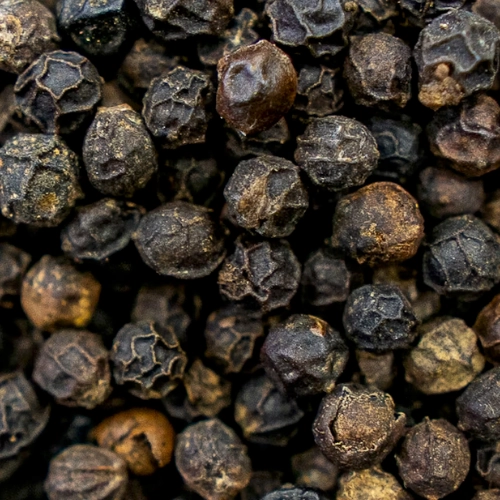
Black Peppercorn
Taste and Aroma
Sharp, pungent, slightly woody with hints of citrus and pine. Freshly ground black pepper has a complex, aromatic quality that pre-ground pepper completely lacks. The heat is warm rather than aggressive.
Info
Into stocks, court-bouillon, marinades, vinaigrettes, eggs, everything. If you make one equipment upgrade in your kitchen, make it a decent mill, and a Peugeot will outlive you.
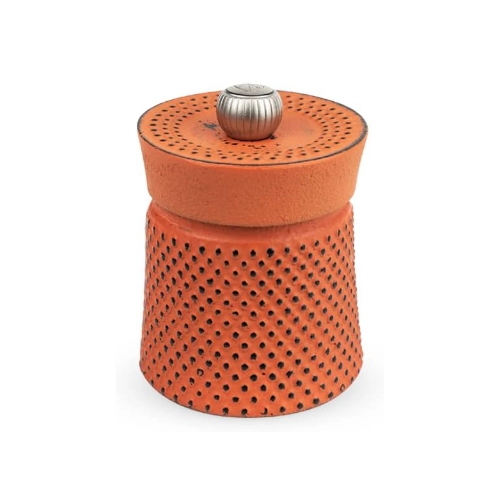
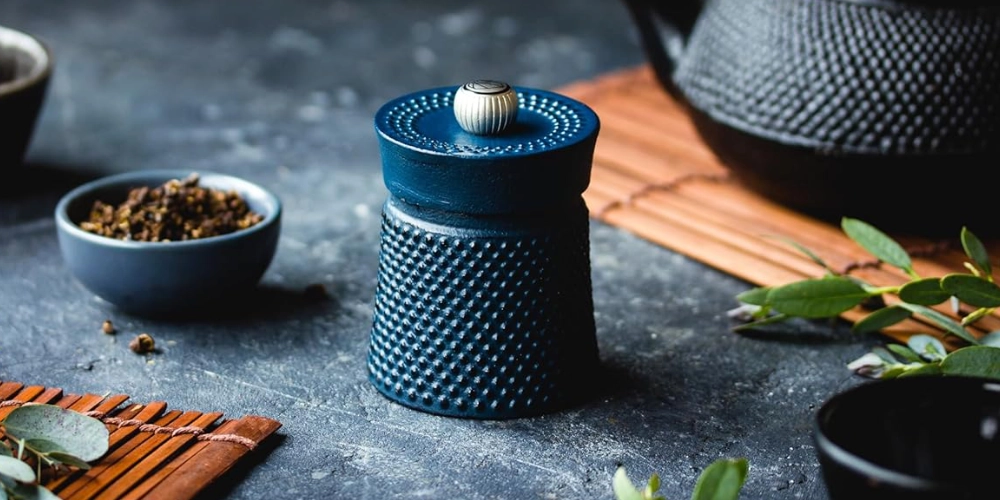
Peugeot Pepper Mill
Find it on Amazon >
Nutmeg
Taste and Aroma
Warm, sweet, slightly spicy with nutty undertones. Complex flavour that’s both sweet and savoury. Freshly grated nutmeg is incomparably better than pre-ground.
Info
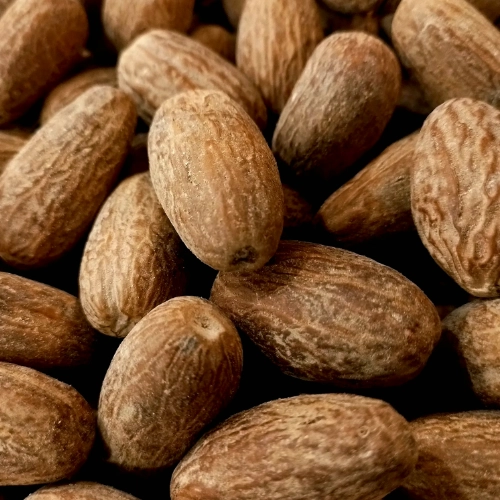
Essential in béchamel, and therefore in every gratin and soufflé and cream sauce that follows from it. Grated over spinach, chard, cauliflower. Into gratin dauphinois and quiches. Buy whole nutmegs and grate them each time, because ground nutmeg loses everything within weeks. The French rule: if you can taste it, you’ve used too much.
Cloves
Taste and Aroma
Intensely aromatic, warm, and slightly sweet with a numbing, almost medicinal quality. Very powerful, a little goes a long way.
Info
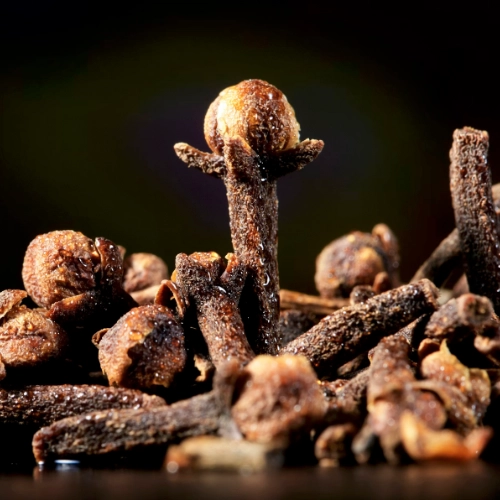
The French stick two or three cloves into an onion (oignon piqué) for vegetable stocks and sauces. Used in some vegetable terrines. Essential in mulled wine and with baked apples or pears. Occasionally in pain d’épices (spiced bread). The French use them sparingly because they’re powerful enough to dominate.
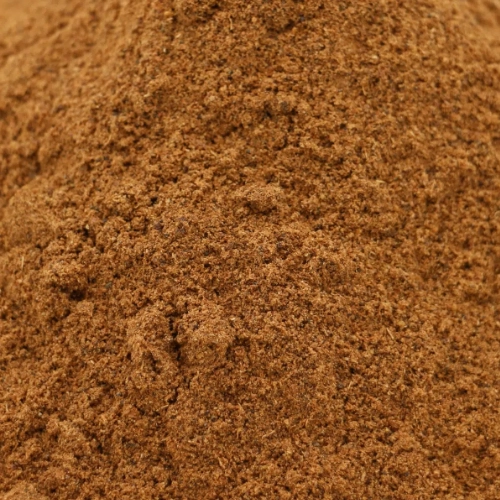
Quatre-Épices
Taste and Aroma
Warm, complex, slightly sweet and peppery. The pepper gives it a sharp edge, whilst the nutmeg and cloves add warmth and depth. If it contains ginger, there’s a subtle heat; if cinnamon, it’s warmer and sweeter.
Info
The exact composition varies, but the most traditional version is ground pepper (white or black), cloves, nutmeg, and ginger. However, many versions use cinnamon instead of ginger, particularly in pâtisserie. Essential in French charcuterie, pâtés, terrines, and sausages. Also used in some slow-cooked dishes, gingerbread (pain d’épices), and occasionally in vegetable terrines. The proportions vary depending on use, heavier on pepper for savoury dishes, more cloves and nutmeg/cinnamon for sweet applications.
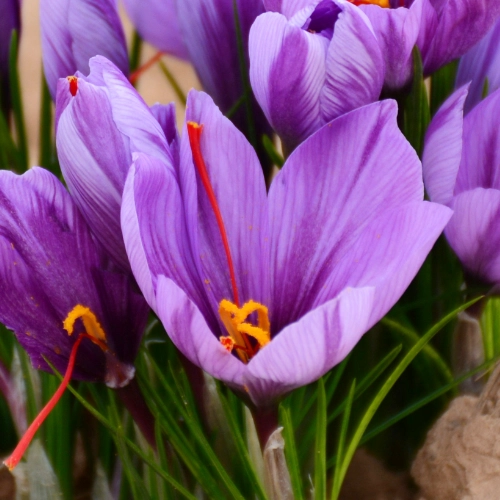
Saffron
Taste and Aroma
Floral, slightly sweet, with earthy, honey-like notes. The flavour is subtle and complex, distinctive but not overpowering when used properly. The colour it gives is golden yellow.
Info
Essential in bouillabaisse and bourride. A few threads steeped in a little warm liquid first, which gets far more out of them than dropping them in dry. It’s expensive, but you use so little that a small tin lasts a year.
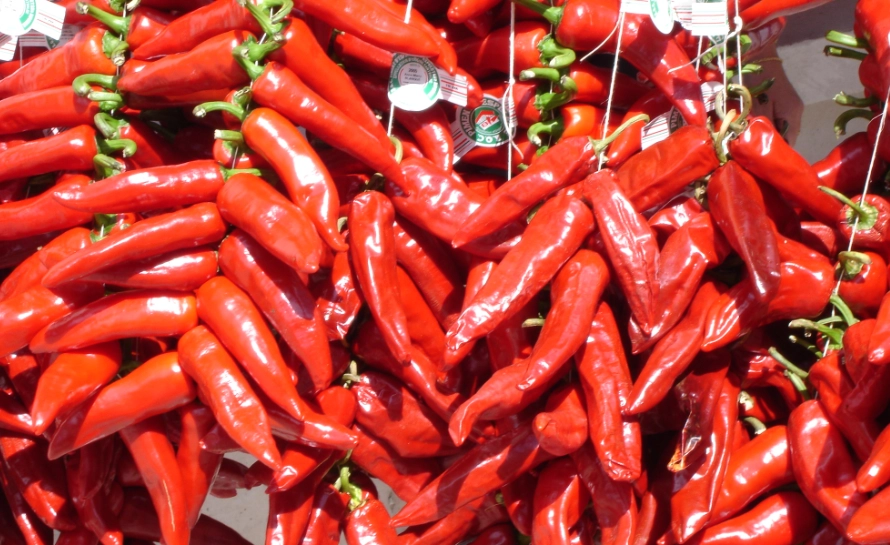
Piment d’Espelette
Taste and Aroma
Fruity and warm rather than aggressive.
Info
Worth knowing about and often missed. It’s a mild chilli from the Basque country, with its own AOP. The French use it where another cuisine would use paprika or cayenne: on eggs, with fish, in piperade, over goat cheese. If you want one French spice that isn’t in most people’s cupboards, it’s this.
Fresh or dried: the short version
Dry well, buy dried without guilt
Thyme, rosemary, bay, savory, oregano, marjoram. These hold their oils and dried versions are genuinely useful.
Buy fresh, always
Parsley, chives, chervil, tarragon, basil. Drying strips these of exactly the thing you wanted them for. Dried parsley in particular contributes nothing but colour.
Either, depending
Sage and fennel seed.
A note on storage
Dried herbs are not immortal. They go stale over about a year and then you’re seasoning with dust. Buy small jars, write the date on them, and if it doesn’t smell like anything when you open it, it isn’t doing anything in your pot either.
Fresh soft herbs, parsley and chervil, keep best stood in a glass of water in the fridge with a bag over the top. Hard herbs like thyme and rosemary keep for weeks wrapped in a damp cloth in the fridge drawer.
Growing your own
If you have any kind of outside space, a garden, a balcony, even just a sunny windowsill, growing your own herbs is absolutely worth it. I honestly don’t remember a day in my kitchen without some kind of fresh herb within reach.
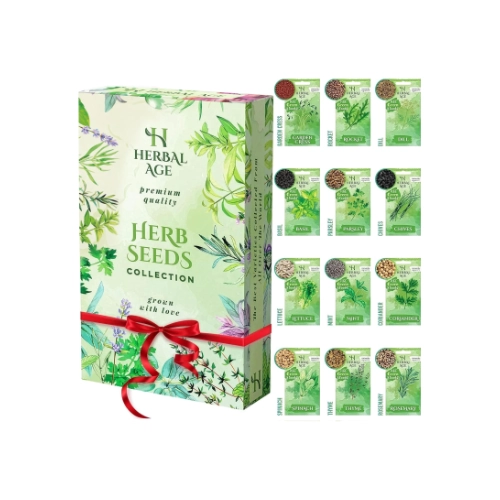
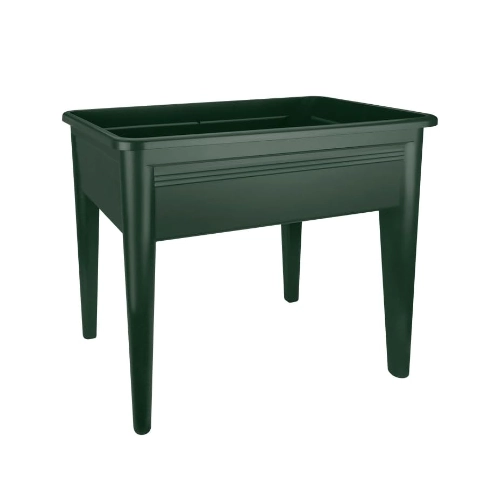
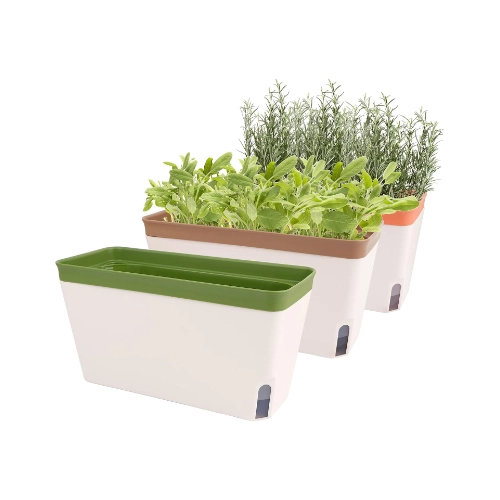
You can start with a few supermarket pots or treat yourself to proper nursery plants, and if you’re a bit more patient, you can buy seeds once and raise your own in a grow table or herb planter box. The ones that earn their space, in my experience, are:
- Parsley (curly or flat), goes on almost everything
- Thyme, disappears into sauces and stews in the best way
- Chives, for eggs, potatoes, and salads
- Tarragon, for fish, and simple creamy sauces
FAQ
What is a bouquet garni?
A small bundle of herbs added at the start of cooking and removed before serving. The classic combination is thyme, parsley stalks and bay leaf, tied with string or wrapped in muslin or a leek leaf. It flavours stocks, soups, stews and braises through long slow cooking.
What are fines herbes?
A mix of chervil, parsley, tarragon and chives, chopped finely and added raw at the very end of cooking or off the heat. It’s the classic omelette seasoning. Unlike bouquet garni, fines herbes are eaten rather than removed, and cooking destroys them.
What is the difference between fines herbes and bouquet garni?
They’re opposites. Bouquet garni is hardy herbs added at the start and fished out before serving. Fines herbes are delicate herbs added at the end and eaten. One flavours the liquid over hours, the other sits on top of the finished dish.
What is persillade?
Chopped parsley and garlic, chopped together rather than separately so the flavours combine. Used raw as a finishing scatter, or warmed briefly in butter or oil. Classic with baked scallops, roast potatoes, sautéed mushrooms and grilled fish. Add breadcrumbs and it becomes a crust for baked fish or tomatoes.
What is French parsley?
French cooks use flat-leaf parsley (persil plat) for flavour and curly (persil frisé) where texture matters. Flat-leaf is stronger, grassier and slightly peppery. The bigger difference from other cooking traditions is quantity: French recipes use handfuls rather than sprinkles.
What is in herbes de Provence?
There is no single official recipe. The backbone is thyme, rosemary, savory and marjoram or oregano. Some producers add basil, bay, fennel or tarragon. Lavender is contested: many French blends leave it out, and its inclusion is more common in mixes made for export.
What is the difference between French and Russian tarragon?
French tarragon has the aniseed and vanilla flavour used in béarnaise and fines herbes, and can only be propagated from cuttings. Russian tarragon grows from seed, is hardier, and tastes of very little. Any tarragon sold as seed is Russian.
How long do dried herbs last?
About a year before the flavour fades noticeably. Buy small quantities, write the date on the jar, and if it doesn’t smell of anything when opened it isn’t going to do anything in the pot.
Over to you
So that’s it. Not a long list, just a small set of flavours used properly and used often.
The French approach has become entirely my own at this point: more parsley than seems reasonable, thyme sneaking into anything that’s going to simmer, and a bay leaf in every pot without really deciding to.
What about you? Which herbs do you reach for without thinking? And if you’ve stumbled on a combination that works absurdly well, tell me. That’s how home cooking actually gets better, one handful at a time.
This post may contain affiliate links. If you buy through them I earn a small commission at no extra cost to you, and it helps keep this blog running. Please read my disclosure policy for more information. I am grateful for your support.