 January 11, 2026
Disclosure: This post may contain affiliate links which provide us a small commission when used for purchase. Please read my disclosure policy for more information. I am grateful for your support!
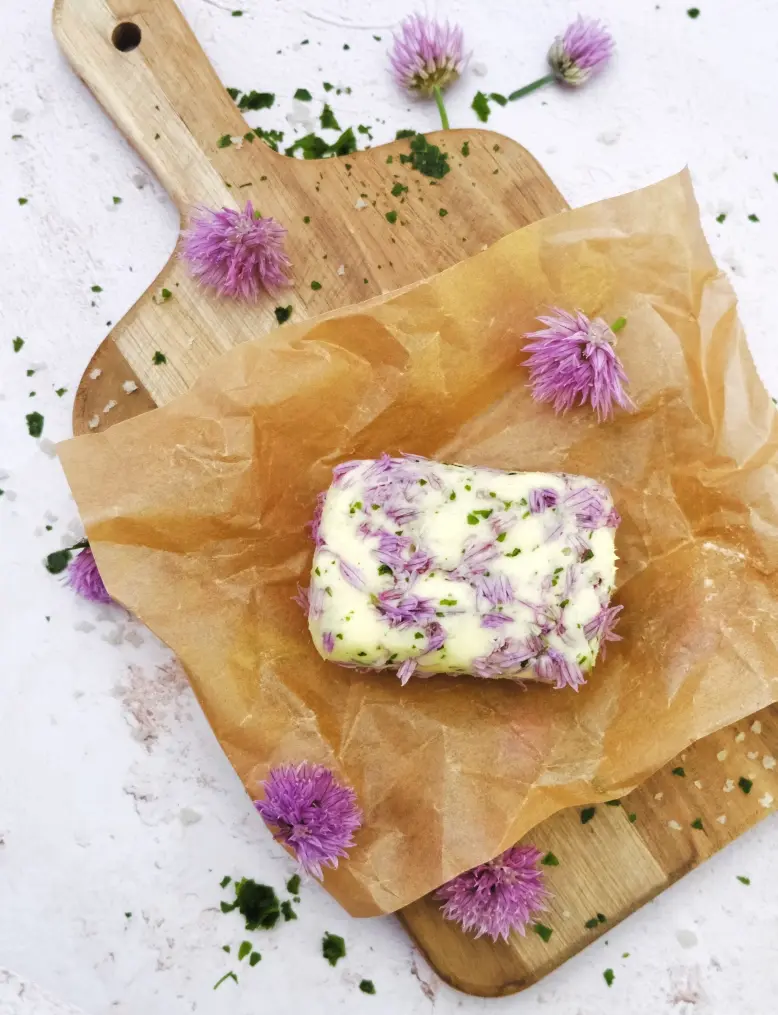
I was round at my neighbours’ when I spotted their chives absolutely covered in blossoms, unlike mine which this year completely refused to grow. I asked if they used the flowers for anything, and they had no idea you could even eat them. So for once I got to introduce them to something new, instead of the other way round, which was very satisfying.
We cut the flowers, I went home, and made this chive blossom butter straight away. I rolled three small logs, one for each neighbour and one for us. They all loved it and asked for the recipe, so here it is!
Table of Contents
Where chive blossom butter comes from
Chive butter is a compound butter, or what the French call a beurre composé. That means a butter mixed with aromatics, used to add flavour to a finished dish rather than to cook in.
It can be sweet or savoury, served cold or warm, and French cuisine has made it a real institution, and it was Escoffier who tidied the beurres composés into the codified list. You’ll know some of them already. Beurre maître d’hôtel is parsley and lemon. Beurre d’escargot is garlic and herbs. Beurre Suzette is the one for crêpes. And The list goes on though: beurre d’anchois, beurre d’estragon, beurre de crevettes, beurre de roquefort, and dozens more, each one a simple way of adding a layer of flavour to a finished dish.
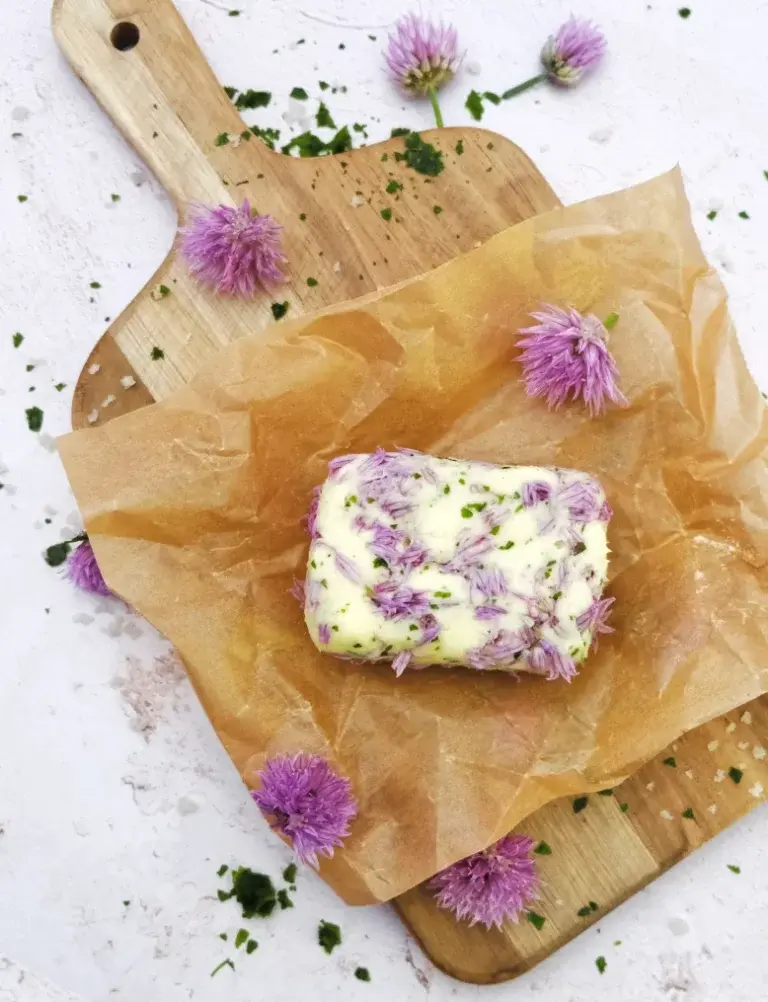
This chive butter recipe uses both the blossoms and the green chive stems, so you get two layers of flavour: the subtle floral sweetness of the flowers and the sharper, more familiar chive taste. The petals also tint the butter a soft purple-pink as you mix, which makes the butter look gorgeous on the table!
Ingredients
- Chive flowers – These blossoms bring a gentle floral-onion sweetness and tint the butter purple-pink. Wash gently and dry completely, because any moisture will make the butter weep.
- Butter – The base, so use a good one. Use a good French unsalted butter and season it yourself, or use a French salted butter.
- Parsley or chive stems – For the clean green note and a sharper chive bite under the floral sweetness. Fresh and finely chopped.
- Flaky salt and black pepper – Flaky salt from Camargue is what makes the whole thing taste brighter. Season to your taste.
How to make chive blossom butter
1. Prep and dry the flowers
Wash the chive flowers gently under cold water, since they’re delicate, then pat them bone dry with a tea towel. If you leave any moisture on the petals, they will make the butter weep, which will cut its shelf life right down. Set about five whole flowers aside for decorating, then pull the petals off the rest. You want individual petals for mixing, not whole blooms, and the green flower stems can go.
2. Mix the butter
Your butter needs to be nice and soft, spreadable but still holding its shape, so take it out an hour ahead. Don’t microwave it, because melted butter won’t work here. Mash the petals and the chopped parsley or chive stems through the soft butter with a fork.
If you’re using unsalted butter, add flaky salt to add brightness and a faint mineral taste which lifts the compound butter. If you’re using salted butter, only add the grind of pepper, until everything’s evenly spread.
It’ll turn a soft purple-pink as you go.
3. Shape, chill and decorate
Spoon the butter onto cling film in a rough line, fold over and roll it into a tight log, twisting the ends like a Christmas cracker. Or you can make butter shape rectangles, which is what I did. It all depends on the end-shape you prefer. The tighter you create the shape, the neater your slices will be later.
Chill for at least 2 hours until firm. If you want to decorate it, press your reserved flowers (broken into small sections) into the slightly softened outside of the butter, rewrap, and give it another 30 minutes in the fridge.
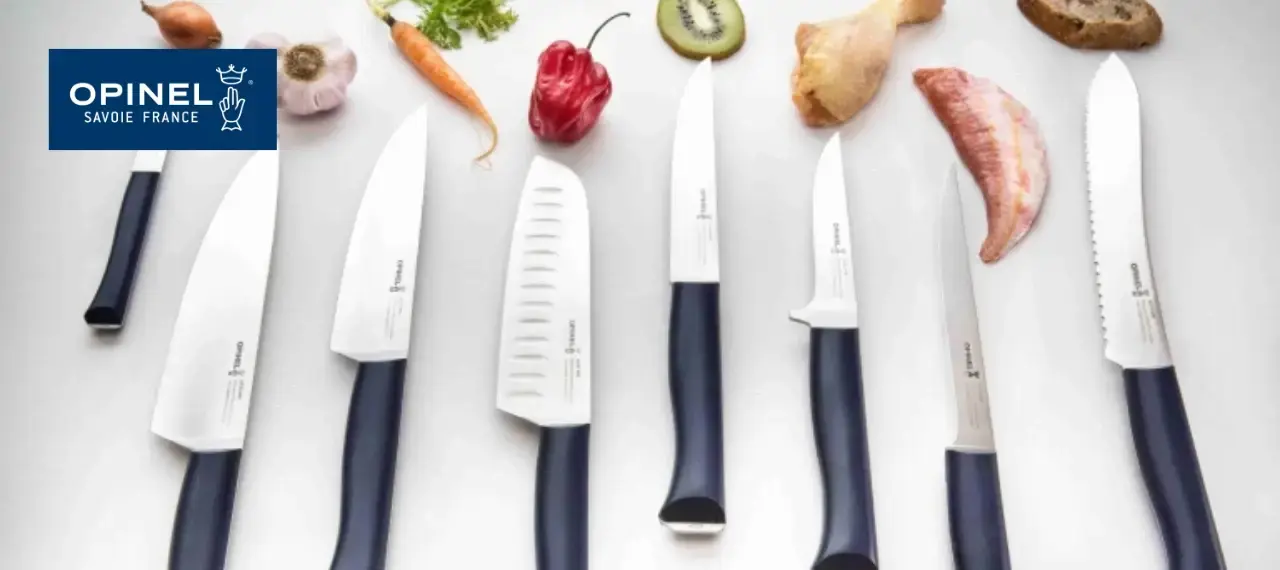
Tools for this recipe
Check out my favorite kitchen essentials and cookware!
- Use a sharp Chef’s knife to effortlessly cut your herbs.
- I present my butter in a butter dish so people can help themselves.
- I use a butter knife to spread this chive blossom butter on crusty bread.
Tips for success
- Dry the flowers completely: this is very important! Any water left on the petals makes the butter weep and spoil faster, so pat them properly dry and don’t rush it.
- Soft butter, never melted: you want it spreadable but still holding shape. Melted butter won’t take the flavour evenly and won’t set into a proper shape. An hour out of the fridge usually does it.
- Shape it tight: a tightly shaped butter gives you clean slices later. A loose one goes ragged when you cut it. So make sure it’s nice and firm.
- Use it where you can taste it melt: this butter is wasted stirred into mash or rice, where the delicate flavour vanishes. Save it for food where a cold slice melts on top and you actually notice it.
How to store it
- In the fridge, this keeps for about 2 weeks. The flowers fade from vibrant purple to a softer mauve over time, but they’re still perfectly good to eat. The clean green and onion flavours hold up well across those two weeks.
- You can also freeze it for up to 3 months. You can slice it first and lay the slices on parchment on a tray to freeze them solid, then tip them into a freezer bag. That way you can pull out a slice at a time. The colour fades a bit more noticeably after freezing, but the taste stays put.
- The single biggest thing for storage, either way, is making absolutely sure your flowers were bone dry before mixing. Any moisture speeds up spoilage a lot, so that drying step earns its keep here.
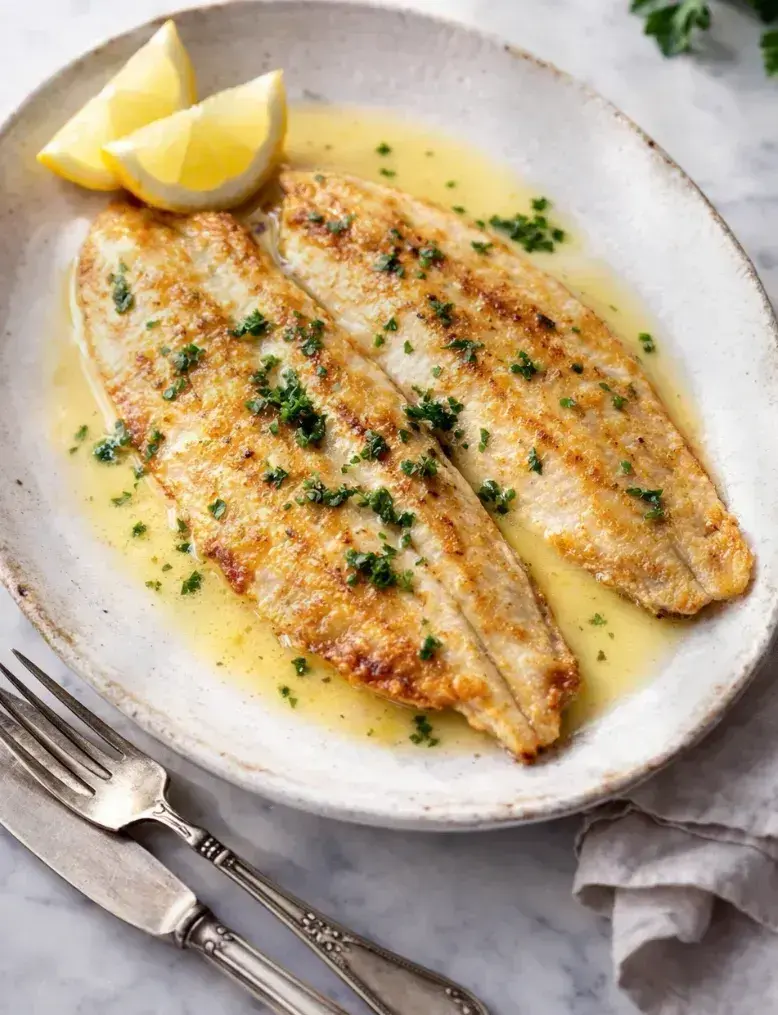
More recipes to try
Variations
- Stems-only, any time of year: if you do not have any chive blossoms, you can make a very good chive butter with just the chopped green stems. You lose the floral sweetness and the pink tint, but it’s still brilliant the rest of the year.
- Add a squeeze of lemon: a little lemon zest or juice brightens it further and nudges it towards a maître d’hôtel sort of butter. And it’s very good on fish.
- Garlic for depth: a small crushed clove worked in gives a more savoury, beurre d’escargot feel. Lovely melted over new potatoes.
- Other edible flowers: once you’ve got the method, the same trick works with other edible blossoms, nasturtiums for a peppery kick, or borage.
FAQ
Can you eat chive flowers?
Yes, the whole chive blossom is edible. The flowers have a gentle onion sweetness, milder and more floral than the green stems, and they tint butter a soft purple-pink. Just wash and dry them well before using.
When can you make chive blossom butter?
Chive blossoms appear from around April through June, depending on where you are, so late spring is your window. You can make a stems-only chive butter the rest of the year, but the flowers are what make this one special.
Can I make chive blossom butter ahead of time?
Absolutely, it’s made to be made ahead. It keeps about 2 weeks in the fridge and up to 3 months in the freezer. Just be sure the flowers are completely dry before mixing, since any moisture shortens its life.
What do you eat chive blossom butter with?
Anywhere you’ll taste it melt: grilled white fish like sea bream or sole, steamed or baked asparagus, boiled new potatoes, crusty bread, or a plain omelette. Skip it in mash or rice, where the delicate flavour gets lost.


 Prep Time 15 minutes
  Total Time 2 hours 45 minutes
  Servings 8 serving
Description
Ingredients
- 15 g chive flowers washed and dried
- 115 gr salted butter
- 2 tbsp parsley or chive stems
- salt and black pepper
Equipment

Instructions
1. Prep the chive flowers
- Wash the flowers gently under cold water and pat completely dry with a tea towel. Any moisture will make the butter weep. Set about 5 whole flowers aside for decoration. Pull the petals off the rest, discarding the green stems and any tired-looking bits.
2. Soften the butter
- Take the butter out about an hour ahead so it's soft and spreadable but not melting. If you've forgotten, cut it into small cubes to speed it up. Don't microwave it.
3. Mix the butter
- Put the soft butter in a bowl. Add the flower petals, the chopped parsley or chive stems, and a good grind of black pepper. Mix well with a fork or heat-resistant spatula until evenly distributed. It'll turn slightly purple-pink, which is normal.
4. Shape the log
- Lay out a piece of cling film (dampen the surface underneath to hold it in place). Spoon the butter into a rough line down the centre, fold the film over, and roll into a log about 2.5cm thick. Twist the ends like a cracker to seal. The tighter you roll, the neater the slices.
5. Chill until firm
- Refrigerate for at least 2 hours, until completely firm. Or use it straight away if you're not decorating.
6. Apply the decorative flowers (optional)
- Unwrap the log and let it sit for 2 minutes so the outside softens slightly. Break the reserved flowers into 2 to 3 sections and press them gently into the surface, spacing them evenly. Rewrap, roll gently to help them stick, and chill another 30 minutes.
7. Slice and serve
- Unwrap and cut into rounds with a sharp knife. For clean slices, run the knife under hot water and dry it between cuts. Serve straight away, or keep the slices chilled until needed.
Notes
- Best uses: grilled white fish (sea bass, sole, halibut), boiled or roasted new potatoes, steamed asparagus, crusty bread, or a plain omelette. The trick is food where you taste the butter melt. It’s wasted in mash or rice.
- Keeps about 2 weeks in the fridge. The flowers fade to a softer mauve over time but are still fine to eat.
- Freezes for up to 3 months. Slice first, freeze the rounds on parchment, then bag them. The colour fades a bit more after freezing, but the taste holds.
- Bone-dry flowers are the key to longer storage. Any moisture speeds up spoilage, so dry them properly before mixing.
Share your feedback and spread the love!
If you try this recipe, I’d love to hear how it turns out! Leave a ★★★★★ rating and your thoughts in the comments, it helps fellow French foodies discover this recipe too. Snap a photo and tag @obviously.french on Instagram. Come talk about it in our Facebook group. And don’t forget to save this recipe to Pinterest so you’ll always have it handy for your next French-inspired meal!