 January 17, 2026
Disclosure: This post may contain affiliate links which provide us a small commission when used for purchase. Please read my disclosure policy for more information. I am grateful for your support!
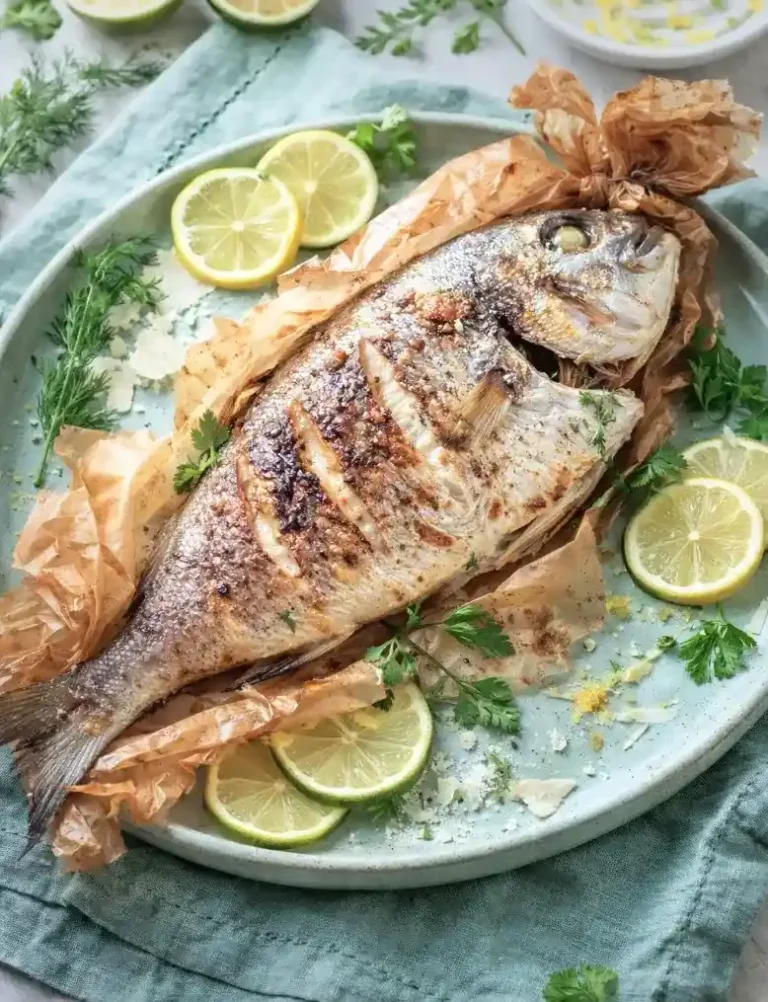
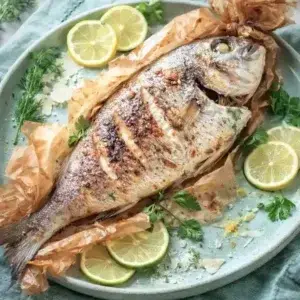
I might not eat meat, but I do love fish! That probably comes from my Southern French roots. If you’ve ever wandered along the French Mediterranean coast and stopped to read a restaurant menu, you’ll have seen whole roasted fish everywhere. Roasted sea bream, baked trout, you name it.
Down South, a whole fish with lemon, herbs and good olive oil is just what you eat. And the French aren’t remotely squeamish about a whole fish instead of fillets. Neither am I. My husband is a different story though. He’s never been a fan of dissecting his meal at the table.
But in most French homes the whole roasted sea bream goes straight from the oven to the table and everyone helps themselves. No filleting in advance, and nobody minds the head. You wouldn’t want to remove it anyway, because the cheeks are the best part of the fish, so don’t let them go to waste. And yes, the eyes go milky when cooked. Just look at the crispy skin instead and you’ll be fine.
If the head does bother you, like it does my husband, just ask your fishmonger to remove it before you take it home. You’ll lose a tiny bit of flavour but it’s not the end of the world.
Preparing fish is not as hard as you think, even though it looks impressive, you only need a few ingredients, one tray, and half an hour in the oven. Let’s get into this roast bream recipe.
Table of Contents
Where roasted sea bream comes from
The idea behind this is as old as the hills. Whole fish roasted with aromatics has been standard Mediterranean cooking for centuries.
The logic is dead simple: the bones and skin protect the delicate flesh from drying out, whilst the cavity, stuffed with lemon and herbs, perfumes the meat from the inside as it cooks. You’re basically steaming the fish in its own moisture.
Cooking fish on the bone is far more forgiving than cooking fillets. The skeleton conducts heat evenly through the flesh, and the skin creates a barrier that stops it drying out even if your timing’s a bit off.
Sea bream, or daurade royale in French, is one of the most prized fish along the French coast. Wild sea beam is still caught off the Mediterranean and fetches serious money at the market. The flesh is firm, sweet, and stays remarkably moist when you cook it right.
Open something cold and white like a Chablis to drink with this oven baked sea bream. A Chablis is crisp and the minerals go great against the sweet fish. A dry Provençal white or a Picpoul de Pinet would do the same job if you fancy something more southern.
Ingredients
- Whole sea bream – The star of this recipe. Gutted and scaled, 600 to 800g feeds two generously. Ask for daurade royale, gilthead bream, or royal sea bream if your fishmonger looks blank. It should smell of the sea, not fishy.
- Olive oil – A good one, since it’s a lead flavour here, not just grease for the tray. It’s for rubbing on and drizzling at the end.
- Lemon – Half stuffed inside to perfume the flesh, half squeezed over at the end. The citrus is what makes this taste Mediterranean.
- Thyme and parsley – The classic herbs for the cavity and scattering.
- Garlic – Thinly sliced, tucked into the cavity. Don’t worry, they become gentle and sweet once roasted, not harsh.
- Dill or fennel fronds – Optional but lovely. Fennel especially suits fish and gives a faint aniseed note.
- Coarse sea salt and black pepper – Season harder than feels right, inside and out. The fish needs it.
How to make roasted sea bream
1. Prep, slash and stuff
Get your oven hot, 200°C (180°C fan). Rinse the fish and pat it properly dry, inside and out, because wet skin steams instead of crisping and you’ll never get that golden finish.
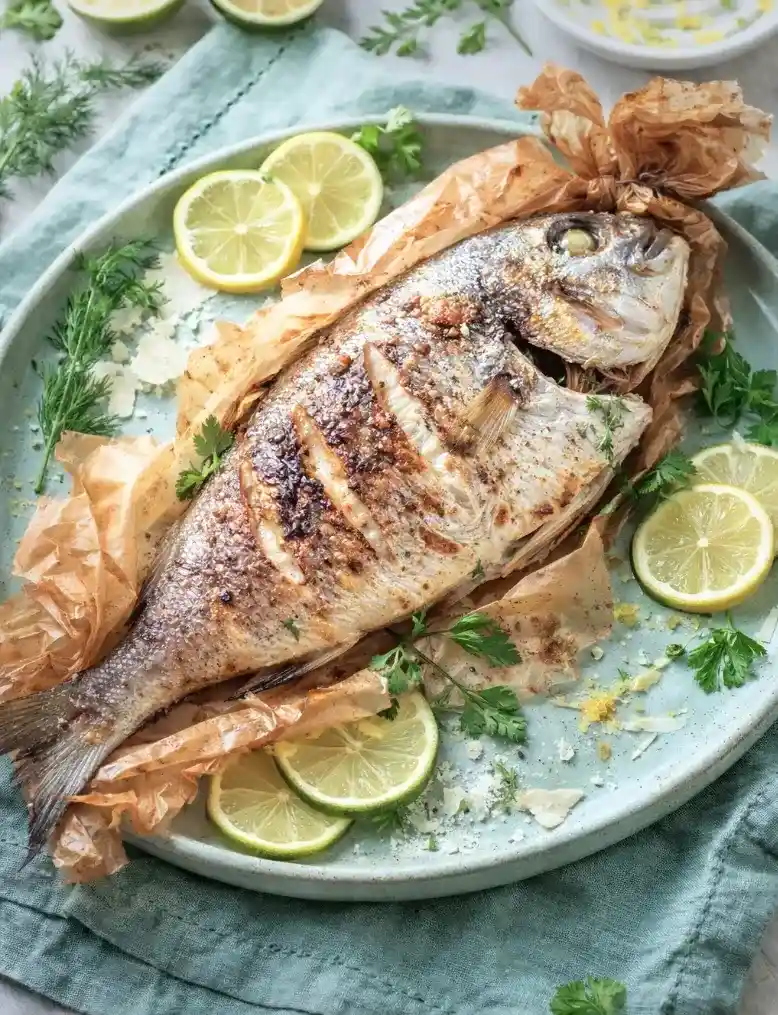
Then make three diagonal slashes through the skin on each side, about 1cm deep. Don’t skip these, as they help the fish cook evenly. Rub the outside all over with a good olive oil and season generously, more coarse sea salt than you think, since it’s a whole fish and most of it won’t get seasoned otherwise. Then stuff the cavity with lemon slices, thyme, parsley and the sliced garlic. Don’t overdo it, you want the fish to close naturally, not bulge.
2. Roast
Place the fish onto your baking tray lined with your baking mat and pop it into the oven for 25 to 30 minutes. A 600g fish wants about 25, an 800g one closer to 30. You’re after golden, crispy skin and flesh that’s turned opaque and flakes easily when you test it with a knife near the backbone, which is the thickest, slowest part.
3. Rest and serve
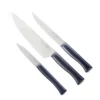
Let it rest 5 minutes, because a fish straight from the oven falls apart and a rested one holds together. Then move it carefully to a warm oval fish platter, supporting the middle with a fish slice or a double spatula, or it’ll break on you. Drizzle with more olive oil, squeeze over the remaining lemon, scatter with parsley, take your fish filleting knife and take it to the table whole with lemon wedges on the side.
Tools for this recipe
Check out my favorite kitchen essentials and cookware!
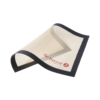
- Use a perforated baking mat to bake the fish perfectly.
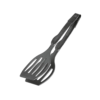
- I use my trusty, affordable double spatula to move the fish carefully.
- I use a stainless steel baking tray to distributes heat evenly from head to tail.
Tips for success
- Dry the skin properly: Pat the skin thoroughly with kitchen paper, and if you’ve got time, leave it uncovered in the fridge for 20 minutes to dry out further. Damp skin will steam, but dry skin will crisps beautifully.
- Don’t skip the slashes: three slashes per side of 1cm deep. They cook the fish evenly and let the seasoning into the flesh. A whole fish with no slashes cooks unevenly and tastes only seasoned on the surface.
- Season harder than feels right: it’s a whole fish, so most of the flesh only gets seasoned through the cavity and the slashes. Be generous inside and out!
- Buy the freshest fish you can: your fish should smell of the sea, not fishy. Clear bright eyes, red gills and a firm flesh that springs back. Fresh fish is 90% of a good result here.
- Two smaller fish beat one big one: If you’re feeding four people, Get two 600 to 800g fish rather than one monster big one. They cook far more evenly, and you’re less likely to end up with a dry tail and an underdone middle.
How to store it
- Roasted sea bream is best eaten straight away, whilst the skin’s crisp. But leftovers are genuinely useful, so don’t bin what you don’t finish, obviously. Flake the cold flesh off the bones (checking carefully for stray bones) and keep it in the fridge for up to two days in a sealed glass container.
- Cold roast fish is excellent too! Flake it through pasta with olive oil, chilli, garlic and lemon. Fold it into fish cakes. Or scatter it over a salad. The skin won’t be crispy the second day, but the flesh is still sweet and delicious.
- I wouldn’t reheat the whole fish, since it dries out and you lose the texture. Better to use the flaked flesh cold, or barely warmed through in a pasta.
More fish recipes to try
Variations
- Swap in sea bass: Sea bream is classic, but sea bass roasts exactly the same way and is just as flavourful. Use whichever looks freshest at the fishmonger.
- Go Provençal: add cherry tomatoes, olives and a few slices of fennel to the tray around the fish. They roast in the fish juices and give you a side at the same time.
- Fennel, Pernod or Ricard: Stuff the cavity with fennel fronds and add a splash of Pernod or Ricard to the tray for a proper southern, aniseed-scented version.
- Whole tray dinner: roast new potatoes and courgettes on a tray for 15 minutes first, then lay the fish on top and finish it all together. That’s one tray for a whole dinner!
FAQ
What’s the difference between sea bream and sea bass?
Both are white, firm Mediterranean fish that roast the same way. Sea bream (daurade) is a touch sweeter and rounder in shape; sea bass is slightly leaner and longer. In this recipe they’re interchangeable, so buy whichever’s freshest.
How long do you roast a whole sea bream?
A 600g fish takes about 25 minutes at 200°C (180°C fan), and an 800g one closer to 30. It’s done when the skin is golden and crisp and the flesh near the backbone is opaque and flakes easily.
How do you get crispy skin on roasted sea bream?
Dry the skin thoroughly before roasting, which is the single biggest factor. Pat it with kitchen paper, and if you can, leave it uncovered in the fridge for 20 minutes first. Rub with oil, season well, and roast in a properly hot oven. Damp skin steams but dry skin crisps u beautifully!
How do you know when sea bream is cooked?
The flesh should be opaque all the way through, especially near the backbone where it’s thickest, and flake easily when you test it with a knife. The eyes turn white and pop slightly. If the flesh still looks translucent near the bone, give it a few more minutes.
Can I make roasted sea bream ahead of time?
It’s best fresh from the oven while the skin’s crisp, so it’s not an ideal make-ahead dish. But leftovers keep for two days and are excellent cold, flaked through pasta or salad. Prep the stuffing and slashing ahead if you want to save time, then roast just before serving.
Do you eat the skin of sea bream?
Yes, and it’s the best bit when it’s properly crisp! Roasted sea bream skin goes golden and crackly, and it’s traditional to eat it. Getting it crispy is the whole reason for drying the fish and roasting it hot.


 Prep Time 10 minutes
  Cook Time 30 minutes
  Total Time 40 minutes
  Servings 2
Description
Ingredients
- 1 sea bream 600-800g, gutted and scaled
- 2 tbsp olive oil plus extra for drizzling
- 2 lemon for stuffing and for serving
- 3 sprigs thyme
- 4 parsley
- 2 cloves garlic thinly sliced
- 1 handful dill or fennel fronds
- coarse sea salt
- black pepper
Equipment
Instructions
1. Prep the fish
- Heat the oven to 200°C (180°C fan). Rinse the fish under cold water and pat completely dry with kitchen paper, inside and out. This matters for crispy skin!
2. Slash and season
- Make three diagonal slashes on each side, cutting through the skin and about 1cm into the flesh. Season the cavity generously with salt and pepper.
3. Stuff the fish
- Slice half a lemon into thin rounds. Stuff the cavity with the lemon, a few sprigs of thyme and parsley, and the sliced garlic. Don't overstuff it, so the fish closes naturally.
4. Season the outside
- Rub the fish all over with olive oil and season generously with salt and pepper, more than you think. Scatter a few more herbs on top and tuck some into the slashes.
5. Roast
- Place the fish on the mat-lined tray and roast for 25 to 30 minutes. A 600g fish needs about 25; an 800g one closer to 30. The skin should be golden and crisp, the flesh opaque and flaking easily.
6. Rest and serve
- Rest the fish for 5 minutes. Transfer to a serving platter, supporting the middle with a double spatula so it doesn't break. Drizzle with olive oil, squeeze over the remaining lemon, scatter with parsley, and serve with lemon wedges.
Notes
- Sea bream is classic, but sea bass works brilliantly too. Ask for “royal sea bream” or “gilthead bream” if your fishmonger looks blank.
- Buy it fresh. It should smell of the sea, not fishy. Eyes clear and bright, gills red, flesh firm.
- Two smaller fish beat one big one for four people. They cook more evenly than one large fish.
- The drier the skin, the crispier it’ll be. Pat thoroughly, or give it 20 minutes uncovered in the fridge if you’ve time.
- How to tell it’s done: the flesh should be opaque to the backbone and flake easily. The eyes turn white and pop slightly.
- Sides: boiled new potatoes with parsley and butter, a green salad, good bread, roasted cherry tomatoes or sautéed courgettes.
- Leftovers: flake through pasta with olive oil, chilli, garlic and lemon, or into fish cakes or a salad. Cold roast fish is excellent.
Share your feedback and spread the love!
If you try this recipe, I’d love to hear how it turns out! Leave a ★★★★★ rating and your thoughts in the comments, it helps fellow French foodies discover this recipe too. Snap a photo and tag @obviously.french on Instagram. Come talk about it in our Facebook group. And don’t forget to save this recipe to Pinterest so you’ll always have it handy for your next French-inspired meal!