 March 29, 2026
Disclosure: This post may contain affiliate links which provide us a small commission when used for purchase. Please read my disclosure policy for more information. I am grateful for your support!
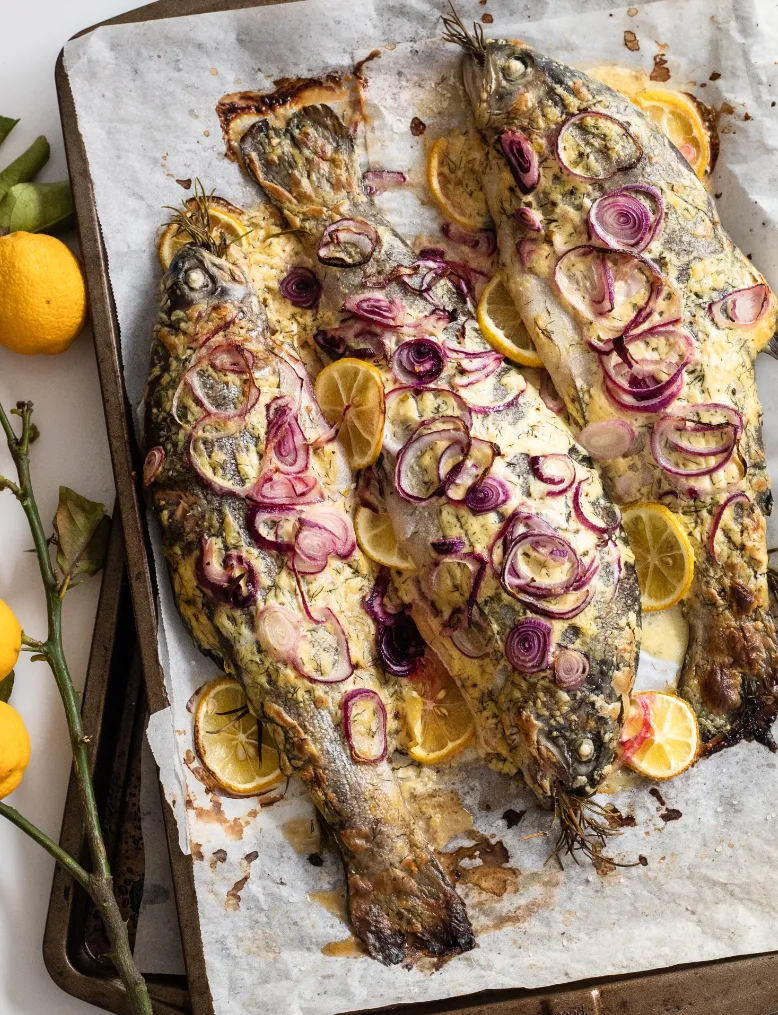
As pescatarians, fish is a big part of how we eat, and I always look forward to a baked trout when it’s on the menu that week. Made with the iconic French Dijon mustard, this meal looks splendid, even though it’s actually very simple to make.
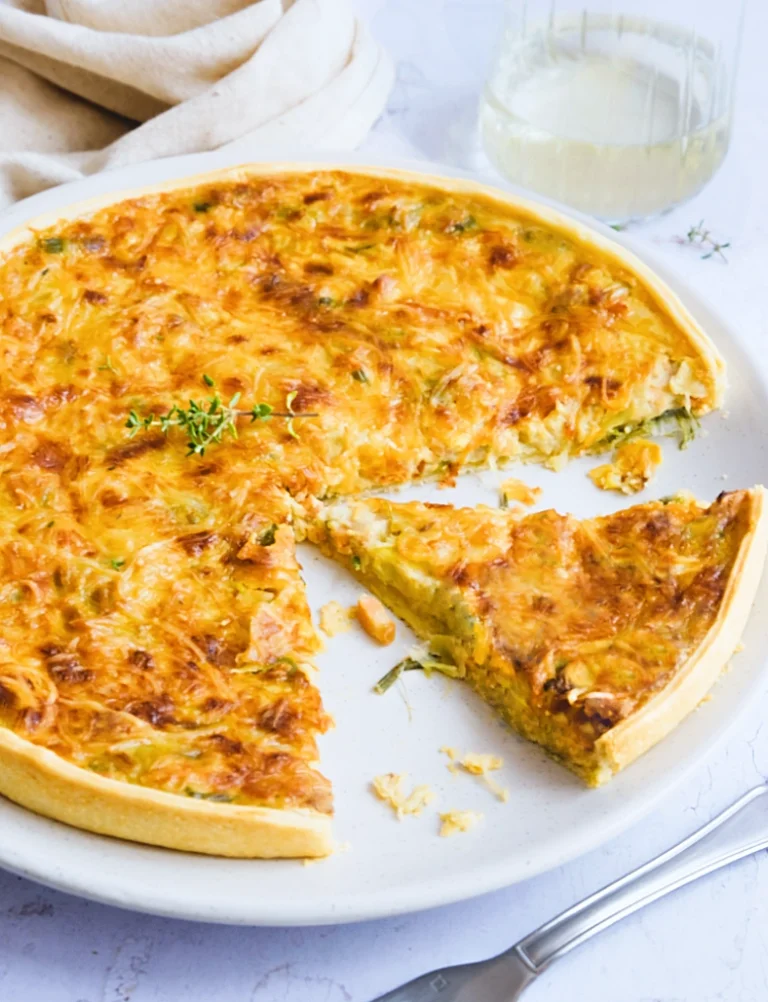
I’ll admit I came to trout late! For years I’d see it in the supermarket, half-think it was salmon, and put it back, assuming a freshwater fish would taste like less. I’m so glad I finally took one home though. The flavour and texture are close to salmon, and lovely in their own right, so much so that I’ll sometimes swap it into my mini salmon quiche. If you’re where I once was, take this as your push: try the trout, I promise you you won’t regret it!
Table of Contents
Where baked trout comes from
Trout and mustard is a well-known pairing in French cooking, and it makes sense when you think where both come from. Trout is farmed widely across France, especially in the cold, clear mountain rivers of the Alps, the Pyrénées and the Auvergne, which give it a delicate, sweet flesh. It’s been on French tables since long before salmon became the default.
The mustard brings its own history. Moutarde de Dijon has been made in Burgundy since the Middle Ages, first served at the table of King Philip VI in 1336, with Dijon granted exclusive rights to it in the 17th century. The smooth, pale, sharp style we know today came later. A Dijon craftsman named Jean Naigeon is traditionally credited with the key change, swapping the vinegar in the old recipe for verjuice, the sour juice of unripe grapes, which gave the mustard its cleaner, milder sharpness. (The exact date is disputed and a bit hazy in the records, but the change is what matters.) Today most Dijon mustard uses white wine, or a wine-and-vinegar mix, to echo that original verjuice tang.
Put the two together and you get a baked trout that’s pure French home cooking: a little sharp classic on the table in half an hour.
Ingredients
- Whole trout – Cleaned and gutted. The delicate, sweet freshwater fish at the heart of this. Buy them bright-eyed and fresh-smelling; ask the fishmonger to gut them for you.
- Dijon mustard – Non-negotiable, and the soul of the dish. Its clean, sharp heat caramelises into the crust. English mustard is too fierce, wholegrain too textured.
- Crème fraîche – Loosens the mustard, tempers its sharpness, stops it burning, and adds richness. The partner that makes this crust work.
- Red onion – Softens to sweet and jammy in the oven, and brings colour against the mustard.
- Lemon – Sliced, tucked in the cavity and over the top, to steam the fish and keep it bright.
- Dill – Fresh, for the cavity and the top. Or tarragon for a more classically French note.
- Butter – A knob in each cavity, to baste the fish from the inside as it bakes.
- Olive oil – A drizzle over the top before baking, to help everything colour and crisp.
How to make baked trout with Dijon mustard
1. Prep and stuff the fish
Pat the trout properly dry inside and out (a dry fish crisps and browns; a wet one steams), and score the skin a few times on each side so it cooks evenly and takes the seasoning. Season inside and out, then tuck a knob of butter, a few lemon slices, some dill and a few onion rings into each cavity. Don’t overstuff, the cavity should close loosely.
2. Make and spread the mustard crust
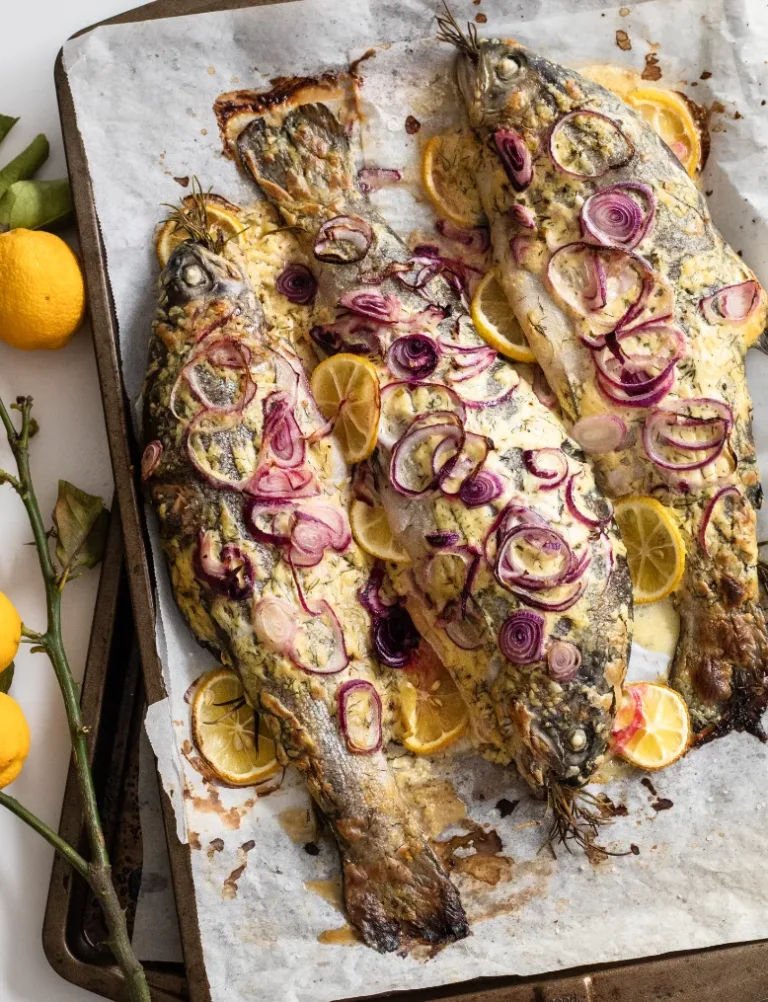
Mix the Dijon mustard and crème fraîche together, then spread it generously over the top of each fish, be generous with it. Lay the remaining lemon slices and onion rings over the top, pressing them lightly into the coating so they stay put, and tuck the last of the dill around the fish. At last, add a drizzle of olive oil over everything.
3. Bake
Into a hot oven until the mustard crust is golden and lightly crisped at the edges and the flesh flakes easily at the thickest point, about 20 to 25 minutes. No turning, no basting. Bring the tray straight to the table.
Tools for this recipe
Check out my favorite kitchen essentials and cookware!
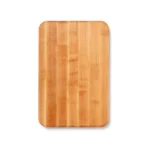
- Use a flat, heavy baking tray that conducts heat straight to the base of the fish for even cooking and a browned underside.
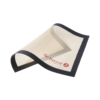
- Use a baking mat so the fish doesn’t stick and the mustard crust doesn’t catch unevenly.
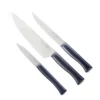
- Use a sharp knife to score the skin cleanly.
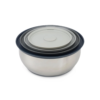
- Use a small mixing bowl to combine the mustard and crème fraîche.
Tips for success
- Pat the trout really dry first: a dry surface is what lets the skin crisp and the crust brown. A wet fish steams instead, and the mustard slides off. Use kitchen paper, inside and out.
- Be generous with the mustard crust: this is the whole flavour of this bake trout recipe, so don’t be shy. A thin scrape won’t caramelise into that golden, sharp crust the way a proper layer does.
- Don’t skip the crème fraîche: it’s not just richness, it stops the mustard catching and burning, and tempers the sharpness into something balanced.
- Score the skin: a few diagonal cuts on each side help the fish cook evenly and let the seasoning in. It also makes it easier to tell when it’s done.
- Don’t overbake it: trout is delicate and cooks fast. Pull it the moment the flesh flakes at the thickest point, since a few minutes too long dries it out. 20 to 25 minutes is usually plenty.
How to store it
- Baked trout is at its best straight from the oven, when the crust is crisp and the flesh just set. But leftovers keep well.
- Keep cooled leftover trout, covered in a glass container, in the fridge for up to 2 days. The crust softens, so it’s loveliest reheated gently in a low oven rather than the microwave (which can make fish rubbery), or, honestly, eaten cold, flaked through a salad or into a jacket potato the next day.
- I wouldn’t freeze the baked trout once cooked, the texture of the fish suffers and the crust weeps. Trout is best bought fresh and cooked fresh, which happily takes barely half an hour.
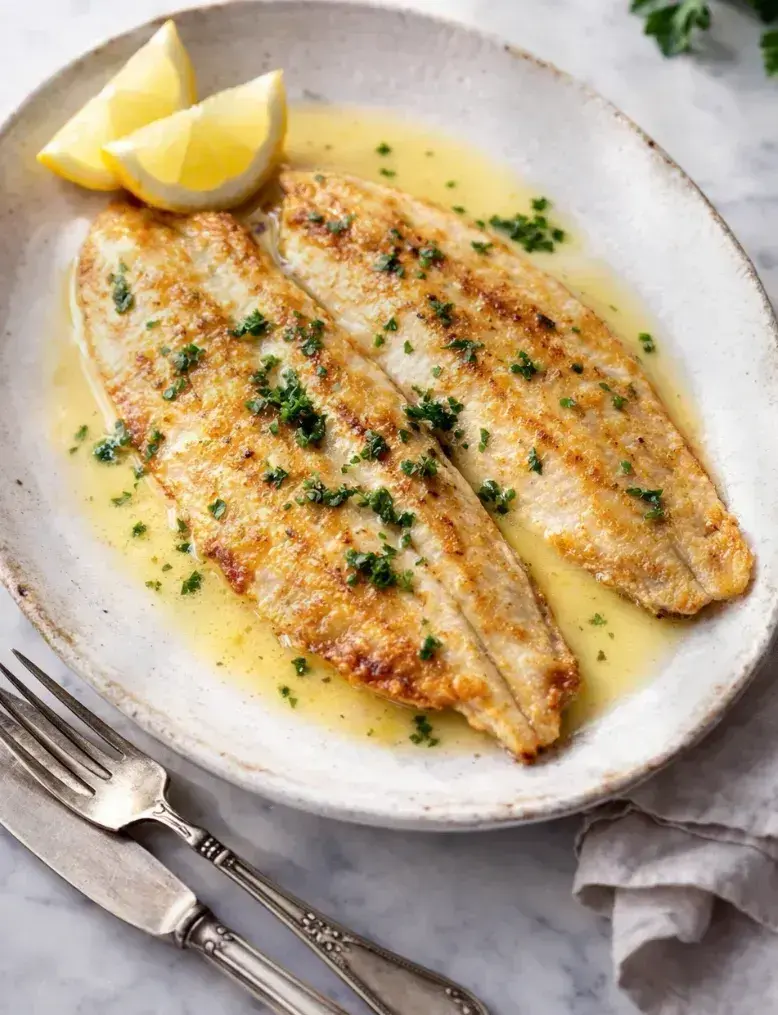
More fish recipes to try
Variations
- Use tarragon instead of dill: for a more classically French version, swap the dill for tarragon, a natural partner to both trout and mustard.
- Trout fillets instead of whole fish: short on time or nervous of bones? Use fillets, spread with the same crust, and bake for less time (10 to 12 minutes).
- Add capers or lemon zest: a scatter of capers or a little lemon zest through the crust for extra sharpness and bite.
- Make it with salmon or sea bream: the same mustard-and-crème-fraîche crust works beautifully on salmon fillets or a whole sea bream.
FAQ
How long do you bake trout in the oven?
A whole trout takes about 20 to 25 minutes at 200°C (180°C fan). It’s done when the flesh flakes easily at the thickest point behind the head. Fillets are quicker, more like 10 to 12 minutes. Avoid overbaking, as trout is delicate and dries out fast.
What’s the best way to cook a trout?
Baking is one of the easiest and most reliable ways. It needs no turning or basting, cooks the fish gently and evenly, and lets you add a flavourful crust, like this Dijon mustard and crème fraîche one. Pat the fish dry, stuff the cavity with butter, lemon and herbs, coat the top, and roast.
Does trout taste like salmon?
They’re close. Trout is a touch more delicate and milder, but the flesh has a similar texture and richness, and the two are largely interchangeable in recipes. If you like salmon, you’ll very likely like trout, often at a friendlier price.
Do I need to remove the bones before baking trout?
No, whole trout is baked with the bones in, which keeps it moist and adds flavour. The flesh pulls cleanly off the bones once cooked. If you’d rather avoid bones altogether, use trout fillets and reduce the baking time.
Can I use trout fillets instead of a whole fish?
Yes. Spread the same mustard-crème fraîche crust over the fillets and bake for about 10 to 12 minutes, until just cooked through. It’s quicker and easier to serve, though a whole trout stays a little moister and makes more of a centrepiece.


 Prep Time 15 minutes
  Cook Time 25 minutes
  Total Time 40 minutes
  Servings 3
Description
Ingredients
- 3 trout whole, cleaned and gutted
- 4 tbsp Dijon mustard
- 4 tbsp crème fraîche
- 2 lemons thinly sliced into rounds
- 2 red onions very thinly sliced into rings
- 1 bunch dill
- 45 gr unsalted butter softened
- 1½ tbsp olive oil
- salt and black pepper
Instructions
1. Prepare the fish
- Heat the oven to 200°C (180°C fan). Line a large tray with a baking mat or parchment, with room for three fish. Pat the trout dry inside and out. Score each fish three times diagonally on one side, down to the bone. Season generously inside and out.
2. Make the crust
- Mix the Dijon mustard and crème fraîche together until smooth. Set aside.
3. Stuff the cavities
- Push a knob of butter into each cavity, then a few lemon slices, a pinch of dill, and a few onion rings. Don't overstuff.
4. Coat and top
- Spread the mustard-crème fraîche mixture generously over each fish. Lay the remaining lemon slices and onion rings on top, pressing them into the coating. Tuck the last of the dill around the fish. Drizzle with olive oil.
5. Bake
- Roast for 20 to 25 minutes, until the crust is golden and lightly crisped and the flesh flakes easily at the thickest point. No need to turn or baste.
6. Serve
- Bring the tray straight to the table. Serve with steamed new potatoes or a green salad.
Notes
- Mustard-to-crème-fraîche ratio is flexible. More mustard, sharper; more crème fraîche, softer and richer. Start equal and adjust.
- Red onion softens and sweetens in the oven. Add a few raw rings after baking if you want more bite.
- Dijon is non-negotiable. English mustard is too sharp, wholegrain too textured.
- Dill is more Alsatian than broadly French. Swap for parsley or tarragon for a more classic note.
- Don’t crowd the tray: three fish is fine, but keep them from touching so the crust crisps.
Share your feedback and spread the love!
If you try this recipe, I’d love to hear how it turns out! Leave a ★★★★★ rating and your thoughts in the comments, it helps fellow French foodies discover this recipe too. Snap a photo and tag @obviously.french on Instagram. Come talk about it in our Facebook group. And don’t forget to save this recipe to Pinterest so you’ll always have it handy for your next French-inspired meal!