French Dressing Recipe: 9 French Vinaigrettes For All Your Salads
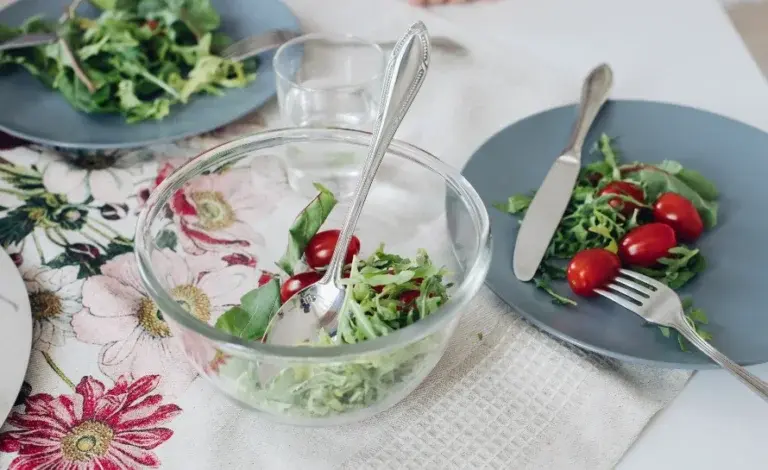
There are certain things I took completely for granted growing up in the south of France. The smell of thyme on long mountain walks, the sound of the markets in the morning, and the fact that a French dressing recipe was never, ever something that came out of a bottle.
In my house, and in every French household I know, vinaigrette is made from scratch. It takes two minutes, it tastes better than anything you can buy, and and honestly, there wasn’t really ever any discussion about it, it is as normal as brushing your teeth. Buying ready-made dressing was regarded roughly the way you’d regard buying pre-grated cheese: theoretically possible, but a bit sad.
Reading food writing from around the world, I’ve realised that a lot of people find salad dressing genuinely confusing, or make it without ever understanding the logic underneath. So this is my attempt to lay the whole thing out: the history, the rules, the ratios, and nine French vinaigrette recipes you can actually use, from the basic French dressing every French child grows up with to a few that go somewhere more interesting.
Table of Contents
A quick history of French vinaigrette
The word vinaigrette comes from vinaigre. French for vinegar, which comes from vin aigre, meaning sour wine. Which is the entire origin story in three syllables. Somebody’s wine went off, they refused to throw it away, and here we are four hundred years later putting it on lettuce.
Medieval French cooking already combined acid and oil on vegetables, and by the 17th century dressing salad leaves with oil, vinegar and salt was well established in French culinary writing. The 3:1 ratio that anchors every French vinaigrette recipe was codified in the 19th century, when French cooking was being systematised and written down more seriously.
What actually makes a French vinaigrette French isn’t a secret ingredient. It’s that it gets made fresh, the ratio is respected, and every single leaf ends up coated. A well-dressed French salad is glossy and flavourful.
Personally, I love to put extra vinaigrette on my salad so there’s always some left at the end. In France we call this saucer son assiette, which is that very specific move of tearing off a piece of baguette and wiping your plate clean at the end of the meal. It’s considered perfectly normal at a French table, and I think it’s the perfect ending to a salad, soaking bread full of delicious french vinaigrette!
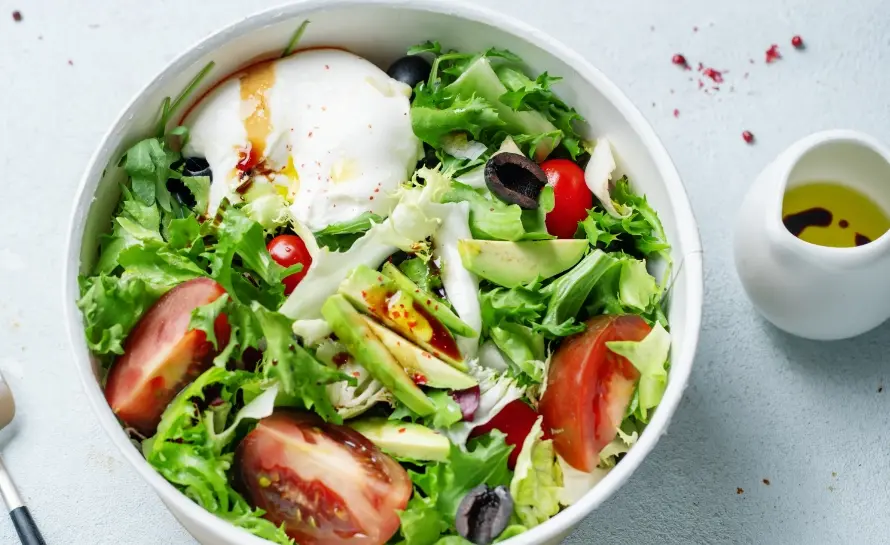
The five pillars of a French vinaigrette
Before you get to the french vinaigrette recipe, these are the things that are helpful to know.
1. Three parts oil to one part vinegar
Three parts oil to one part vinegar is the baseline. You can adjust for taste, but this is the foundation. Go lower than 3:1 and the dressing becomes aggressive. Go higher and it starts to taste flat. Once you’ve made it enough times you’ll start bending it to your own taste, and you should, but start here.
2. Salt goes in the vinegar first
Salt goes in the vinegar, never in the oil. Why? Because salt dissolves in water and it does not dissolve in fat, so if you throw it in at the end it just sits there in little crystals, and your salad tastes strangely bland while your teeth find the odd gritty bit. Instead, put the vinegar first, then the salt, stir until the salt is gone, and only then carry on with your french vinaigrette recipe. I promise you, it’s a completely different result.
3. The mustard is not there for flavour
Well, it is, but that’s its second job. Mustard seeds are full of mucilage, which is a natural gum, and it thickens the vinegar so the oil droplets physically can’t find each other and merge back together. There’s a bit of lecithin and some proteins in there too, doing the same work from a different angle. That’s why a vinaigrette with half a teaspoon of Dijon mustard stays creamy in the fridge for days while one without it falls apart before you’ve reached the table. Oh and the mustard has to go into the vinegar before the oil. It needs water to swell up in.
4. Dress it at the very last second
This might seem like common sense, but I’ll share it anyway as I still see some people put the home made french dressing on too soon. The acid in the vinegar begins to wilt salad leaves almost immediately, so what you want to do is toss and serve, not toss and wait.
5. Taste it before it goes anywhere near the salad
Every vinegar is different, every oil is different, every lemon is wildly different from the last lemon. The recipe is obviously the starting point, but it is important to adjust a bit at the end if necessary: more acid, more salt, a pinch of sugar if something feels too sharp.
Picking the right vinegar
Vinegar
How to use it
This is the one that lives on my counter and the one I’d tell you to buy if you’re only buying one. It’s sharp and robust and it handles anything: green salad, tomatoes, lentils, potatoes.
This is red wine vinegar’s lighter cousin. Cleaner and less bruising. Use it when the salad is delicate, so anything with herbs, or asparagus, or fish nearby.
This is the one that surprises people. Nutty, a bit sweet, quite complex. It’s what I reach for whenever walnut oil is involved, and it’s brilliant with mushrooms or chicory.
This one is fruity and mellow and lovely with apple or cheese.
Balsamic isn’t traditionally French and it’s sweet enough to throw your ratio off completely. Use much less of it than you would vinegar. It’s wonderful on tomatoes and mozzarella.
A word on which bottle to actually buy: cheap supermarket vinegar tastes of sharpness and very little else, but good vinegar still tastes of the wine it used to be, and when there’s only a tablespoon of it in the bowl, that difference is most of your dressing. So if you’re standing in front of eight bottles with no idea which to pick, here’s roughly how I’d sort them.
- Check the acidity on the label first
It’s the one number that tells you something real. Six to seven percent is what you want for dressing. The very sharp industrial ones sit higher and will bully everything else in the bowl. - Take glass over plastic
If you have the choice. Vinegar sitting in plastic for a year is not doing itself any favours. - Look for anything that tells you where it came from
Whether that’s a region, a grape or a barrel. Not because naming a grape automatically makes a vinegar better, but because a producer who bothers to tell you usually has something worth telling.
You’re looking for something that tasted like wine before it turned. We’re super lucky again, our neighbour Jacky (from the tomato tart) makes apple cider vinegars in his cellar and I’m still using the 1L bottle he gave me a year ago!
Choosing your oil
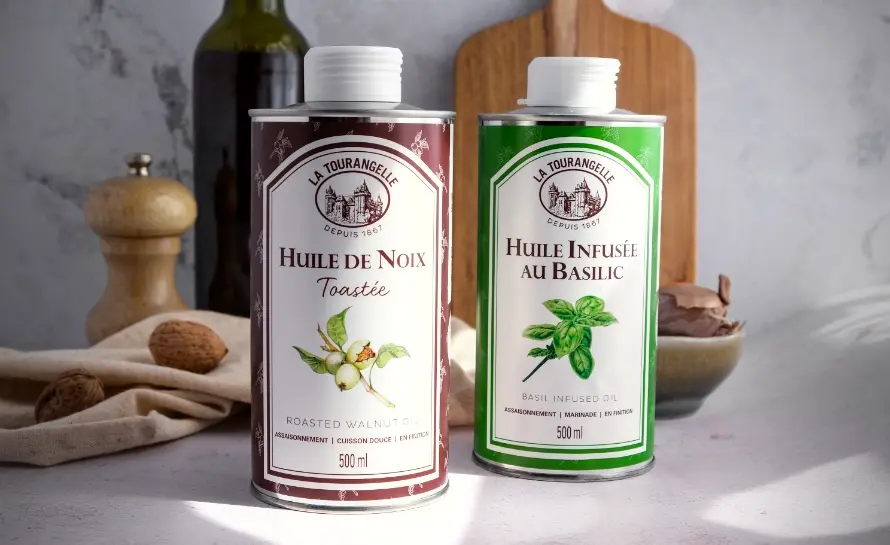
The oil you use completely changes the character of a French dressing recipe. I’ve been using La Tourangelle oils for three years now and they’ve properly won me over. They’ve been pressing oils in the Loire since 1867, doing it the traditional way, and there’s a freshness to them that supermarket oils just don’t have. When you’re only using three tablespoons of something, the quality of those three tablespoons is important.
La Tourangelle oils
Oil
How to use it
This is the one I’d fight someone over. Rich, deeply nutty, and completely transforms a salad without weighing it down. Too strong to use every day, but perfect when the salad has walnuts or blue cheese or chicory in it.
The basil oil is pure summer in a bottle. So fragrant that a tablespoon does more than a whole handful of torn leaves. It’s my tomato salad oil. I also drizzle it over mozzarella.
This is the everyday workhorse, bright and peppery, and it’s what’s in most of the recipes I make, but especially the Southern France ones.
This one is neutral, and I use it to dilute a strong oil like walnut without adding a third flavour. Also good in the tarragon and truffle dressings, where you want the other ingredient to do the work.
And this one is the show-off one. I don’t use it often, but when I do it turns a plate of leaves into something you’d serve at a dinner party.
They ship worldwide through Amazon, which is honestly part of why I’m happy recommending them. There’s no point me raving about something you can only buy in a shop forty minutes from my house.
One warning about the nut oils: Walnut and hazelnut oils go rancid much faster than olive oil. Keep them in the fridge once you’ve opened them and use them up within a few months. If a nut oil ever smells like old crayons, it’s gone, and there’s no rescuing it. I’ve learned this the expensive way.
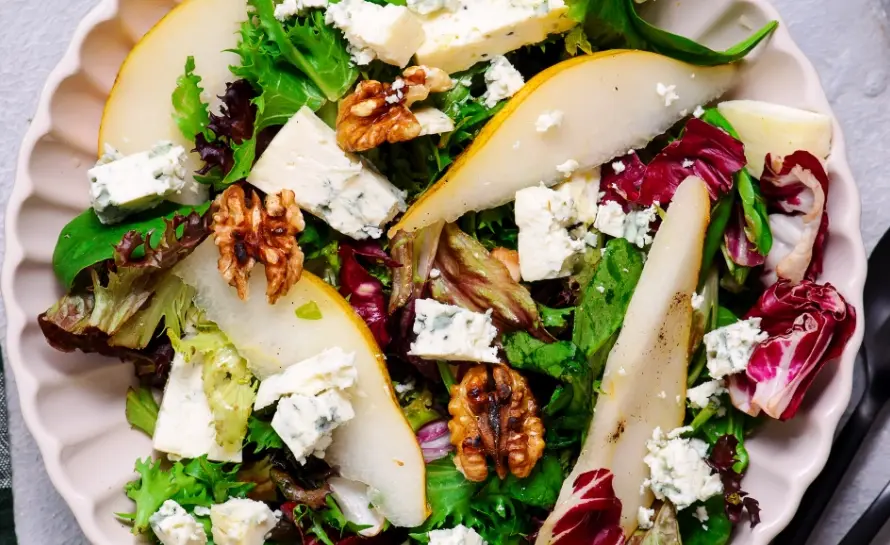


The 9 French dressing recipes
I’m sharing with you nine recipes, covering the full range from a easy basic French dressing to the more characterful variations. Each one is a proper French vinaigrette recipe in its own right.
1. Basic French Dressing
Every French vinaigrette recipe starts here. This is the one ingrained in every French cook from childhood, the basic French dressing that goes on green salad, on tomatoes, on green beans, on almost everything. Once you’ve made it a dozen times you won’t need to look it up anymore.
Ingredients (makes enough for 4 people)
- 3 tablespoons olive oil
- 1 tablespoon red wine vinegar
- ½ teaspoon Dijon mustard
- Salt and black pepper
Method
Put the salt in a small bowl with the vinegar and stir until dissolved. Add the mustard and whisk briefly. Pour in the oil slowly, whisking as you go, until the dressing emulsifies and looks slightly creamy.
2. Shallot Vinaigrette
This is the one you see most often in French bistros, and for good reason. The shallot adds a mellow sweetness and real depth. It works beautifully with green salads, warm potato salads, or dressed lentils.
Ingredients (makes enough for 4 people)
- 3 tablespoons olive oil
- 1 tablespoon red wine vinegar
- 1 small shallot, very finely minced
- ½ teaspoon Dijon mustard
- Salt and black pepper
Method
Mince the shallot as finely as you can, almost to a paste. Combine with the vinegar and salt and let it sit for five minutes. This softens the raw edge slightly. Add the mustard, then whisk in the oil. The shallot gives enough texture that this dressing almost clings to the leaves.
3. Dijon Mustard Vinaigrette
This is more assertive than the classic, with mustard playing a starring role rather than just a supporting one. It’s the French dressing recipe I reach for with curly lettuce and chicory salads, anything bitter that needs something bold to stand up to it.
Ingredients (makes enough for 4 people)
- 3 tablespoons olive oil
- 1 tablespoon white wine vinegar
- 1 small garlic clove, crushed
- 1 teaspoon Dijon mustard
- Salt and black pepper
Method
Use a mortar and pestle to pound the garlic with a pinch of salt until it becomes a smooth paste. The salt does the work, drawing out the moisture and breaking the garlic down in a way a knife just can’t replicate. Add the vinegar and mustard directly to the mortar, stir, then whisk in the oil.
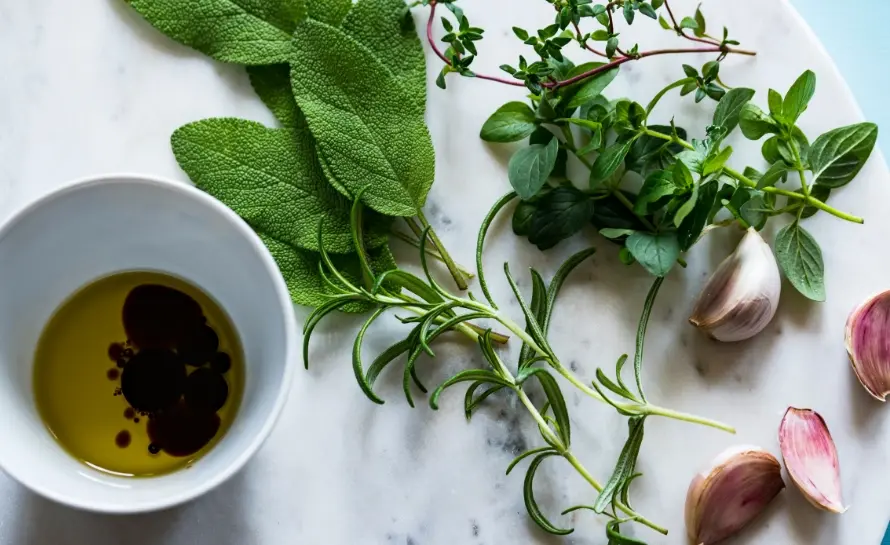
4. Tarragon Vinaigrette
One of my favourites for summer is tarragon and good white wine vinegar pair together. This French vinaigrette is wonderful over poached asparagus, green bean salads, or anything with eggs.
Ingredients (makes enough for 4 people)
- 3 tablespoons grapeseed oil
- 1 tablespoon white wine vinegar
- 1 tablespoon fresh tarragon, finely chopped
- ½ teaspoon Dijon mustard
- Salt and black pepper
Method
Make the base vinaigrette as usual: salt into vinegar, mustard, then oil. Stir in the fresh tarragon right at the end. Don’t let this one sit for too long before using, the tarragon loses its brightness quickly once it hits the acid.
5. Walnut Oil Vinaigrette
This is where the La Tourangelle Roasted Walnut Oil earns its place. It’s rich and distinctive and it transforms a simple salad of endive and walnuts, or pear and blue cheese salad, or a Salade Lyonnaise into something genuinely special. It’s not an everyday oil (the flavour is too pronounced for that) but for the right salad, nothing else comes close.
Ingredients (makes enough for 4 people)
- 2 tablespoons roasted walnut oil
- 1 tablespoon grapeseed oil
- 1 tablespoon sherry vinegar or red wine vinegar
- ½ teaspoon Dijon mustard
- Salt and black pepper
Method
I blend the two oils here because pure walnut oil can be overwhelming on its own. The sherry vinegar has enough character to complement it without fighting it. Whisk everything together as usual. This is particularly good with a handful of toasted walnuts scattered over the top of the salad, it echoes the oil and makes the whole thing feel harmonious.
6. Basil Oil Vinaigrette
This one is pure summer. La Tourangelle’s Basil Oil is intensely aromatic, and a little goes a long way in a dressing. It’s wonderful over a tomato salad, a plate of burrata, or anything where you’d normally tear fresh basil over the top. The oil does all the work.
Ingredients (makes enough for 4 people)
- 2 tablespoons basil oil
- 1 tablespoon grapeseed oil
- 1 tablespoon white wine vinegar or lemon juice
- ½ teaspoon Dijon mustard
- Salt and black pepper
Method
Because the basil oil is so fragrant, I blend it with a lighter olive oil to keep the dressing balanced rather than overwhelming. Whisk together in the usual order. This one is best used immediately, the basil aroma is at its peak when the dressing is freshly made. Lovely with mozzarella, ripe tomatoes, or a simple cucumber salad.
7. Lemon and Honey Vinaigrette
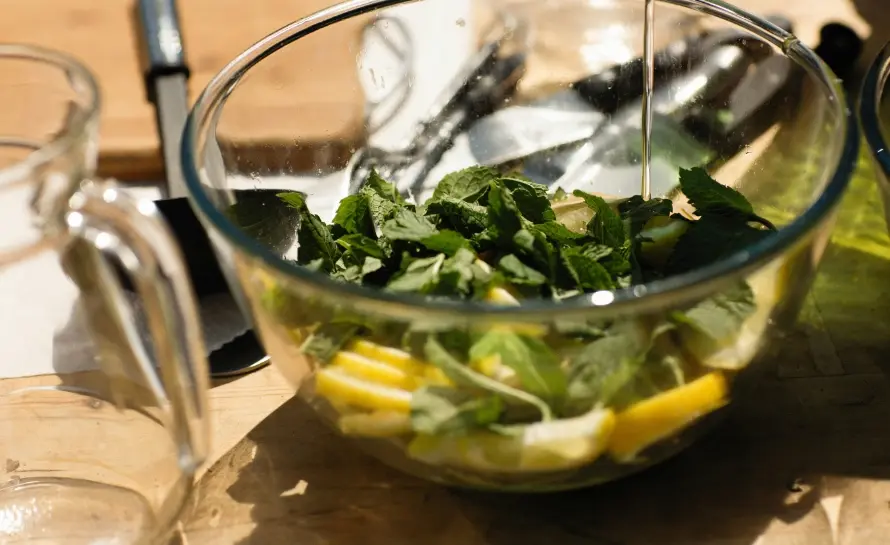
This one comes out in summer when I want something lighter and brighter. It’s lovely with anything involving cucumber, courgette ribbons, fennel, or fresh herbs. Also very good over grilled fish.
Ingredients (makes enough for 4 people)
- 3 tablespoons olive oil
- Juice of half a lemon
- 1 teaspoon honey
- ½ teaspoon Dijon mustard
- Fresh flat-leaf parsley, finely chopped
- Salt and black pepper
Method
The lemon is more aggressive than vinegar, so taste carefully as you go. Some lemons are much sharper than others. Dissolve the honey into the lemon juice before adding anything else. Whisk in the mustard, then the oil. Add the parsley at the end. This dressing doesn’t keep well (the parsley wilts) so make it fresh each time.
8. White Truffle Oil Vinaigrette
This one is not an everyday dressing. This is the one you make when the salad is the moment, not just a side dish. La Tourangelle’s White Truffle Oil has a deep, earthy, complex flavour that transforms even the simplest leaves into something that feels considered and special. A few drops over warm asparagus, sliced mushrooms, or a shaved fennel salad is honestly extraordinary.
Ingredients (makes enough for 4 people)
- 1 tablespoons white truffle oil
- 2 tablespoon grapeseed oil
- 1 tablespoon white wine vinegar
- ½ teaspoon Dijon mustard
- Salt and black pepper
Method
Truffle oil is powerful and you want it to be present without taking over completely, so I use it alongside a neutral oil. Whisk together as usual. Taste carefully before adding salt, the truffle flavour can make things seem more seasoned than they are. This dressing is particularly good over warm ingredients, the heat lifts the truffle aroma and the whole thing becomes something else entirely.
9. Roquefort Cream Dressing
Not a vinaigrette at all, but absolutely a French salad dressing and one that deserves a place here. This is what I put on the hearts of Little Gem lettuce or a salad with walnuts and pears. It’s rich, sharp, and super savoury.
Ingredients (makes enough for 4 people)
- 50g Roquefort, crumbled
- 2 tablespoons crème fraîche
- 1 tablespoon olive oil
- 1 teaspoon white wine vinegar
- Black pepper (no salt, the Roquefort handles it)
Method
Mash the Roquefort with a fork until it forms a rough paste. Stir in the crème fraîche, then the oil and vinegar. You want some texture remaining, not a completely smooth sauce. Taste for sharpness and adjust with a little more vinegar if it needs it. This one you can make ahead and keep in the fridge for up to two days.
How to store your homemade French dressing
Most vinaigrettes will keep about a week in the fridge. The mustardy ones last best because the emulsion is holding, and anything with fresh herbs in it has a much shorter life.
Now, the jar thing.
For years I kept dressing in a jam jar, like everyone does, and for years it annoyed me. Every time I used it, oil ran down the outside. The lid got sticky. The bottom of the jar got sticky. Then the shelf got sticky, and eventually I’d be wiping down the whole fridge door because of salad.
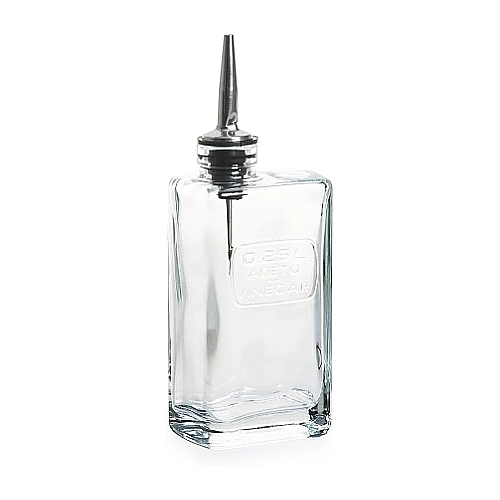
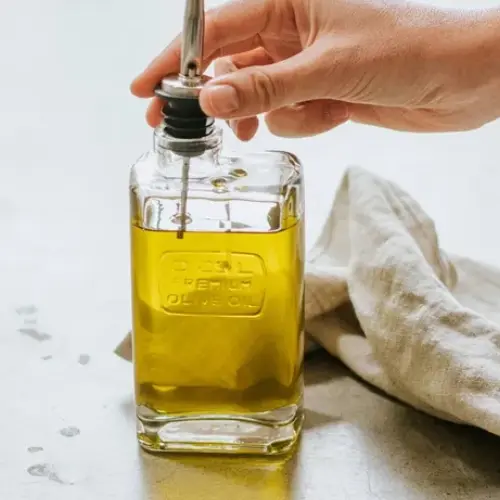
So I switched to a glass oil dispenser with a pouring spout, and I’m slightly embarrassed by how much of an improvement it was.
You get a thin controlled stream instead of a glug, so you’re actually in charge of how much lands on the leaves. Nothing runs down the side, because you’re not unscrewing a lid over the top of the bowl. And you can put it on the table when people come round, which is the bit I love because if the dressing is on the table rather than already on the salad, whatever nobody eats stays undressed, so it goes back in the fridge and is still perfectly good tomorrow instead of collapsing into a grey soggy heap.
A glass dispenser also means the dressing doesn’t pick up any smell or taste from plastic, and you can see exactly how much is left. Mine lives in the fridge from June to September and gets refilled every two weeks or so.
FAQ
What is French dressing made of?
A real French dressing, meaning a vinaigrette, is oil, vinegar, Dijon mustard, salt and pepper in a ratio of roughly three parts oil to one part vinegar. The bottled orange dressing sold as French dressing in the United States is a different product entirely, made with tomato or ketchup, paprika and sugar, and it is American rather than French.
What is the ratio for a French vinaigrette?
Three parts oil to one part vinegar. Below that the dressing turns aggressive, above it tastes flat and greasy. Adjust to taste, but 3:1 is where to start.
Why do you put mustard in vinaigrette?
It holds the emulsion together. Mustard seeds contain mucilage, a natural gum that thickens the vinegar and stops oil droplets merging, plus proteins and a little lecithin that coat the droplets directly. Half a teaspoon of Dijon will keep a dressing creamy for days. Whisk it into the vinegar before the oil goes in.
Why did my vinaigrette separate?
Usually because the oil went in too quickly, or there was no mustard to stabilise it. To rescue it, start again in a clean bowl with a teaspoon of mustard and a splash of vinegar, then whisk the broken dressing into that slowly. Separation in the fridge is normal and not a failure, since cold oil thickens. Let it warm and whisk again.
How long does homemade French dressing keep?
Around a week in the fridge for mustard-based vinaigrettes, which hold their emulsion best. Dressings with fresh herbs last two days at most. Anything with fresh parsley is better made each time. Roquefort cream dressing keeps two days.
What is the best vinegar for French dressing?
Red wine vinegar is the everyday default and the one to own if you only own one. White wine vinegar is lighter and suits delicate leaves and herbs. Sherry vinegar is nutty and works beautifully with walnut oil. Lemon juice is sharper than it looks, so taste before committing.
Can you make vinaigrette without mustard?
Yes, but it will separate within minutes and needs whisking again before it goes on the salad. Mustard is doing structural work, not just flavouring.
When should you dress a salad?
At the very last moment! Acid begins wilting leaves immediately, so toss and serve rather than toss and wait. If you have leftovers in mind, put the dressing on the table and let people add their own, which is standard practice in France.
Over to you
I never measured anything anymore. I make my vinaigrette always in the same order, always with the same small whisk, and it’s perfect every single time. That’s what I want for you, not that you follow my recipe forever, but that after a dozen goes it drops into your hands and becomes something you just do.
The walnut oil dressing over a salad with a handful of walnuts and a bit of Comté is the one I’d make for you if you came for lunch!
What about you? Do you have a homemade French dressing you make on autopilot, or is salad dressing still one of those things that feels a bit hit and miss? And do you dress at the table or in the kitchen? I’m genuinely curious where people land on that one.
This post may contain affiliate links. If you buy through them I earn a small commission at no extra cost to you, and it helps keep this blog running. Please read my disclosure policy for more information. I am grateful for your support.