 October 8, 2025
Disclosure: This post may contain affiliate links which provide us a small commission when used for purchase. Please read my disclosure policy for more information. I am grateful for your support!
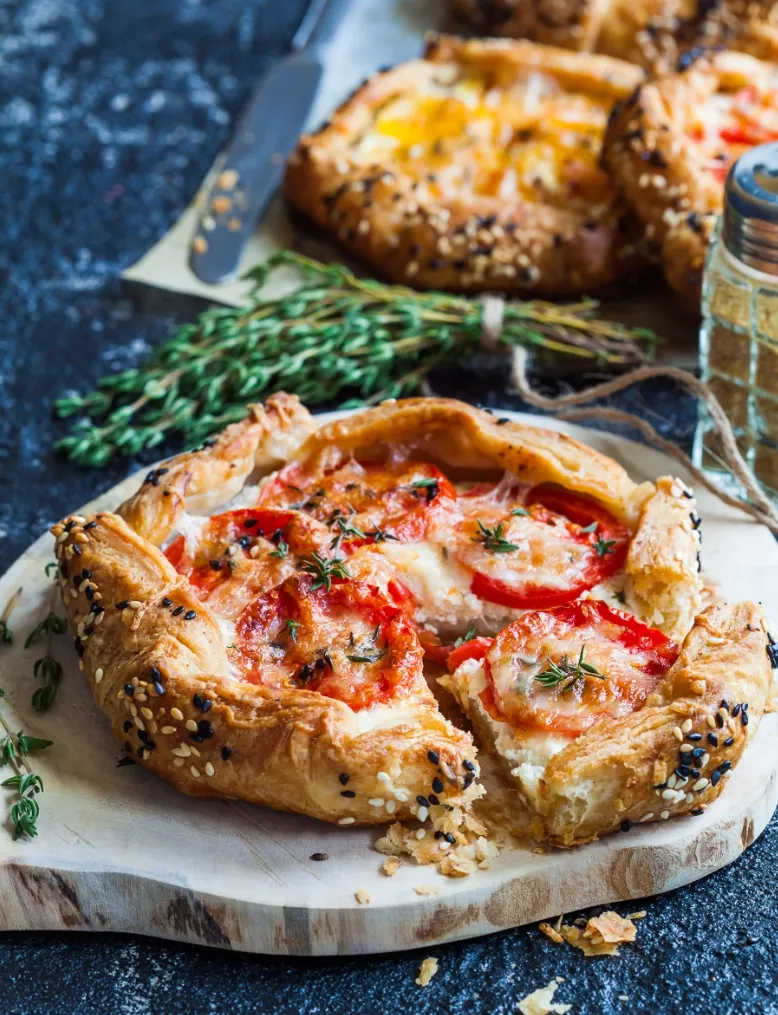
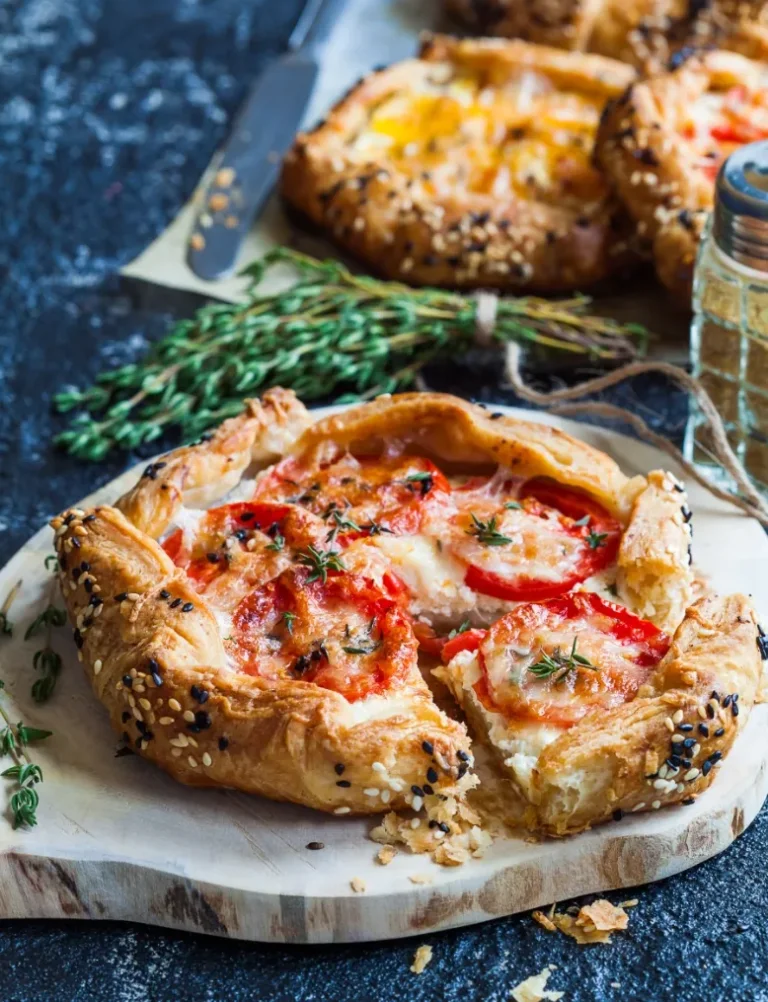
This tomato tart recipe came from our neighbours Jacky and Françoise. Jacky grows the tomatoes, Françoise bakes the tarts. Summer means tomatoes, serious quantities of them, grown in the garden and shared over the fence, because the variety you grow is always different from the neighbours’ and you have to try them all, obviously. Jacky’s were always the best though. Fleshy, sweet, and nothing like what you find in a supermarket. Françoise would bake tomato tarts by the batch and freeze them for winter. They’re better fresh, but there’s something special about tasting summer in January too!
Table of Contents
Where the tomato tart comes from
The tomato tart has no named creator and no single origin story. It’s peasant cooking in the best sense, a popular tradition passed down through families across the south of France, with every household keeping its own version and every cook holding firm opinions about the right cheese, the right herb and the right tomato. These tarts were born in kitchen gardens, where the ripest fruit of the day went from the vine to the pastry base within the hour!
The mustard layer is what makes the French version distinct, and it seems to have become standard from the 1950s and 60s onwards, when cooking ideas moved more freely between the regions. Tomatoes from Provence, mustard from Burgundy, and a good melting cheese from the east of the country. All together they create this simple and delicious recipe for a tomato tart!
Pair it with a dry Provençal rosé is the obvious partner, something pale and crisp from the Côtes de Provence or a Bandol, with that light red-fruit note that lifts the tomatoes without fighting the mustard. If you’d rather have white, a Sancerre or a Loire Sauvignon works beautifully against the cheese and thyme. Whatever you choose, keep it cold and keep it dry.
Ingredients
- All-butter puff pastry — the base, and all-butter is worth insisting on for the flaky lift and flavour. Shop-bought ready-rolled is completely fine.
- Ripe tomatoes — the main ingredient, carrying the flavour of the whole tart. Any ripe, fleshy variety works; what doesn’t is a watery, underripe, out-of-season one.
- Dijon mustard — the savoury backbone, and a moisture barrier protecting the pastry from the tomato juices. Spread it generously.
- Emmental — melts smoothly and fuses with the mustard and tomato juices. Gruyère does the same job; goat’s cheese if you want something sharper.
- Olive oil — a drizzle before baking for richness and to help the tomatoes soften and caramelise.
- Thyme — optional, but it’s the classic Provençal note against sweet tomato.
- Egg yolk — brushed on the edges for a glossy, golden crust.
- Sesame seeds — black, white and toasted sesame seeds, scattered on the border. Purely for looks!
How to make tomato tart
1. Slice and salt the tomatoes first
Before anything else, because they need 20 to 30 minutes on kitchen paper. Skip this and you’ll have a soggy base, and no amount of oven time will rescue it. Do the rest of your prep while they sit.
2. Prick the pastry, then mustard it generously
Fork the base all over so it doesn’t dome, then spread the Dijon right up to about 2cm from the edge. Be generous. It’s the flavour of the tart and it’s also protecting the pastry from what’s coming.
3. Cheese down first, tomatoes on top
Most of the Emmental goes over the mustard before the tomatoes. It’s a second layer of insurance against moisture, and it melts up into the tomato juices as it bakes. Overlap the tomato rounds slightly.
Salt, pepper, the last of the cheese and a few thyme leaves, then a drizzle of olive oil. Egg yolk on the exposed border for gloss, and sesame seeds if you’re feeling fancy.
4. Bake until properly golden
Deeply golden, not pale, that’s what tells you the base is cooked through. Then let it settle ten minutes before slicing, both so it lifts cleanly and because the flavour is better warm than scalding.
Tools for this recipe
Check out my favorite kitchen essentials and cookware!
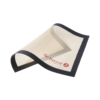
- Use a baking mat to let the base cook evenly from below rather than steaming in its own moisture, which is what keeps the bottom crisp.
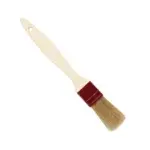
- Use a pastry brush to glaze the border with egg yolk for a glossy, golden crust.
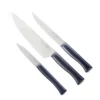
- Use a serrated knife to cut clean, even tomato rounds, since ragged slices release more water and bake unevenly.
Tips for success
- Salt and drain the tomatoes properly. Twenty minutes minimum, and pat them dry before they go on.
- Spread the mustard generously and put cheese under the tomatoes, both work as a barrier for the pastry.
- Bake until deeply golden. A pale tart is an undercooked tart.
- Let it rest about ten minutes before slicing, so it holds together and the flavours settle.
- Use the ripest tomatoes you can find. The tart is only as good as they are!
How to store it
- In the fridge: Keeps for up to 2 days covered. It’s genuinely good cold too. To bring it back, reheat in a 180°C oven for 8–10 minutes to re-crisp the pastry rather than microwaving it.
- At room temperature: Fine to sit out for a few hours on the day it’s made, which is what makes it such good picnic and apéro food.
- In the freezer: Freeze it baked and fully cooled, well wrapped, for up to a month. Reheat from frozen in a moderate oven until hot and crisp. This is exactly what Françoise did, batches in summer, tasting of summer in January.
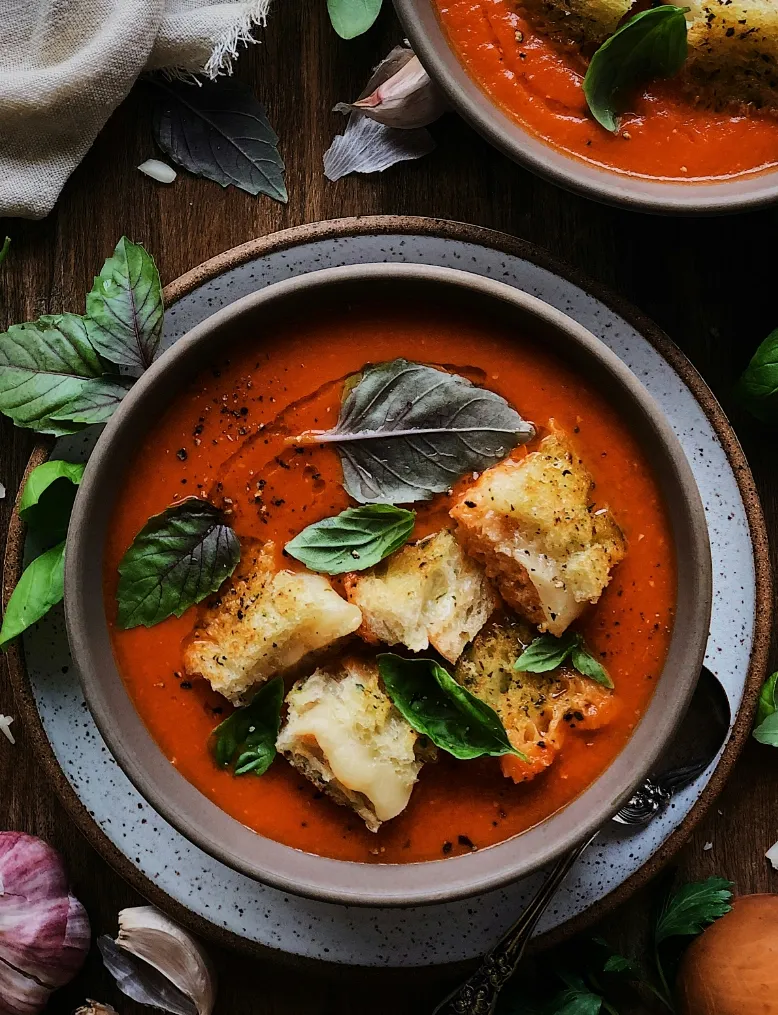
More tomato recipes to try
Variations
- Different cheese: Gruyère or Comté in place of Emmental, or goat’s cheese for something sharper and tangier. Some cooks use both.
- Herbs: oregano or herbes de Provence instead of thyme, or a scatter of fresh basil after baking rather than before.
- With olives or anchovies: black olives scattered over, or anchovies if you eat them, both lean the tart further south.
- Winter version: halved cherry tomatoes, roasted for 15 minutes first, for concentrated flavour when good large tomatoes aren’t around.
- Vegan: use a plant-based puff pastry (many are accidentally vegan, check the label), a vegan grated cheese, and plant milk instead of egg yolk for the glaze.
FAQ
How do I stop a tomato tart going soggy?
Slice and salt the tomatoes and drain them on kitchen paper for 20–30 minutes first. Then spread mustard on the pastry and put the cheese down before the tomatoes, as both act as a moisture barrier.
What cheese is best for a cheese and tomato puff pastry tart?
Emmental or Gruyère, grated finely so they melt evenly. Goat’s cheese works if you want something tangier, and some cooks use a mix of both.
What tomatoes should I use?
Any ripe, fleshy tomato in season, the variety matters far less than the ripeness. Out of season, roast cherry tomatoes briefly first for more concentrated flavour.
Do I have to use mustard?
Not strictly, but it’s what makes this the French version. It gives the savoury backbone and protects the pastry from the tomato juices. Leave it out and you lose both.


 Prep Time 20 minutes
  Cook Time 35 minutes
  Total Time 55 minutes
  Servings 6
Description
Ingredients
- 1 all-butter puff pastry ready-rolled or homemade, about 250–300g
- 5 tomatoes ripe
- 2 tbsp mustard Dijon
- 200 gr Emmental cheese grated
- 2 tbsp olive oil
- thyme optional
- salt and black pepper
- 1 egg yolk for glazing
- sesame seeds black and white
Equipment
Instructions
1. Slice and drain the tomatoes
- Slice the tomatoes into neat rounds, lay them on kitchen paper, sprinkle lightly with salt, and leave for 20–30 minutes to draw out the excess water. Pat dry before using. This is what keeps the pastry crisp.
2. Preheat and prepare the pastry
- Preheat the oven to 200°C (180°C fan). Unroll the puff pastry on baking paper and transfer to your tart tin, or lay it directly on a baking tray for a free-form rustic tart. If using a tin, gently press around the edges. Prick the base all over with a fork.
3. Spread the mustard
- Spread a generous layer of Dijon over the pastry base, leaving a border of about 2cm at the edges.
4. Add cheese and tomatoes
- Sprinkle most of the Emmental over the mustard, then arrange the drained tomato slices over the cheese, overlapping them slightly.
5. Season and finish
- Season with salt and pepper, scatter over the remaining cheese and a few thyme leaves, and drizzle with the olive oil. Brush the pastry edges with egg yolk for a glossy finish and scatter black and white sesame seeds around the crust.
6. Bake
- Bake for 30–35 minutes, until the pastry is deeply golden, the edges crisp and the tomatoes soft and melting.
7. Serve
- Let it cool for about 10 minutes so the slices lift easily. Serve just warm or at room temperature with a salad, or cold for a picnic.
Share your feedback and spread the love!
If you try this recipe, I’d love to hear how it turns out! Leave a ★★★★★ rating and your thoughts in the comments, it helps fellow French foodies discover this recipe too. Snap a photo and tag @obviously.french on Instagram. Come talk about it in our Facebook group. And don’t forget to save this recipe to Pinterest so you’ll always have it handy for your next French-inspired meal!