 November 18, 2025
Disclosure: This post may contain affiliate links which provide us a small commission when used for purchase. Please read my disclosure policy for more information. I am grateful for your support!
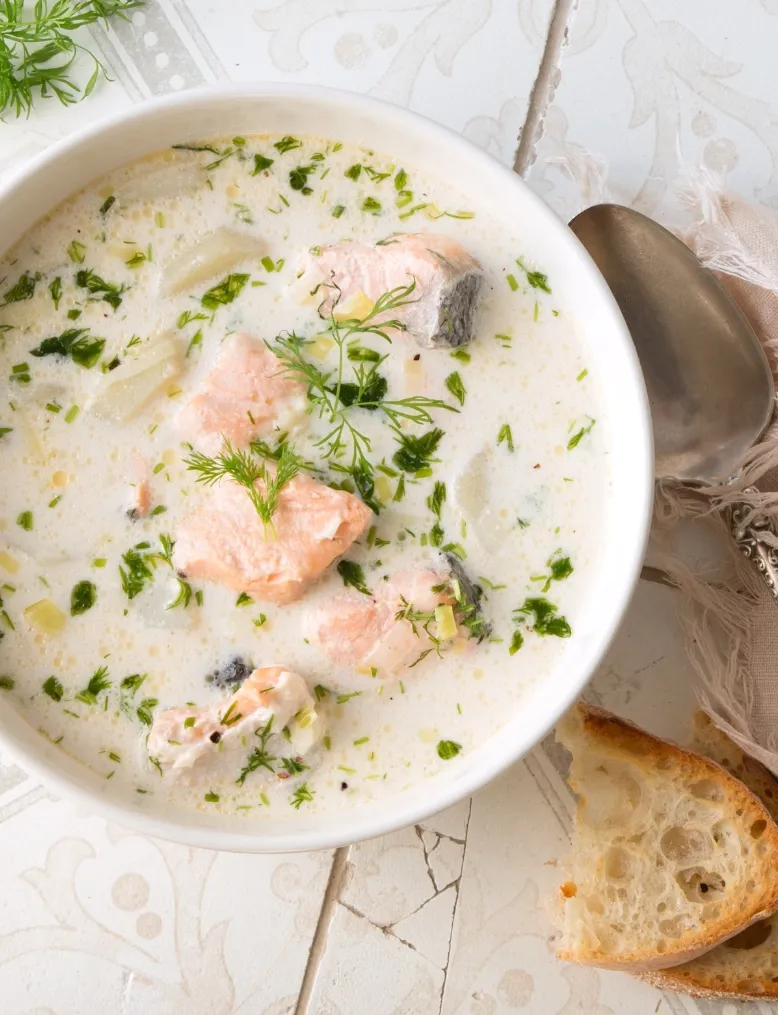
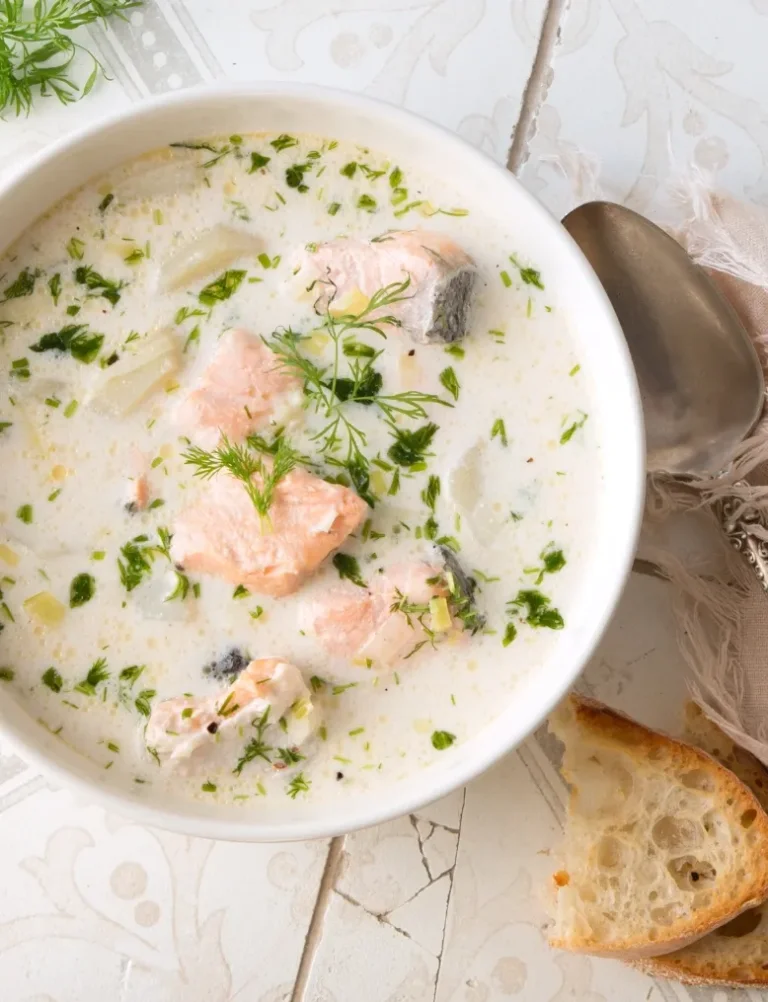
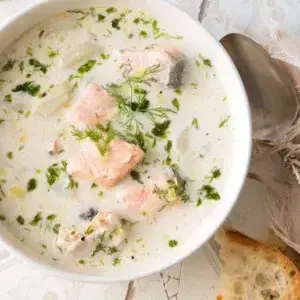
We don’t eat meat at home, so blanquette de veau was never something I made. But when I came across the “blanquette de poisson” fish version, it went straight into the regular rotation and has stayed there ever since.
The gentle poaching of the fish in that white silky and aromatic sauce is seriously moreish! It works just as beautifully here as in the veal original. If I’m honest, I think it works even better because the sauce suck up all the juices from the fish, and the herbs add a gentle note to tie it all together.
This is real French comfort food, and even though it asks for a bit of patience, nothing about it is actually difficult. You just need to stay attentive and keep the heat gentle throughout, that’s about it. So let’s get into this delicious fish stew.
Table of Contents
Where blanquette de poisson comes from
This fish version is really a clever adaptation of something much older, so it helps to know the original. Blanquette de veau is one of the great French classics, on bistro menus everywhere from small Normandy towns to Lyon. The name comes from blanc, white, and it tells you about the method: nothing browned, nothing caramelised, no high heat at all through the entire recipe.
The technique goes back to medieval monastery kitchens, where monks developed slow, careful cooking for Lent and fasting. By the 18th century, blanquette de veau was a bourgeois staple, elegant enough for a special dinner but comfortable enough for a Sunday lunch. Any serious French cook is still expected to know how to make it properly.
Then, along the Atlantic coast, fishing families looked at what their inland neighbours were doing with veal and applied the same logic to whatever came off the boats. They already had the technique, gentle poaching, a white roux, that careful liaison, and swapping veal for fish turned out to be a very natural move. The result is a fish stew that’s now nearly as famous in France as the meat version. And it works because the white sauce supports the seafood rather than overwhelming it. A heavy braise or a sharp tomato sauce would fight delicate fish and win. This does the opposite: it lifts the flavour and adds richness without ever getting in the way.
Ingredients
- Cod – Firm, flaky and mild, it soaks up the sauce beautifully. Poach it gently so it stays in satisfying flakes rather than breaking up.
- Salmon – Brings richness and natural oils that enrich the cooking liquid as it poaches. Use centre-cut fillets, not thin tail pieces which overcook.
- Carrots, onion and mushrooms – The gentle aromatic base. Softened, never browned, since this is a white stew.
- Dry white wine – It flavours the whole sauce, so pick one you’d actually drink. A crisp, unoaked white is ideal here, I use a Chablis, which is bone dry and mineral and exactly right against the cream. (More on which bottles work in my guide to the best white wine for cooking.) Steer clear of anything labelled “cooking wine,” life’s too short.
- Fish stock – The backbone of the whole sauce, so a good one really tells. Homemade stock is best if you’ve got it, but a decent shop-bought one does the job.
- Butter and flour – The white roux that thickens the sauce. Cooked without colouring, to keep it clean and pale.
- Double cream and egg yolks – The liaison, whisked in off the heat at the end. This is what takes the sauce from good to silky-luxurious.
- Lemon and parsley – A little juice to sharpen the richness, and fresh parsley to finish.
How to make blanquette de poisson
1. Build the base and poach the fish
Soften the carrots and onion in butter without colouring them, add the mushrooms and herbs, then the wine (bubbled for a couple of minutes to cook off the harsh alcohol) and the stock. Bring it to a bare simmer, barely bubbling, never a rolling boil.
Season the fish and poach the cod first for a few minutes, then add the more delicate salmon, and cook gently until both flake but still hold their shape. Then lift everything out carefully and keep it warm. This is where people panic, but the fish tells you when it’s ready: it flakes easily and still looks like fish, not paste.
2. Make the roux and sauce
Strain the cooking liquid through a sieve and set it aside. Wipe out the pot, melt the remaining butter, and whisk in the flour, cooking for 2 to 3 minutes without letting it brown. Then whisk in the strained liquid gradually, bit by bit, keeping it smooth. It’ll look alarmingly thin, then suddenly thicken, so don’t worry. If you have lumps, pass it through a sieve and carry on.
3. The liaison
Whisk the egg yolks and cream together. Temper them by whisking in a few spoonfuls of the warm sauce first, so the eggs don’t scramble, then whisk the lot back into the pot. Heat very gently, stirring, for 2 to 3 minutes until the sauce coats the back of a spoon. Do not let it boil. This part turns a good sauce into a sublime one, so take your time.
4. Bring it together
Add the lemon juice and taste for seasoning. Gently slide the fish and vegetables back into the sauce, being careful not to break the delicate pieces (the salmon especially). Warm through gently for 2 to 3 minutes, just to heat it, then stir in the parsley and serve. And there it is: your own French fish stew!
Tools for this recipe
Check out my favorite kitchen essentials and cookware!
- Use a cast iron cocotte to keep the heat steady and gentle from start to finish, and take it straight to the table when the blanquette de poisson is done!
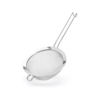
- Strain the poaching liquid through a fine sieve so the sauce comes out smooth.
- Keep a whisk to hand for the roux and the sauce. It’s your best defence against lumps.
Tips for success
- Keep it gentle, always: this is the whole soul of a blanquette de poisson. From the first poach to the last reheat, never let it boil. Gentle heat is what keeps the fish in one piece and the sauce silky, so if it’s bubbling hard, you’ve gone too far.
- Don’t brown the roux: cook the butter and flour together without letting them take any colour. Browning turns it into a different sauce and loses the clean, pale flavour that makes a blanquette.
- Temper the eggs before they go in: whisk a little warm sauce into the yolks and cream first, then add them back. Adding cold egg straight to hot sauce, or boiling it after, scrambles them.
- Use centre-cut salmon: thin tail pieces overcook and fall apart. Centre-cut fillets hold their shape and their natural oils enrich the sauce.
- Choose a wine you’d drink: the white wine flavours the whole sauce, so a decent one you’d happily have a glass of makes a real difference. Skip anything labelled “cooking wine.”
How to store it
- This reheats brilliantly the next day, and some would say it’s even better once the flavours have settled. Keep it covered in a glass sealed container the fridge for up to 2 days. When you reheat, be even gentler than the first time, warm it slowly over low heat, stirring carefully, and never let it approach a boil, or the fish breaks up and the liaison can split.
- I wouldn’t freeze it, unfortunately. The egg-and-cream liaison tends to split when frozen and thawed, and the delicate fish doesn’t survive the process well. This is a make-it-and-eat-it-within-a-couple-of-days dish, which given how good it is, is rarely a problem!
How to serve it
Blanquette needs something to soak up that glorious sauce. Plain rice is the classic French choice, and it’s what you’ll most often see it served with. Steamed or boiled new potatoes is what I prefer and how we make it at home, or good crusty bread if you want to keep it simple.
And to drink? Open the same Chablis you cooked with. It’s crisp and mineral enough to stand up to the rich sauce without fighting the fish, so it does double duty, one bottle for the pot and the glass. A Mâcon-Villages Chardonnay works the same way if you want something a bit softer and easier on the purse.
More fish recipes to try
Variations
- Change the fish: any firm white fish works in place of or alongside the cod, haddock, pollock, or monkfish for something more luxurious. Keep salmon in for its richness, or swap in a little smoked haddock for depth.
- Add shellfish: a handful of mussels, prawns or scallops added towards the end makes it more of a celebration. Poach them just until done of course.
- Add leeks: softened leeks with the other vegetables give a gentle sweetness that suits the white sauce beautifully.
- Make it lighter: as the notes say, the two fish already make a rich liquid, so you can use a little less cream than usual and let the fish flavour lead.
- A touch of saffron: a pinch in the sauce takes it towards the sunnier south of France and gives a lovely golden colour and aroma.
FAQ
What is blanquette de poisson?
It’s a French fish stew, the fish version of the classic blanquette de veau. Fish is gently poached in a white sauce (never browned), which is then enriched with a liaison of egg yolks and cream. The result is silky, delicate and deeply comforting.
What fish is best for a fish blanquette?
A mix works best. Firm white fish like cod gives flaky texture and soaks up the sauce, while salmon adds richness and oils that enrich the liquid. You can also use haddock, pollock or monkfish, and add shellfish like prawns or mussels.
Why did my blanquette sauce split or curdle?
Almost always because it boiled after the egg-and-cream liaison went in. Once the eggs are added, keep the heat very gentle and never let it boil. Temper the yolks with a little warm sauce first, too, so they don’t scramble on contact.
Can I make blanquette de poisson ahead of time?
You can make it a few hours ahead and reheat very gently, keeping it below a simmer so the fish doesn’t break up and the sauce doesn’t split. It also keeps a day or two in the fridge. It doesn’t freeze well, though, as the liaison splits.
What do you serve with blanquette de poisson?
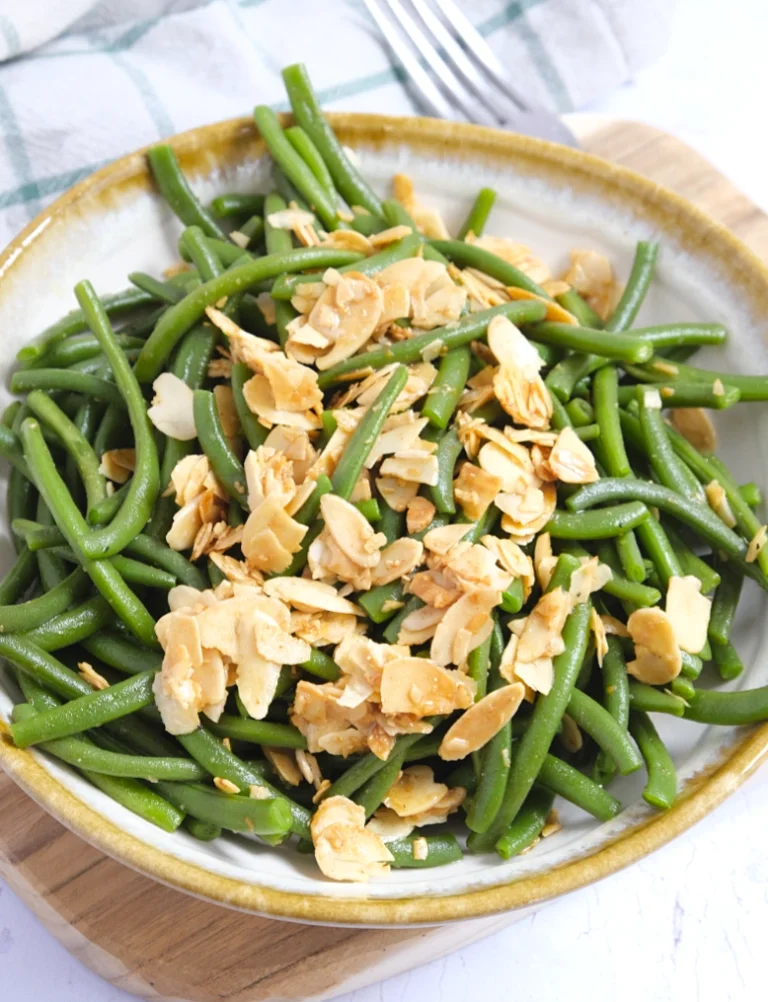
Traditionally plain white rice, which soaks up the sauce beautifully. Boiled new potatoes or crusty bread work too. Keep any vegetable side gentle, like steamed green beans, so it doesn’t compete with the delicate sauce.


 Prep Time 20 minutes
  Cook Time 45 minutes
  Total Time 1 hour 5 minutes
  Servings 4
Description
Ingredients
For the Fish and Vegetables
For the Sauce
- 60 gr unsalted butter
- 60 gr plain flour
- 200 ml dry white wine
- 500 ml fish stock
- 200 ml Double cream
- 2 egg yolks
- 20 ml lemon juice
- 1 handful parsley
- salt and white pepper
Equipment

Instructions
1. Prepare the aromatic base
- Melt half the butter in the cocotte over medium heat. Add the carrots and onion, season with salt and white pepper, and cook gently for 5 to 6 minutes until softening but not coloured. Add the bay, thyme and parsley stalks.
2. Add the mushrooms and wine
- Add the mushrooms and cook 3 to 4 minutes until they release their juices. Pour in the wine and bubble for 2 minutes to cook off the harsh alcohol. Add the fish stock and bring to a bare, barely-bubbling simmer, not a rolling boil.
3. Poach the fish
- Season the cod and salmon. Add the cod and poach for 3 to 4 minutes, then add the salmon. Cover and poach gently for a further 6 to 7 minutes, until both flake easily but hold their shape. Lift out carefully with a slotted spoon and keep warm.
4. Make the roux
- Strain the cooking liquid through a fine sieve. Wipe out the pot and melt the remaining butter. Whisk in the flour and cook for 2 to 3 minutes, without browning.
5. Build the sauce
- Gradually whisk in the strained liquid, bit by bit, whisking constantly to keep it smooth. It'll look thin, then suddenly thicken. (Lumps? Pass it through a sieve.)
6. The liaison
- Whisk the egg yolks and cream together. Whisk in a few spoonfuls of the warm sauce to temper, then whisk this back into the pot. Heat gently for 2 to 3 minutes, stirring, until it coats the back of a spoon. Do not let it boil.
7. Bring it together
- Add the lemon juice and taste for seasoning. Gently return the fish and vegetables to the sauce, being careful with the delicate pieces. Warm through very gently for 2 to 3 minutes. Stir in the parsley and serve immediately.
Notes
- Use centre-cut salmon fillets rather than tail pieces, which can be thin and overcook easily. The natural oils in salmon will enrich the sauce beautifully.
- The combination of cod and salmon creates an incredibly rich cooking liquid. If anything, you might want to use slightly less cream than you would with a single fish to let the natural fish flavours shine.
- This reheats brilliantly the next day, though be even more gentle with the heat to prevent the fish breaking up further.
Share your feedback and spread the love!
If you try this recipe, I’d love to hear how it turns out! Leave a ★★★★★ rating and your thoughts in the comments, it helps fellow French foodies discover this recipe too. Snap a photo and tag @obviously.french on Instagram. Come talk about it in our Facebook group. And don’t forget to save this recipe to Pinterest so you’ll always have it handy for your next French-inspired meal!