 January 13, 2026
Disclosure: This post may contain affiliate links which provide us a small commission when used for purchase. Please read my disclosure policy for more information. I am grateful for your support!
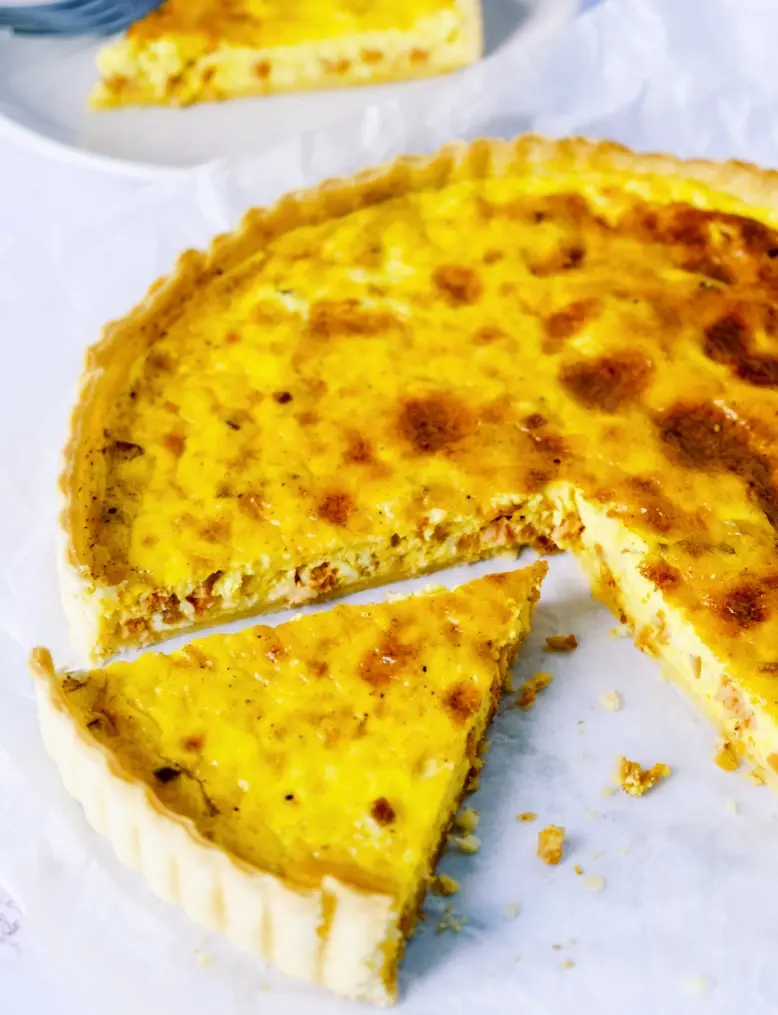
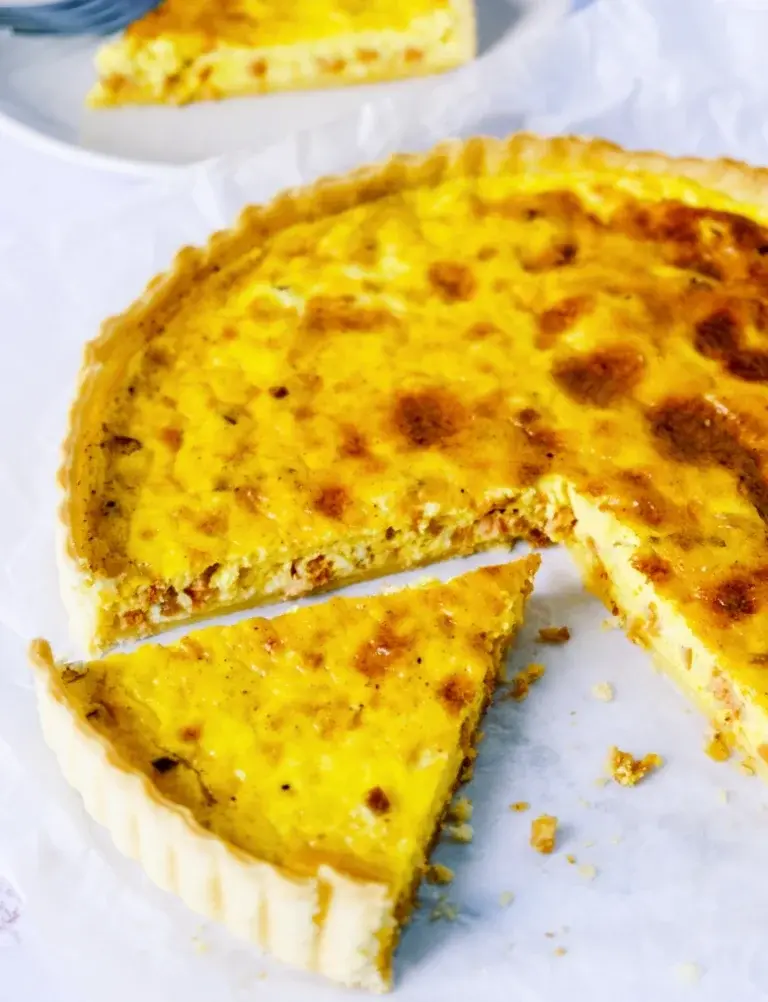
When I need comfort food fast, summer or winter, it’s almost always a quiche Lorraine. It’s incredibly easy, especially if you’ve got your shortcrust pastry made already, it’s quick, and it just feeds your soul.
Now, there’s endless debate about what the “real” recipe is, and I’ll get into that below. Mine has cheese and onions. Now I know that annoys the purists, but try it a few different ways and see what you like best. In the end, it’s all about what your taste buds tell you!
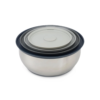
It’s also my go-to picnic food. I make mini quiche Lorraine and pack them into stainless steel containers so they don’t get squashed, and that’s lunch sorted for a long walk in the woods.
Table of Contents
Where quiche Lorraine comes from
Quiche lorraine comes from, yes you guessed it: Lorraine, in northeastern France. Which is right on the border where French and German culture meet. The name probably comes from the German Kuchen, meaning cake. Nobody’s completely certain on the etymology, but that’s the leading theory and it fits.
The quiche Lorraine pie itself goes way back. The earliest known reference is from 1586, in the court records of Charles III, Duke of Lorraine. Back then it wasn’t the buttery tart we know today. It was a rustic, peasant dish: leftover bread dough, spread with eggs, cream and a bit of smoked pork, baked in the residual heat of the communal oven after the loaves came out. It was more practical food, born of not wasting anything instead of the creamy delight we make today.
It stayed a local secret for centuries. Quiche was barely known outside Lorraine until refugees fleeing the Franco-Prussian War brought it to Paris in the late 19th century, along with the brewing know-how that started the city’s first brasseries. And once it hit Paris, it really took off. It was that good that chef Escoffier thought it worth putting in his famous Guide Culinaire in 1903.
Ingredients
- Shortcrust pastry (pâte brisée) – This is the base. I use my homemade pâte brisée, which is neutral and sturdy and exactly what you want under a wet filling. If you’re short on time, you can obviously get a shop-bought all-butter shortcrust.
- Eggs – The backbone of the custard. Whole eggs, and you want a proper ratio to the cream so it sets silky rather than rubbery.
- Double Cream or Crème Fraîche– This is the other half of the custard, and the reason it’s rich and silky. In Lorraine the cream or crème fraîche should dominate the eggs, not the other way round.
- Vegetarian lardons (or smoked lardons) – This add the salt and smoke. This is the flavour that defines a quiche lorraine, so don’t skimp. Good vegetarian ones give you the same smoky bite.
- Onions – Caramelised slowly until soft and golden. They bring the sweetness that balances the salty lardons. Leave them out for a true Lorraine, keep them for the version most people love.
- Nutmeg – A tiny grating of nutmerg is traditional, and it lifts the whole custard. It’s easy to overdo, so go light.
- Gruyère (optional) – If you’re in the cheese camp like me, a little grated Gruyère is the classic choice. Leave it out to stay true to the original.
How to make a homemade quiche Lorraine
The shortcrust pastry is a job in itself, so I’ve got the full step-by-step for making, rolling and lining and blind-baking it on a separate page. Here we pick up from the blind-baked shell and focus on the bit that’s actually the filling of the quiche.
1. Get your shell ready
Start with your pâte brisée shell. The full method’s on that page, so make it up to the point where it’s baked, pale golden and dry, then come back here.
Now, blind baking. I do it, but it’s not the only way. A blind-baked base crisps up golden and it’s your best insurance against the dreaded soggy bottom. That said, plenty of home cooks skip it and pour the custard straight into raw pastry, and they get on fine. So try it both ways and see what you prefer. Me, I do a short blind bake with baking beans, not a full one, just enough to set the base. Then I brush a bit of beaten egg over it while it’s still hot, which seals the pastry against the custard and keeps it crisp.
2. Take your time with the onions
Low and slow is the trick here. Cook the sliced onions gently in a little butter until they’re soft, golden and sweet, and give them a proper 20 minutes to get there. Crank the heat to speed things up and they’ll catch and turn bitter on you, which is exactly what you don’t want against all that rich custard.
Once they’re there, tip in the lardons and give them a few minutes, just to warm through and take a bit of colour. Then take the pan off the heat and let it cool a little. If you would pour the hot onions and lardons into your egg mix, the eggs will scramble before it’s even in the tart ring.
3. Whisk the custard, don’t beat it
Put the eggs, milk and cream in a bowl, add a bit of salt and pepper, and a light grating of nutmeg. Go easy on the nutmeg, mind. It’s brilliant here but it turns from “lovely” to “Christmas pudding” fast.
Whisk it just until it’s smooth, and stop. You’re not trying to get air into it. Beat it into a froth and all those little bubbles set puffy and uneven, so you lose that silky texture.
Scatter your cooled onions and lardons over the base (and the Gruyère too, if you’re in the cheese camp), then pour the custard in to just below the rim. If carrying a full quiche across the kitchen fills you with dread, pull the oven shelf out with the tart ring already prepared on it and pour the custard in that way.
4. Bake low
Here’s where quiche is won or lost, so this is the bit to pay attention to. Low, steady heat, around 160°C fan. You’re baking it until the custard’s set around the edge but still has a proper wobble in the very middle when you nudge the dish.
The secret is to get that famous wobble. The wobbly custard carries on cooking as it cools. But if your custard is too firm, it will be rubbery by the time you cut it. And if it’s too hot and it puffs up or cracks, it could turn grainy on you. So pull it while the centre still has a bit of a jiggle.
Then leave it alone for at least 10 minutes before you slice. A hot quiche will fall apart if you slice it too soon, but a rested one will cut clean.
Tools for this recipe
Check out my favorite kitchen essentials and cookware!
- Use a De Buyer fluted tart ring for a crispy quiche crust.
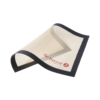
- I use my trusty, affordable baking mat for this recipe.
- I use baking beans for blind baking my shortcrust pastry.
Tips for success
- Get the cream-to-milk balance right. The traditional mix is cream and milk, go roughly half and half, or lean two-thirds cream if you like it richer. All cream and it sets thick and pasty, and all milk and it sets thin and a bit watery. A mix of the two is what gives you that silky, just-set middle.
- Grate your own cheese if you’re using it. The pre-grated stuff is coated in anti-caking powder that stops it melting cleanly. A block of Gruyère and a cheese grater is all you need so that the cheese melts into the custard properly.
- Season a bit harder than feels right. The lardons bring salt, yes, but the custard itself needs proper seasoning too, and cold food tastes blander than hot. Since a lot of quiche gets eaten warm or cold, an underseasoned one falls flat. Taste your custard before it goes in.
- If you’re batch-making,, let it go completely cold before you freeze it. Freezing it even slightly warm gives you ice crystals in the custard and a watery texture when it thaws, which is obviously not what you want.
How to store it
- Quiche reheats really well. Once it’s cooked and cooled, cover it and keep it in the fridge for up to three days. Reheat in a 180°C oven for 15 to 20 minutes until piping hot through, and it’s nearly as good as fresh. Do cover it loosely with foil so the top doesn’t brown further.
- It’s brilliant cold too, straight from the fridge the next day, which is how a lot of French people actually eat it. Packed into a lunchbox, sliced for a picnic, or prepared for gustest at apéro time.
- You can also freeze it. Cool it completely, wrap well, and freeze for up to a couple of months. Thaw overnight in the fridge, then reheat as above. The custard’s texture is very slightly less silky after freezing, but honestly it’s still good.

More recipes to try
Variations
- Leave out the onions for a true quiche lorraine: This is the authentic quiche Lorraine ingredients version: just eggs, cream and lardons. Purists will approve, and this is the way I like it best too!
- Add the onions for a quiche alsacienne (sort of): Technically what most of us call quiche Lorraine. Sweet caramelised onions against the smoky lardons.
- Go all in on cheese: A layer of grated Gruyère is the classic add. Escoffier did it, Bocuse did it, and it’s delicious, even if it starts arguments.
- Use smoked lardons: If you’re rather not follow this vegetarian quiche lorraine recipe, use smoked bacon lardons, that’sthe traditional choice. Same method throughout.
- Make it a crustless quiche: Skip the pastry entirely for a lighter, lower-carb version. Line the dish with parchment so it lifts out cleanly.
FAQ
What’s the difference between quiche lorraine and quiche alsacienne?
Strictly, the onions. A true quiche Lorraine is just eggs, cream and lardons, no onions and no cheese. Once you add onions it’s arguably a quiche Alsacienne. Most people call the onion version “quiche lorraine” anyway, but now you know the proper distinction.
Does a real quiche lorraine have cheese?
Traditionally, no. The original is eggs, milk, cream and smoked lardons only, and purists in Lorraine are fierce about it. Cheese was added later by Parisian chefs like Escoffier, and while it’s now common, the authentic Lorraine version leaves it out.
Can I make quiche lorraine ahead of time?
Yes, easily, and it’s one of the few dishes that reheats really well. Cook it, cool it, and keep it in the fridge for up to three days. Reheat at 180°C for 15 to 20 minutes, or eat it cold. It also freezes for a couple of months.
What’s the right ratio of eggs to cream in a quiche?
The classic French mix is 4 whole eggs to 200ml cream and 200ml milk, for a 24 to 26cm quiche. That’s the proportion the Lorraine authenticity board defends, so it’s about as official as it gets. Roughly one egg per person, with equal cream and milk. The mix of cream and milk is what sets it silky rather than pasty or thin.
Why did my custard go rubbery or crack?
The oven was too hot, or it baked too long. Custard sets silky at a low, steady heat (160 to 170°C fan), and it should still wobble slightly in the centre when you take it out. It finishes setting as it cools. A firm, puffed custard in the oven is already overdone.
Why is my quiche soggy on the bottom?
Almost always because the pastry wasn’t blind-baked first. Blind bake the shell until pale golden and dry, then brush the hot base with a little beaten egg to seal it before the custard goes in. That keeps it crisp.
About this recipe


 Prep Time 20 minutes
  Cook Time 50 minutes
  Total Time 1 hour 40 minutes
  Servings 6
Description
Ingredients
For the pastry (pâte brisée)
- 250 gr plain flour
- 125 gr unsalted butter cold, cut into small cubes
- 1 pinch salt
- 50 ml water add gradually
- 1 egg yolk =20 g
For the filling
- 200 gr vegetarian lardons smoked versions work best
- 2 onions
- 25 gr unsalted butter for frying
- 4 eggs
- 200 ml crème fraîche
- 200 ml whole milk
- 1 pinch nutmeg
- salt and black pepper
- 50 gr Gruyère cheese optional, grated
Equipment



Instructions
1. Blind bake the shell
- Make and blind bake your shortcrust pastry shell following the pâte brisée recipe, until pale golden and dry. Brush the hot base with a little beaten egg (taken from your filling eggs) to seal it and set aside.
2. Caramelise the onions
- Melt the butter in a frying pan over low heat. Add the sliced onions and cook gently, stirring now and then, for about 20 minutes until soft, golden and sweet. Don't rush them on high heat or they'll catch and turn bitter.
3. Add the (vegetarian) lardons
- Add the (vegetarian) lardons to the pan and cook for another few minutes, just to warm through and colour lightly. Take off the heat and leave to cool slightly.
4. Make the custard
- Whisk together the eggs, crème fraîche, and milk. Season with salt, pepper, and a good grating of nutmeg. The mixture should be smooth but not frothy.
5. Assemble and bake
- Preheat the oven to 160°C fan / 180°C conventional. Scatter the cooled onions and lardons over the base of the shell, along with the Gruyère if using. Pour the custard in to just below the rim.
6. Bake
- Bake for 30 to 40 minutes, until the custard is set around the edge but still has a slight wobble in the centre. Don't let it puff or brown too much. Rest for at least 10 minutes before slicing.
Notes
- Blind bake the shell first, this is the fix for a soggy bottom. Brushing the hot base with beaten egg seals it further.
- Low and slow for the custard. A steady 160°C fan sets the custard silky. Too hot and it puffs, cracks, and goes grainy.
- Take it out when the centre still wobbles slightly. It finishes setting as it cools, so a firm custard in the oven is overdone.
- Cool the filling before it goes in or else the hot onions and lardons will start to scramble the eggs.
- Leave out the onions for a more authentic Lorraine, or add Gruyère if you’re in the cheese camp. Both are your call!
- Make ahead: Keeps 3 days in the fridge and reheats well at 180°C for 15 to 20 minutes. It also freezes for a couple of months.
Share your feedback and spread the love!
If you try this recipe, I’d love to hear how it turns out! Leave a ★★★★★ rating and your thoughts in the comments, it helps fellow French foodies discover this recipe too. Snap a photo and tag @obviously.french on Instagram. Come talk about it in our Facebook group. And don’t forget to save this recipe to Pinterest so you’ll always have it handy for your next French-inspired meal!