 December 4, 2025
Disclosure: This post may contain affiliate links which provide us a small commission when used for purchase. Please read my disclosure policy for more information. I am grateful for your support!
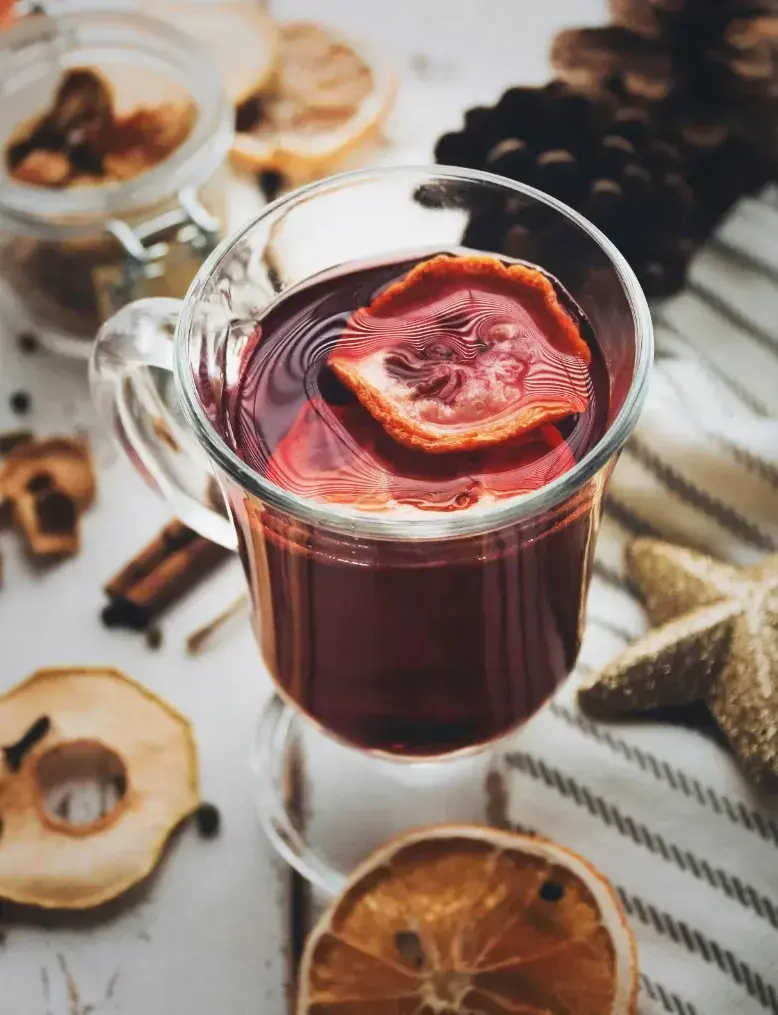
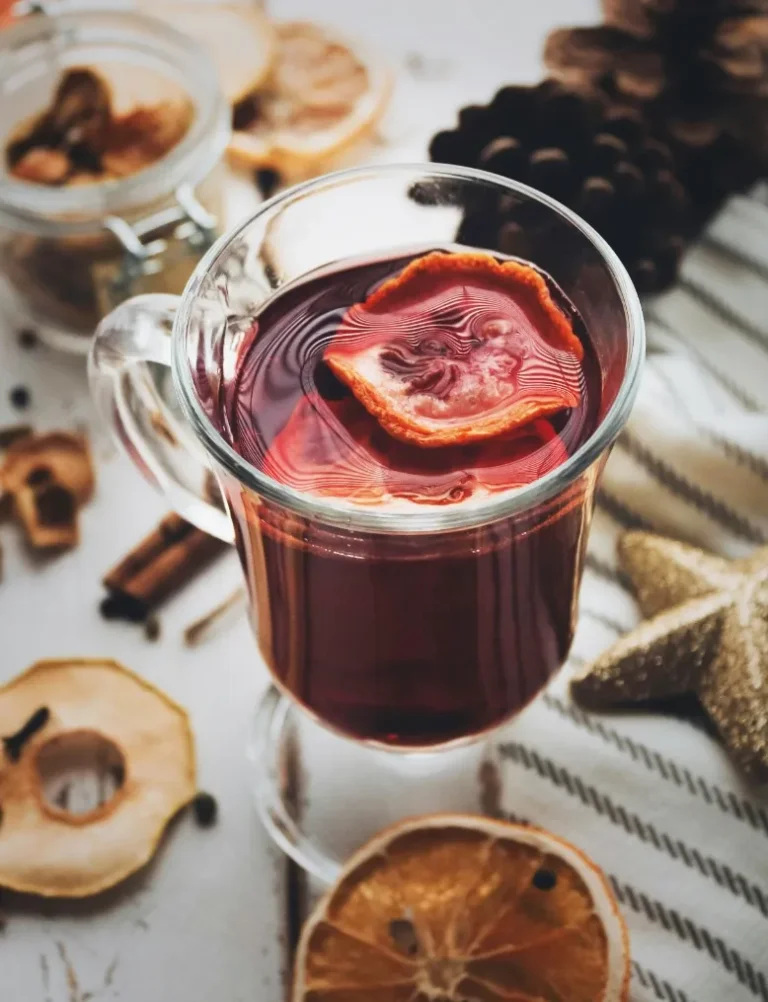
You know it’s Christmas when you’re standing at a market in gloves, holding a plastic cup of mulled wine. The smell alone is enough to bring all those past holidays back, familiar and comforting, warming you right through.
And I have to say, the French version is my favourite. It’s less sweet, a little drier, and somehow deeper in flavour. Honestly, I’ve always thought we shouldn’t wait until December for it. I’d happily start as soon as autumn arrives. Would that really be so wrong?
Table of Contents
Where French mulled wine comes from
French mulled wine, or vin chaud, has a medieval ancestor called hypocras. Hypocras was a prestige drink. The spices, cinnamon, cloves, grains of paradise, were expensive and imported, which made a spiced wine a way of showing off. The spices also did a useful job of covering up wine that had started to turn, back when nothing kept well in a barrel. Prestige and pragmatism in the same cup.
The hot drink we know now is a later, simpler descendant, and its modern home is the Christmas market! That tradition came to France from Alsace, the north-eastern region on the German border that has borrowed from both cultures for centuries. Strasbourg’s Christkindelsmärik, running since 1570, is the oldest Christmas market in France, and French mulled wine came with the format as it spread south. From Strasbourg to the seasonal stalls that appear in town squares across the country every December, hot spiced wine became inseparable from French winters.
Ingredients
- Red wine — the base, and it doesn’t need to be expensive, but it does need to be nice to drink. A decent Côtes du Rhône, a Beaujolais/Gamay or a Pinot Noir works well.
- Orange, sliced and juiced — zest and juice give the citrus lift that keeps French mulled wine on the bright, less-sweet side. Slices go in the pot and look good in the glass; the juice from the second orange balances the sugar.
- Caster sugar — restrained on purpose. French mulled wine is drier than glühwein, so start with 100g and adjust from there.
- Cinnamon sticks — one of the two non-negotiable spices. Sticks rather than ground, so the wine stays clear.
- Cloves — the other non-negotiable, and the one to respect. Four for the whole pot is plenty; too many and clove takes over everything.
- Star anise — adds a subtle aniseed depth that suits the French version well.
- Cardamom pods — lightly crushed, for a warm, slightly resinous note underneath.
- Vanilla pod — split, for warmth. A whole pod is generous; the seeds do most of the work.
- Cognac or brandy — optional, for extra warmth. A splash near the end lifts the whole thing without cooking off.
The right wine for this mulled wine recipe
Avoid anything too tannic or too light. Heavy tannins turn bitter with heat, and very light reds don’t have the body to carry the spices. Something in the middle, fruit-forward, moderate tannins, enough structure to hold up, is what you want.
How to make French mulled wine
1. Prep the spices
I always crush the cardamom and split the vanilla before anything else, because once the wine’s on you won’t want to be fiddling. Scrape the vanilla seeds out but throw the empty pod in too, it’s got plenty left to give.
2. Combine everything in the pan.
It all goes in at once and gets a stir. The one thing I watch is the sugar dissolving off the bottom before the heat comes up, so it doesn’t catch.
3. Keep it under a simmer
This is the step that makes or breaks it. Too hot and you boil off the alcohol and you’re left with hot juice, which is a sad end for a decent bottle. I keep it barely steaming, and if I see a single bubble break the surface I pull it off the heat for a minute.
4. Taste before you serve
I never trust the first amount of sugar. After fifteen minutes I taste and almost always reach for more orange juice rather than more sugar, it keeps the French vin chaud on the dry, bright side I like. Add the cognac here if you want it stronger.
5. Strain and serve hot
Sieve out the spices so nobody bites a clove, and get it into glasses while it’s properly hot, this drink dies fast when it goes lukewarm. A cinnamon stick in each glass if you’re feeling the vibe!
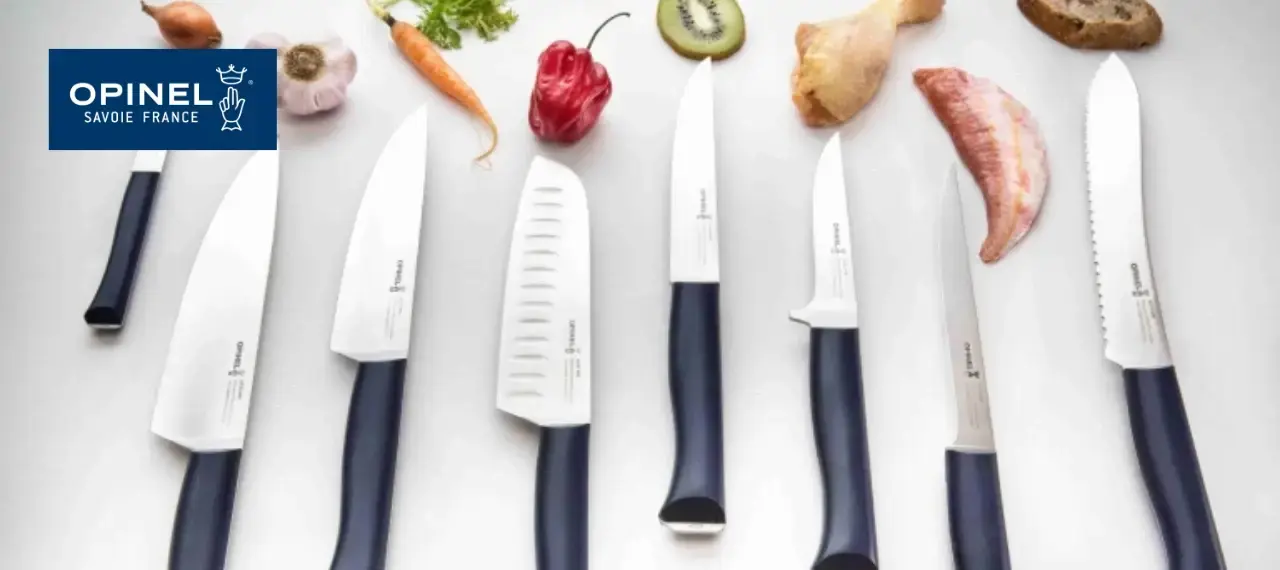
Tools for this recipe
Check out my favorite kitchen essentials and cookware!
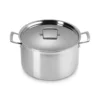
- Use a large heavy saucepan to hold the wine at a steady low heat without hot spots.
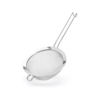
- Use a fine sieve to strain the spices, zest and fruit.
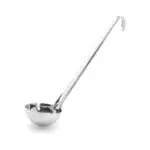
- Use a stainless steel ladle to serve straight from the pot.
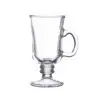
- Use handled Irish coffee glasses for the classic serving.
Tips for success
- Keep it below a simmer: bubbling means lost alcohol and a flat result.
- Go easy on cloves: four for the pot, no more.
- Use orange zest and juice, not extra sugar, when you want brightness: it’s what keeps the French character.
- Make it ahead if you can: it’s actually better for a rest, the spices infuse more fully. Warm it gently before serving.
How to store it
- In the fridge: Keeps for two or three days in a sealed glass container, and it actually improves overnight as the spices settle in. Strain out the spices first so it doesn’t turn bitter or over-clovey sitting there. Reheat gently, same rule as always, just below a simmer, never boiling.
- Outside or in a cold spot: If you’ve made a big batch for a party, a covered pan left somewhere genuinely cold (a garage, a north-facing larder, a cold windowsill in winter) is fine for a few hours before you rewarm it. Strain it first here too.
- In the freezer: I wouldn’t. There’s no real advantage, and freezing dulls the fresh citrus that gives French vin chaud its lift. If you must, freeze it strained and use it as a cooking base rather than expecting it to taste freshly made.
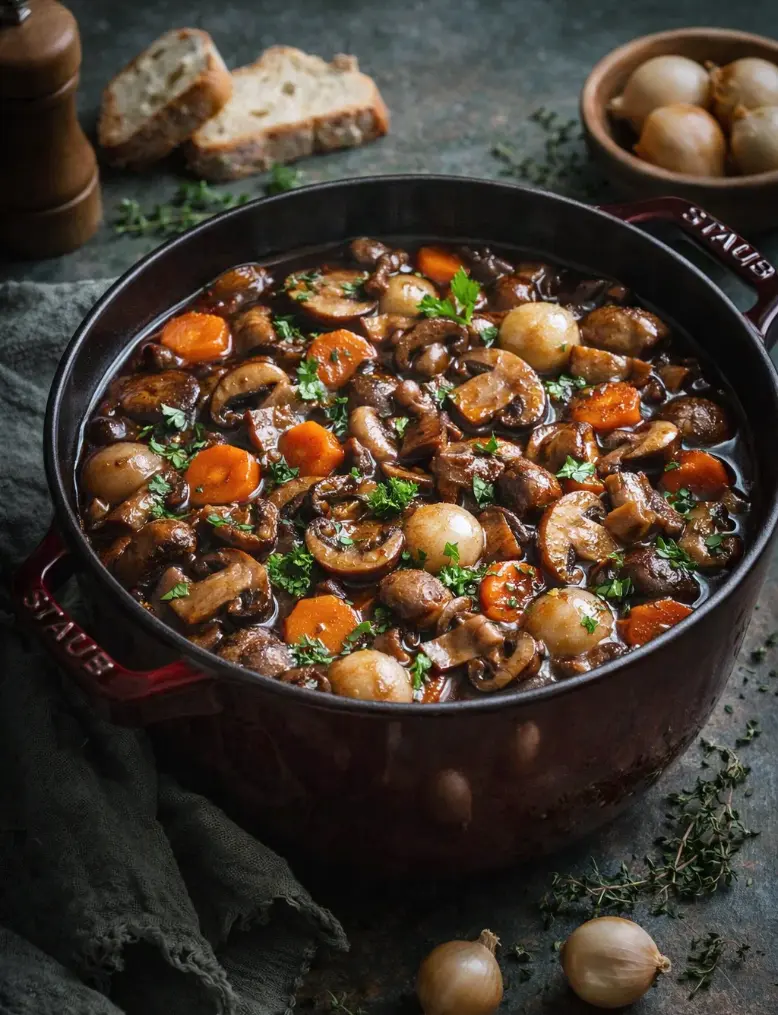
More wine recipes to try
Variations
- Alcohol-free: swap the wine for red grape juice and add a squeeze of lemon for acidity, since you lose the natural sharpness of the wine. It works really well, and it’s the version for children or whoever’s driving home.
- Less sugar: easy to do here, because the sugar isn’t structural, it’s just seasoning. Start at 50g instead of 100g, lean harder on the orange juice and zest for brightness, and taste as you go. A slightly tarter orange helps too. French mulled wine is meant to be on the dry side anyway, so this is arguably closer to the real thing.
- Spice swaps: cinnamon, cloves and orange stay. Everything else is fair game, a little fresh ginger, a grating of nutmeg, a bay leaf. Change one thing at a time so you know what did what.
- White wine for mulled wine: for an Alsatian twist, use a dry white like a Riesling and lean on lemon as well as orange. Lighter, and worth trying once.
FAQ
What’s the best wine for mulled wine?
A decent but inexpensive red with body and fruit, like a Côtes du Rhône or a simple Merlot. Avoid anything very tannic (it turns bitter when heated) or very light (it can’t carry the spices). Don’t use a bottle you wouldn’t drink cold, heat won’t fix a bad wine.
Is French mulled wine different from German glühwein?
Yes. French vin chaud is drier and less sweet, made with red wine, restrained sugar and orange zest. Glühwein tends to be sweeter and sometimes uses white wine. The French version tastes more of wine and spice than of spiced fruit.
Can you make mulled wine without alcohol?
Yes. Use red grape juice instead of wine and add a little lemon juice for acidity. It’s a good hot wine drink stand-in for children or anyone driving.
Why shouldn’t you boil mulled wine?
Boiling cooks off the alcohol and leaves you with something closer to hot fruit juice. Keep it just below a simmer, steaming and fragrant but never bubbling.
Can I make mulled wine ahead of time?
Yes! Make it a few hours or even a day ahead, strain out the spices, and reheat gently before serving so the flavours have had time to infuse.


 Prep Time 5 minutes
  Cook Time 20 minutes
  Total Time 25 minutes
  Servings 6
Description
Ingredients
- 750 ml red wine a decent Côtes du Rhône works
- 2 orange 1 sliced, 1 juiced
- 100 gr caster sugar adjust to taste
- 2 cinnamon sticks
- 4 cloves
- 2 star anise
- 3 cardamom pods
- 1 vanilla pod
- 50 ml cognac or brandy, for extra warmth
Equipment
Instructions
1. Prep your spices
- Lightly crush the cardamom pods with the flat of a knife. Split the vanilla pod lengthways and scrape out the seeds (both pod and seeds go in). Slice one orange into rounds.
2. Combine everything
- Pour the wine into a large saucepan. Add the sugar, orange slices, orange juice and all the spices. Stir well to dissolve the sugar.
3. Heat gently, don't boil
- Put the pan over a low heat and warm through for 15–20 minutes. You want it steaming and fragrant, but if it boils you'll cook off the alcohol and end up with expensive fruit juice. Keep it just below simmering point.
4. Taste and adjust
- After 15 minutes, taste. Too sweet? A squeeze more orange juice. Not sweet enough? A bit more sugar. Want it stronger? Splash in the cognac now.
5. Strain and serve
- Strain out the spices and orange through a fine sieve. Ladle into heatproof glasses or mugs while hot. Add an orange slice or cinnamon stick to each glass if you're feeling decorative.
Notes
- For the wine, don’t use anything expensive, but don’t use paint stripper either. A basic French red, Côtes du Rhône, Merlot or even Beaujolais, works perfectly. The spices do the heavy lifting.
- French mulled wine is less sweet than German glühwein. Start with 100g and adjust, some like it barely sweetened, others want it properly syrupy.
- Cinnamon, cloves and orange are non-negotiable. Everything else is fair game, some recipes add fresh ginger, nutmeg or a bay leaf. Experiment.
- For an alcohol-free version, use red grape juice instead of wine and add a little lemon juice for acidity. Works surprisingly well for kids or if you’re driving.
- You can make this a few hours ahead and reheat gently before serving. It tastes better once the spices have had time to infuse.
Share your feedback and spread the love!
If you try this recipe, I’d love to hear how it turns out! Leave a ★★★★★ rating and your thoughts in the comments, it helps fellow French foodies discover this recipe too. Snap a photo and tag @obviously.french on Instagram. Come talk about it in our Facebook group. And don’t forget to save this recipe to Pinterest so you’ll always have it handy for your next French-inspired meal!