 December 20, 2025
Disclosure: This post may contain affiliate links which provide us a small commission when used for purchase. Please read my disclosure policy for more information. I am grateful for your support!
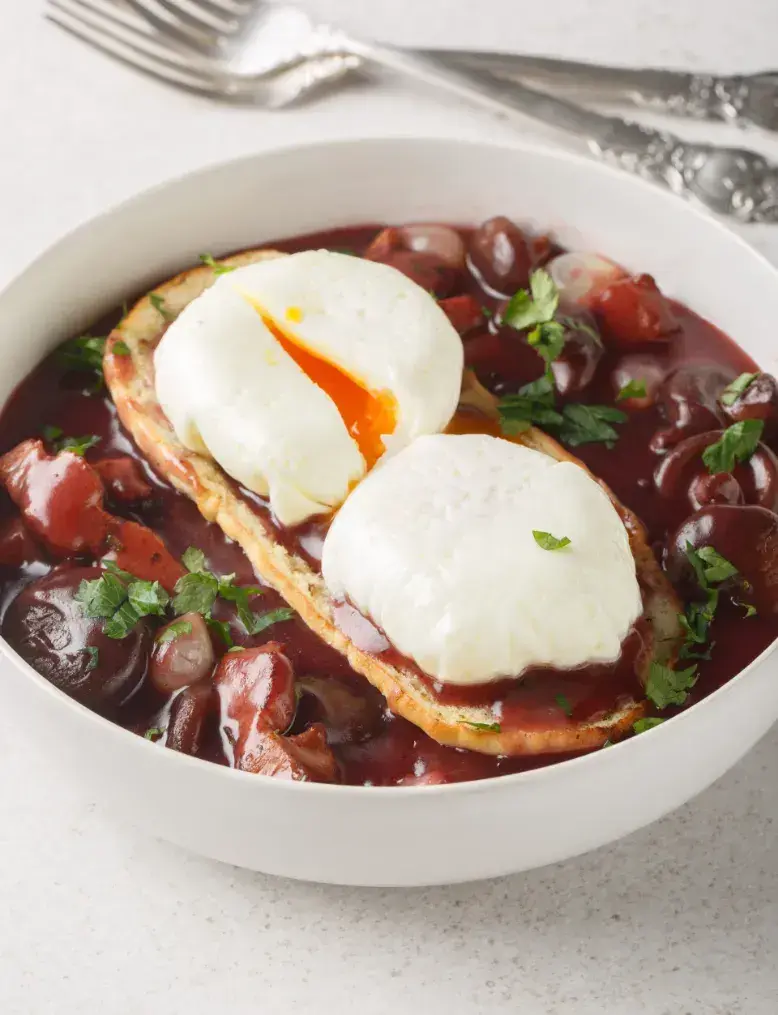
I laughed like a child when I first heard the name of this one, as I think any grown-up with a sense of humour would. Let me translate it for you: oeufs à la couille d’âne means “donkey’s bollocks eggs.” Yes, really. But don’t worry, no donkeys were harmed in the making of it.
This very local French dish from the Berry region is almost guaranteed to raise eyebrows and cause a bit of mischief at the table. But behind the silly name is proper rustic cooking: eggs, red wine, lardons, stale bread. The name is pure local cheek, and the French do love a culinary double entendre. Try ordering this in a Berry restaurant with a straight face. I dare you!
Table of Contents
Where oeufs à la couille d’âne comes from
This is Berry’s answer to the more famous Burgundian oeufs en meurette, eggs poached in a red wine sauce, and it’s the same idea made with local goods and a much funnier name. Where the Burgundians use their grand Pinot Noir, the Berry cooks used what they had: eggs from the coop, lardons from the larder, stale bread that needed using up, and a bottle of the local red.
And Berry has good red to spare. It’s far from any coast, tucked into the middle of France across the départements of Indre and Cher, with lovely old Bourges as its capital, and it sits within the wider Loire wine region. Its reds, Menetou-Salon and Reuilly in particular, are genuinely excellent and exactly right for this.
As for the name. The “couille d’âne” is said to come from a plump, rustic old shallot-onion variety once grown in Berry, though honestly it may just be farmyard cheek about the look of a whole egg sitting in dark sauce. Nobody seems entirely sure. Either way, the French do love a good crude culinary name, and this one earns its place. It gets the laughs, but most importantly, it gets second helpings.
Ingredients
- Eggs – The freshest you can get, since fresh eggs hold together far better when poached. The whole point of the dish.
- Red wine – A decent bottle of something you’d drink. A Berry red (Menetou-Salon, Reuilly) is perfect; any medium-bodied red works. It’s most of the flavour, so don’t use cooking plonk.
- Vegetarian lardons – For salt, smoke and depth.
- Onion and shallot – The base of the sauce, softened in butter. (A nod to that shallot the dish is named for.)
- Garlic – For depth.
- Butter and flour – A little beurre manié to thicken the sauce to a glossy coating at the end.
- Bouquet garni (thyme, bay) – The classic aromatics herbs for a red wine sauce.
- Stale country bread – Toasted and rubbed with garlic, to serve the eggs on and soak up the sauce.
- Sugar – A pinch, to balance the acidity of the reduced wine.
How to make oeufs à la couille d’âne
1. Build the wine base
Crisp the lardons in butter, then soften the onion, shallot and garlic in the same pan. Pour in the red wine, add the bouquet garni and a pinch of sugar, and let it come to a gentle simmer and reduce a little. This is your poaching liquid and your sauce in one.
2. Poach the eggs in the wine
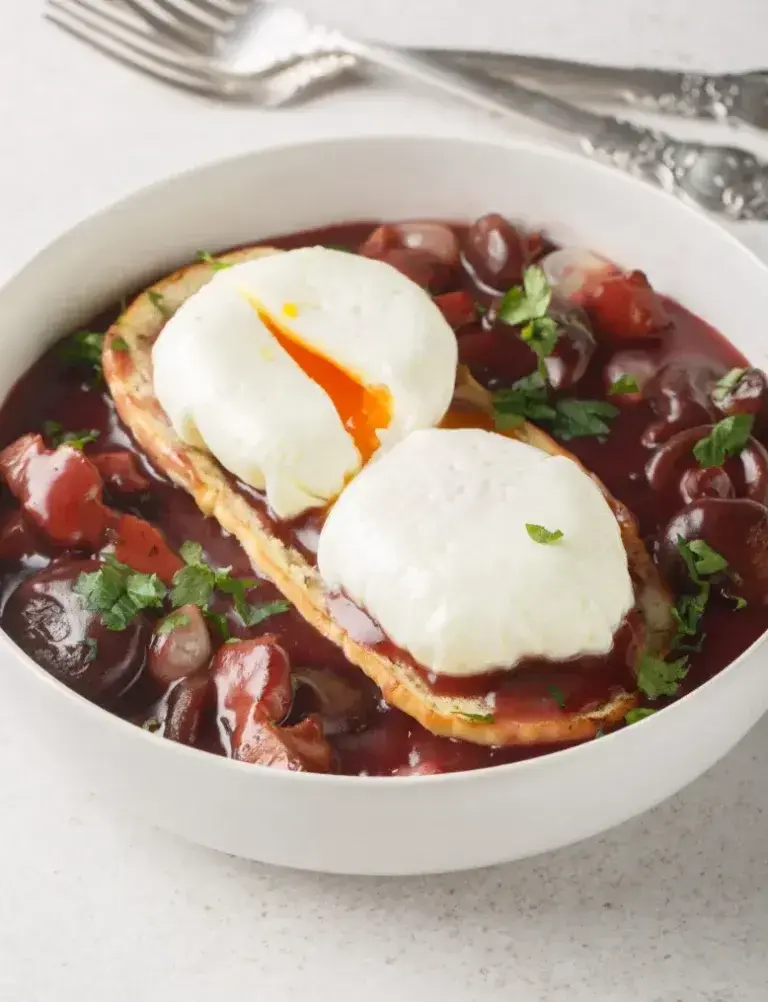
Get the wine to a bare, trembling simmer (not a rolling boil, or the eggs break up). Crack each egg into a cup first, then slide it gently into the wine, and poach for 3 to 4 minutes until the whites are set but the yolks still soft. Lift them out carefully with a slotted spoon and keep them warm. They’ll be stained a deep purple, which is exactly right.
3. Thicken and serve
Turn up the heat and reduce the wine until rich and glossy, then whisk in a little beurre manié (butter mashed with flour) to thicken it to a sauce that coats a spoon. Taste and season. Toast the bread, rub it with a cut garlic clove, and set it in shallow bowls. Sit the eggs on the toast, spoon the hot sauce and lardons over, and serve at once.
Tools for this recipe
Check out my favorite kitchen essentials and cookware!
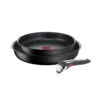
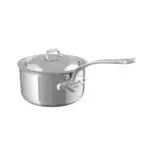
- Use a wide, shallow sauté pan or braisier so the eggs have room to poach in the wine without crowding.
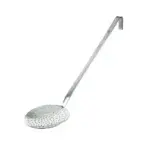
- Use a skimmer spoon to lift the delicate poached eggs out cleanly.
- Use a small whisk to work the beurre manié smoothly into the sauce.
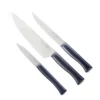
- Use a sharp knife to chop the onion and shallot fine.
Tips for success
- Use the freshest eggs you can: fresh whites cling to the yolk and hold their shape when poached; older ones spread into wispy threads. This matters even more poaching in wine than in water.
- Keep the wine at a bare simmer: a gentle, trembling simmer sets the eggs softly. A rolling boil tears them apart. Low and patient.
- Crack each egg into a cup first: then slide it in gently and close to the surface. It’s the trick to a neat poach, and it lets you fish out any bad egg before it hits the pan.
- Embrace the purple: the eggs come out burgundy-stained, and that’s the whole character of the dish. If you want white eggs, poach them in water and reheat in the sauce, but you lose the point.
- Use wine you’d drink: it’s the main flavour, and it reduces and concentrates, so its faults concentrate too. A decent Berry or Loire red if you can find it.
How to store it
- This is a serve-immediately dish, the eggs want to be soft and hot, the sauce glossy, the toast still crisp underneath. It doesn’t hold or reheat well once assembled, since the eggs overcook and the toast goes soggy.
- The sauce, though, is very make-ahead friendly, which is how I’d get ahead for guests. Make the whole red wine base (up to the point of poaching) a day in advance and keep it in a glass container in the fridge; it deepens in flavour overnight. Then reheat it, poach the eggs fresh, and assemble. That’s most of the work done.
- Leftover sauce keeps 3 days in the fridge and freezes for a couple of months, and it’s genuinely useful, spoon it over a steak, or make another batch of eggs. I wouldn’t keep cooked eggs, though; poach them to order.
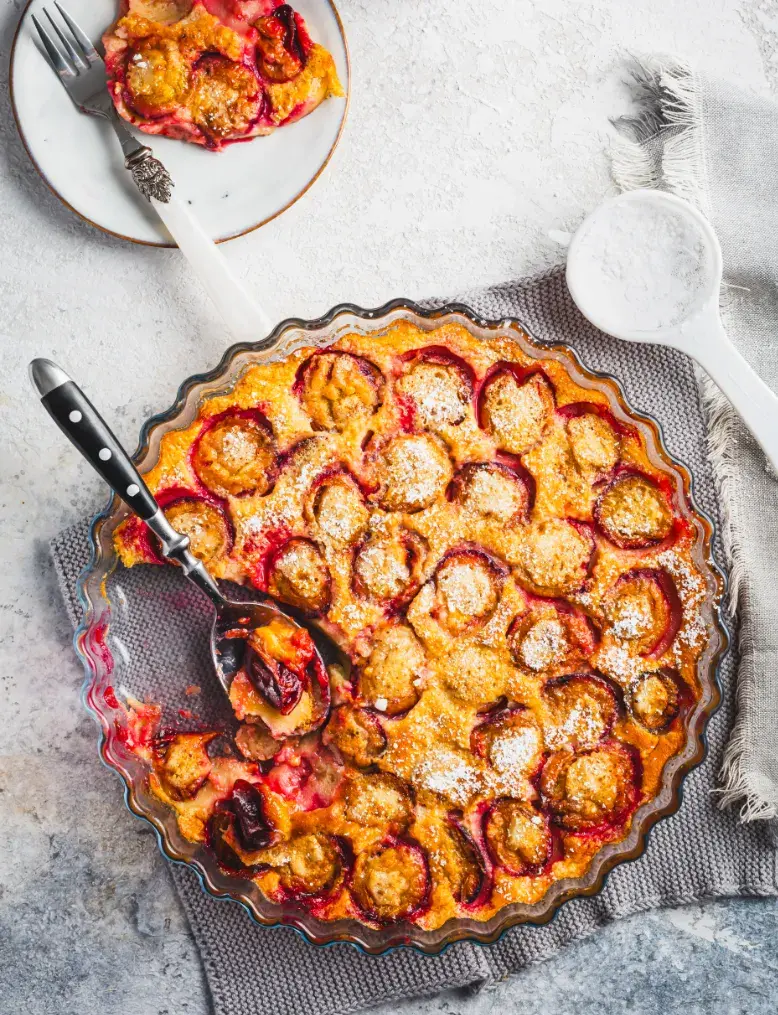
More dessert recipes to try
Variations
- Oeufs en meurette (the Burgundian original): add mushrooms and pearl onions to the sauce, poach the eggs separately in water, and serve the meurette spooned over.
- Make it a meal: two eggs per person on a big slab of toast, with a green salad, turns a starter into a light supper.
- Add a splash of cognac: a little brandy in the sauce, flamed off, for extra depth.
- A richer sauce: reduce the wine with a little vegetable stock alongside, meurette-style, for a deeper, glossier sauce.
FAQ
What does “oeufs à la couille d’âne” mean?
It translates literally as “donkey’s bollocks eggs”, rustic French farmyard humour. It’s a dish from the Berry region of central France of eggs poached in red wine. The name is said to come from an old local shallot variety, though it may just be rural cheek. No donkeys are involved!
What’s the difference between oeufs à la couille d’âne and oeufs en meurette?
They’re close cousins. Oeufs en meurette is the famous Burgundian version, where eggs are often poached separately and served in a red wine sauce. In oeufs à la couille d’âne, from Berry, the eggs are poached directly in the red wine, so they take on a deep purple stain and a more rustic character.
Why are my poached eggs purple?
Because they’re poached in red wine, that’s exactly what should happen. The wine stains the whites a deep burgundy. It’s the whole character of the dish, not a mistake. If you’d prefer white eggs, poach them in water and reheat them in the sauce instead.
What wine should I use?
A decent medium-bodied red you’d happily drink, since it’s the main flavour and it reduces and concentrates. A Berry red like Menetou-Salon or Reuilly is ideal and authentic, but any good Loire or Burgundy red works. Avoid cheap cooking wine.


 Prep Time 15 minutes
  Cook Time 30 minutes
  Total Time 45 minutes
  Servings 4
Description
Ingredients
- 8 eggs very fresh
- 750 ml red wine use something decent from Berry or Loire if possible
- 150 gr vegetarian smoked lardons
- 1 onion finely chopped
- 2 shallots finely chopped
- 2 cloves garlic minced
- 30 gr unsalted butter
- 1 bouquet garni
- 1 pinch sugar
- salt and black pepper
For the beurre manié
- 20 gr unsalted butter
- 20 gr plain flour
To serve
- 4 slices bread thick country bread
- 1 clove garlic halved
Equipment
Instructions
1. Build the base
- Melt the butter in a wide pan over medium heat. Crisp the lardons for 4 to 5 minutes, then set aside half. Add the onion, shallots and garlic to the pan and soften for 6 to 8 minutes without colouring.
2. Add the wine
- Pour in the red wine, add the bouquet garni and sugar, season lightly, and bring to a gentle simmer. Simmer 10 minutes to let it reduce a little and lose the raw alcohol.
3. Poach the eggs
- Lower to a bare, trembling simmer. Crack each egg into a cup and slide it gently into the wine. Poach 3 to 4 minutes, until the whites are set and the yolks still soft. Lift out with a slotted spoon and keep warm. They'll be stained deep purple.
4. Thicken the sauce
- Remove the bouquet garni. Turn up the heat and reduce the wine by a third, until rich. Mash the softened butter and flour together and whisk it in bit by bit until the sauce coats a spoon. Taste and season. Return the reserved lardons.
5. Serve
- Toast the bread and rub with the cut garlic. Set a slice in each shallow bowl, top with 2 poached eggs, and spoon over the hot red wine sauce and lardons. Serve immediately.
Notes
- Freshest eggs hold together best when poached, even more so in wine.
- Bare simmer only, or the eggs break up.
- Purple eggs are correct, that’s the wine, and the whole character of the dish.
- Use wine you’d drink; it’s the main flavour and it concentrates as it reduces.
- Make the sauce base a day ahead; poach the eggs fresh to serve.
Share your feedback and spread the love!
If you try this recipe, I’d love to hear how it turns out! Leave a ★★★★★ rating and your thoughts in the comments, it helps fellow French foodies discover this recipe too. Snap a photo and tag @obviously.french on Instagram. Come talk about it in our Facebook group. And don’t forget to save this recipe to Pinterest so you’ll always have it handy for your next French-inspired meal!