 July 27, 2025
Disclosure: This post may contain affiliate links which provide us a small commission when used for purchase. Please read my disclosure policy for more information. I am grateful for your support!
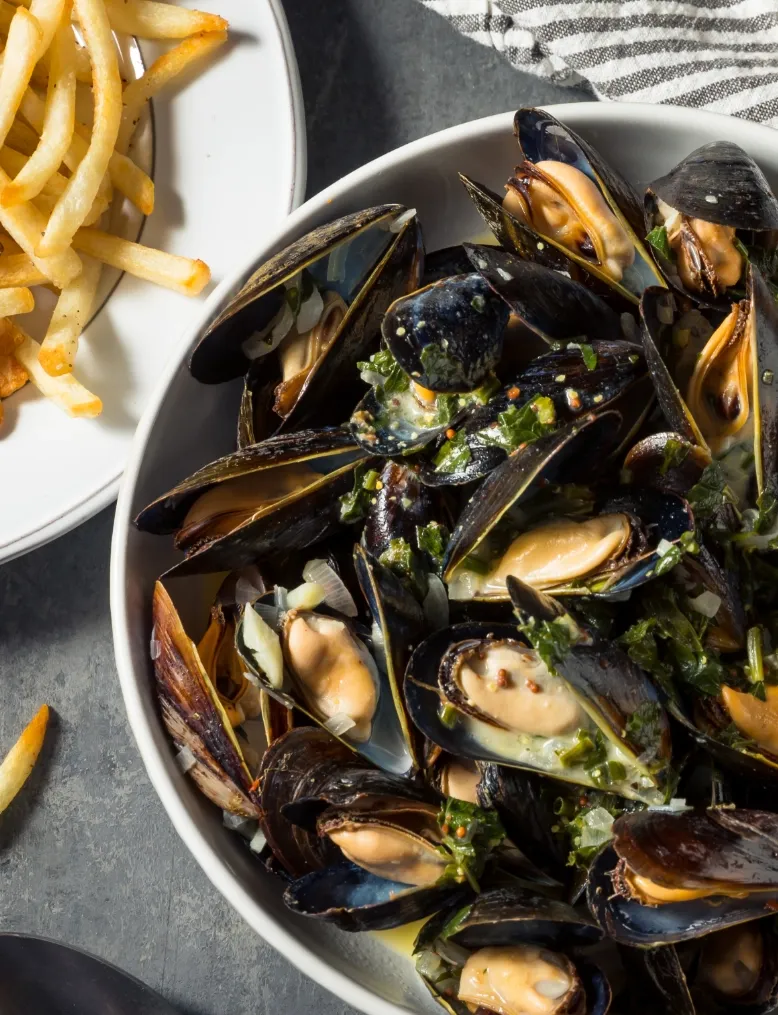
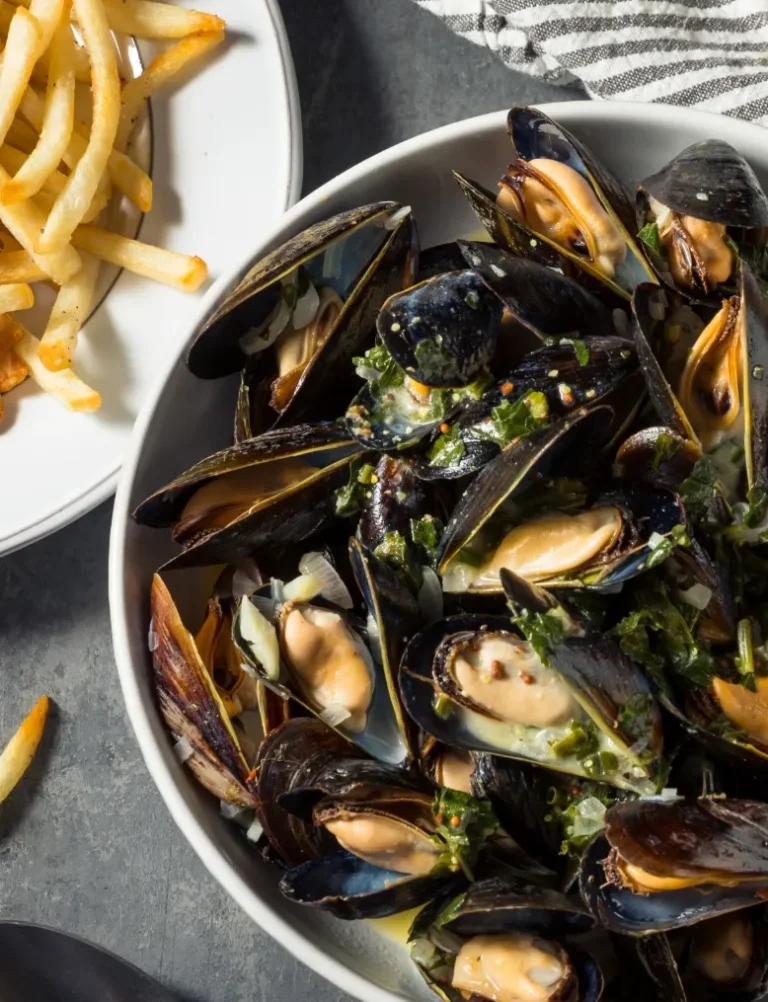
Growing up in Nice, seafood was just part of everyday life. We’d eat big platters of moules frites near the Cours Saleya market with the Mediterranean a few steps away. I know. The luxury. I still remember the first time a huge steaming pan landed in front of us. Within minutes everyone had parsley on their fingers, shells in their hands, and grins wider than the Promenade des Anglais. Any idea of table manners disappeared, and all that mattered was opening shell after shell.
I also have an actual system for eating them. I use one empty shell like a little pair of tongs to pull the meat from the next one. Some people build chaotic mountains of empty shells, but I line mine up in neat rows like a crazy person, and I still do.
Table of Contents
Where moules frites come from
Who first put mussels and chips on the same plate is a question that can keep a French and Belgian table arguing all evening. Both claim it, both have decent arguments, and the City of Lille’s own account admits the dish was born of unknown parents. What’s certain is that moules frites are daughters of the north, born where mussel-rich coastlines met an established potato culture.
The best-documented chapter belongs to the Braderie de Lille which is on my bucket-list to go to! The flea market itself goes back to the 12th century, and mussels have been eaten there since at least the 15th, shipped down from Zeeland. Every September the city still gets through around 500 tonnes of them in a single weekend, and restaurants pile their empty shells outside the door as a boast about how well they’ve done!
Ingredients
- Mussels — use them the day you buy them, and check them properly.
- Dry white wine — the backbone of the broth. Muscadet is the classic, or any crisp unoaked white. Something you’d drink, since it barely cooks and the flavour stays.
- Shallots — sweeter and gentler than onion, softened first so they melt into the broth rather than sitting in it.
- Garlic — a minute is all it needs. Browned garlic turns bitter and will run through everything.
- Salted butter — northern French, and the richness that turns mussel juice and wine into a proper broth.
- Parsley — flat-leaf, chopped and stirred in at the very end for freshness against all that butter.
- Floury potatoes — for the chips. High starch is what gives you a crisp shell and a fluffy middle.
- Crème fraîche (optional) — a spoonful at the end softens the sharp edge of the wine. Some cooks always add it, others want the broth clean and winey.
How to make moules frites
1. Cut and soak the fries first
Slice the floury potatoes into thin fries and soak them in cold water for at least 30 minutes. This pulls out surface starch, which is what stops them going crisp. Drain and dry them thoroughly with a tea towel, because wet potato in hot oil is both dangerous and soggy.
2. Clean the mussels while they soak
Scrub the shells in cold water, pull off the beards, and discard anything cracked or any shell that won’t close when tapped. Rinse well. Five minutes of fuss now is what stands between you and a gritty mouthful later.
3. Give the fries their first fry
Heat the oil to 160°C and fry the chips in batches for 5 to 6 minutes, until soft and pale but not coloured. Lift them out and cool on a rack. This first fry cooks them through; the crisping comes later. Frying once only gives you chips that are golden outside and raw within.
4. Build the marinière base
Melt the butter in your widest pot and soften the shallots gently for two minutes, then the garlic for one more. Don’t let either colour. Turn the heat up, pour in the wine and let it bubble hard for a minute to cook off the raw alcohol.
5. Steam the mussels, and don’t overcook them
Tip in the mussels, clamp the lid on tight and shake the pot. Four to five minutes, with another shake halfway, until they’ve opened. Discard any that stay shut. Overcooked mussels shrink into rubber, so pull them off the heat the moment they’re open.
6. Second-fry the fries while the mussels steam
Crank the oil to 190°C and return the chips for 2 to 3 minutes, until deep golden and crisp. Drain on kitchen paper and salt them immediately, while the surface is still hot enough to take it.
7. Finish and serve straight away
Off the heat, stir the chopped parsley and black pepper through the broth, plus a spoonful of crème fraîche if you want it. Ladle into deep bowls with plenty of broth, pile the chips alongside, and get an empty bowl on the table for the shells.
Tools for this recipe
Check out my favorite kitchen essentials and cookware!
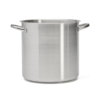
- Use a wide stockpot with room for the mussels to sit loosely rather than packed tight, since crowded mussels open unevenly and some overcook while others lag.
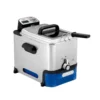
- Use a deep fryer or heavy pot with a thermometer, because the two-stage fry depends on hitting 160°C then 190°C accurately.
Tips for success
- Use your widest pot, and don’t fill it more than halfway: mussels need room to open. Cook two batches rather than cramming one.
- Stop the moment they open: they go from plump to rubbery in about ninety seconds. The shells opening is the timer, not the clock.
- Dry the chips properly before frying: any surface water turns to steam and stops them crisping, quite apart from making the oil spit.
- Salt the chips the second they leave the oil: once they cool the salt slides straight off.
- Save any leftover broth: strained, it’s a superb base for a fish soup or a risotto, and it freezes well.
How to store it
- Raw mussels: In the fridge in a bowl covered with a damp cloth, and cook them within a day of buying. Never in sealed plastic or standing water.
- Cooked mussels: Keep a day in the fridge, out of their shells and covered in their strained broth. Reheat very gently or eat cold in a salad, since a second cooking makes them tough.
- The chips: Don’t keep at all. They’re crisp for about ten minutes and there’s no reviving them, so fry only what you’ll eat. You can, however, do the first fry hours ahead and keep them at room temperature, then do the second fry to order.
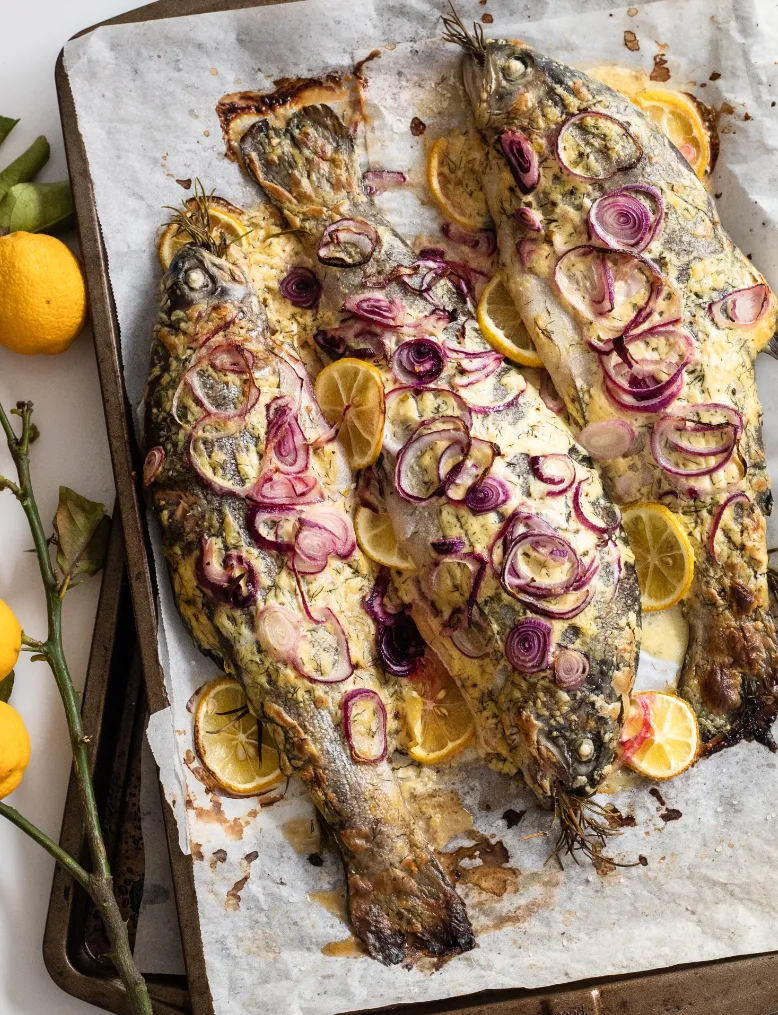
More fish recipes to try
Variations
- Moules à la crème: a more generous hand with the crème fraîche, stirred in at the end for a properly creamy broth. Very northern French.
- Moules à la bière: the Belgian version, swapping the wine for a light local beer. Maltier and slightly sweeter, and it works beautifully.
- With curry: Moules au curry is a genuine Belgian brasserie standard: a teaspoon of curry powder with the shallots and a good spoon of cream at the end.
- Moules à la provençale: add chopped tomatoes and a pinch of herbes de Provence with the wine.
- Without the frites: serve it with bread, and plenty of it, which is arguably the older way of eating them and saves you the deep fryer entirely.
FAQ
How do you know if mussels are safe to eat?
Before cooking, discard any that are cracked, or open and won’t close when tapped firmly. After cooking, discard any that stay tightly shut. Buy them alive and cook them the day you buy them.
What wine is best for moules marinière?
A dry, crisp, unoaked white. Muscadet is the classic choice. It barely cooks, so the flavour carries straight into the broth, and you want something you’d happily drink alongside.
Why are my mussels rubbery?
They were overcooked. Mussels need only 4 to 5 minutes and are done the moment the shells open, so take them off the heat immediately rather than cooking to a timer.
How much mussels do you need per person?
Around 500g per person as a main course, or 1kg for two, which is what this recipe uses. It looks like a lot, but most of that weight is shell.
Why fry the fries twice?
The first fry at a lower temperature cooks the potato through, and the second at high heat crisps the outside. A single fry gives you chips that are coloured outside and undercooked in the middle.


 Prep Time 20 minutes
  Cook Time 20 minutes
  Total Time 40 minutes
  Servings 2
Description
Ingredients
- 1 kg mussels fresh, cleaned and debearded
- 2 shallots
- 2 cloves garlic
- 30 gr salted butter
- 150 ml dry white wine preferably Muscadet or a crisp French white
- 1 handful parsley fresh
- black pepper freshly ground
Equipment
Instructions
1. Prepare the fries
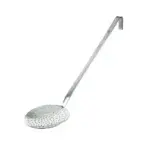
- Slice the potatoes into thin chips and soak in cold water for at least 30 minutes to remove the starch. Drain and pat thoroughly dry with a clean tea towel, then toss in the plain flour. Heat the oil to 160°C and fry the chips in batches for 5–6 minutes, until pale and soft but not coloured. Remove with a slotted spoon and cool on a rack.
2. Clean the mussels
- Place the mussels in a bowl of cold water and scrub gently. Pull off the beards and discard any that are cracked or refuse to close when tapped. Rinse well.
3. Sweat the shallots and garlic
- In your largest pot, melt the butter over medium heat. Add the shallots and cook gently for 2 minutes, then the garlic for another minute. Don't let them brown.
4. Build the marinière base
- Turn up the heat, pour in the white wine, and let it bubble hard for a minute.
5. Steam the mussels
- Tip in the mussels and clamp the lid on tight. Shake the pot, then steam for 4–5 minutes, shaking again halfway, until the shells have opened. Discard any that stay closed.
6. Finish the fries
- While the mussels steam, heat the oil to 190°C. Return the chips and fry for 2–3 minutes until golden and crisp. Drain on kitchen paper and salt immediately.
7. Serve it up
- Off the heat, stir the chopped parsley and black pepper into the broth, adding the crème fraîche if using. Ladle the mussels into deep bowls with plenty of broth, and serve with a pile of hot chips.
Notes
- The old rule is to eat mussels only in months with an “R” in them, roughly September to April. In warmer months they spawn and the meat gets thin. Farming and refrigeration mean you’ll find them year-round, but the cooler months give you the fattest shells.
- Floury potatoes are best for chips. The high starch content gives you a crisp crust and a fluffy interior.
- The first fry can be done hours ahead. Do the second fry just before serving.
Share your feedback and spread the love!
If you try this recipe, I’d love to hear how it turns out! Leave a ★★★★★ rating and your thoughts in the comments, it helps fellow French foodies discover this recipe too. Snap a photo and tag @obviously.french on Instagram. Come talk about it in our Facebook group. And don’t forget to save this recipe to Pinterest so you’ll always have it handy for your next French-inspired meal!