Nice, the radiant heart of the French Riviera
I spent ten years of my childhood in Nice. At the time, I barely registered how extraordinary that was. It is only now, when I mention it and people assume I must be impossibly posh or secretly wealthy, that I recognise what a gift those years were.
The truth is my family was not fancy. My memories are not of yachts or champagne. They are of salty sea breezes, melting ice creams, and chasing my brother through the Castle Hill on quiet Sunday mornings. Of roller skating along the Promenade des Anglais. Of the sensory overload that was Vieux Nice: market stalls glowing with spices, lavender bags, flashes of bright colour, and the specific delight of being allowed a socca from the corner shop when my brother and I had been on our best behaviour.
My brother is still a local. I return regularly. The city has changed, as cities do, polished in places, modernised. But the heartbeat is the same. Nice holds a permanent corner of my life story, and what draws me back is not nostalgia but genuine affection for a place that shaped me.
Why Nice feels a little Italian
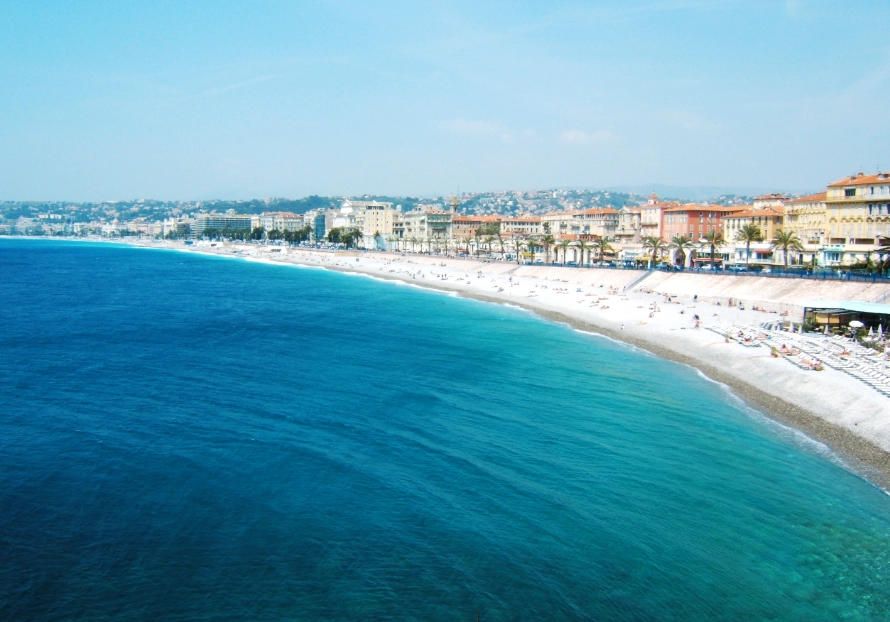
Good catch if you notice it. There is more than a passing resemblance to Liguria in Nice’s colours, dialect, and food. That is not coincidence: Nice belonged to the Kingdom of Sardinia, and for a period to Italy itself, until 1860. The Franco-Italian fusion persists in everything from the architecture to the local habit of gesturing emphatically during street debates.
Nice france sits right on the Italian border, and that proximity has shaped its cuisine, its culture, and its character in ways that make it distinct from the rest of the Côte d’Azur.
The Promenade des Anglais
The Promenade des Anglais is the lifeblood of nice france. A 7km ribbon of seafront boulevard that links the airport to the Castle, past every essential landmark along the way. You could, if you wanted, walk from the plane to the old town entirely along the water.
The name, the English Walk, pays tribute to the English aristocracy who began arriving in Nice in the 18th and 19th centuries seeking refuge from colder northern winters. Those wealthy visitors financed the original coastal path, which was little more than a dirt track at the time, to promenade beside the Mediterranean in style. Over time it was paved, extended, and lined with the Belle Époque hotels that still anchor the western end of the promenade.
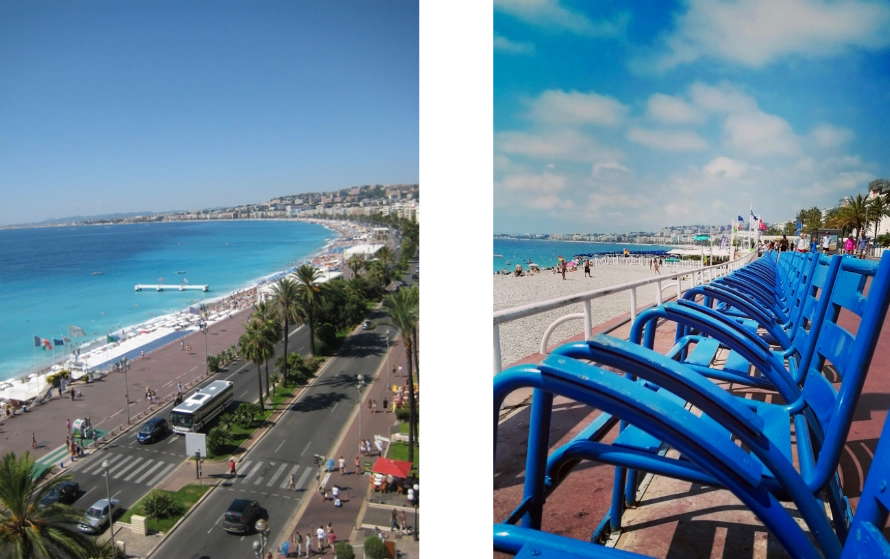
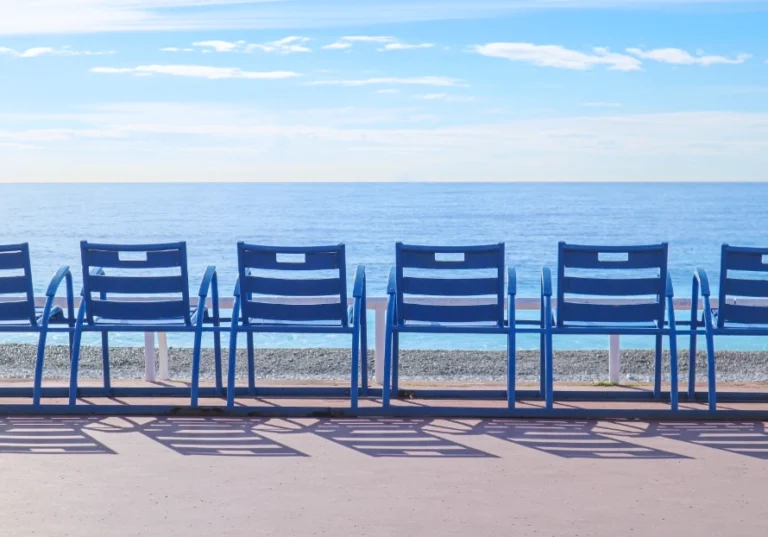
TToday it is a parade route for joggers, swimmers, cyclists, and people sitting in the famous blue chairs doing nothing in particular and doing it extremely well. Those blue chairs are scattered along the length of the promenade. They are an invitation to pause, which Nice excels at providing.
The port
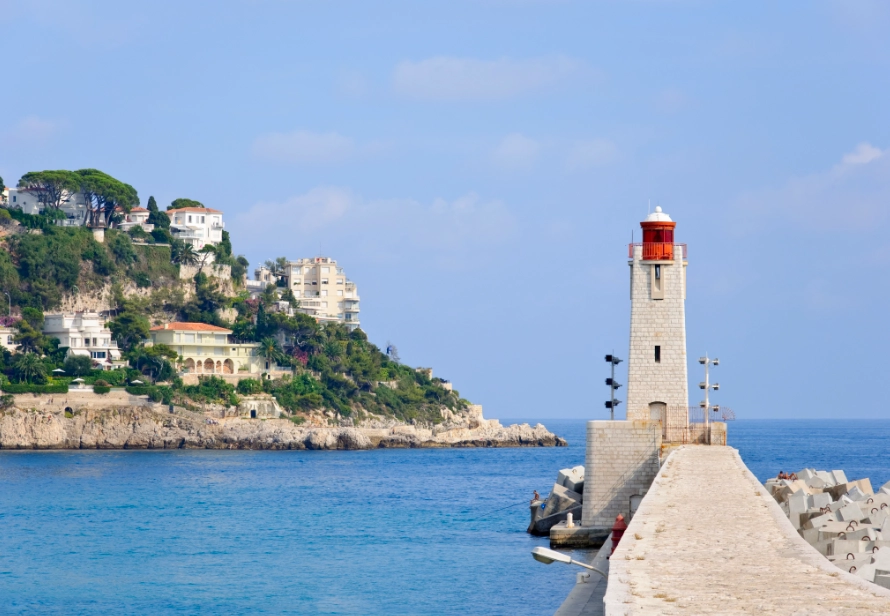
We did not have a yacht. My dad owned a small motorboat that just about fit four of us. We would head out past the lighthouse, sticking close to the coastline to swim, though my mum and I were often queasy from the waves even when they were barely noticeable. I preferred staying in the port, watching the fishermen return and seeing what they had brought back. One afternoon I remember watching a man unload an enormous sea spider from his boat. It both terrified and fascinated me in equal measure.
The Port of Nice dates to Roman times, when it began as a small fishing harbour. Over centuries it grew in importance as a trading and military port. Major commercial shipping has since moved elsewhere, but the port remains active with fishing boats and a marina for private yachts. The surrounding neighbourhood has transformed from its industrial past into a lively area of seafood restaurants, cafés, and artisan shops.
For visitors, the port offers something the main tourist areas do not: a sense of the city operating on its own terms, for its own people. The quays are worth a slow walk.
The Beaches
Nice france cote d azur means sea, and the sea is never far from anything in Nice.
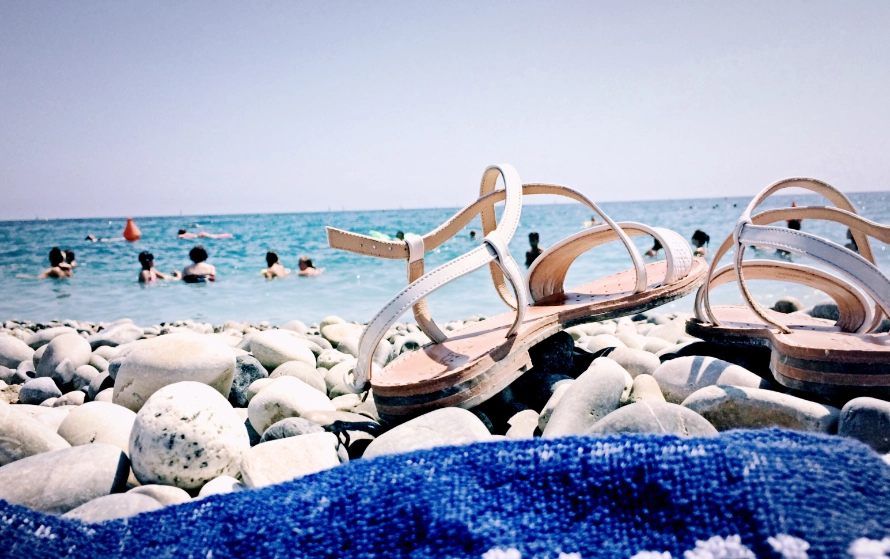
The beaches are pebbly rather than sandy, which is worth knowing before you arrive expecting something else. Smooth, flat stones that get warm in the sun and make the sea extraordinarily clear. For some this is a surprise. Pack beach shoes if tender feet are a concern, and the whole thing becomes considerably more comfortable.
Private beach clubs line parts of the coast: loungers, crisp towels, cold drinks, and staff who will not raise an eyebrow at your fifth pastis of the afternoon. Between them, free public beaches offer the same sea without the service.
My own beach memories are of barbecues sizzling (probably not allowed any more), jellyfish near the shore treated as a perfectly normal part of the landscape, and afternoons that seemed to stretch without end. The slight tingle of a sting was never a reason to stop.
Le Vieux Nice: the maze of spices and boutiques
Drop anyone into Vieux Nice on a Saturday morning and you will struggle to extract them before lunchtime at the earliest. The Old Town’s network of narrow lanes is dense with tiny family-run shops, spice stalls, pasta artisans working in small workshops, wine cellars behind painted shutters, and chocolatiers whose window displays test anyone’s resolve.
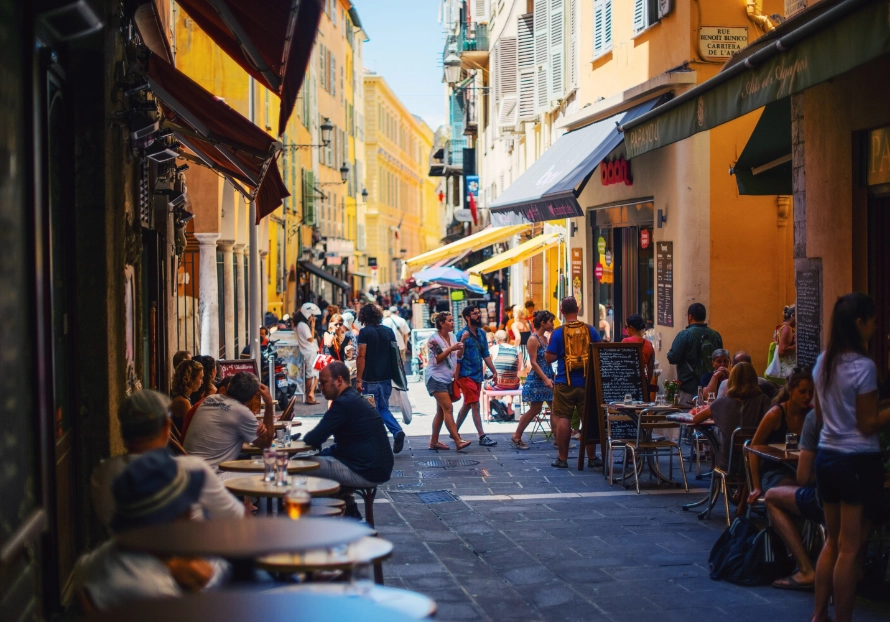
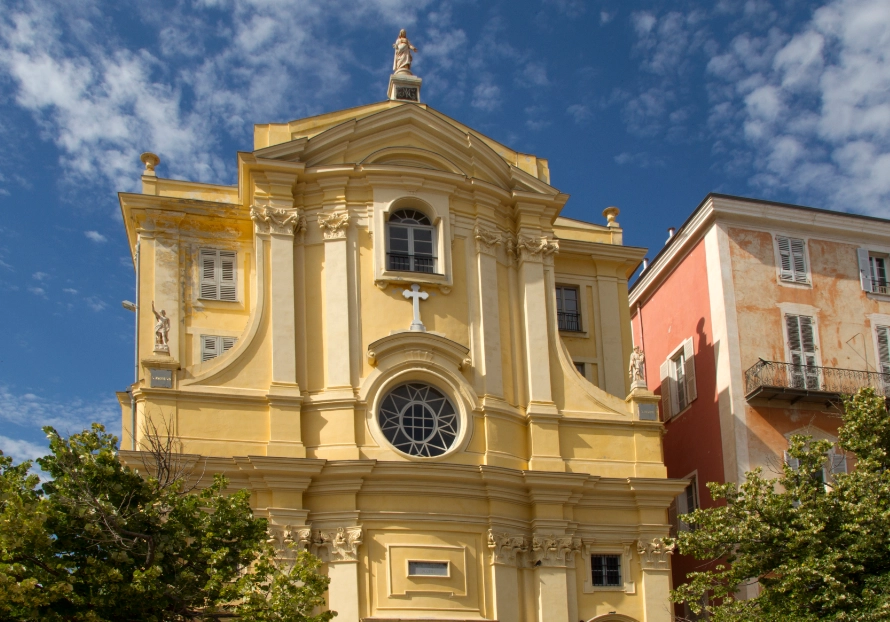
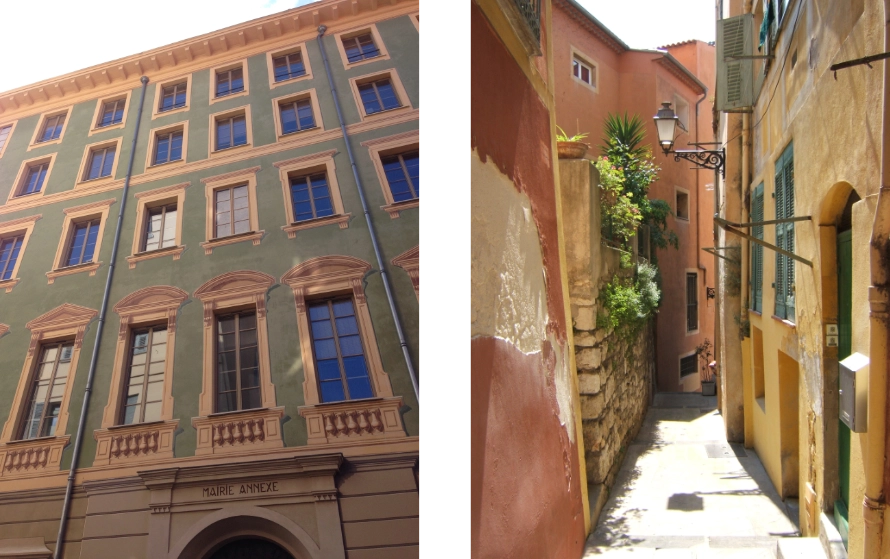
The colours of Vieux Nice are particular: deep ochre, terracotta, faded rose, the yellow that appears throughout the region and feels entirely right in this light. The facades are tall and narrow, the streets often barely wide enough for two people and a shopping basket.
This is where Nice france things to see become impossible to prioritise, because everything is worth looking at. Walk without a fixed destination. Let the smells and colours determine the route.
Socca
If you leave Nice without trying socca, you have missed the point of the visit. It is a thick chickpea pancake cooked in enormous copper trays in wood-fired ovens, cut into irregular pieces, and eaten hot with black pepper and nothing else. The texture is slightly crispy at the edges and soft in the centre. It tastes of chickpeas and olive oil and the specific satisfaction of eating something completely specific to one place.
Order a piece at the Cours Saleya market or from one of the dedicated socca shops in Vieux Nice. Eat it standing up while it is still warm. And honestly, why stop there? Order a slice of pissaladière and a plate of courgette flower beignets, light as feathers and delicious served with a garlicky dip. Wash it all down with a chilled rosé or a frosty beer. Only then do you understand why life here tastes so good.
Sugar candied flowers
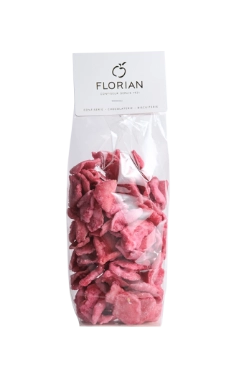
Sugar candied flower petals, rose, violet, verbena, and mimosa, are a true Niçois speciality. They are expensive and worth it. Look for them in the sweet shops in Vieux Nice, or visit Confiserie Florian near the port on Quai Papacino, which stocks them reliably throughout the year.
Can’t make it to Nice? Candied violets are available on Amazon, which is the next best thing for bringing a little bit of the Riviera home.
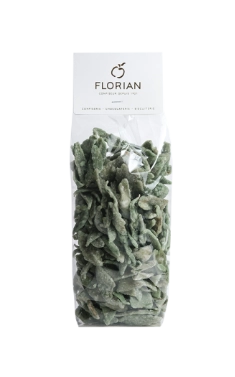
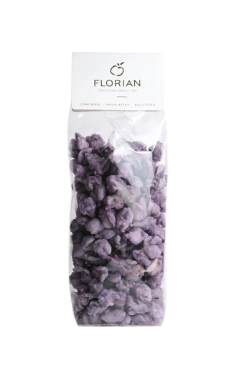
If you leave Vieux Nice hungry, you’ve missed the point entirely!
Cours Saleya
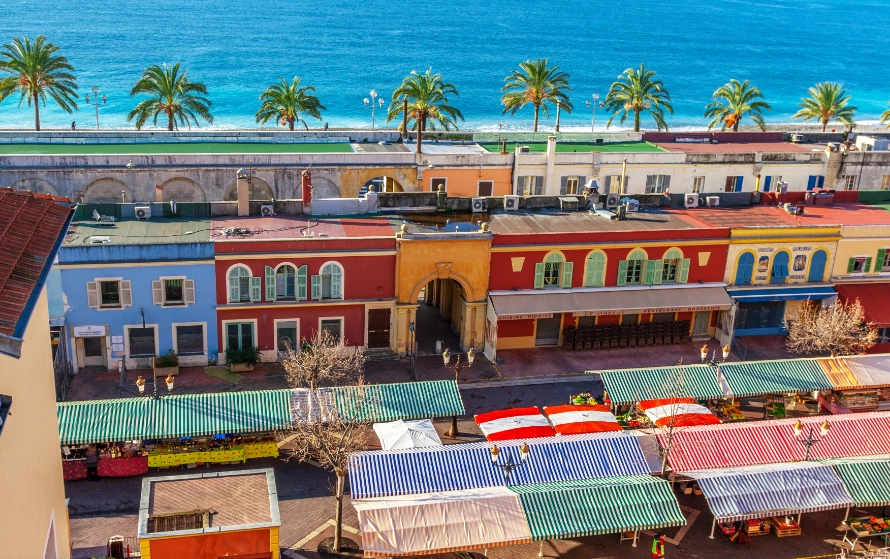
Cours Saleya is the main square of the Old Town and one of the best places to experience nice france at its most everyday. By morning it hosts a busy market: fresh fruit, cut flowers, aromatic herbs, Provençal spices, and the particular energy of a market where people are actually buying things to cook rather than photographing them for later.
By evening the stalls give way to restaurants and cafés that occupy the square until late. The proximity to Italy means you will find excellent pizza alongside the seafood, and the seafood itself is as fresh as the location suggests.
I have specific memories of buying a pizza to go, then wandering through the nearby arches to find a spot on the pebbles two minutes away, eating while watching the sea. This is still the right way to spend a Cours Saleya evening.
The Castle, and the best view you’ll see for free
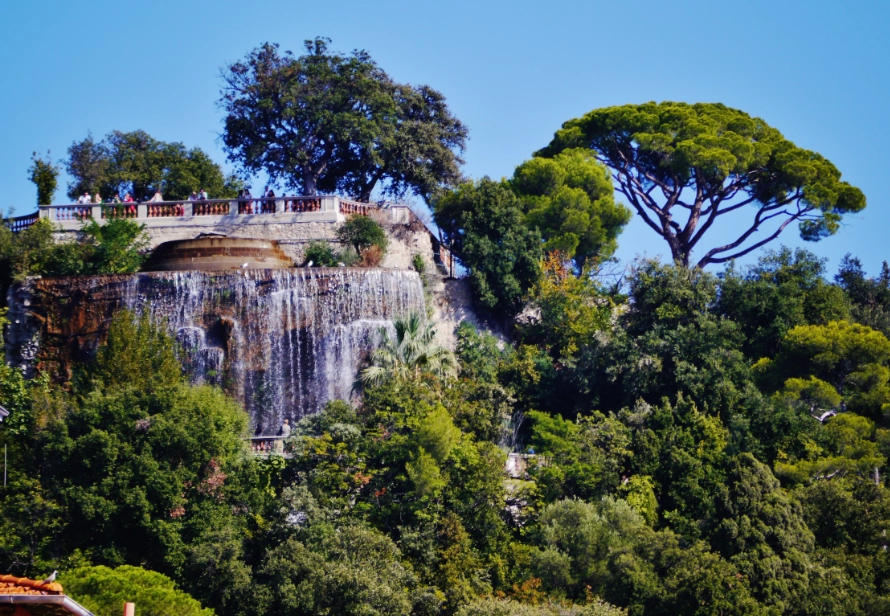
The Castle Hill is not a castle in the conventional sense. The original fortress built by the Counts of Provence in the 11th century was razed by order of Louis XIV in 1706. What remains is a large public park on the hill overlooking the city, with a handful of atmospheric ruins, the restored Bellanda Tower, playgrounds, waterfalls, and the best free view in Nice.
From the top, the city arranges itself into something close to a postcard: terracotta rooftops falling toward the Baie des Anges, the arc of the Promenade des Anglais, and the mountains behind the city. There is nearly always a breeze.
The climb takes about twenty minutes on foot via a well-marked path. A public lift operates from near the base for those who prefer not to climb. Either way, reaching the top is worth the effort.
Just below the summit sits the Château Cemetery, built in 1783 on the site of the old citadel. Spread over 14,000 square metres, it holds around 2,800 graves including those of poets, artists, scientists, and Garibaldi’s mother. The views from the cemetery over the city and the sea are extraordinary. It is a genuinely peaceful place.
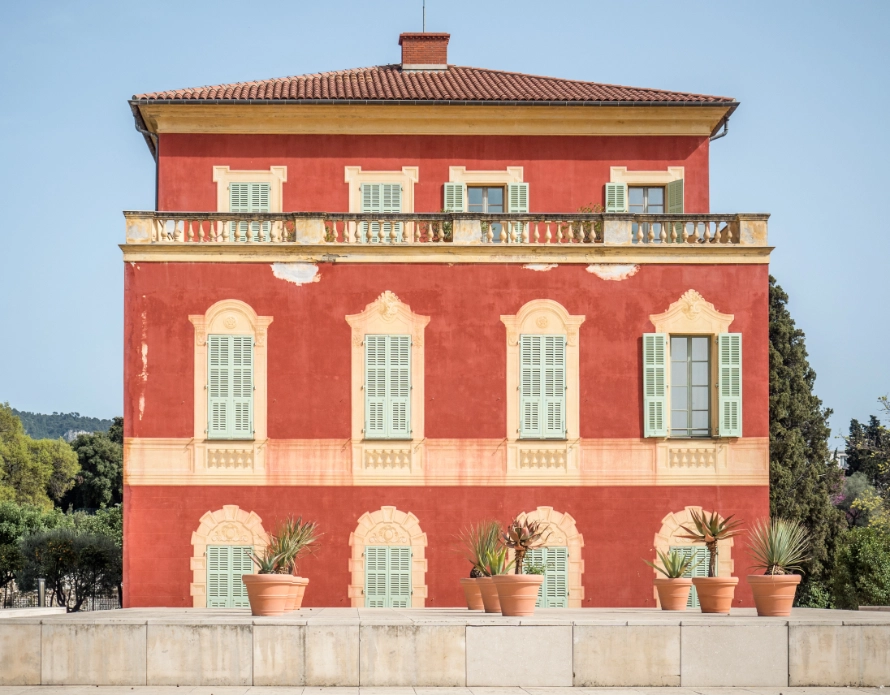
Henri Matisse called Nice home
Henri Matisse lived and worked in Nice for much of his life, drawn by the quality of the Mediterranean light. The Musée Matisse is housed in a 17th-century villa in the Cimiez district, a quieter residential neighbourhood north of the city centre. The collection covers paintings, drawings, sculptures, and cut-outs from across his career.
The museum is worth visiting as much for the setting and the light as for the collection itself. Matisse described the light in Nice as soft and tender, with no harshness. You can see what he meant from the villa’s garden.
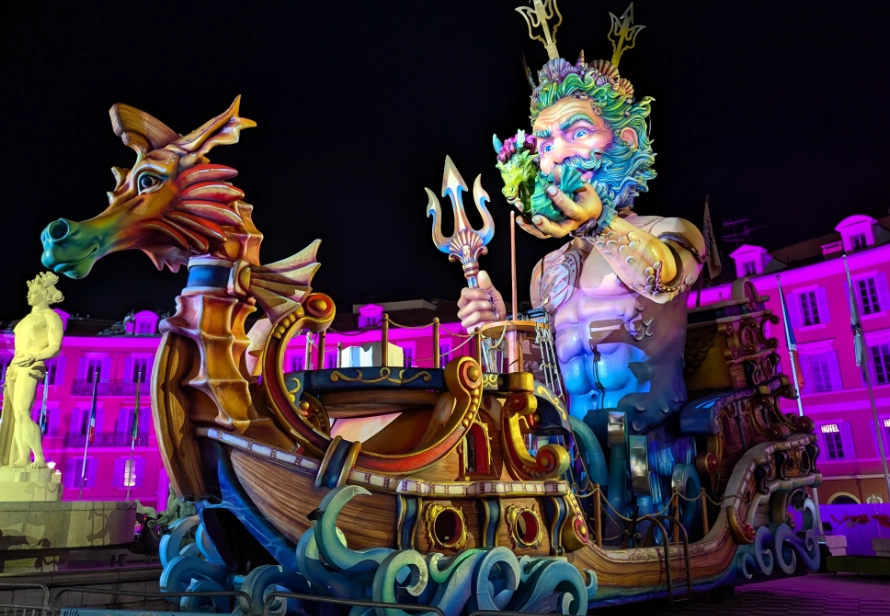
Carnival: Where the city unleashes its inner child
Every February, Nice France holds one of the world’s great carnivals. Enormous satirical floats parade through the city, costumed participants throw flowers at the crowds, and the whole city participates with genuine enthusiasm rather than performed festivity.
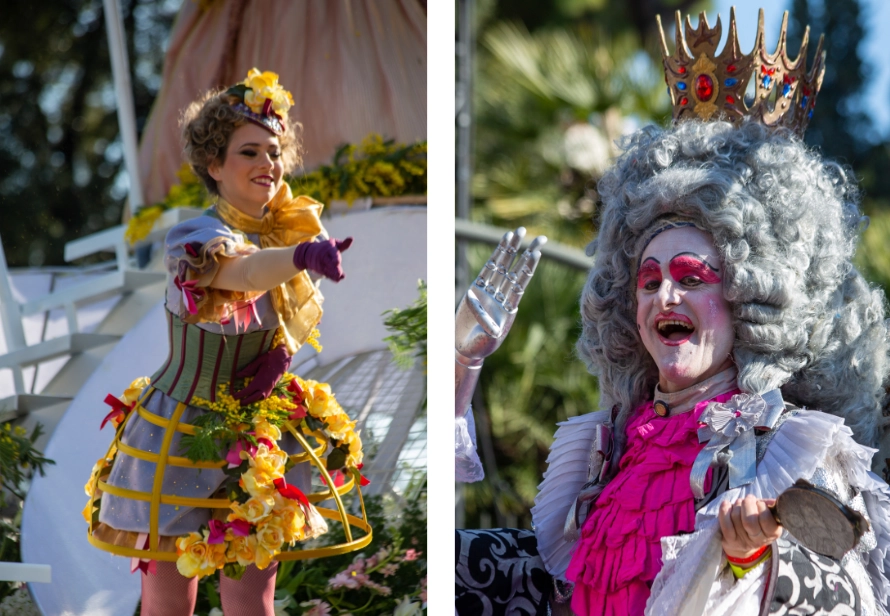
The Bataille des Fleurs, the Battle of Flowers, has been running since 1876. Floats covered in thousands of fresh blooms, mimosa, roses, gerberas, violets, process through the streets while participants shower the crowd with handfuls of petals. The air smells of flowers and the streets are covered in them by the end.
I experienced this as a child and it lodged in the memory permanently. If you have the opportunity to visit Nice france cote d azur during carnival, take it.
Final thoughts
Nice is one of those cities that rewards slow walking and open afternoons more than schedules and itineraries. The light is genuinely different here. The food is specific to the place. And the combination of French organisation and Italian warmth produces a character that belongs entirely to this particular stretch of the Côte d’Azur.
Go, take your time, and do not leave without the socca.
What to see and do in Nice
- Promenade des Anglais
Walk the length of the Promenade (move faster than the selfie-takers, if you can) and watch the sunset from one of the iconic blue chairs. - The port
Explore the historic Port of Nice, where fishing boats and yachts share the quay, and the waterfront buzzes with seafood restaurants and cafés. - Place Masséna
Sip a coffee at Place Masséna, the city’s elegant showpiece, where terracotta and cream arcades surround the Fountain of the Sun and street performers pirouette around unsuspecting visitors. - Cours Saleya
Explore Cours Saleya: by morning, it’s a flower and produce market to rival Borough; by night, it becomes a lively warren of bars, gelaterias, and seafood joints. - Russian Orthodox Cathedral
Visit the Russian Orthodox Cathedral: an architectural jewel that seems to have wandered here by accident, with its onion domes and riotous mosaics. - Libération / Le Port
Take the tram to Libération or Le Port and explore untouristy neighbourhoods rich in local colour and the aroma of baking fougasse. - The Castle
The Castle is the ultimate Nice panorama, part playground, part monument, and entirely unmissable. - Musée Matisse
An impressive collection of works by Henri Matisse, set in a serene 17th-century villa bathed in the Mediterranean light that inspired the artist.
Practical information for visitors
- Getting there
Nice Côte d’Azur Airport is one of France’s busiest, with direct flights from most major cities. A tram runs directly from the airport to the city centre in about 15 minutes. - When to visit
Spring (April to June) and autumn (September to October) offer good weather, reasonable prices, and manageable crowds. July and August are busy and hot but the sea is at its warmest. The carnival in February makes winter visits worthwhile. - Accommodation
The Promenade des Anglais has the grand hotels, including the legendary Negresco. Vieux Nice offers smaller, characterful accommodation close to the market and restaurants. The port neighbourhood is quieter and increasingly popular. - Getting around
The tram system is efficient and cheap, covering the main tourist areas and the airport. Most of Vieux Nice and the Promenade are easily walkable. Vélobleu rental bikes are available throughout the city.