France’s land of a thousand ponds (actually over 2,000)
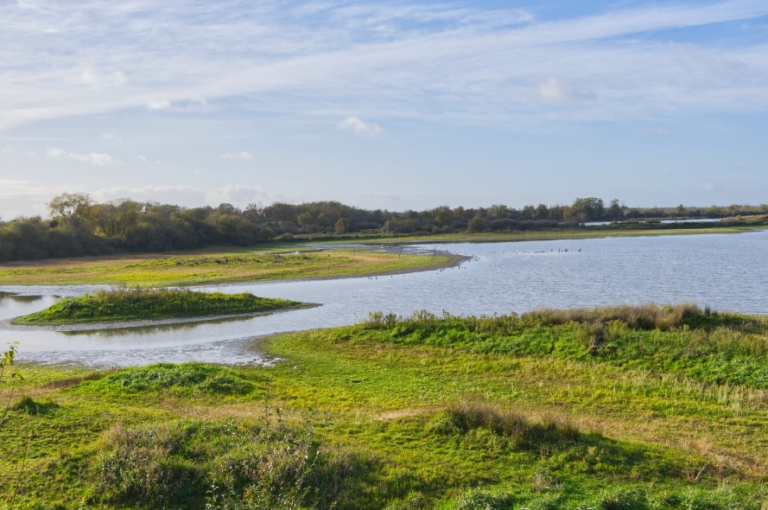
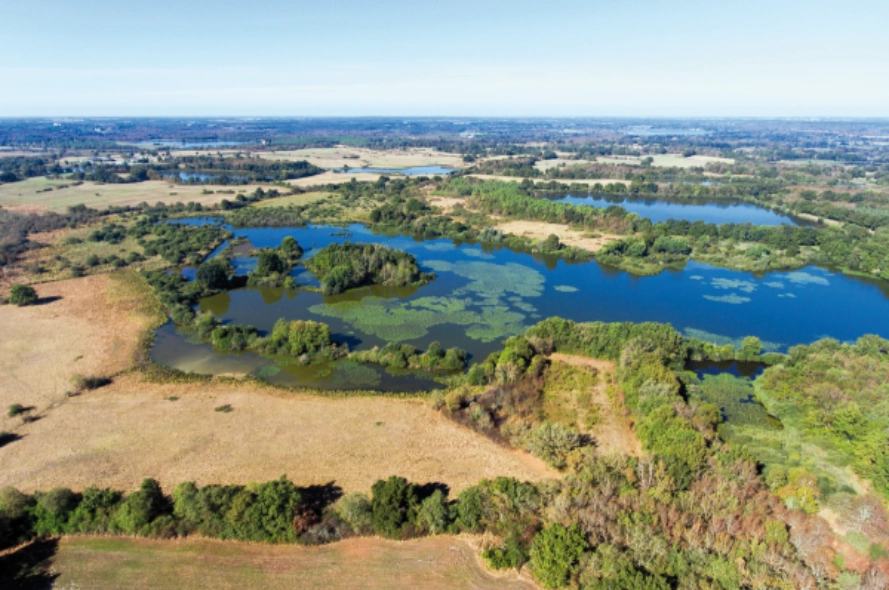
La Brenne is a place you will only hear about if someone tips you off. And I’m here to do just that. It sits in the Indre, about 40 kilometres west of Châteauroux, and carries the nickname “land of a thousand ponds,” which is charming but not completely accurate. There are actually more than 2,000 of them, stitched into 166,000 hectares of wetlands, woods, and farmland. It is France’s second‑largest wetland and a serious stopover for migratory birds. For day to day, it is simply somewhere you can walk for an hour, meet three people, and see more herons and dragonflies than you knew existed.
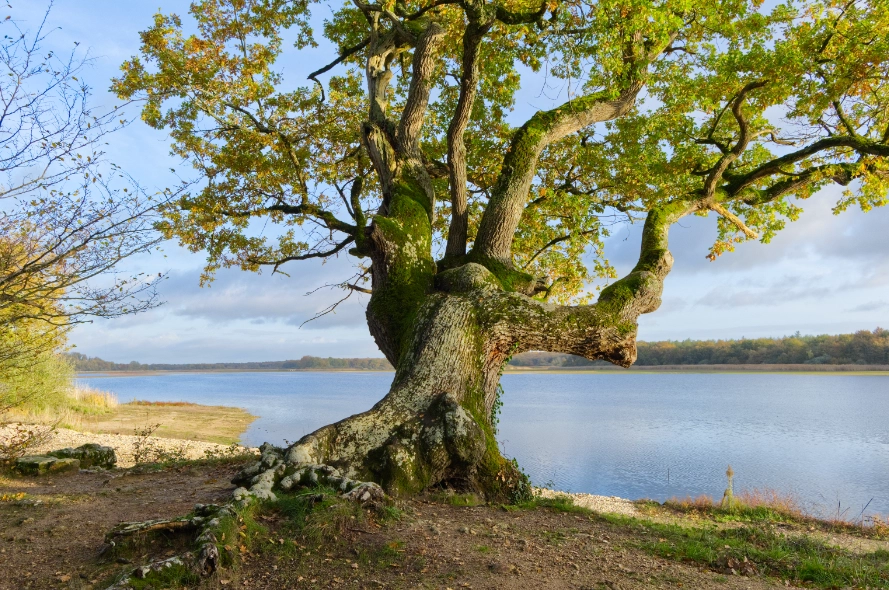
What I like most is how human and wild sit together. The Parc naturel régional de la Brenne was only created in 1982, but the landscape itself has been shaped since the early Middle Ages. Monks began digging ponds in the 8th century, trying to coax a living out of land that was too wet for crops in winter and too dry in summer. So they carved out basins, built low dykes, and linked water from one pond to the next so fish could be raised and moved around. Over the 12th and 13th centuries, local landowners extended the network until ponds ran in chains across the plain.
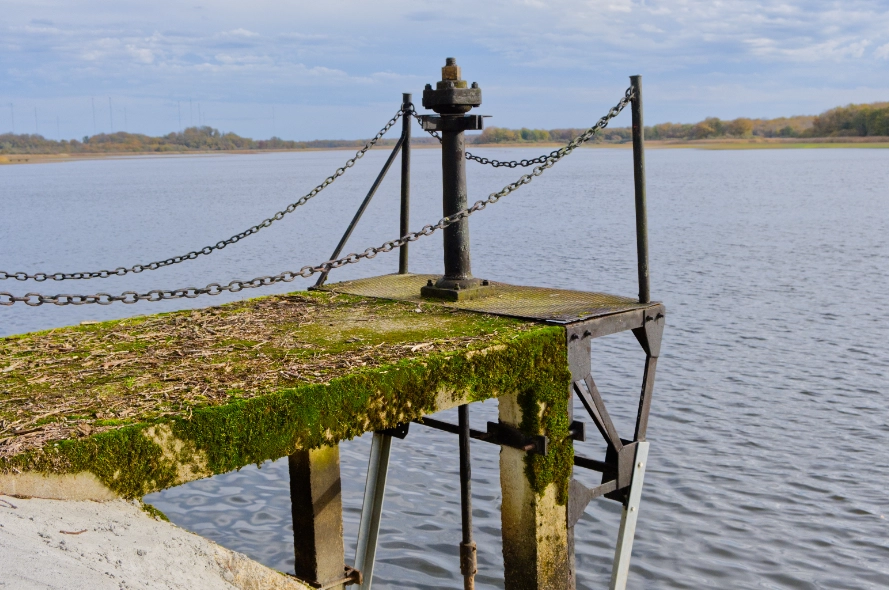
Those ponds are still managed in much the same way. Each autumn and winter, sluice gates are opened, water drains slowly, and the fish are harvested by hand in a ritual called the “pêches d’étangs”, which UNESCO now lists as intangible cultural heritage. It is practical work, but when you stand by the bank and watch the process, it feels like a living thread back to the people who first dug the place out.
A wetland built by hand
The geography is very varied. North Brenne is flatter and more open, to the south, where it leans towards the Massif Central, the land lifts into rolling hills. The heart, la Grande Brenne, is the bit that makes you fall for it, water, reeds, heath, and small fields bounded by hedges, all crossed by the Creuse and Anglin rivers.
The scale of human effort is easy to forget when you are just looking at a peaceful pond lined with iris and willow. Every one of those sheets of water was dug or dammed. Chains of them were laid out so water could be shared and moved, and the whole system still depends on people opening gates at the right moment. Today we know the existence of giant infrastructure projects, and it’s therefor pretty impressive that a wetland built shovel by shovel is still functioning eight centuries later.
The birds: 267 species and counting
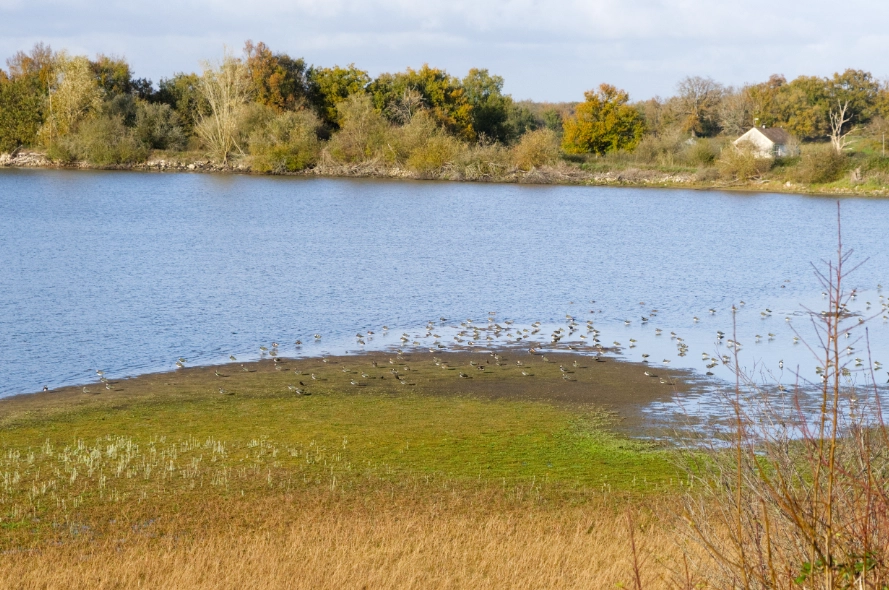
La Brenne is famous among birdwatchers for good reason. Around 2,300 animal species are recorded here, including more than 260 species of birds. The big, showy ones are water birds: purple herons, black‑necked grebes, bitterns hiding in the reeds, night herons that appear at the edges of the day. During autumn migration, cranes arrive in flocks that darken the sky, calling to each other as they circle in and settle on the shallows at dusk.
On a good morning you might see deer at the water’s edge before the light has fully arrived (we call this particular time in France “entre chien et loup”), herons stalking through the shallows by mid‑morning, and, if you are patient and lucky, the outline of a bittern shifting just enough to give itself away in the reeds. European pond turtles, rare in much of Europe, sun themselves on low branches here as if it were the most normal thing. Dragonflies patrol every pond, butterflies move through the meadows and wild boar leave traces of their night digging along paths.
There are hides at many of the larger ponds, Chérine, Massé, Foucault, Bellebouche, with simple wooden shelters and viewing slits. The rhythm is always the same: arrive early or late, sit still, let the noise of your own head die down, and then the place gradually reveals itself. Bring binoculars, a thermos, and marvel at all you see. You’ll meet some birdwatchers in La Brenne, they are serious about this territory, but they are also generous to show you the views on their professional gear if you are clearly interested.
Carp, lentils, and goat’s cheese
Because this is France, the story of water and birds is also a story of food. Carp is the local speciality, raised in the ponds that define the region. The old stuffed carp recipes are long and complicated; these days you are more likely to see carp fillets, smoked carp, rillettes, or frites de carpe, which are essentially deep‑fried carp bites and far more delicious than that description suggests.
Alongside it, you find good things from the surrounding Berry countryside. Pouligny‑Saint‑Pierre, the little pyramid‑shaped goat’s cheese, comes from just next door and is at its best when it has ripened enough to develop a thin, wrinkled rind and a creamy centre. Lentilles vertes du Berry, small green lentils that hold their shape, show up as a bed under fish or as a warm salad with vegetarian bacon and onions.
The Maison du Parc in Rosnay, the park’s main visitor centre, has a restaurant that leans into these flavours, and plenty of village restaurants around Le Blanc and Mézières‑en‑Brenne serve solid local cooking.
Watching a pond come to life, then empty
If you are in La Brenne between October and March, try to catch a pond harvest. It is an early‑morning affair. The water has been draining for days, and by the time the team arrives, most of it is gone. What remains is a muddy basin where the fish have gathered in the deepest section. People in waders move through the chill water with long nets, gradually tightening a circle. Fish are lifted into crates, sorted by species and size, weighed, and then either sent off to restock ponds elsewhere in France or to be turned into food locally.
It is hard work, but the atmosphere has the feel of a seasonal celebration. Neighbours turn up to help or watch, children run along the bank, and at the end there is always something to eat and drink. The yields are not what they once were (cormorants take a big share and climate change makes water management trickier) but the harvests continue because they are as much about continuity as income.
The park sometimes organises guided visits to these harvests through Maison du Parc. You book ahead, put on warm clothes and boots you are not precious about, and spend a morning watching a thousand years of technique play out in front of you.
How to spend time in La Brenne
La Brenne is not the sort of place where you race from sight to sight. It is better suited to people who like walks, slow cycles, and the idea of “doing nothing” without feeling guilty.
There are waymarked footpaths from short loops to three‑ or five‑day itineraries, and the terrain is kind to anyone not in the mood for steep climbs. Cycling is a pleasure here: quiet roads, flat stretches, and the occasional long view over water and heath. The park and visitor centres have maps and suggestions, and you can rent bikes in several spots.
If you are a birdwatcher, you probably already know when you want to come. Spring and autumn are busiest for migration; summer belongs to breeding birds and clouds of insects; winter is quieter but has its own stark beauty and a different set of resident species. If you are not a birdwatcher, you can still enjoy the hides and ponds as places to sit and watch whatever moves, and ask the pro’s about what you just saw.
Key spots
Chérine Nature Reserve
Observation hides, marked trails, one of the best places for bitterns and purple heron
Étang Massé
near Rosnay: Large pond with hides, part of a regional nature reserve
Bellebouche Pond
Good for waterfowl, also has swimming and a beach if you have non-birding family members
Foucault Pond
Quieter, good hides
Fishing is woven into the culture. With more than 2,000 ponds, you are never far from someone with a rod. Permits are required, and most water is privately owned, but local tackle shops and tourist offices can point you to spots that are open to visitors. The pace is slow and the atmosphere is very French: a folding chair, a picnic, a bottle of something, and the understanding that catching a fish is only part of the point.
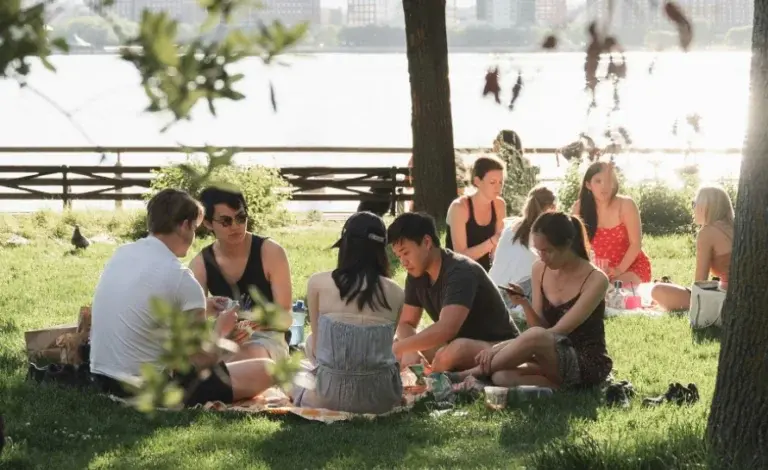
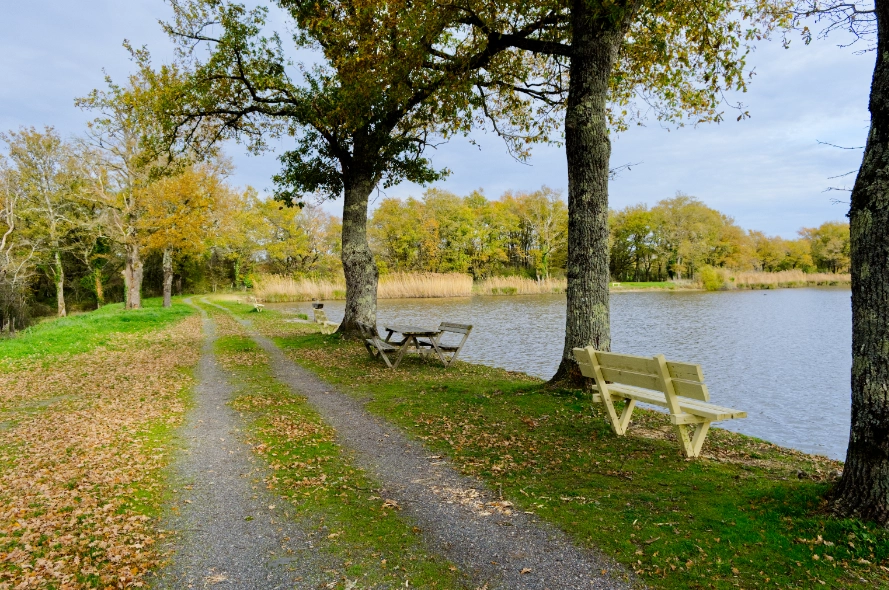
And then there is simply sitting. La Brenne is very good for that. Find a bench or a patch of grass by a pond, unpack some bread, cheese, some mini quiches and fruit, and let your brain idle while the world around you carries on.
Towns and bases
For a base with practicalities, Le Blanc is the obvious choice. It sits on the Creuse river, has shops and restaurants, a Saturday market, and the Château Naillac with its Écomusée de la Brenne, which pulls together the natural and human history of the region in a way that makes sense of what you see outside.
Closer to the wetland heart, Mézières‑en‑Brenne is a smaller town with enough places to eat and stay, and an easy starting point for walks and rides. Rosnay, where the Maison du Parc sits, feels almost like the park’s living room. You stop there first, pick up information, check which birds have been seen where, find out which ponds are being harvested, and only then decide where to go. Saint‑Michel‑en‑Brenne is another tiny village with good access to the central ponds and a visitor centre focused on the nature reserve.
Who will love La Brenne (and who might not)
La Brenne is a dream for birdwatchers, nature lovers, walkers, cyclists, and anyone who quietly prefers dragonflies to department stores. It is perfect for families who enjoy simple days outside, for anglers who do not mind waiting, and for people who find deep silence more relaxing than uncomfortable.
It is less ideal if you need nightlife, shopping streets, or constant stimulation. The villages are small, and after dark things get very quiet very quickly. Your evening entertainment is more likely to be a glass of wine on a terrace listening to frogs than a bar crawl.
If your idea of a good holiday involves beautiful countryside, real wildlife, traditions that are still practised rather than performed, and enough space to breathe, La Brenne is very easy to fall in love with. Just do not expect a thousand things to “do.” Expect instead a thousand ponds, and the chance to let your days fill themselves.
What to see and do in La Brenne
- Attend a traditional pond harvest (Pêche d’étang)
From October to March, watch fish farmers drain medieval ponds using techniques unchanged for centuries. Teams use filanches (traditional net scoops) to catch carp, pike, and tench. Everyone gets paid in fish. Book through the Maison du Parc. Bring warm clothes and boots. - Birdwatching at Chérine Nature Reserve
Observation hides, marked trails, one of the best spots for bitterns and purple herons. Go at dawn or dusk when the birds are most active. In autumn, watch thousands of cranes come in to roost, properly spectacular. - Cycle the quiet backroads
Flat terrain, quiet roads, dedicated cycle paths. The park’s massive so rent bikes and explore at your own pace. Routes vary from easy loops to multi-day tours. No tractors trying to overtake you. - Bellebouche Pond
Sandy beach, swimming, water sports centre if you need a break from wildlife-watching. Also good for waterfowl if you bring binoculars. Works for families, kids can swim whilst parents bird-watch. - The Maison du Parc (Le Bouchet, Rosnay)
Start here. Exhibitions on the park’s ecology, short film, restaurant serving carp specialties including frites de carpe. Staff know which birds have been spotted where. Get maps, ask questions, buy local products. - Étang Massé and observation hides
Large pond near Rosnay with hides for watching waterfowl. Part of a regional nature reserve. Peaceful, well-maintained, excellent for serious birders or anyone who fancies sitting quietly watching herons hunt. - Walk the Sentier du Blizon (Rosnay)
Marked trail with information panels passing through varied landscapes, ponds, woods, heathland. Good for understanding how the ecosystem works. Wear boots, paths can be muddy. - Écomusée de la Brenne (Le Blanc)
Housed in Château Naillac. Covers the region’s history from prehistoric times through medieval pond creation to modern fish farming. Worth visiting to understand what you’re looking at in the park. - Try the local specialties
Frites de carpe (deep-fried carp nuggets) at the Maison du Parc restaurant or local spots. Also smoked carp, carp rillettes, and Pouligny-Saint-Pierre goat’s cheese. - Do absolutely nothing by a pond
Find a quiet spot. Sit. Watch dragonflies. Listen for bitterns. See what turns up. Bring a book, some cheese, maybe wine. This counts as an activity.
Practical information for visitors
- Getting there
By car from Paris, about 3 hours via the A20. From Châteauroux, 40 kilometres west. The A20 runs along the eastern edge, exit at Châteauroux Nord or Le Blanc. No train station in the park itself. Nearest stations are Châteauroux and Le Blanc, both with connections to Paris. - When to visit
Spring (April-June): Breeding season, wildflowers, warming weather. Orchids bloom in the meadows. Birds are nesting and vocal. Lovely.
Summer (July-August): Warmest, busiest (which is still quiet by normal standards). Families come for the pondsc. and cycling. Some ponds are partially dried, so less water bird activity but dragonflies everywhere.
Autumn (September-November): Peak time. Migration brings thousands of birds including cranes. Pond harvests start in October, you can watch traditional fishing. Deer are rutting. Mornings are misty. Properly beautiful.
Winter (December-March): Quiet. Cold. Pond harvests continue until March. Overwintering birds. Stark landscapes. If you like solitude and don’t mind the cold, it’s atmospheric. Most tourists come April-October, so winter’s when you’ll have it to yourself. - Accommodation
Gîtes are everywhere, the park’s website lists dozens. They range from basic to luxurious, from couples’ cottages to houses sleeping twelve. Many are on working farms. Some are specifically set up for birders with hides in the garden.
Chambres d’hôtes (B&Bs) are plentiful. Expect homemade jam at breakfast and hosts who know where the purple herons are nesting.
Hotels exist in Le Blanc and the larger villages. Nothing fancy, this isn’t luxury tourism territory, but comfortable and good value.
Campsites dot the region. Some are basic field pitches, others have facilities. Several cater specifically to cyclists and walkers.
If you’re bringing a horse, several gîtes and campsites have stabling. The park’s big on equestrian tourism, there are 500 kilometres of bridleways. - Getting Around
You need a car. Buses exist but infrequent. Cycling works if you’re staying in one area, but the park’s large and villages are spread out.