The layers of Loches
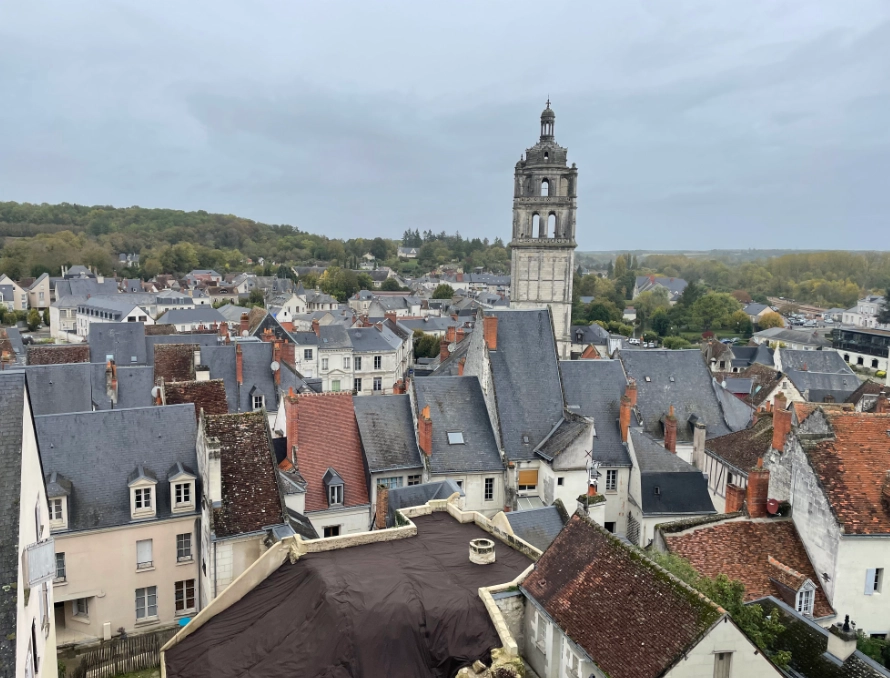
Head to Loches in the Loire Valley and you’re taking the road less traveled, straight into the heart of medieval France. As you drive toward town, the first thing you’ll see is the massive silhouette of the Cité Royale towering above everything else. It’s impossible to miss and completely dominates the skyline.
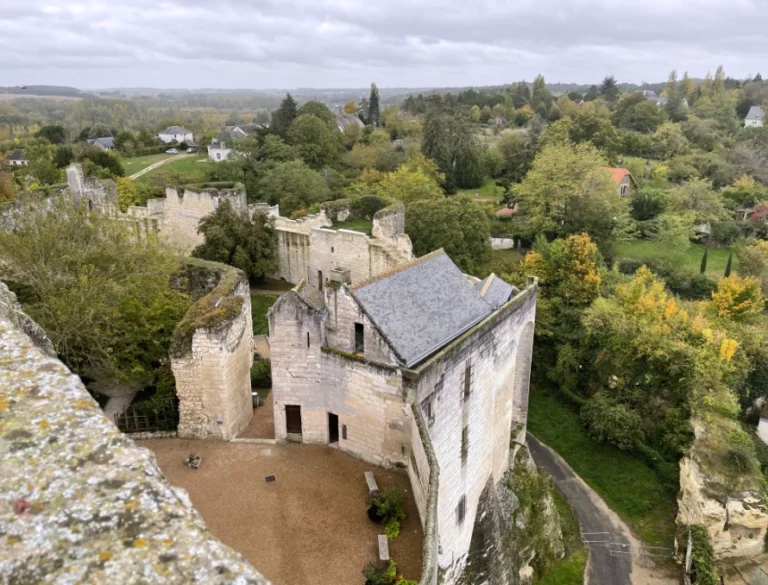
This fortress defines Loches. The 11th-century keep is one of the best-preserved examples of Romanesque military architecture in Europe, a proper testament to just how important this town once was.
We visited in October. The skies were cloudy but the temperature was still pleasant, ideal for wandering around without summer crowds or winter cold nipping at you. Walking the cobbled streets up to the castle, it was easy to see why people have been drawn to Loches for centuries.
A town built on history
Loches started as an early medieval monastery, but it was the Counts of Anjou who really put it on the map. In the 11th century, Fulk III built the massive stone keep that still looms over everything today. It’s one of the best-preserved examples of medieval military architecture in Europe, a clear signal that this place mattered.
Things heated up in the 13th century. After the French crown wrestled control from the English, Loches became a royal stronghold. The drama that unfolded within these walls was intense, high-stakes politics, court intrigue, the lot. Charles VII, Louis XI, and Joan of Arc all spent time here. You can also still see traces of that royal connection in the collegiate church, where Agnès Sorel, Charles VII’s influential mistress, is buried. It’s a surprisingly moving piece of history right in the heart of town.
But Loches wasn’t just about battles and royalty. Its location on the old route between Paris and northern Spain made it a thriving trade hub. You can still see evidence of that commercial success everywhere, the busy market square, the elegant Renaissance mansions lining the streets. Those grand houses belonged to wealthy merchants, and they give the whole town a wonderfully layered feel.
The royal city: a fortress like no other
The real star of Loches is the Cité Royale, the fortress that dominates everything around it. At its heart is the massive keep, over 40 meters high with walls thick enough to withstand anything. Inside, you can explore damp dungeons and underground passages where prisoners were once held. Be sure to climb to the very top, the effort is immediately rewarded with a great view of the town and the surrounding countryside. It gives you a proper sense of what life was like for the people who lived and worked here centuries ago.
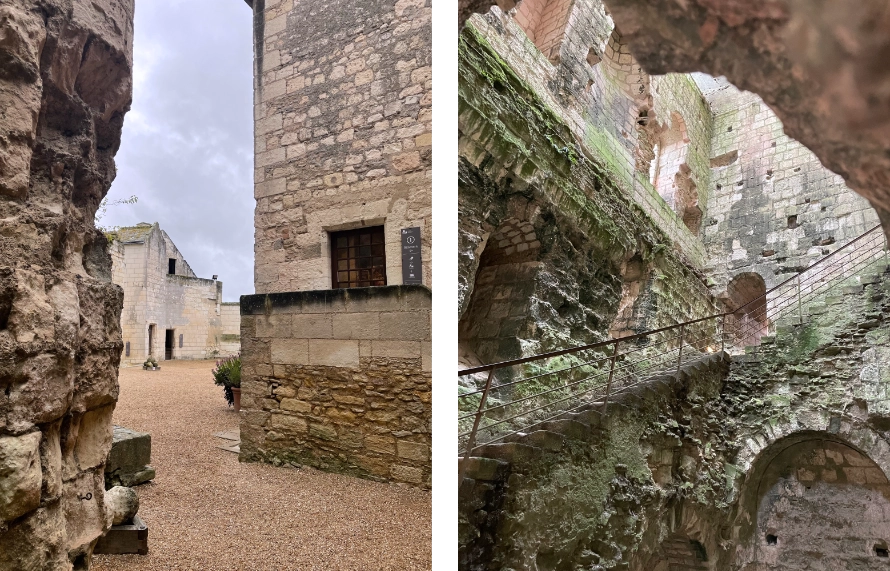
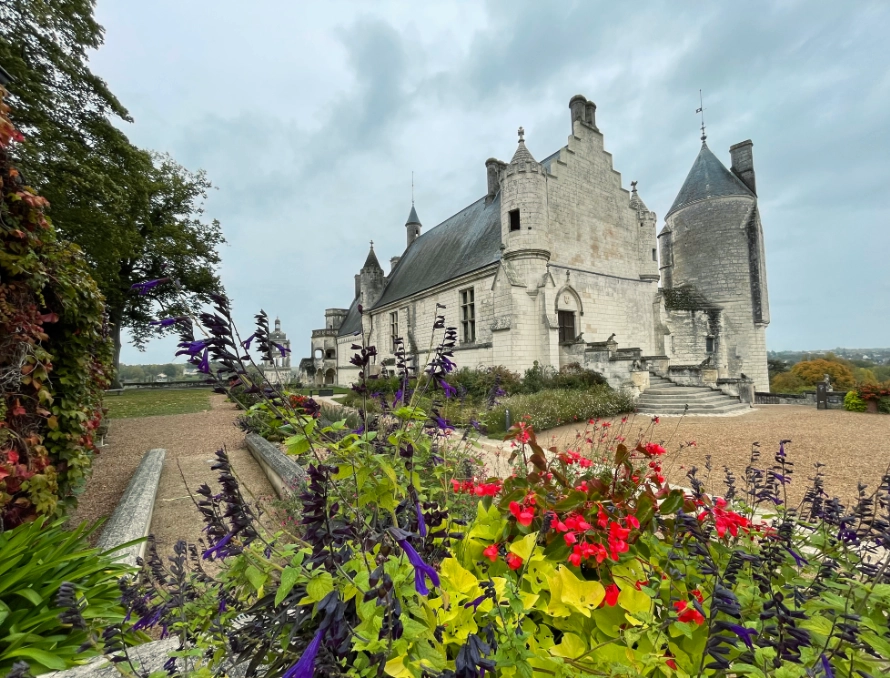
Next to this imposing tower sits the Royal Lodge, a far more elegant building with serious historical clout. This is where Joan of Arc met Charles VII in 1429, right after her victory at Orléans, urging him to head to Reims for his coronation. The Lodge is also tied to Agnès Sorel, Charles VII’s mistress and one of the most influential women of her time. Her portrait still hangs in the royal apartments, and her tomb is just nearby in the Collegiate Church of Saint-Ours.
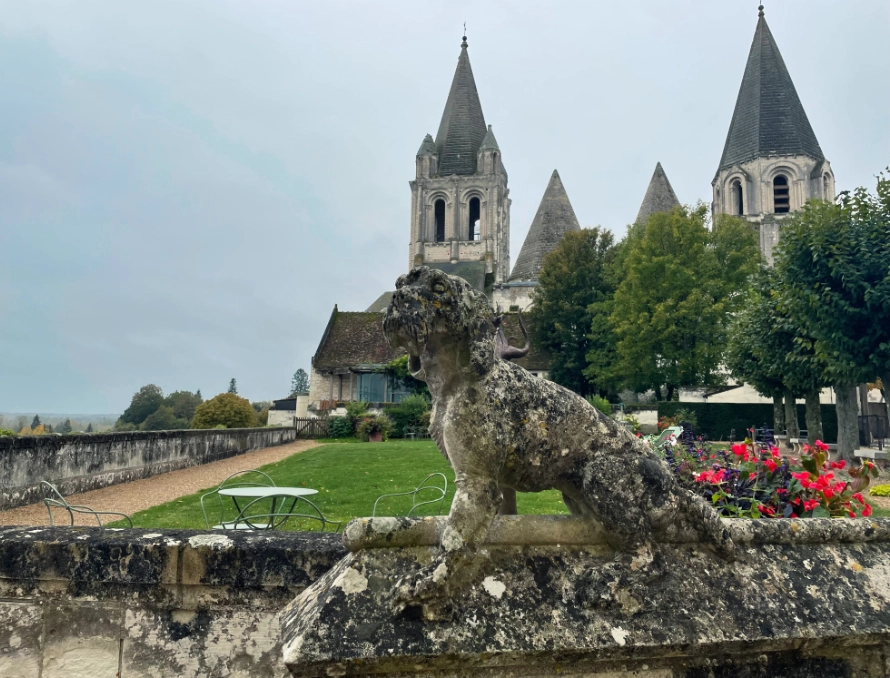
Finally, the Collegiate Church of Saint-Ours completes the complex. Dating back to the 10th century, the church itself is a fascinating architectural puzzle, known for its two highly unusual pyramid-shaped domes. Step inside to appreciate the intricate carvings and beautiful stained glass, it’s a wonderfully peaceful space and a perfect counterpoint to the severity of the neighboring keep.
Agnès Sorel: beauty, power, and mystery
One of the most captivating figures etched into Loches’ history is undoubtedly Agnès Sorel. Born around 1422, she arrived at court as a lady-in-waiting, quickly establishing herself as beautiful, intelligent, and fiercely ambitious. She would become the first officially recognized royal mistress in French history, wielding significant influence over Charles VII.
She backed key players at court like Pierre de Brézé and Jacques Cœur, and pushed the king to take decisive action against the English in the Hundred Years’ War (Ahh, the endless link between the French and the English). She also brought new fashions to court and championed the arts. Known as the “Dame de Beauté” (Lady of Beauty), she was famous for her style and generosity.
Why one breast out you might wonder? That’s a fair question, and the honest answer is that the full story about Agnès Sorel and her exposed breast is a mix of fact, myth, and historical interpretation. If you’re intrigued, it’s worth exploring the history and art criticism around this striking portrait to get the full picture. Don’t forget to share your finds!
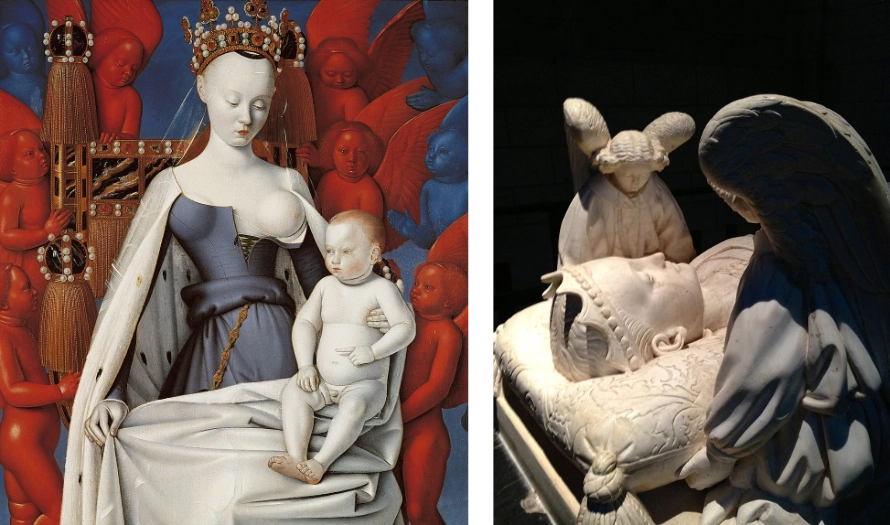
Agnès spent considerable time in Loches, even when the king was elsewhere. She donated money to the church and truly made the town her home. She died in 1450 at just 28, and rumours still swirl that she was poisoned. Charles VII was devastated and had her buried in the collegiate church, where her rather lovely tomb remains.
Today, Agnès Sorel is still central to Loches’ identity. Her story features in museums and guided tours, and her portrait remains one of the most recognizable images from the period. She’s remembered not just as a royal mistress, but as a woman of influence, style, and courage who genuinely shaped the town’s history, and the country’s.
Art, culture, and everyday life
Lochesis also a proper working town with a lively market, lovely boutiques, and a thriving community of artists. It’s officially recognized as a “Town of Art and History” and one of the “Most Beautiful Detours of France,” titles it genuinely deserves.
One of my favourite spots is the Lansyer Museum, in the former home of landscape painter Emmanuel Lansyer. It’s packed with 19th-century art, Lansyer’s own work alongside pieces by his contemporaries, plus rotating exhibitions. The house itself feels like stepping back in time, complete with period furnishings and an intimacy that makes you feel more like a guest than a tourist.
The town’s public gardens are brilliant for a wander or a picnic, especially the Saint-Louis garden and the ones along the Indre River. The views over the town and citadel from there are some of the best in Loches, perfect for unwinding after a morning of exploring.
The market: a taste of local life
You can’t visit Loches without hitting the market. It runs every Wednesday and Saturday morning and it’s one of the biggest and best in the Loire Valley. The streets fill up with stalls selling fresh produce, artisan cheeses, local wines, and handmade bits and bobs. It’s the perfect way to get a feel for local life and taste what the region has to offer.
The market square has some great cafés and restaurants where you can grab a coffee or lunch and watch everything unfold. The atmosphere is relaxed and welcoming, it’s easy to lose a whole morning just taking it all in.
What to see and do in Loches
- The Royal City (Cité Royale de Loches)
Explore the 11th-century keep, one of the best-preserved in Europe, with its towers, dungeons, and panoramic views. Visit the royal lodge, where Joan of Arc met Charles VII and where Agnès Sorel’s tomb is located. And don’t miss the collegiate church of Saint-Ours, with its unique domes and beautiful carvings. - The Lansyer Museum
Discover the works of landscape painter Emmanuel Lansyer in his former family home, with period furnishings and temporary exhibitions. - The Market
Experience local life at the bustling Wednesday and Saturday market, with fresh produce, cheeses, wines, and handmade goods. - The Public Gardens
Relax in the Saint-Louis garden and the gardens along the Indre River, with stunning views over the town and citadel. - Historic Walking Trail
Follow the free walking trail map from the tourist office, passing landmarks like the Porte Picois (a 15th-century gateway), the Saint-Antoine tower (the town’s belfry), and Renaissance mansions. - Art and Architecture
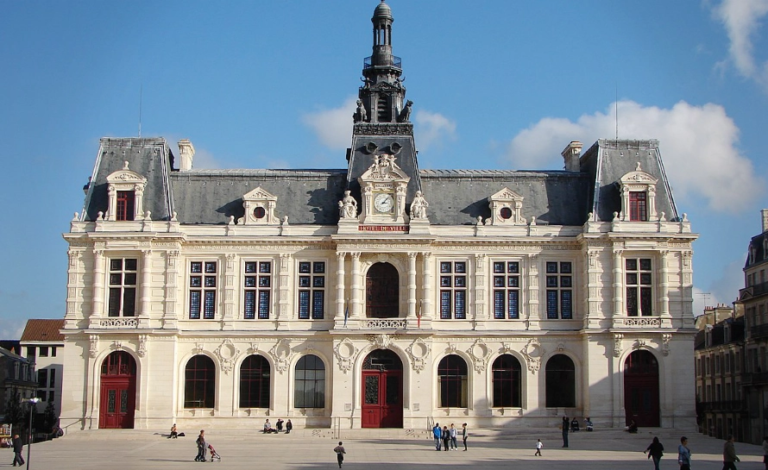
Admire the town’s Renaissance buildings, including the Hôtel de Ville (town hall), the Chancellery, and the Centaur House. Visit the Saint-Antoine gallery, which houses two paintings attributed to Caravaggio. - Events and Festivals
Look out for special exhibitions at the royal lodge, Christmas markets, and cultural events throughout the year.
Practical information for visitors
- Getting There
Loches is about 2 hours 50 minutes from Paris by car, via the A10 and A85 motorways. - When to Visit
May to October offers the best weather, with warm summers and mild autumns. July and August are the warmest months, but also the busiest. Spring and early autumn are ideal for fewer crowds and pleasant temperatures. - Market Days
The market is held every Wednesday and Saturday morning. - Festivals and Events
Check the town’s calendar for special exhibitions, Christmas markets, and cultural events. - Accommodation
There’s a wide range of options, from modern hotels like the Brit Hotel Loches to charming historic hotels in the town centre. Many hotels offer free parking and are within easy walking distance of the main sights. - Guesthouses and B&Bs
For a more personal experience, consider staying in a guesthouse or B&B, many of which are located in historic buildings.