In France, we don’t really celebrate Pancake Day. We celebrate Mardi Gras, and it is a completely different beast.
Pancake Day, as the British know it, is a quiet affair. A stack of pancakes, maybe a lemon and some sugar, done by 8pm. Mardi Gras in France is flower battles in Nice, weeks of carnival in Dunkerque, regional beignets with names like “nun’s farts” and “donkey droppings,” and the knowledge that this is the last serious feast before 40 days of Lent. The French take that seriously.
Here’s everything you need to know about the real Fat Tuesday.
What is Mardi Gras, Exactly?
Mardi Gras means “Fat Tuesday” in French. Literally. It falls on the Tuesday before Ash Wednesday, which marks the start of Lent, the 40-day Catholic fast leading up to Easter. The logic was practical: use up all the rich foods in the house, eggs, butter, sugar, fat, before the lean season begins. Hence the name. Hence the feasting.
The date shifts every year because it’s tied to Easter, which is itself tied to the lunar calendar. That means Mardi Gras lands somewhere between early February and early March depending on the year. Nobody knows the exact date until the calendar confirms it.
In the UK, Ireland, Australia and Canada, the same day goes by Shrove Tuesday or Pancake Day. Same Christian origin, same timing, completely different energy.
Where Mardi Gras Actually Comes From
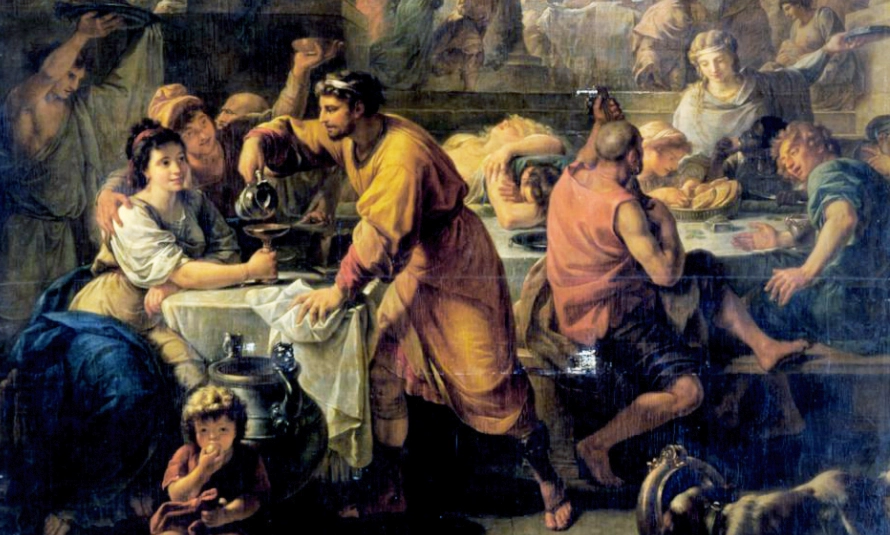
The Christian framing is well-known, but the roots go deeper. Mardi Gras grew out of older Roman festivals, Saturnalia and Lupercalia, spring celebrations tied to fertility and the end of winter. When Christianity spread through France, the Church was smart about it. Rather than wiping out these popular celebrations, they rebranded them: here’s your last blowout before Lent, now use it well.
It worked. The tradition embedded itself into French Catholic culture, and when French settlers crossed the Atlantic, they brought Mardi Gras with them. The first American celebrations appeared in Mobile, Alabama in 1703. New Orleans came shortly after and ran with it, turning Fat Tuesday into the spectacle the world now associates with the name.
In France, though, the celebrations stayed distinctly French, regional, local, rooted in specific towns and their own traditions. That diversity is what makes French Mardi Gras genuinely interesting.
How France Celebrates Mardi Gras
France doesn’t have one Mardi Gras. It has dozens, each shaped by the place it happens in.
Nice: The Big Show
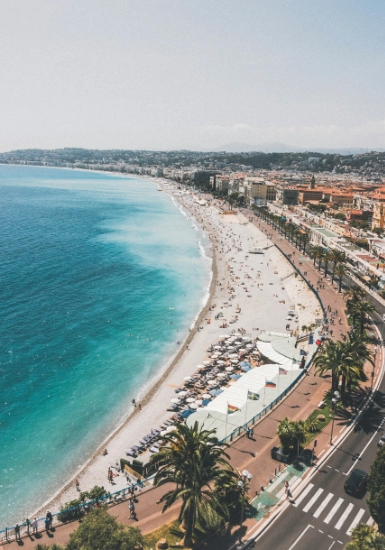
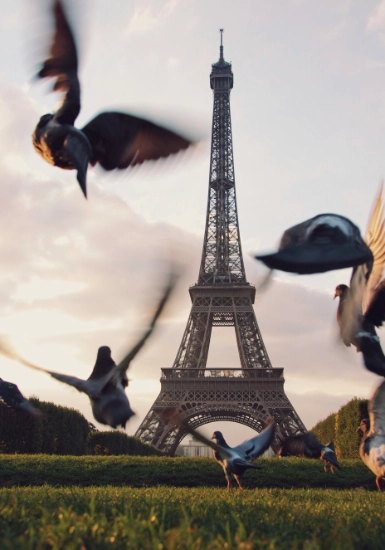
The Carnival of Nice is the one that makes international headlines, and for good reason. Over a million visitors descend on the Riviera each year for two weeks of elaborate floats, live music, and the famous Battle of Flowers, where parade participants throw fresh blooms into the crowd. The streets turn into a moving garden. It ends with fireworks over the sea.
Nice’s carnival has been running since the 13th century. It’s one of the oldest and largest carnival celebrations in the world, and it shows in the scale. The floats are enormous, the costumes are elaborate, and the whole city reorganises itself around the event.
Dunkerque: The Most Genuinely Local
Up north, Dunkerque does Mardi Gras completely differently, and honestly, it might be the most interesting version.
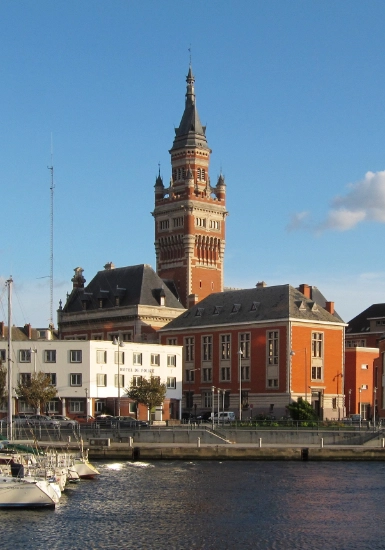
The Dunkerque carnival runs for weeks and is deeply rooted in the town’s fishing history. Traditionally, fishermen would celebrate before heading out for the long North Sea fishing season, knowing they wouldn’t be back until summer. The carnival became a kind of farewell party for the whole community.
Today, it’s still exactly that: raucous, communal, local. The locals dress in extravagant costumes, sing traditional songs in the streets, and parade through the town in a way that feels genuinely inherited rather than performed for tourists. If you want to understand what French Mardi Gras means to ordinary French people, Dunkerque is where to go.
Paris: The Artsy Comeback
Paris largely dropped its Mardi Gras traditions in the 20th century, but the celebration has been making a steady comeback. These days, the Montmartre district leads the revival with street performers, vintage costumes, masks, and the kind of theatrical, slightly bohemian atmosphere the neighbourhood does naturally. It’s less carnival, more spectacle. Very Paris.
Smaller Towns: The Hidden Gems
Some of the most atmospheric Mardi Gras celebrations in France happen in places you’ve probably never heard of. Limoux, in the Aude region, holds what it claims to be the world’s longest carnival, running from January through March with processions every weekend. The traditions here feel genuinely centuries old. Granville in Normandy runs a spectacular four-day carnival that locals treat as seriously as Nice. These smaller celebrations are worth seeking out if you want Mardi Gras without the crowds.
The Food: The Best Part of Mardi Gras
Let’s be direct: the food is why Mardi Gras matters. The whole point is to use up the butter, eggs, and sugar before Lent strips them from the table. France did not waste that opportunity.
Crêpes
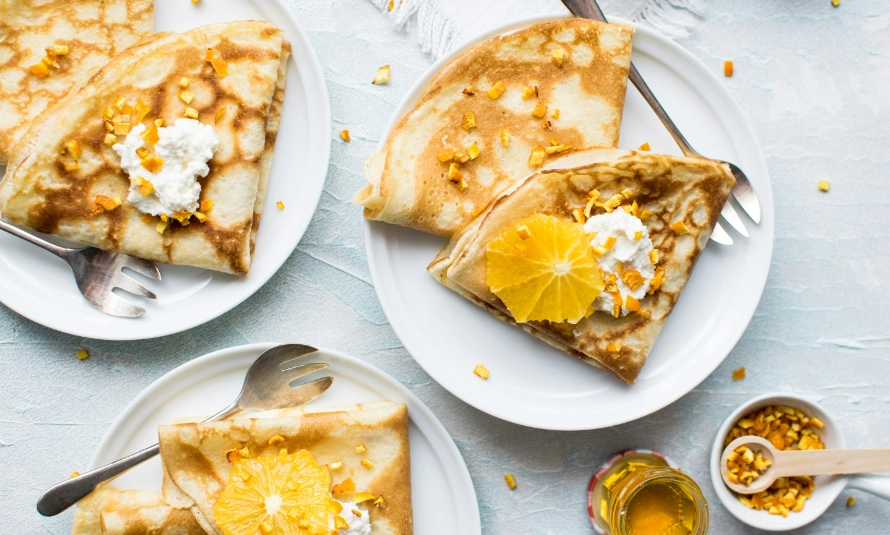
Crêpes are the most recognisable Mardi Gras food in France, partly because they overlap with Chandeleur (Candlemas), which falls two weeks earlier and is dedicated to crêpe-making. By Mardi Gras, the French are already in full pancake season. Sweet with lemon and sugar, or savoury galettes bretonnes made with buckwheat, both are on the table.
Beignets (donughts): A Regional Story
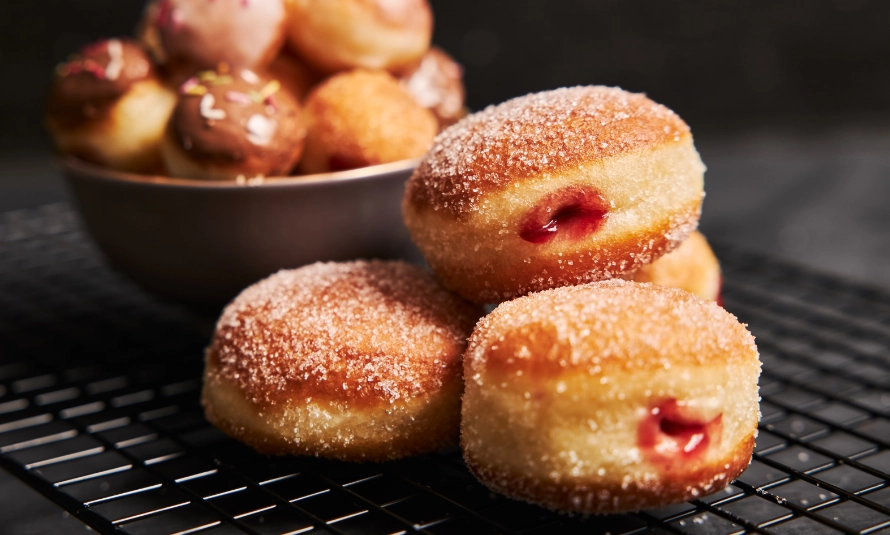
Beignets are the real Mardi Gras food, and France’s regional variety here is extraordinary. Every region has its own version, its own name, and its own firmly held opinion about which one is best.
Merveilles – Bordeaux
Very similar to bugnes but with their own local recipe. The name means “wonders,” which is confident but not wrong.
Bugnes Lyonnaises- Lyon
Thin, crispy, twisted or knotted strips of fried dough dusted with icing sugar. The Lyon version is probably the most widely known outside its region.
Pets-de-nonne – Franche-Comté
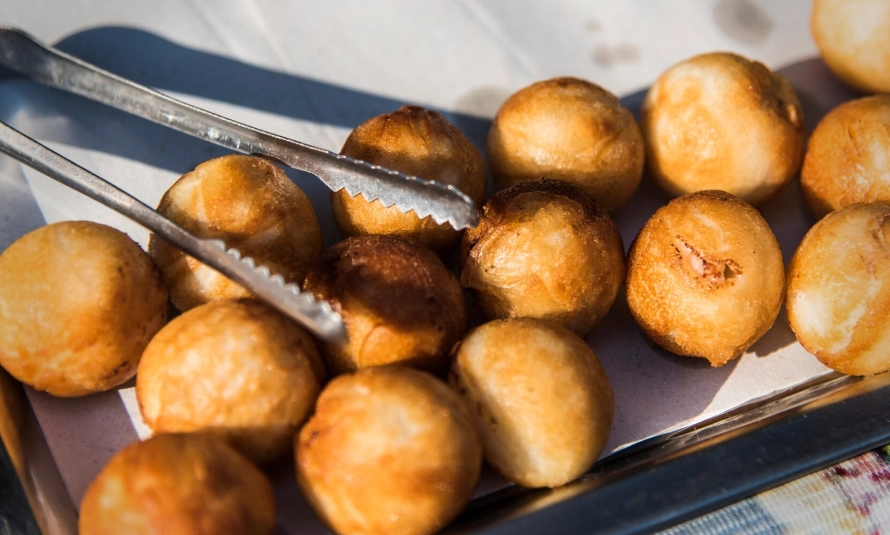
Light, airy choux pastry puffs fried until golden. The name translates as “nun’s farts.” The French find this funnier than you’d expect.
Les Oreillettes – Languedoc and Provence
Delicate, paper-thin strips of dough fried until crisp and dusted with sugar. They shatter when you bite them.
Les Bottereaux moelleux – Pays de la Loire
Softer and pillowier than most beignets, more like a light doughnut. The moelleux (soft) is the defining characteristic.
Beignets de Brocciu or Fritelles Corses – Corsica
Made with brocciu, the fresh Corsican cheese, for a distinctly Mediterranean version. Unique to the island.
Rousserolles – Centre-Val de Loire
The name you won’t find in any food glossary, but will find in the kitchens of families who’ve been making them for generations. My neighbour’s mother made these every Mardi Gras, proof that France’s beignet tradition runs deeper than any list can capture.
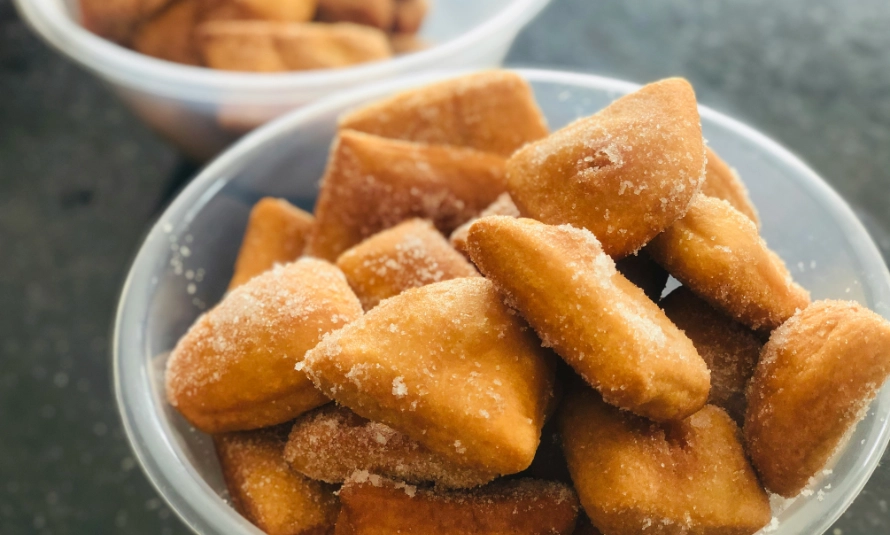
Beugnons – Various
Finally, the “beugnons”, beignets filled with apples, make sure there’s a fruity option to balance the sugar rush. These apple-filled pockets are golden fried and sweet, making them utterly irresistible.
Crottes d’âne – Picardy and Ardennes
The name translates as “donkey droppings,” which tells you something about northern French humour. They are, despite the name, just small doughnuts. Delicious ones.
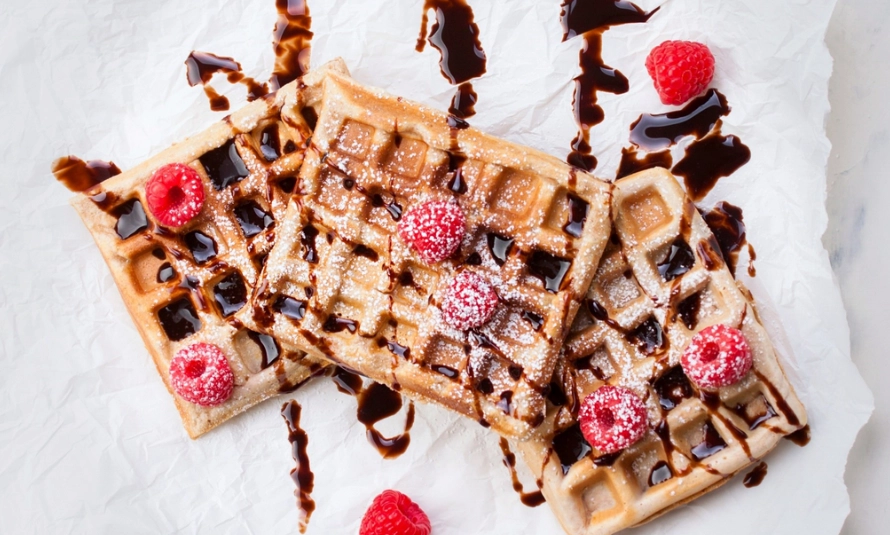
Waffles
Waffles show up at Mardi Gras too, particularly in northern France where Belgian influence bleeds across the border. Crispy outside, soft inside, served with sugar or honey. Simple and good.
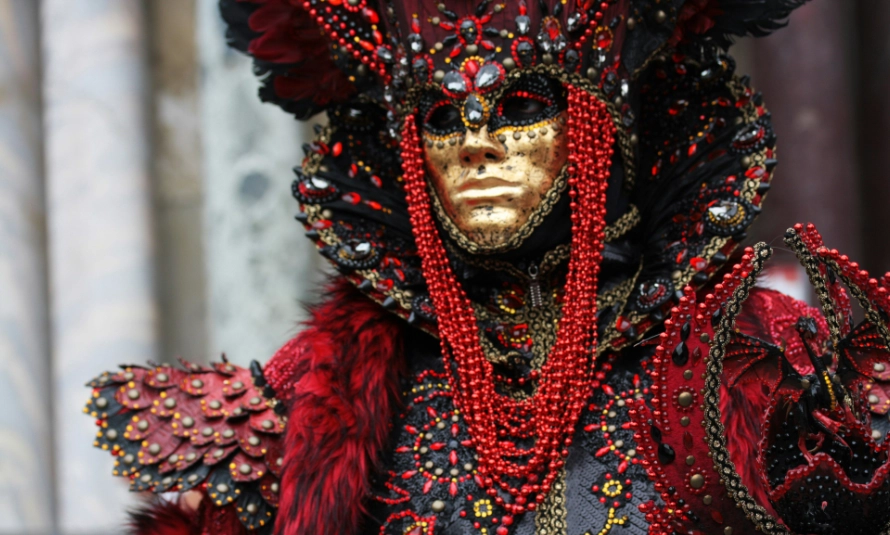
The Costumes, Masks and Beads
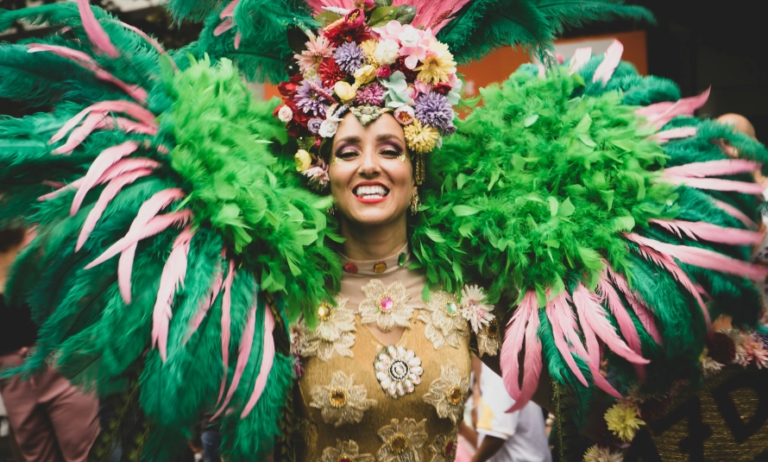
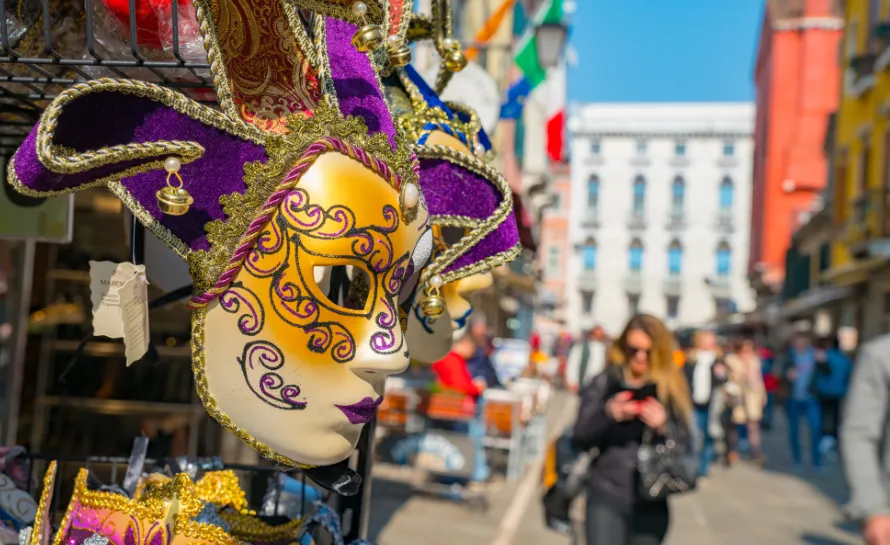
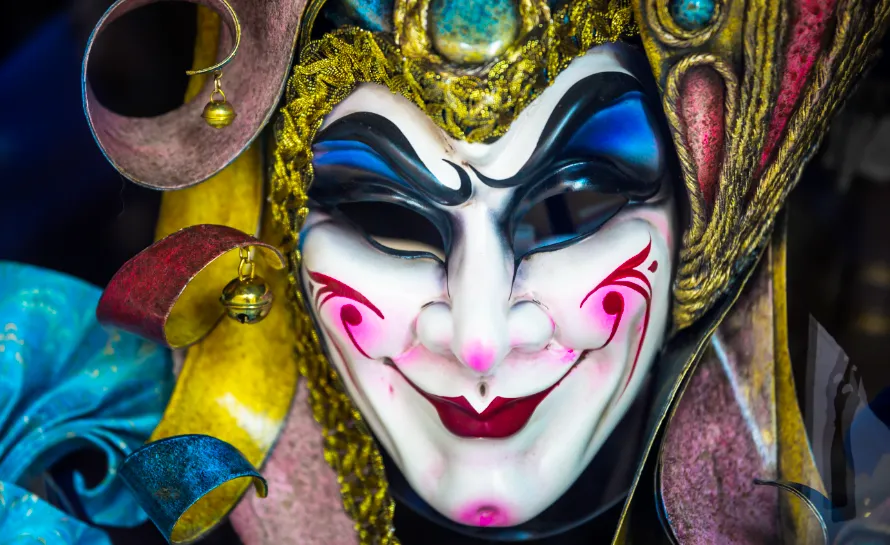
Masks are central to Mardi Gras, inherited from Venetian carnival tradition. The original idea was to allow people to step outside their social identity for a day, to hide who they were and behave accordingly. Nobles and servants could mingle anonymously. Rules relaxed.
Today the tradition has lost most of its transgressive edge and become celebratory instead. Schools hold costume days. Towns fill with jesters, devils, historical characters, and increasingly elaborate homemade outfits. The mask remains a constant.
The bead necklaces associated with Mardi Gras (particularly in New Orleans but also at French carnivals) date to the 19th century, when float riders began throwing trinkets to the crowd. Originally glass beads, now plastic, which has become an environmental concern that some carnival organisations are actively trying to address.
In Nice, the crowd gets flowers instead. Rather more French.
How Mardi Gras Crossed the Atlantic
When French settlers arrived in the New World, Fat Tuesday came with them. The first American Mardi Gras was celebrated in Mobile, Alabama in 1703, a fact Mobile residents will remind you of whenever New Orleans gets all the credit.
New Orleans took it and ran. The city’s French and Spanish colonial heritage, combined with African, Caribbean and Creole influences, turned this celebration into something entirely its own. The result is the largest Mardi Gras celebration in the world: weeks of parades, jazz, elaborate floats, masked balls, and the famous tradition of catching throws, beads, doubloons, and the coveted Zulu coconuts, from passing floats.
The food shifted too. Beignets survived the crossing (the French Quarter’s Café Du Monde has been serving them since 1862), but they’re joined by king cake, a sweet brioche-style ring decorated in purple, green and gold, with a tiny plastic baby hidden inside. Whoever finds it hosts the next party. Very New Orleans.
The spirit is recognisably French, the feasting, the costumes, the community, but the scale and the sound are something else entirely. If France’s Mardi Gras is a regional tradition with deep roots, New Orleans’ is a global event with a French soul.
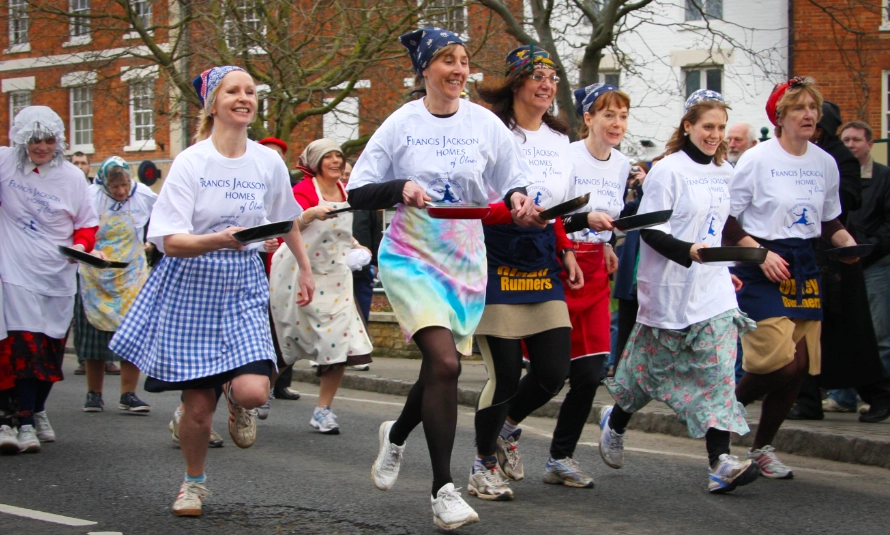
Mardi Gras vs Pancake Day: The Same But Different
Both celebrate the same moment in the Christian calendar. Both are about using up rich ingredients before Lent. Both involve some version of fried batter.
After that, they diverge. Pancake Day in Britain is domestic and quiet: a family activity, done at home, over in an evening. French Mardi Gras is public and communal: parades, costumes, regional food traditions, celebrations that last days or weeks.
Neither approach is wrong. They’re just shaped by different cultures doing the same thing their own way.
If you’ve only ever done the British version, the French one is worth experiencing at least once. Nice is the obvious choice for spectacle. Dunkerque is the choice if you want something that feels genuinely alive.
A Few Numbers
Around 70% of French people actively participate in Mardi Gras celebrations, particularly in northern regions. About 87% associate it with carnival costumes, and 73% link it specifically to festive food, crêpes and beignets above everything else. The Carnival of Nice draws over a million visitors annually. Dunkerque’s celebrations bring tens of thousands into the streets across several weeks.
When is Mardi Gras?
Because it’s tied to Easter, the date changes every year. It always falls on the Tuesday 47 days before Easter Sunday. Mark it in the calendar early. The celebrations in Nice and Dunkerque sell out fast. For future reference:
2027: 9 February
2028: 29 February
2029: 20 February
What’s your favourite Pancake Day topping? Ever been to a Mardi Gras carnival in France? Have a regional beignet recipe worth sharing? Tell me in the comments!
Disclosure: Just so you know, this post contains sponsored content and/or affiliate links, If you make a purchase through these links, I may receive a small commission. Doesn’t cost you anything extra. I only link to things that are actually worth your time. All opinions are my own!