Pumpkin Soup

 November 11, 2025
Disclosure: This post may contain affiliate links which provide us a small commission when used for purchase. Please read my disclosure policy for more information. I am grateful for your support!

I love pumpkins. All of them, every shape and flavour. This soup is autumn in our house, and I make it the same day I’ve got the squash jam on the hob. I also love making some pumpkin with feta in the oven. Not all three on the same day though!
Our neighbours grow all sorts of pumpkins and we’re always lucky enough to get some every now and then. I love watching them come up, too. The leaves are gigantic, and the whole plant sprawls out and takes over the ground like it owns the place.
Now, I have mine with a good amount of crème fraîche stirred through, and then another cold scoop dolloped on top that I work into each spoonful as I go. Not doing my love handles any favours, but it’s so creamy I’ve made my peace with it.
Table of Contents
Where pumpkin soup comes from
Like a lot of the best French cooking, this started as peasant food. Pumpkins keep for months in a cold cellar, so they were winter food when little else was growing: cheap, filling, and they needing nothing more than a pot and some water to become dinner. The cream came later, once it was more widely available, and turned a plain pumpkin into a velvety and creamy pumpkin soup.
Now the so called potimarron (red kuri squash) only reached France in the 1950s, brought over by a Japanese family. Its name is a mash-up of potiron (pumpkin) and marron (chestnut), because the flesh has a sweet, nutty, almost chestnutty flavour. Before it arrived, French pumpkin soup was made with the potiron. Either works here, but if you can get potimarron (red kuri squash), use it. It has a thinner skin, less water, and more flavour!
Ingredients
- Pumpkin – Potimarron (red kuri squash) obvioulsy. It’s sweet, nutty, and the skin’s edible so you don’t even have to peel it). Potiron (pumpkin) works too, or any dense orange squash. Avoid the big watery carving pumpkins, which make a thin, bland soup.
- Potato – A small amount for some extra body. It gives that thick, velvety texture without needing loads of cream.
- Onion and garlic – This is the savoury base. Sweated slowly so they’re sweet and soft, not browned.
- Vegetable stock – The main liquid, and it carries a lot of the flavour, so it’s worth using a good one. Homemade stock is best if you’ve got it; otherwise a decent shop-bought one is fine. Just enough to cover, and top up with water rather than more stock if you need more, so it doesn’t get too salty.
- Crème fraîche – Stirred in at the end, non-negotiable for most French cooks. It adds richness, a slight tang, and rounds out the pumpkin’s sweetness. Double cream does the job too, just use a bit less.
- Butter – For sweating the vegetables and a bit of richness. It’s a French soup, so yes, butter.
- Nutmeg, bay and thyme – The warm, autumnal seasoning. Go easy on the nutmeg, since it’s easy to overdo.
How to make pumpkin soup
1. Sweat the base
Melt the butter and sweat the onion gently in a heavy cast iron cocotte until soft and translucent, about 5 minutes, then the garlic for the last minute. You’re not after colour here, just softness and sweetness. Browning the onion would push the flavour somewhere you don’t want it for a soup this delicate. Burnt garlic is worse, so keep it to that final minute.
2. Add the pumpkin and sweat again
Tip in the pumpkin and potato chunks and stir so everything’s coated in the buttery, oniony base. Let it all sweat together for 10 minutes, stirring now and then. This step builds flavour before the liquid goes in, so the edges of the pumpkin should just start to soften and catch a little of the butter. Don’t rush to add the stock.
3. Simmer until collapsing
Pour in just enough stock to cover, add the bay and thyme, and simmer gently, partially covered, for 25 to 30 minutes. You want the vegetables completely soft, collapsing when you prod them with a spoon. Underdone pumpkin won’t blend smooth, so give it the full time and check it’s properly tender before you go near the blender.
4. Blend and finish
Fish out the herbs first. Then blend the pumpkin soup with a hand blender longer than you think you need to, because you really want it smooth and velvety, not rustic. A hand blender in the pot is easiest; otherwise do it in batches in a jug blender, carefully though since hot soup expands. Then stir in the crème fraîche off a hard boil, season with salt, white pepper (black shows as specks) and a dash of nutmeg, and taste!

Tools for this recipe
Check out my favorite kitchen essentials and cookware!
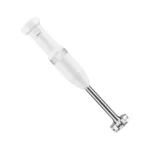
- Use a hand blender to effortlessly smooth your pumpkin soup dish.
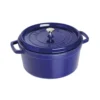
- I make this recipe in a heavy cast iron cocotte that holds heat evenly.
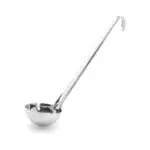
- I use my stainess steel ladle to serve this soup.
Tips for success
- Blend it longer than feels necessary: this is the single biggest thing. If you want the result to be smooth and velvety. Give it a good couple of minutes.
- Use potimarron (red kuri squash) if you can: they are sweeter, nuttier, you don’t need to peel them, and they give a more intense result.
- Sweat, don’t brown: keep the onion and pumpkin gentle, no colour. Browning takes the flavour somewhere too deep and savoury for this soup.
- Adjust the thickness at the end: Is your pumpkin soup too thick? Loosen with a splash of stock or water. Is it too thin? Simmer it with the lid off for 10 minutes to reduce. You’re in control right up to serving.
- White pepper, not black: This is purely a cosmetic choice, but black pepper shows as little specks in that smooth orange, and white keeps it clean.
How to store it
- This is a brilliant make-ahead soup. In fact it’s better the next day, once the flavours have settled, so if you can make it a day before you need it, do. It keeps in the fridge for up to 3 days in a sealed glass container. Reheat gently, and if it’s thickened up overnight, loosen it with a splash of stock or water.
- It also freezes beautifully for up to 3 months. Tip: freeze it before adding the crème fraîche if you can, since dairy can go slightly grainy after freezing. Then stir the cream in fresh when you reheat. If you’ve already added it, it’ll still be fine, just give it a good blend or whisk as it warms through.

More soup recipes to try
Variations
- Normandy style: add an apple with the pumpkin, and a splash of Calvados at the end. The sweetness and the apple brandy suit the squash beautifully.
- Provençal style: grate a little orange zest in towards the end. Sounds odd, works extraordinarily well against the sweet pumpkin.
- Chestnut: add a handful of cooked chestnuts with the pumpkin for an earthier, deeper, very autumnal soup. Fitting, given the potimarron‘s chestnutty name.
- A bit of spice: a pinch of curry powder or a little grated ginger with the aromatics takes it somewhere warmer. Not traditional, but delicious too.
- Toppings: croutons, toasted pumpkin seeds, a swirl of cream, a drizzle of good oil, or a few crumbles of blue cheese. Any of them will lift the french pumpkin soup.
- Fromage Blanc: For the same tangy flavour, you can also use fromage blanc instead of crème fraîche if that’s what you have in the fridge.
FAQ
What’s the best pumpkin for pumpkin soup?
Potimarron (red kuri squash) is the French favourite: sweet, nutty, with edible skin so no peeling, and a low water content that gives an intense, velvety soup. Potiron works too. Avoid big carving pumpkins, which are watery and bland.
Can I make pumpkin soup ahead of time?
Yes, and it’s better for it. The flavours settle overnight, so it’s an ideal make-ahead. It keeps 3 days in the fridge and freezes for up to 3 months. Loosen with a little stock when you reheat if it’s thickened.
How do you make pumpkin soup creamy?
Two things: a small amount of potato for body, and crème fraîche stirred in at the end. But the biggest factor is blending it properly, longer than you’d think, until it’s completely smooth and velvety.
Can I make pumpkin soup without cream?
Yes. The potato gives it body, so it’ll still be smooth and satisfying without any cream. You lose a little richness and tang, but a good potimarron is sweet and full-flavoured enough to carry it. A splash of coconut milk is a nice dairy-free alternative.



 Prep Time 20 minutes
  Cook Time 40 minutes
  Total Time 1 hour
  Servings 6
Description
Ingredients
- 1,5 kg pumpkin potiron or potimarron work best
- 300 gr potatoes
- 1 onion
- 2 cloves garlic
- 1 l vegetable stock
- 200 ml crème fraîche
- 50 gr unsalted butter
- 1 pinch nutmeg freshly grated
- 2 bay leaf
- 2 sprigs thyme
- salt and black pepper
Equipment


Instructions
1. Prepare the vegetables
- Peel the pumpkin (unless it's potimarron, which doesn't need it) and cut into rough 3cm chunks. Do the same with the potato. Don't overthink it, it's all getting blended.
2. Sweat the aromatics
- Melt the butter in the pot over medium heat. Add the chopped onion and cook until soft and translucent, about 5 minutes, without colouring. Add the garlic for the last minute only.
3. Add the main vegetables
- Tip in the pumpkin and potato and stir to coat in the buttery base. Let everything sweat together for 10 minutes, stirring occasionally, until the edges start to soften.
4. Add liquid and herbs
- Pour in the stock, just enough to cover (top up with water, not more stock, if needed). Add the bay and thyme. Bring to a gentle simmer.
5. Simmer until tender
- Partially cover and simmer gently for 25 to 30 minutes, until the vegetables are completely soft and collapsing. Fish out the herbs.
6. Blend until smooth
- Blend until completely smooth, using a hand blender in the pot or a jug blender in batches (carefully, hot soup expands). You're after velvet, not chunks.
7. Finish with cream
- Over low heat, stir in the crème fraîche. Season with salt, white pepper and a dash of nutmeg. Taste and adjust.
8. Serve properly
- Ladle into warmed bowls. Add croutons if you've made them, and a final swirl of cream to impress anyone watching.
Notes
- Blend it longer than you think. Properly smooth is what makes this soup. It’s the biggest difference-maker.
- Too thick? Thin with stock or water. Too thin? Simmer with the lid off for 10 minutes.
- Make it a day ahead if you can. It improves overnight.
- Freezes brilliantly for up to 3 months. Ideally freeze before adding the cream, and stir it in fresh when reheating.
- No crème fraîche? Double cream works, just use a bit less.
Share your feedback and spread the love!
If you try this recipe, I’d love to hear how it turns out! Leave a ★★★★★ rating and your thoughts in the comments, it helps fellow French foodies discover this recipe too. Snap a photo and tag @obviously.french on Instagram. Come talk about it in our Facebook group. And don’t forget to save this recipe to Pinterest so you’ll always have it handy for your next French-inspired meal!