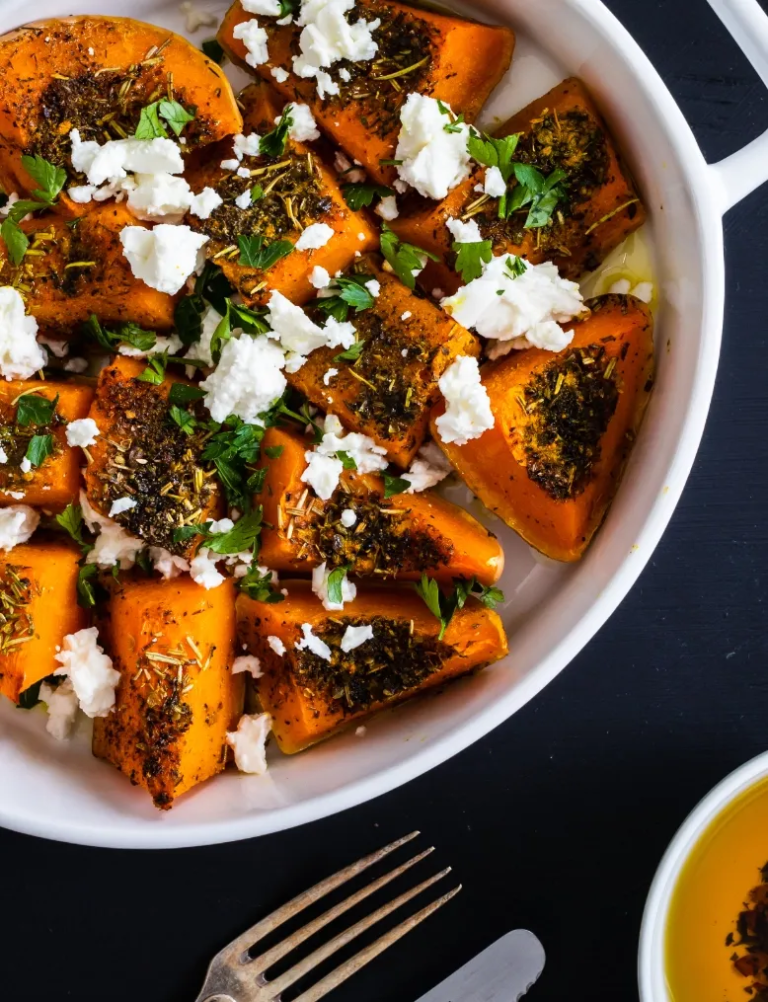
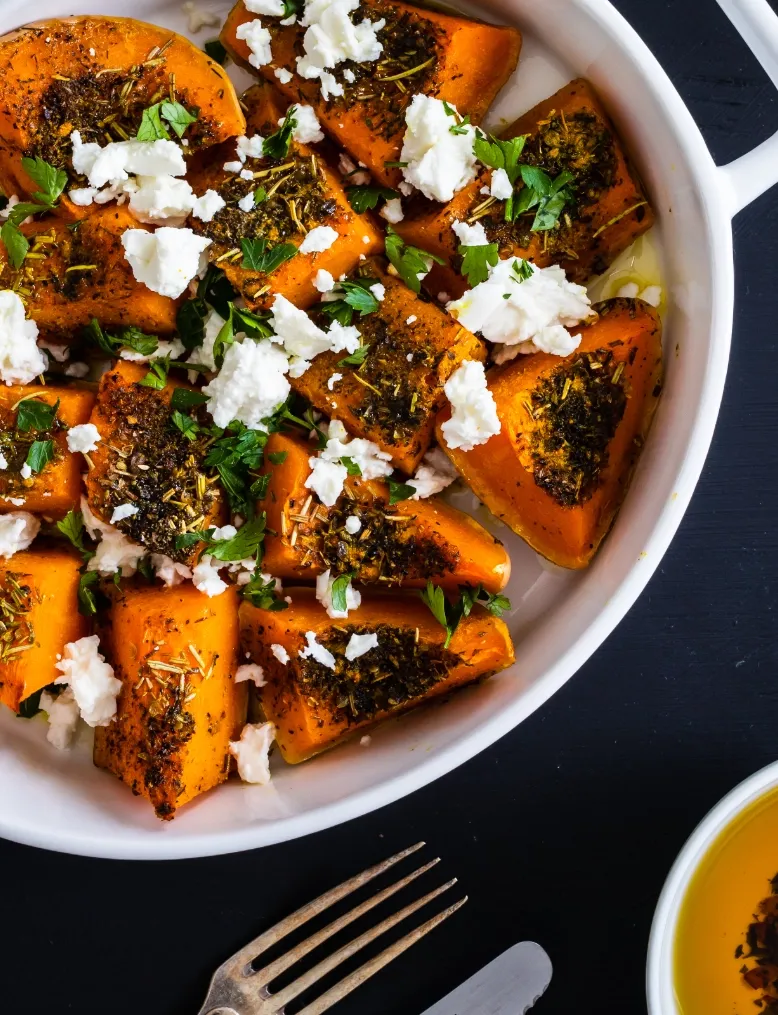
Roasted Pumpkin with Feta
 Prep Time 15 minutes
  Cook Time 40 minutes
  Total Time 55 minutes
  Servings 4
Ingredients
- 1 kg pumpkin or butternut squash
- 1 tbsp olive oil
- 1 tbsp honey
- 1 tbsp Herbes de Provence
- 100 gr feta
- 1 handful flat-leaf parsley
- salt and black pepper
- 1 tbsp pumpkin seeds optional, for serving
Instructions
1. Preheat and prep
- Get your oven up to 200°C (180°C fan). While it heats, tackle the pumpkin. Butternut squash is the easiest option here, the skin peels off fairly easily. Traditional pumpkin varieties need a bit more knife work, but they caramelise beautifully. Cut into wedges roughly 3cm thick at the widest point. Consistency matters more than perfection, you want them to cook at the same rate.
2. Season the pumpkin
- In a small bowl, mix the olive oil with the honey. Arrange the pumpkin wedges in a single layer in a large baking tray, don't crowd them or they'll steam rather than roast. Drizzle over the honey-oil mixture and use your hands to coat each piece. Scatter over the herbes de Provence, and season generously with salt and pepper.
3. Roast until caramelised
- Slide into the oven and roast for 35-40 minutes, turning the wedges halfway through. You're looking for tender flesh (a knife should slide through easily) and golden, slightly charred edges. The honey will help them caramelise, don't panic if some bits look almost burnt, that's flavour.
4. Add the feta and finish
- Remove from the oven and immediately scatter over the crumbled feta while the pumpkin is still hot. The residual heat will soften the cheese slightly without melting it completely. Finish with the fresh parsley and pumpkin seeds if using. Serve warm.
Notes
- Squash choice: Butternut squash is the most reliable option, it holds its shape well and has a sweet, nutty flavour. Potimarron (red kuri squash) works brilliantly if you can find it, and the skin is thin enough to eat once roasted. Crown Prince or Delica are also excellent.
- Don’t skip the honey: It’s not there for sweetness alone, it helps the pumpkin caramelise and creates those sticky, golden edges that make this dish.
- Feta variations: Greek feta (sheep’s milk) has more tang and crumble. Danish or “salad cheese” is milder but won’t have the same punch. Use what you prefer, but proper feta makes a difference.
- Make it vegan: Skip the feta and finish with toasted pine nuts or walnuts and a drizzle of tahini. Still brilliant.
- Serving suggestions: Excellent alongside roast lamb or chicken. Also works as a light vegetarian main with crusty bread and a green salad, or tossed through couscous or lentils.
About this recipe
Let’s be honest: roasted pumpkin with feta is not a French classic. You won’t find it in Escoffier, and your average Parisian bistro is not serving it. It is much more at home in modern Australian or Middle Eastern cooking, where the combination of sweet roasted squash, salty cheese, and warm spices has been a staple for years. But it works beautifully with French flavours, and that is reason enough to make it.
The French relationship with courges
The French have been roasting courges, their word for squash and pumpkin, for centuries. In Provence particularly, where olive oil and dried herbs are practically law, roasted vegetables are a cornerstone of the cooking rather than a side thought. The courge musquée de Provence, a traditional variety with deep orange flesh and a nutty sweetness, has been grown in the south of France for generations. It appears in gratins, soups, tarts, and simply roasted with olive oil and thyme on autumn tables across the region.
Pumpkin season in France runs from September through March, and markets pile up with dozens of varieties: the ridged Musquée de Provence, the chestnut-flavoured potimarron that has become a French autumn staple since its introduction from Japan in the 1950s, and the elongated butternut that has gradually become the most widely grown variety across the country. Each region has its preferred preparations. Gratins in the Alps. Soups in Brittany. Sweet tarts in the Loire. The south roasts.
Where the feta pumpkin combination comes from
The roasted pumpkin feta pairing is a modern Mediterranean crossover. While the French would traditionally reach for goat cheese or Gruyère alongside roasted squash, the principle is identical: sweet vegetable, salty cheese, aromatic herbs. Feta brings the same contrast that goat’s cheese does, the sharpness and salt cutting through the natural sweetness of the pumpkin. The difference is in the texture. Feta crumbles and partially melts over the warm pumpkin rather than running, which gives you distinct pockets of salty cheese against the soft flesh rather than a uniform coating.
This baked pumpkin with cheese recipe leans into the Provençal side of things to give it a French grounding. The herbes de Provence, that classic blend of thyme, rosemary, oregano, and sometimes lavender, ties it to the south. The honey drizzled over before roasting caramelises in the oven and intensifies the sweetness of the pumpkin whilst creating slightly sticky, golden edges. Both are ingredients that feel entirely at home in a southern French kitchen, even if the feta pumpkin combination itself is a more recent arrival.
Cutting the pumpkin
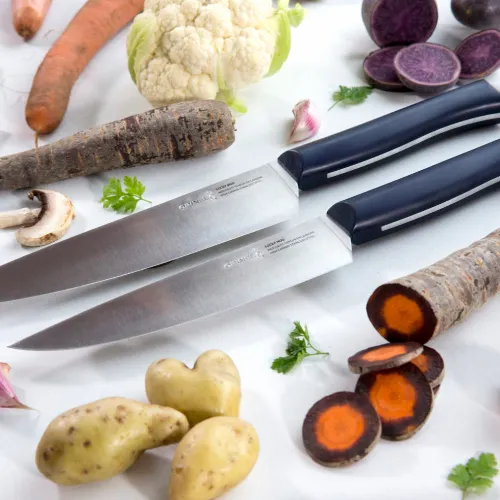
The main practical challenge with this pumpkin feta recipe is cutting the pumpkin cleanly. Pumpkin skin is tough, the flesh is dense, and a blunt knife makes the whole preparation more difficult and more dangerous than it needs to be. The key is a sharp, sturdy blade and a stable cutting surface.
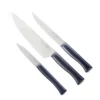
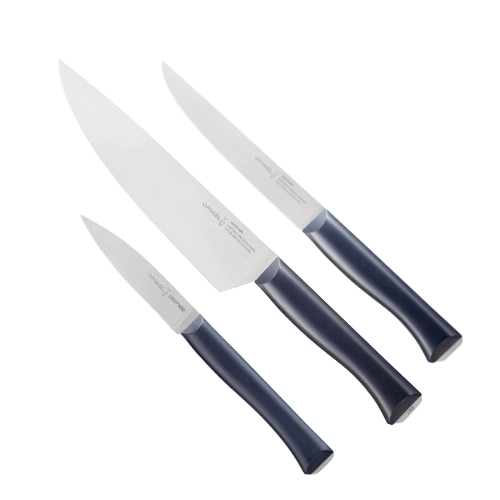
I use the Opinel Intempora knife set for this. Opinel knives are made in the Savoie region of France and have been part of French kitchen culture for generations. The chef’s knife in the set is long and sharp enough to cut through a whole pumpkin cleanly with a single, controlled stroke rather than the hacking that a shorter or blunter blade requires. For a roasted pumpkin with feta recipe where the prep is the main work, having the right knife makes the difference between an enjoyable cooking experience and a frustrating one.
Getting the roast right
The pumpkin needs to be cut into pieces of consistent size so they cook at the same rate. Too thick and the outside caramelises before the inside is tender. Too thin and the flesh dries out before developing any colour. Roughly 2cm thick wedges or cubes are the right size for this recipe.
The oven needs to be properly hot, at least 200C, before the pumpkin goes in. A cool oven steams the pumpkin rather than roasting it, and you lose the caramelisation that makes roasted pumpkin feta worth eating. Give the pieces room on the tray too. Crowded pumpkin steams in its own moisture rather than roasting in dry heat.
Add the feta in the last ten minutes of cooking rather than at the start. Feta added too early dries out completely and loses the creamy texture that makes baked pumpkin with cheese so satisfying.
Share your feedback and spread the love!
If you try this recipe, I’d love to hear how it turns out! Leave a ★★★★★ rating and your thoughts in the comments, it helps fellow French foodies discover this recipe too. Snap a photo and tag me @obviously.french on Instagram if you’re sharing your bake or cooking online. Don’t forget to save this recipe to Pinterest so you’ll always have it handy for your next French-inspired meal!
Disclosure: Just so you know, this post contains sponsored content and/or affiliate links, If you make a purchase through these links, I may receive a small commission. Doesn’t cost you anything extra. I only link to things that are actually worth your time. All opinions are my own!