A village that clings to a cliff
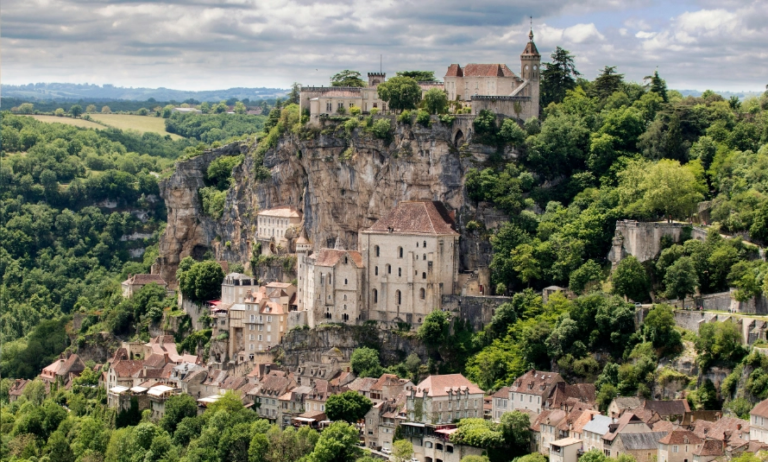
Tucked into a rocky outcrop in the Lot, Rocamadour is small in size, about 600 people call it home, but it’s anything but quiet. You can spot the village from miles off, as you will spot a distinctive stack of houses and chapels clinging to the cliff 120 metres above the Alzou canyon. It’s one of France’s busiest pilgrimage spots, drawing all kinds of visitors that want to soak up its history, faith, and jaw-dropping views.
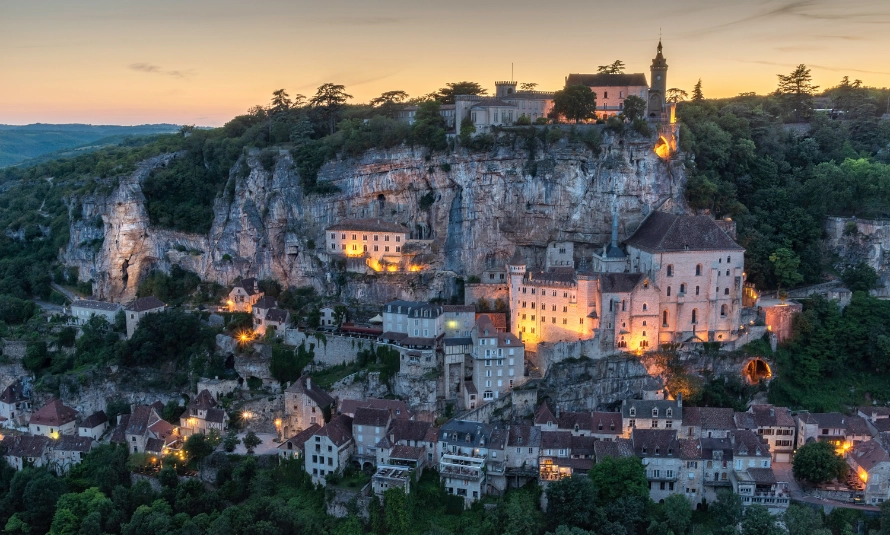
The mysterious hermit Amadour
The origins of Rocamadour are closely tied to a figure named Amadour, but who he really was remains a bit of a mystery. According to local legend, Amadour was a holy hermit who lived in the area during the early Middle Ages, dedicating his life to solitude and faith. Some stories even suggest he might have been a biblical figure. What’s undisputed, though, is that in 1166 a body believed to be Amadour’s was discovered perfectly preserved beneath the sanctuary. This miraculous find transformed Rocamadour from an obscure village into a major pilgrimage destination. While historians debate the exact facts, Amadour’s story remains the spiritual heart of the village.
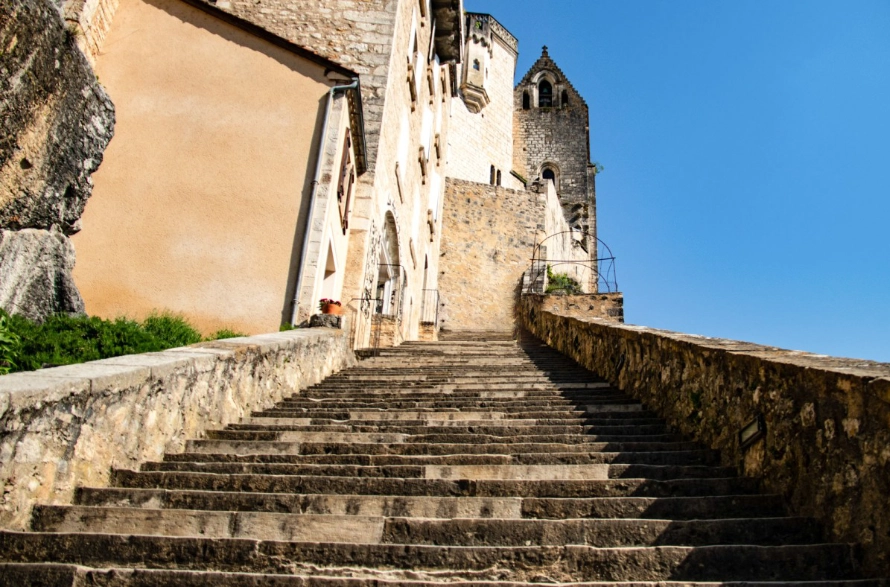
Le Grand Escalier
Le Grand Escalier, or the Big Stairs, is a rite of passage from the village to the sanctuary. There are precisely 216 steep stone steps, enough to test your legs and lungs. Pilgrims crawled up these on their knees as a sign of devotion, which puts (my) modern walkers’ legs to shame. The climb might leave you puffing, but the views are worth every step, Rocamadour peeling away behind you and the valley stretching out below. If you’d rather save your energy, lifts and a tourist train are on hand, but climbing the stairs yourself gives a proper sense of what this place is about.
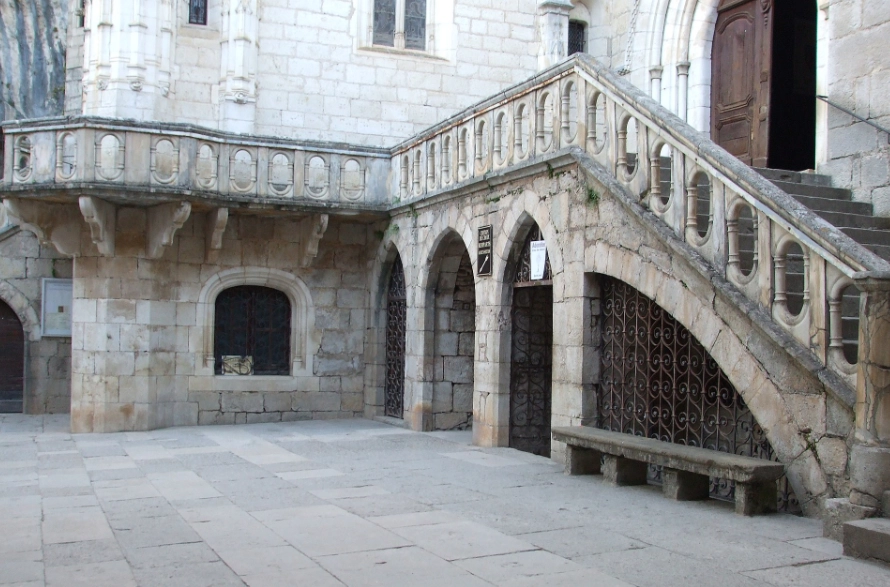
The sanctuary and Saint Amadour’s tomb
Now that you’re up those big stairs, you can visit the sanctuary of Saint Amadour, where history, faith, and legend come together. The sanctuary includes the crypt where the tomb believed to hold Saint Amadour’s body was discovered in 1166.
But don’t come expecting something grand and gold-leafed! Amadour’s tomb is a modest stone alcove set into the rock, marked simply and guarded by an iron gate. For all the importance placed on this ancient figure, the site itself is very humble. You can step inside this sacred underground chamber as part of your sanctuary visit. Seeing the crypt makes the legend of Amadour feel a little more real, his presence felt not just in stories but beneath the very stones you walk on.
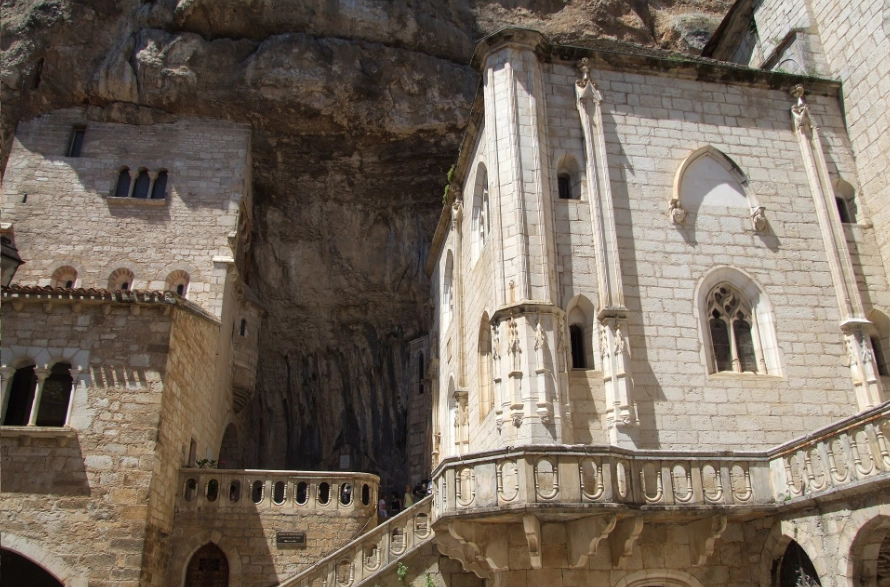
La chapelle Notre Dame
This small but deeply revered chapel houses the iconic Black Madonna statue, a dark wooden carving believed to have miraculous powers that have drawn pilgrims for centuries. The statue itself dates back to the 12th century and is carved from walnut wood. According to local legend, it was either brought to Rocamadour by Saint Amadour or miraculously discovered hidden within the cliffside. Its distinctive dark colour is often said to come from centuries of candle smoke or natural ageing, but it also carries symbolic significance linked to mystery and devotion.
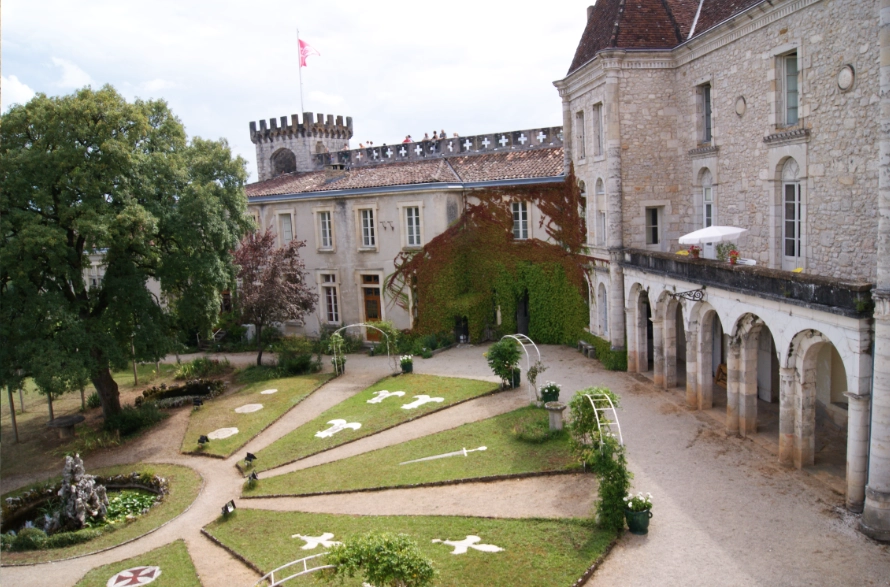
Rocamadour Castle
At the very top of Rocamadour stands its castle, guarding the sanctuary and village below. Though you can’t go inside, wandering along the battlements rewards you with amazing views over winding streets, sheer cliffs, and the lush Dordogne valley. It feels like stepping back to a time when this fortress was a vital watch point, its thick stone walls have stories to tell of sieges, wars, and pilgrimages. It’s also a brilliant spot for photos that capture the scale and drama of Rocamadour.
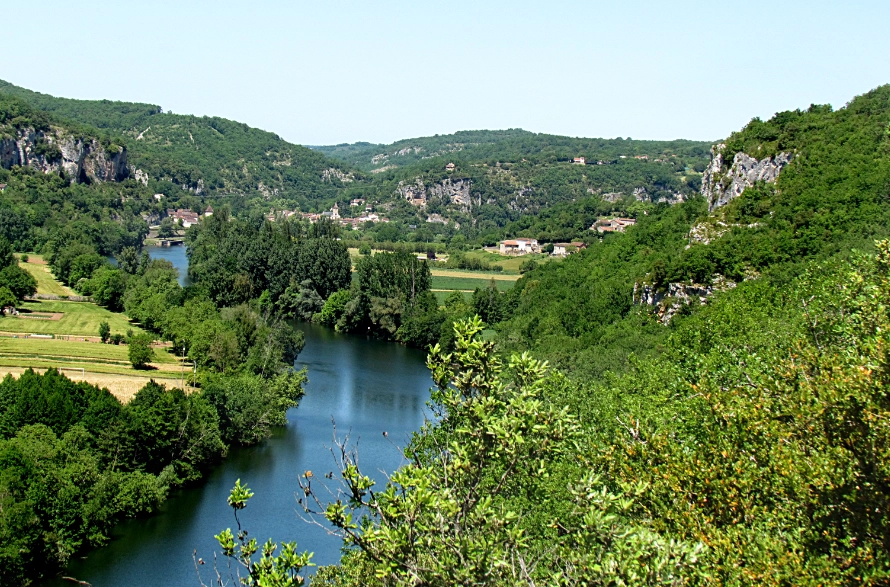
Parc naturel régional des Causses du Quercy
Rocamadour’s setting is just as striking as its history. It sits within the Parc naturel régional des Causses du Quercy, a patchwork of limestone plateaus, deep gorges, and wildflower meadows. Lace up your boots and you can wander well-marked trails with views that’d grace any postcard, especially overlooking the Alzou canyon.
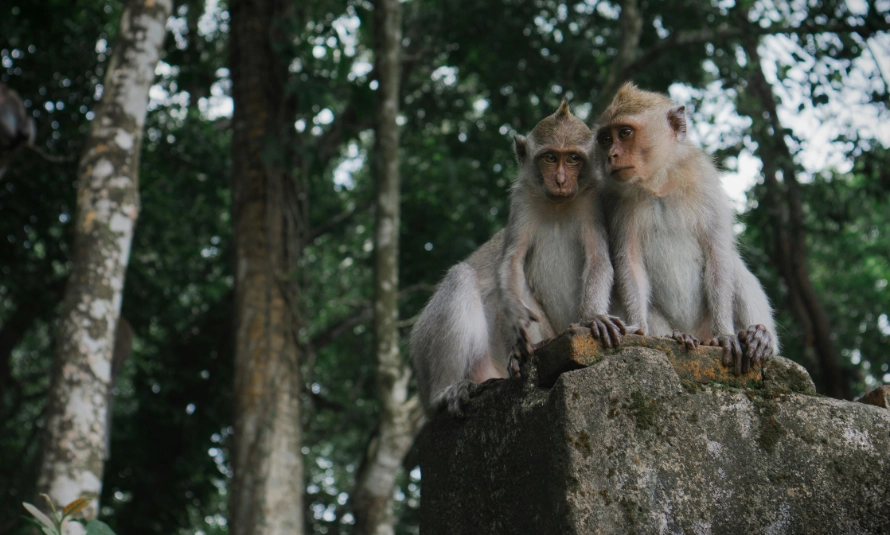
La Forêt des Singes
Not far from the village is La Forêt des Singes, a monkey sanctuary home to over 150 Barbary macaques. These cheeky primates roam free through the woodland, completely at ease with visitors strolling along the paths. It’s a relaxed, family-friendly spot to watch lively monkeys leap from tree to tree, far from the usual zoo fences. The centre also focuses on teaching visitors about macaque behaviour and conservation, making it entertaining and educational all at once.
Gouffre de Padirac
If you’re into something more daring, the nearby Gouffre de Padirac is one of France’s most spectacular natural wonders and an absolute must-visit for those who love a bit of adventure. About a 25-minute drive from Rocamadour, this vast chasm drops over 100 metres underground, opening into a sprawling maze of subterranean caves. You can descend by lift or stairs and then board small boats to float down an underground river, surrounded by towering stalactites and stalagmites. The interplay of light and shadows inside these ancient caverns is otherworldly, and the whole experience offers a cool, fascinating break from the heat and crowds above ground.
Throughout the guided tour, you’ll see formations that have taken thousands upon thousands of years to form, all while floating quietly through an astonishing subterranean landscape. It’s an unforgettable experience that offers a cool escape from the summer heat and a peek into the mysterious geological secrets hidden beneath the Lot countryside.
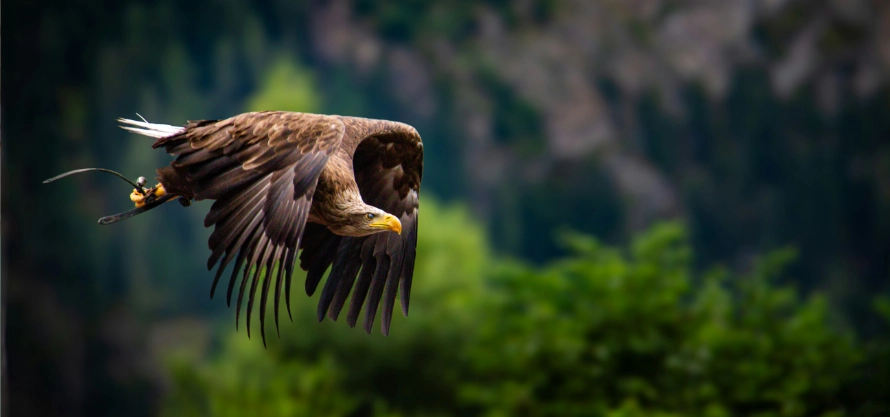
Le Rocher des Aigles
Le Rocher des Aigles is a bird of prey centre and every day, they put on flying demonstrations featuring eagles, hawks, vultures, and owls. Watching these birds swoop, dive, and glide so close you could almost reach out and touch them is genuinely impressive. The handlers explain how each bird hunts, their behaviour, and the efforts to protect these species. Set against the limestone cliffs framing Rocamadour, it feels like nature’s own show. Whether you’re into birds or just in it for the spectacle of nature, this is a memorable stop that complements a day spent wandering the village and nearby trails.
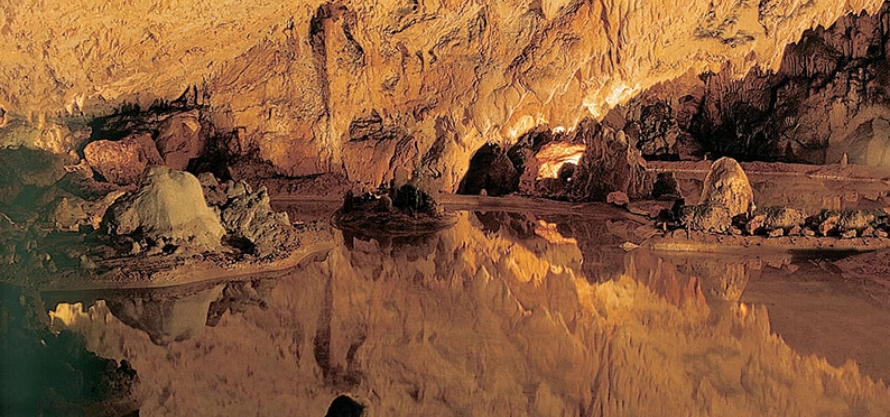
La Grotte des Merveilles
And a short drive from Rocamadour you can find La Grotte des Merveilles. This place offers a fascinating peek into prehistory. The cave is famous for its prehistoric paintings, some 20,000 years old, depicting bison, horses, and deer, art created by our Ice Age ancestors! Walking through the dimly lit chambers, it’s humbling to see images that have survived the centuries, long before any written history existed. The cave is well kept and you can join guided tours that explain the significance of the paintings and how early humans made them. If you’re curious about where human creativity began or just want a break from the village bustle, this cave is a powerful place to step back in time.
Food for the soul and stomach
No visit to Rocamadour would be complete without sampling its famous local treats! Food lovers will be thrilled because the region is packed with goodies that will have your mouth watering in no time.
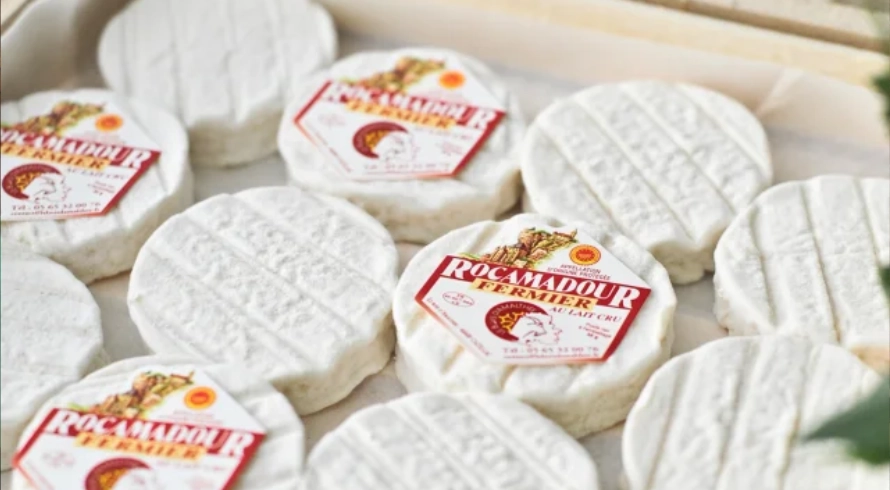
Rocamadour cheese
First up is the famous Rocamadour cheese, a soft, creamy goat’s cheese that melts in the mouth. This soft, crumbly cheese with a subtle, slightly nutty tang is an AOC-certified product, a mark of quality and tradition. Try it fresh on crusty bread, crumbled over a salad, or melted into dishes at local bistros. If you’re a fan of melted cheese, why not give a “rocaclette” a go, a delicious twist combining Rocamadour cheese and raclette?
Mique
Next on the list is the mique, a must-try hearty local dish. Made from raised dough mixed with eggs, milk, and fat, it’s surprisingly filling, designed to keep you going all day. Served traditionally with salted pork and vegetables, it’s comfort food at its best.
Truffles
And finally, truffles are a real highlight of the Lot region. From December to March, these prized fungi fill local markets. They aren’t cheap, but the rich, earthy flavour of a fresh truffle is worth every penny if you’re up for a genuine gastronomic experience.
What to see and do in Rocamadou
- Wander the cliffside village
Stroll the narrow, car-free lanes lined with stone houses and charming shops. Take in the dramatic views as the village clings to the rock high above the Alzou canyon—a proper sight day or night. - Climb the Grand Escalier
Test your legs on the 216 steps of the Grand Escalier. This historic staircase links the lower village to the sanctuary and offers wonderful views as you go. For an easier option, hop on the lift or the tourist train. - Sanctuary and Saint Amadour’s Tomb
Explore the sanctuary complex, including the crypt where Saint Amadour’s tomb was discovered. The site is simple and unadorned, but rich with history and legend—well worth a quiet moment. - La chapelle Notre-Dame and the Black Madonna
Visit the iconic chapel to see the 12th-century Black Madonna—Rocamadour’s spiritual heart. The statue’s mysterious origins and the chapel’s medieval atmosphere are central to the town’s story. - Le Rocher des Aigles
Watch unforgettable bird of prey demonstrations at this cliffside centre. Eagles, vultures, and owls swoop close, with expert commentary giving insight into each species and their care. - La Forêt des Singes
Walk through the woodland sanctuary where over 150 Barbary macaques roam free. Fascinating and fun, especially for families—bring your curiosity and enjoy the cheeky monkey antics. - La Grotte des Merveilles
Step into prehistory inside this cave, home to 20,000-year-old paintings of bison and horses. Guided tours explain how early humans created this art—perfect for anyone intrigued by ancient history. - Gouffre de Padirac
Venture underground into one of France’s most spectacular chasms. Descend by lift or stairs, then board a boat to glide along the subterranean river past extraordinary rock formations. - The castle and panoramic views
Head to the castle at the top of the village for unbeatable views over Rocamadour and the Dordogne valley. Walk along the battlements and bring your camera for some cracking photos. - Hiking in the Causses du Quercy Regional Park
Discover miles of trails through limestone plateaus, gorges, and wildflower meadows. Look out for local wildlife, ancient stone walls, and traditional farms along the way. - Local flavours and markets
Don’t leave without sampling Rocamadour cheese, hearty mique, and (in season) black truffles. Visit village markets for other delicacies—walnuts, honey, local bread—and enjoy a glass of Cahors wine in a friendly local bistro.
Practical information for visitors
- Getting there
Rocamadour is well connected by car, sitting just east of the A20 motorway between Brive-la-Gaillarde and Cahors. There’s regular train service to Rocamadour-Padirac station (about 4km from the village); local taxis and shuttle buses run from the station to the village. Ample paid parking is available outside the old town, with shuttle buses and a small tourist train helping you up into the centre. - When to visit
Rocamadour is open year-round, but spring and early autumn offer the best experience: mild weather, blooming countryside, and lighter crowds. The summer months are busiest and the village can feel packed, especially during major pilgrimage dates or the popular hot air balloon and cheese festivals. Visit early or late in the day for quieter streets and softer light. - Accommodation
You’ll find a good mix of hotels, guesthouses, and gîtes both in Rocamadour and nearby villages. Booking ahead is smart, especially for weekends, festivals, and school holidays, as places fill up fast when the crowds descend. For a quieter stay, look for options in the surrounding countryside.