Camembert Bites

 Prep Time 15 minutes
  Cook Time 15 minutes
  Total Time 30 minutes
  Servings 8 Croquettes de Camembert
Ingredients
- 1 camembert preferably raw milk Camembert de Normandie AOP
- 1 shallot
- 1 tbsp chives
- 1 tbsp flat-leaf parsley
- 2 eggs
- 150 gr breadcrumbs
- vegetable oil or sunflower oil, for deep frying
- salt and black pepper
Equipment
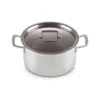
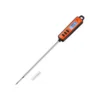
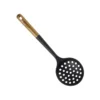
Instructions
1. Prepare the Camembert
- Take the Camembert out of the fridge 30 minutes before you start, it's much easier to work with when it's not fridge-cold. Carefully slice off the white rind from all sides (don't throw it away; it's edible, just not what you want here). Cut the cheese into rough cubes and put them in a large bowl.
2. Mix the filling
- Add the finely diced shallot, chives and parsley to the bowl. Season with a small pinch of salt and a good grinding of black pepper. Using a spatula, mash and fold everything together until you have a smooth, workable paste. If your Camembert is particularly ripe and runny, you might want to pop the bowl in the fridge for 10 minutes to firm things up a bit.
3. Shape the croquettes
- Using your hands, roll the mixture into small balls, roughly the size of a large walnut. You should get about 8–10 from one Camembert.
4. Set up your breading station
- Get three shallow bowls ready. Put the beaten eggs in one, and the breadcrumbs in the other. This is the classic French pané setup. Have a clean plate standing by for the coated croquettes.
5. Bread the croquettes (twice)
- Take each Camembert ball and roll it in the eggs first, then coat it generously in breadcrumbs. Here's the key: do it all again. Back into the egg, back into the breadcrumbs. This double coating is what gives you that properly crispy shell and stops the cheese from escaping during frying.
6. Fry until golden
- Heat your oil to 180°C in a heavy-bottomed pan or deep fryer. If you don't have a thermometer, drop a small cube of bread in, it should sizzle immediately and turn golden in about 30 seconds. Carefully lower 3–4 croquettes at a time into the hot oil (don't overcrowd the pan). Fry for 4–5 minutes, turning occasionally, until they're deep golden brown all over. Use a skimmed spoon to lift them out and drain on kitchen paper.
7. Serve immediately
- Croquettes de Camembert wait for no one. Serve them hot, scattered over a handful of fresh salad leaves. They don't need much else, perhaps a drizzle of honey if you want to be fancy. Cut one open and watch the cheese ooze out. That's the moment.
Notes
- Cheese choice: A proper raw milk Camembert de Normandie AOP will give you the best flavour. If you can’t find one, any good-quality Camembert will work. Avoid the rubbery supermarket basics if you can
- The double breading: Don’t skip this. Single coating means cheese explosion in your oil. Not in a good way.
- Make ahead: You can bread the croquettes de camembert and freeze them for up to a month. Fry straight from frozen, adding an extra minute or two to the cooking time.
- Air fryer option: Spray generously with oil and cook at 190°C for 6-8 minutes, turning halfway. Not quite the same as deep-fried, but still pretty good.
About this recipe
These Camembert bites bring together two things the French do brilliantly: great cheese and the technique of making it even better by frying it. The outside shatters. The inside runs. Three or four of these with a glass of cold white wine is one of the better ways to start an evening.
The history of croquettes
The technique of breading and frying soft cheese goes back further than you’d think. The earliest known croquette recipe dates to 1691, in the court of King Louis XIV. François Massialot’s 17th-century recipe binds meat, truffles, marrow, breadcrumbs, and cheese with egg, then breads and fries the lot. The croquette as a concept, something soft on the inside, shatteringly crisp on the outside, has been part of French cooking ever since.
The specific tradition of fried cheese, though, belongs largely to Central Europe. It likely originated in northern Italy before spreading through the Austro-Hungarian Empire. By the end of the 19th century, Viennese families were substituting triple-coated cheese for wiener schnitzel, same technique, cheaper ingredients. Fried cheese became pub food across the Czech Republic, Hungary, and Austria, and the method eventually found its way back into French kitchens in the form of these croquettes de Camembert.
The Camembert story
Camembert itself has a specific moment of national breakthrough. In 1863, Napoleon III stopped at Surdon during the inauguration of the Paris-Granville railway, and Victor Paynel, grandson of the legendary Marie Harel who first made the cheese, ensured the Emperor tasted his family’s product. Napoleon was charmed and started ordering it regularly for the Tuileries Palace. In 1890, the invention of the poplar wood box meant Camembert could finally travel without being crushed, and the rest is history.
The cheese that won over an emperor now gets breaded and fried as camembert croquettes at apéro time across France. There is something pleasing about that trajectory.
Why triple coating matters
The triple coating, flour, egg, breadcrumbs, is not optional for breaded camembert bites. A single coating of breadcrumbs is not thick enough to contain the cheese as it melts, and you end up with Camembert running into the oil rather than staying inside the crust. The triple coating builds a proper barrier: the flour dries the surface so the egg adheres, the egg binds the breadcrumbs, and the breadcrumbs form a crust thick enough to hold everything in place long enough to reach the plate.
Chill the coated Camembert cheese bites in the freezer for 15 to 20 minutes before frying. The cold slows the melting process and gives the crust time to set properly in the hot oil before the inside starts to move. Skip this step and the cheese runs before the outside has had time to colour.
The right bowl for coating
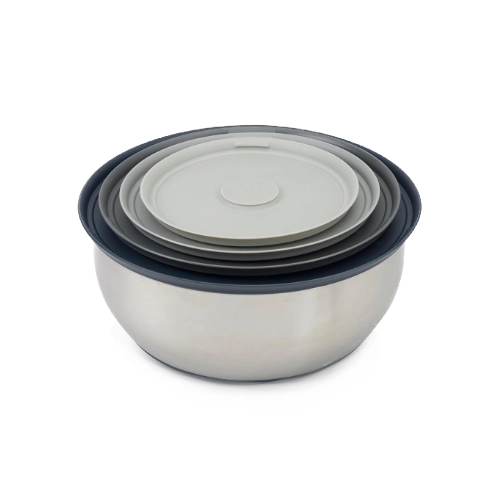
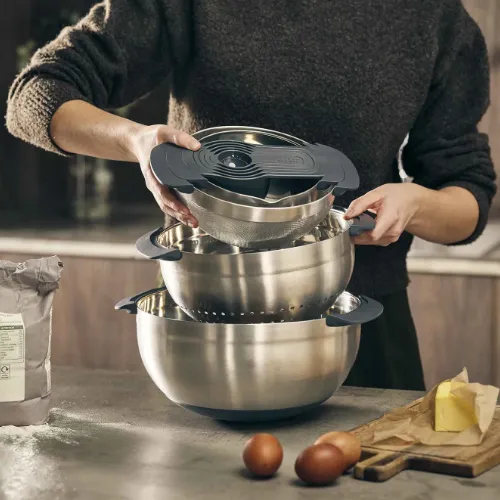
The coating process works best with a wide, shallow bowl that gives you enough room to turn the cheese pieces without the flour or breadcrumbs spilling over the sides. A bowl that is too small or too deep makes the process messy and results in uneven coating.
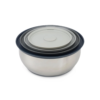
I use the Joseph Joseph mixing bowl for this. The non-slip base keeps the bowl stable while you’re working quickly through the flour, egg, and breadcrumb stages, and the size is right for coating without waste. For a recipe where the coating is the most important technical step, a stable, well-sized bowl makes the whole process cleaner and faster.
Serving Camembert bites
Serve immediately, straight from the oil, while the crust is at its crispiest and the inside is fully molten. They cool quickly and the cheese firms back up as it drops in temperature. A small pot of something sharp alongside, a good fruit chutney, a sharp mustard, or a simple cranberry sauce, cuts through the richness and gives you a contrast with the warm cheese.
Three or four Camembert croquettes per person as an apéro bite. More than that with a green salad and good bread makes a proper lunch. Either way, make more than you think you need. They disappear fast.
Share your feedback and spread the love!
If you try this recipe, I’d love to hear how it turns out! Leave a ★★★★★ rating and your thoughts in the comments, it helps fellow French foodies discover this recipe too. Snap a photo and tag me @obviously.french on Instagram if you’re sharing your bake or cooking online. Don’t forget to save this recipe to Pinterest so you’ll always have it handy for your next French-inspired meal!
Disclosure: Just so you know, this post contains sponsored content and/or affiliate links, If you make a purchase through these links, I may receive a small commission. Doesn’t cost you anything extra. I only link to things that are actually worth your time. All opinions are my own!