Châteauroux, a city that has it all
When we first moved to France, Châteauroux was the nearest ‘big’ city on our doorstep. Nestled in the heart of the Indre department in Centre-Val de Loire, it’s a place full of surprises. The city boasts lovely parks, handy shops, and a stunning forest right on its doorstep. With about 44,000 warm-hearted locals, Châteauroux doesn’t shout for attention like the more polished tourist hotspots and to be totally honest with you, it’s a bit rough around the edges. But if you can see past that, you can uncover a medieval castles, lively markets, and even a connection to a famous French actor. If you come with open eyes and an open mind, Châteauroux does rewards.
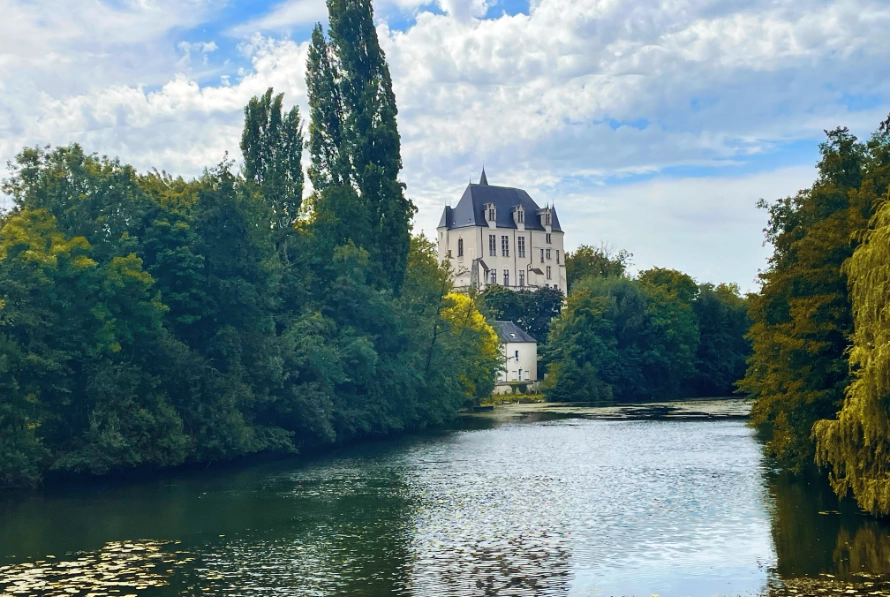
Château Raoul: the medieval heart of Châteauroux
The Château Raoul is a magnificent fortress that gave Châteauroux its name. Built in the 10th century, its imposing stone walls still tell tales of knights, sieges, and centuries of history. It blends architectural styles reflecting the many eras it has survived, from medieval fortification to Renaissance modifications. The château forms the backbone of Châteauroux’s old town.
Château Raoul is now privately owned by the Indre Department, so it’s not open year-round. But if you’re visiting during the summer or European Heritage Days, you’ve got a chance to join one of the guided tours. These special visits are organised by the local tourist office in partnership with the Indre Departmental Council. Their website will ask you to call Julie at +33 2 54 34 79 00, and Amélie will be delighted to lead groups of eight or more through this iconic medieval fortress. It’s definitely worth planning your trip around these dates if you want a peek inside.
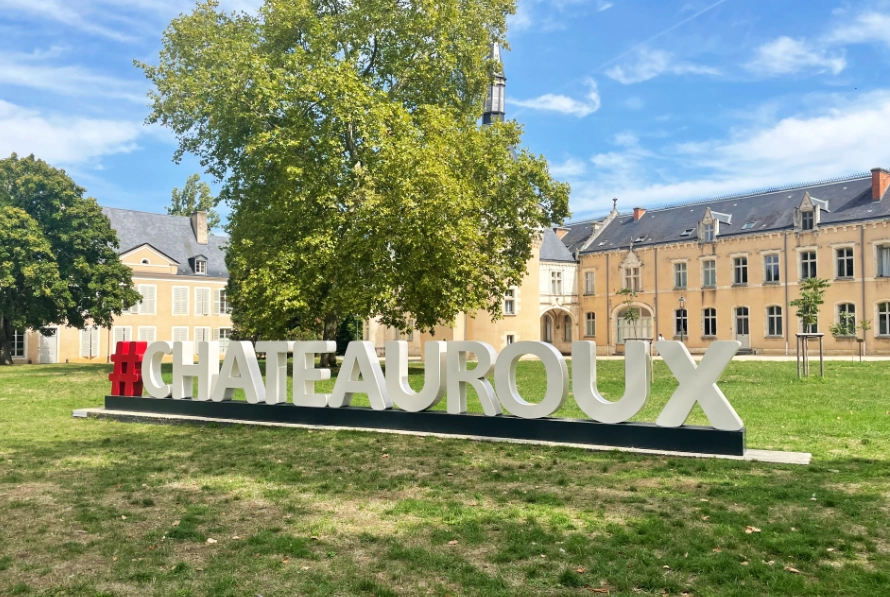
Parc Balsan and the Château Tour
Just across the bridge from Château Raoul lies Parc Balsan, which has its own little château known as Château Tour. When the last lord of Déols died without an heir, the lordship of Châteauroux was split between two branches of the family. One side took Château Raoul, the other, feeling a bit left out without a proper family home, decided to build their own castle just a short stroll away by the Indre River, as any French noble family would! Château Tour was built right in the heart of what later became Parc Balsan during the 19th century. This beautiful Renaissance-era tower still catches the eye of anyone strolling through the park.
Today, Parc Balsan offers a peaceful green space stretching along the Indre River. It’s perfect for a relaxing stroll, a picnic under the tall trees, or a playtime break for the kids. With its charming château tucked inside, it feels like a little storybook corner right in the middle of town.
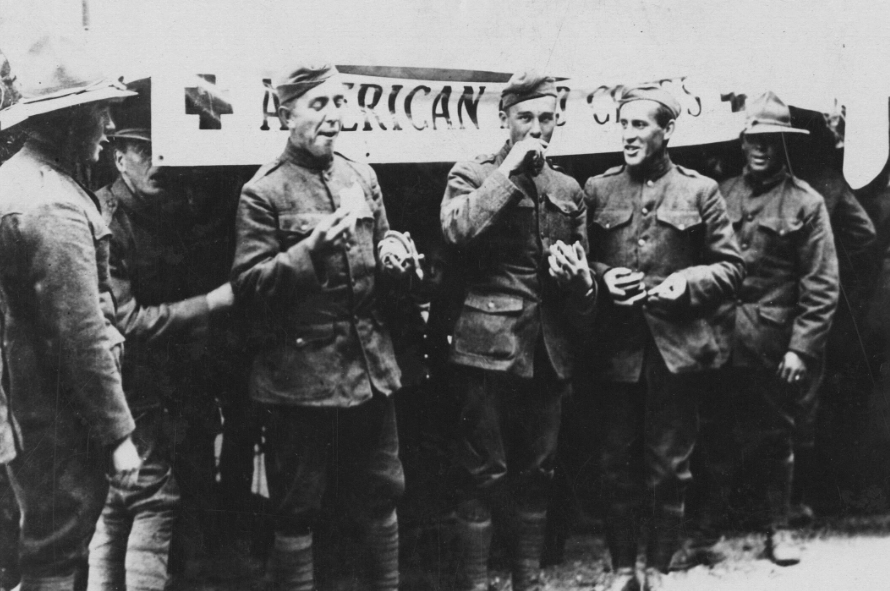
in the grounds of the old Chateau Raoul in Châteauroux
The Americans in Châteauroux
Châteauroux might seem like a quiet little town now, but it’s got a rich history with the Americans that stretches back over a hundred years. During the First World War, the town was actually home to one of the biggest aviation training schools in the world. From around 1915, thousands of American pilots came here to learn how to fly before heading off to fight in Europe. It was a busy place full of young cadets finding their wings, and it put Châteauroux firmly on the map as part of the war effort.
Jump ahead a few decades, and the Americans were back, this time with a proper military base in the 1950s during the Cold War. The Châteauroux-Déols Air Base became one of their biggest hubs in Europe. Thousands of troops and their families made the town their home for a while, bringing with them their own touch of Americana baseball games, barbecues, and even drive-in movies. The local people still remember those days fondly, and the mix of cultures added a bit of quirkiness to the town.
Though the base closed down in the early 90s, its footprint is still there. Older locals like to share stories about the “Yanks” they used to see around town, a reminder of the surprising and lasting friendship between Châteauroux and the United States.
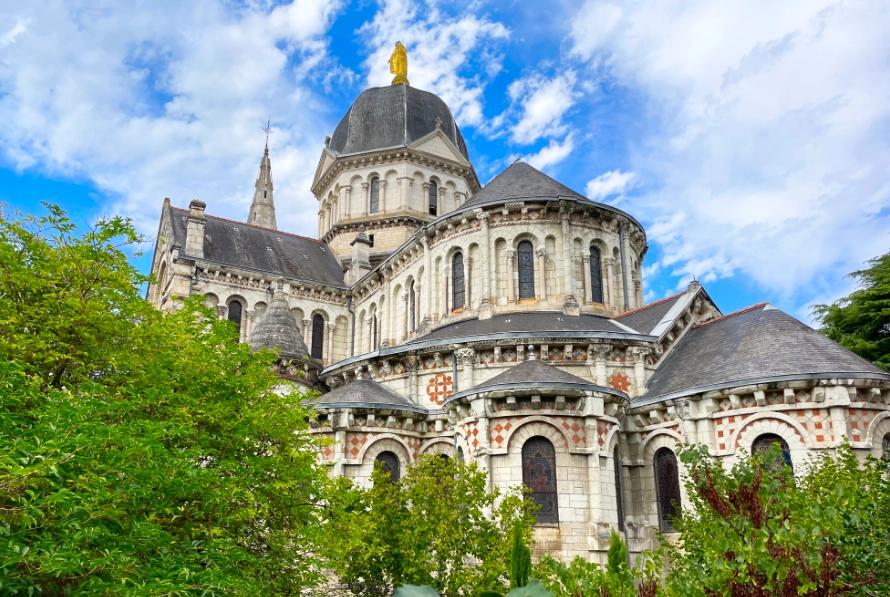
Church of Notre-Dame
Just a short walk from the château you will find the Church of Notre-Dame, instantly recognisable by its copper statue of the Virgin Mary that crowns the building, gleaming in the sunlight (similar to the “Bonne Dame of Argenton-sur-Creuse). This church combines religious loyalty with artistic beauty. Its steep towers and detailed facade make it a standout landmark.
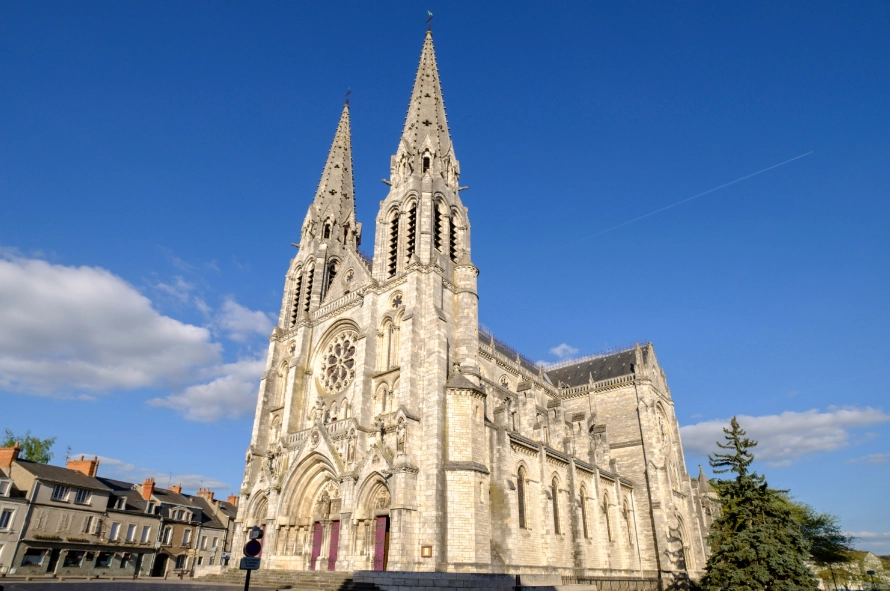
Church of Saint-André: neo-gothic beauty
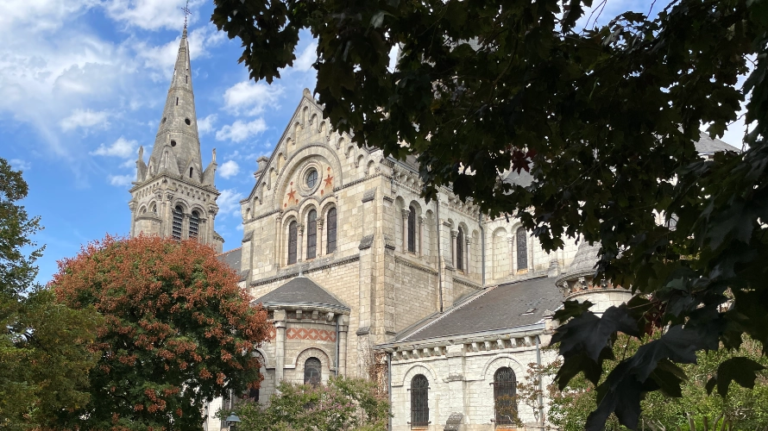
A little further stands the Church of Saint-André, a refined example of Neo-Gothic architecture. Its tall, graceful spires and beautifully detailed stained glass windows create a serene space often admired by visitors and locals alike. The church’s interior, with delicate stone carvings and peaceful chapels, invites moments of quiet reflection in the middle of Châteauroux’s bustling centre.
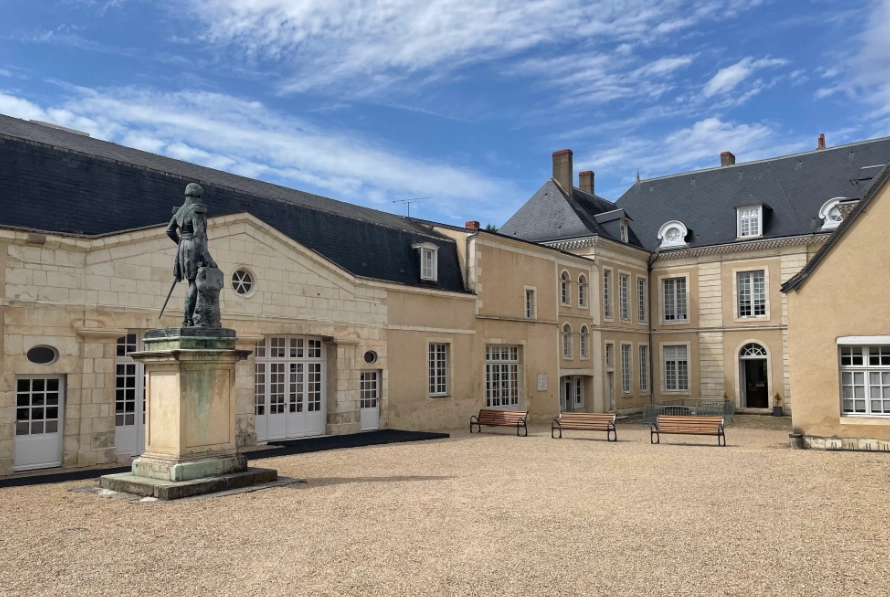
Musée Bertrand: a journey through art and history
The Musée Bertrand is an absolute must-see, and here’s a bonus: admission is completely free! My art-loving friend Cathy invited me there once for an exhibition on Jean-Jacques Henner, and I was genuinely blown away. The museum itself is set in a beautifully kept 18th-century mansion named after General Henri-Gatien Bertrand, Napoleon’s loyal right-hand man and trusted aide who walked beside him even during his final exile.
Inside, you’ll find a fascinating mix of treasures from across time and continents. There’s a collection of Egyptian antiquities, including a real mummy alongside Dutch and Flemish paintings which almost don’t seem to belong there.
One of my favorite piece there is the birdcage made for Napoleon while he was held prisoner on Saint Helena, the remote island in the South Atlantic where he spent his final years. This grand, ornate cage was crafted with exquisite detail and served as a symbol of his captivity and enduring spirit. The story behind it is fascinating: built by fellow prisoners, it encapsulates a hint of humanity and creativity in one of history’s loneliest places.
With exhibitions that change regularly alongside its permanent collections, the museum always has something new to discover, make sure to put it on your list!
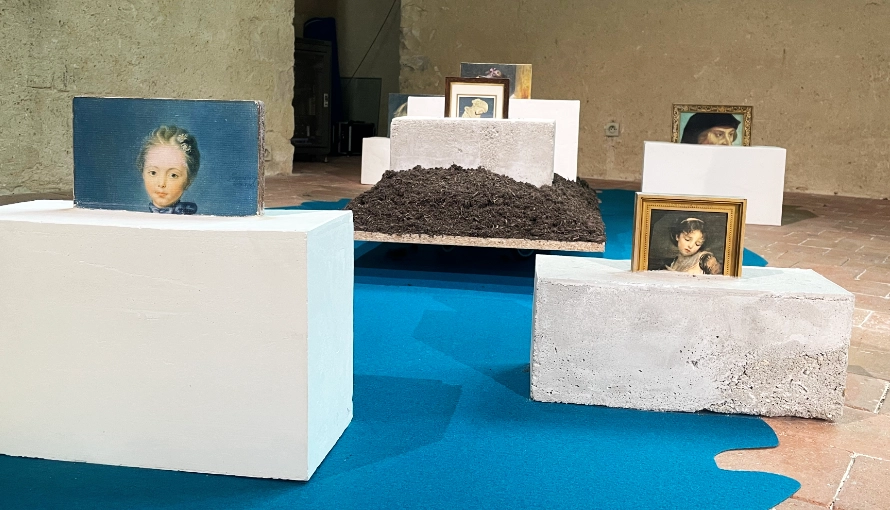
Couvent des Cordeliers cloister
Only 5 minutes away from the Bertand museum, you’ll find the Couvent des Cordeliers. A mix of old and new. Originally a 13th-century Franciscan convent, it now hosts exhibitions of modern art. Walking those ancient stone halls while looking at contemporary creations is a delightful surprise and shows the city’s creative side.
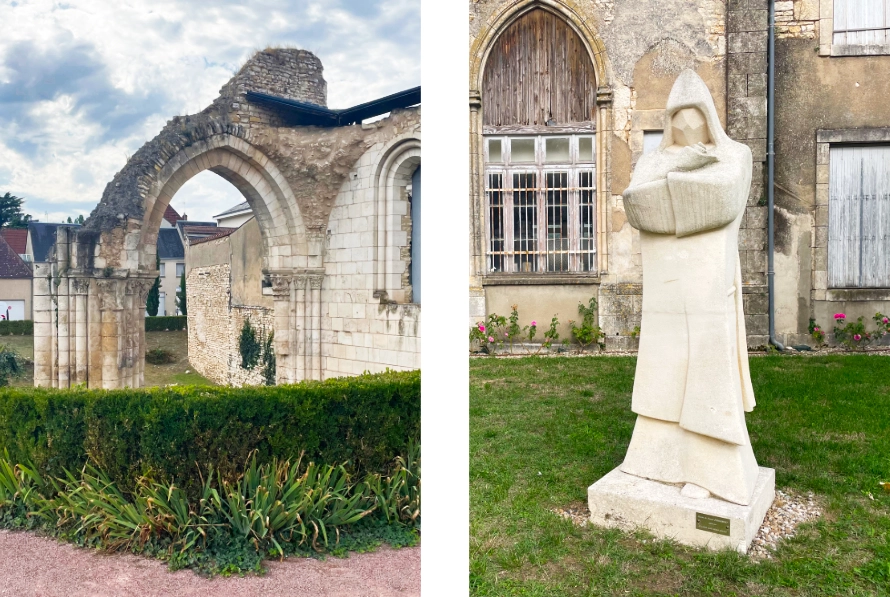
Abbaye de Déols
Just a short drive from Châteauroux, you’ll find the Abbey of Déols which was built way back in 917 and once home to around 200 monks. This Benedictine abbey was a big deal in medieval France, one of the most powerful in the kingdom. Sadly, it took a beating during the Wars of Religion and later got secularised by the Prince of Condé in 1627, so there isn’t exactly a full abbey standing today. But if you fancy a trip back in time, it’s well worth a visit. They’ve created a great 3D video that brings the abbey back to life in a way that’s both immersive and easy to understand, it really shows off how stunning the place must have been. Nowadays, the abbey hosts events that fill these ancient stones with music and culture.
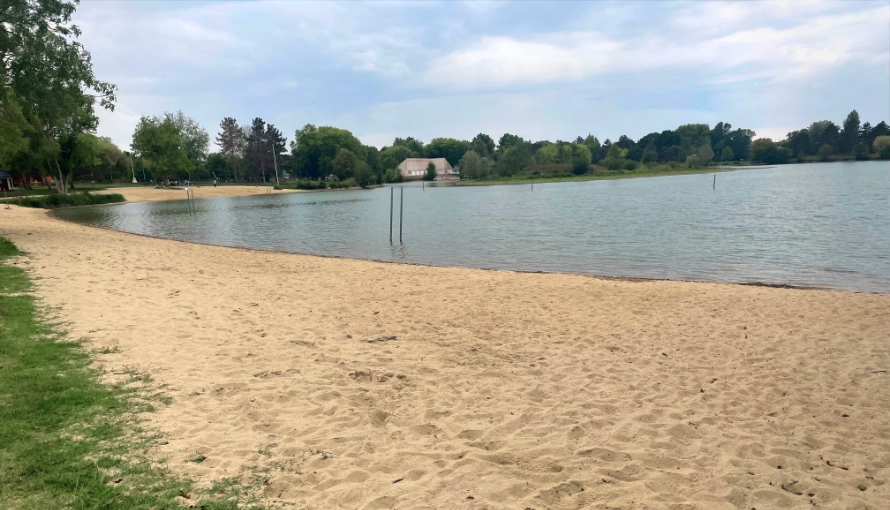
Plage de Belle-Isle: a lakeside city escape
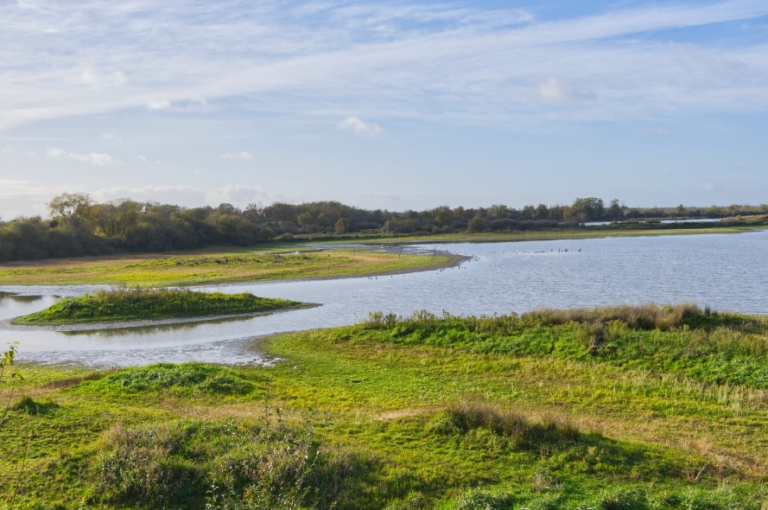
You might not expect to stumble upon a lake with a humble little sandy beach right in the middle of a city, but Plage de Belle-Isle happily proves you wrong. The park surrounding the lake is huge, and has plenty of fun to offer. There’s even a “guinguette” here, which is lively restaurant café where one can come to show off their dance moves. My 96-year-old neighbour back in France used to rave about guinguettes and the bals musette she loved to dance at. Turns out, the older generation still know how to swing at the Guinguette de Belle-Isle!
Come summer, you’ll have plenty to do here: canoeing, windsurfing, pedal boats for two or four, stand-up paddleboarding, swimming, and sailing gear rentals to explore the lake. We even spotted ducks who’ve clearly mastered the art of waiting for the visitor’s bread, and some clever geese behind the restaurant, waiting patiently for any salad scraps! It’s a brilliant way to soak up some sun and local spirit without ever leaving town.
Markets and local flavours
No visit is complete without visiting the Saturday market in Place de la République. Here, stalls burst with fresh fruit and veg, lovely cheeses, and all kinds of tempting baked treats. We haven’t tried it yet as we’re vegetarians, but it is said that you have to try pâté berrichon, a local meatloaf that’s proper comfort food. And to sweeten things up, try a slice of tarte aux barriaux, a prune tart everyone raves about and for good reasons! These markets are the real heartbeat of local life, friendly, lively, and delicious.
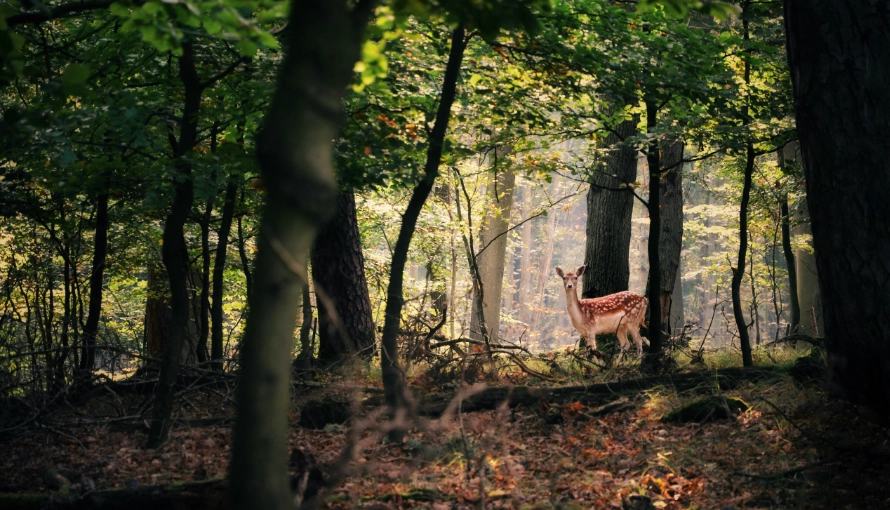
The beautiful forest of Châteauroux:
If you fancy escaping the bustle of town for a breath of fresh air, Châteauroux’s surrounding forests offer a peaceful retreat like no other. We love heading there to clear our minds and enjoy nature at its finest. Our favourite spot to park is right here, just under Le Poinçonnet, where we grab our small backpack with water and a snack from the car, before disappearing into the woods. The Forest of Châteauroux welcomes walkers, joggers, and nature lovers alike to explore its towering trees, listen to birdsong, and wander along hidden trails.
Whether you’re in the mood for a gentle walk or a more energetic hike, the forest has plenty of picnic spots and quiet corners perfect for stretching out with a good book or basking in the sunshine. It’s the perfect way to reconnect with nature without travelling far from the city.
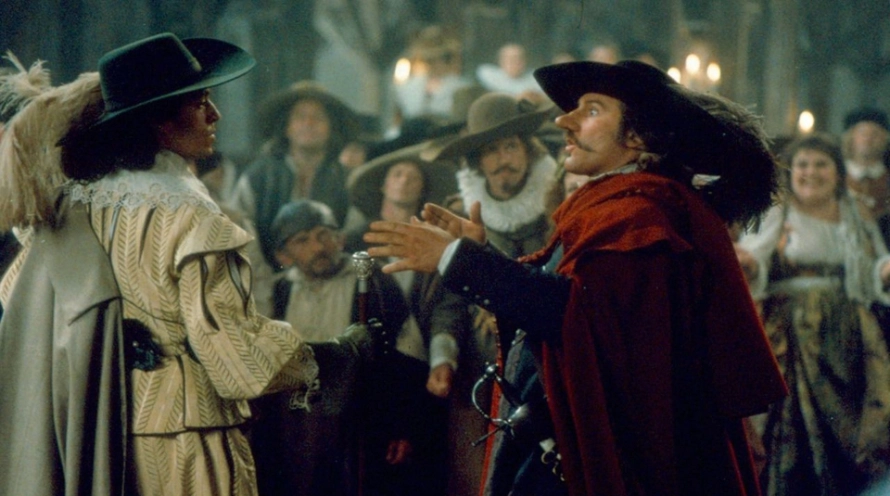
The local celebrity: Gérard Depardieu
And here’s an extra fun fact: Châteauroux is the hometown of Gérard Depardieu, one of France’s biggest acting legends. Born in 1948, he grew up here before shooting to fame with classic films like ‘Cyrano de Bergerac’ (an absolute must see if you master the French language) and ‘Green Card.’ Walking the same streets he once did gives a neat little extra to your visit, connecting you to a French story of humble beginnings and great success.
What to see and do in Châteauroux
- Church of Saint-André
Elegant Neo-Gothic Church with soaring spires and beautiful stained glass. Step inside to appreciate the peaceful interior and detailed stone carvings. - Church of Notre-Dame
Spot the gleaming copper statue of the Virgin Mary atop Church of Notre-Dame’s before heading inside to discover stunning stained glass and delicate frescoes. - Musée Bertrand
Visit this free museum housed in an elegant 18th-century mansion named after General Henri-Gatien Bertrand, Napoleon’s loyal aide. - Abbaye de Déols
The Abbey of Déols offers a peaceful escape in striking Romanesque surroundings. - Parc Balsan
Relax in this expansive green space along the Indre River. With a charming château, leafy picnic spots, and playgrounds, it’s perfect for families or anyone wanting a peaceful break. - Plage de Belle-Isle
Enjoy lakeside charms at this small urban beach. Nearby cafés make it perfect for a summer splash or quiet afternoon by the water. - Couvent des Cordeliers
Explore the striking 13th-century Franciscan convent, now a contemporary art venue. - Châteauroux’s forests
The nearby Forest of Châteauroux has towering trees and beautiful birdsongs. Pack a snack and enjoy picnic spots or quiet corners to unwind close to the city. - Markets and local tastes
Saturday’s market at Place de la République bursts with fresh produce, regional cheeses, and delicious treats.
Practical information for visitors
- Getting there
Châteauroux is around a 2.5-hour train journey from Paris, making it a convenient weekend getaway or stop on a Loire Valley tour. - When to visit
The best time to visit is from May to September when the weather is warm and outdoor attractions like parks and the lakeside beach are at their best. Spring brings fresh blooms, summer is perfect for festivals and markets, and autumn offers colourful forests and fewer crowds. Winters are quieter with some sites closed or on reduced hours. - Accommodation
Le Colbert hotel offers comfortable, central accommodation with easy access to all major sights.