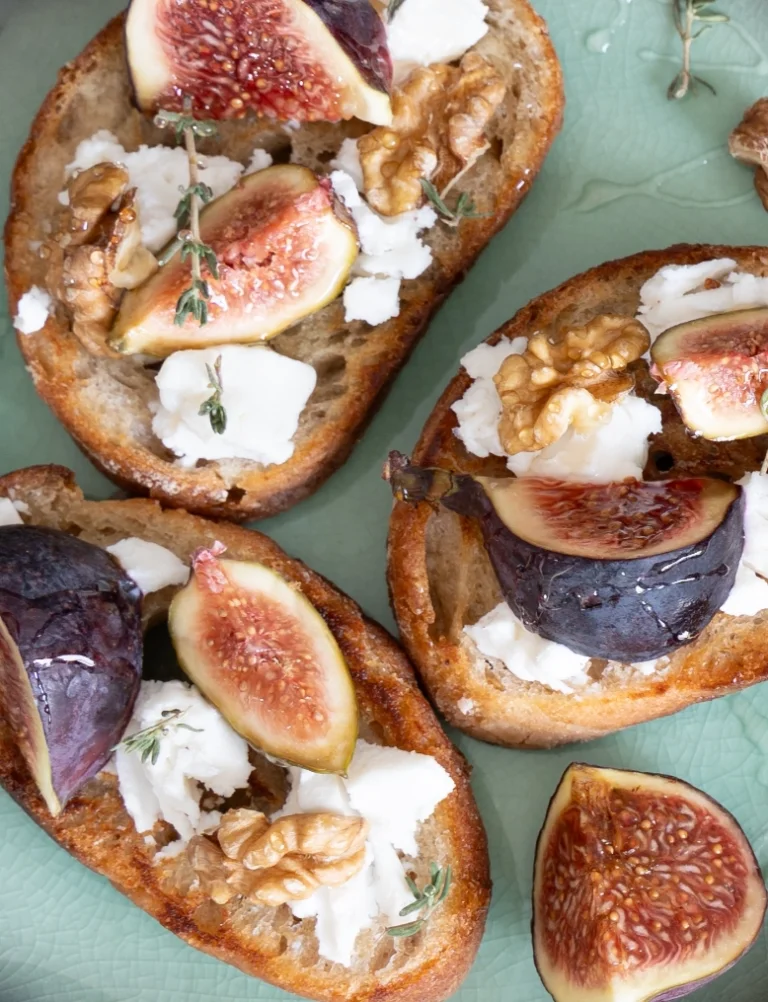
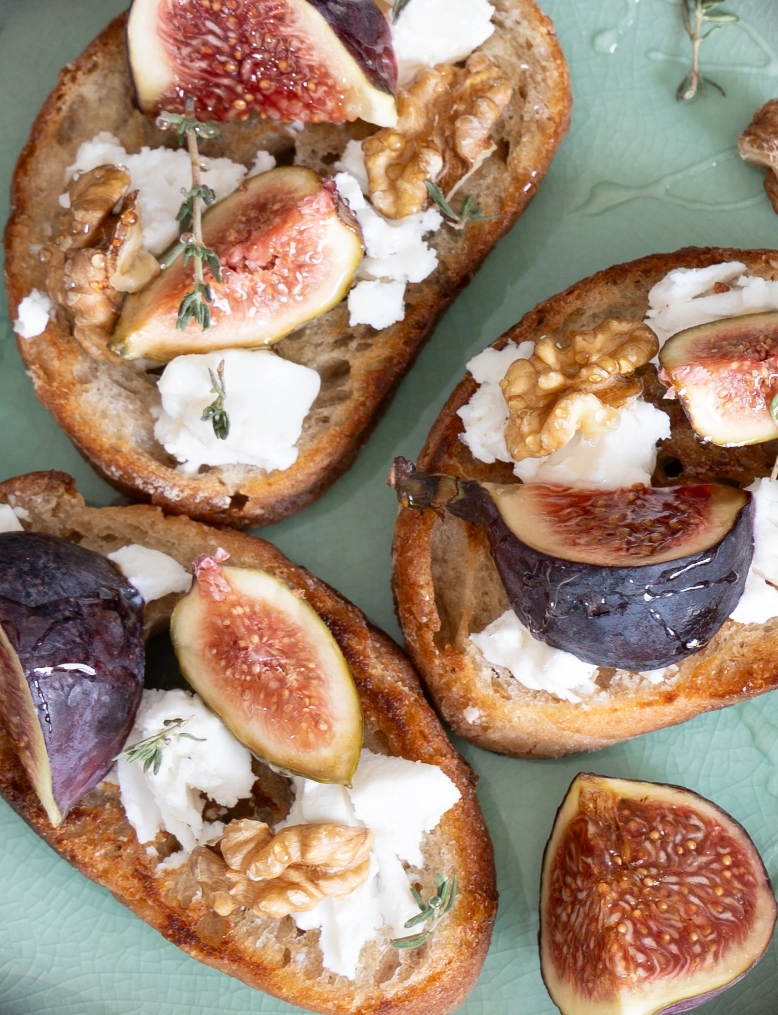
Fig & Goat Cheese Toasts
 Prep Time 10 minutes
  Cook Time 7 minutes
  Total Time 17 minutes
  Servings 4
Ingredients
Equipment
Instructions
1. Toast the bread
- Preheat your oven grill or set your grill to high. Arrange the slices of bread on a baking tray, drizzle lightly with olive oil, and grill for 2–3 minutes on each side until golden and slightly crisp.
2. Assemble the toasts
- Spread each slice generously with goat’s cheese while the bread is still warm. Top with slices or pieces of fresh fig, then scatter over the walnuts.
3. Finish and serve
- Drizzle a little honey over each toast. Season with a touch of salt and pepper, and if you like, sprinkle with fresh thyme leaves. Serve immediately while everything is still just slightly warm.
Notes
- Swap in toasted pecans or almonds if you don’t have walnuts. For extra indulgence, drizzle with a little balsamic glaze as well as honey.
About this recipe
Fig and goat cheese is one of those combinations that makes complete sense the first time you try it and feels obvious ever after. Sweet, soft fruit against tangy, creamy cheese. Warm toast underneath. It takes about ten minutes to put together and tastes like you made considerably more effort than that.
I first understood this combination properly when we lived in Nice. On walks in the mountains nearby, there were fig trees everywhere, enormous ones with fruit falling to the ground in late summer. My brother and I would pick them up and eat them on the spot, still warm from the sun. Figs straight from the tree are something different entirely from the ones you find in shops. Softer, sweeter, and with a floral depth that disappears quickly once they’re picked and stored. Seeing the first figs in the market in late summer still feels like a signal that the best part of the season has arrived.
Figs in French cooking
Figs have been cultivated for thousands of years and were considered precious enough that the Romans used them as offerings to their gods. In France, they grow throughout the south, particularly in Provence and Languedoc where the climate suits them. The fig season is short, running from late August through October depending on the variety and the year, which makes the fig and cheese combination a genuinely seasonal dish rather than something you make year-round.
French markets in late summer pile their stalls with figs in different varieties. The Bourjasotte noire, dark purple and intensely sweet. The Dottato, yellow-green and milder. The Violette de Bordeaux, small and rich. Each one slightly different, all of them good with goat cheese.
The fig and goat cheese pairing
This is classic Provençal logic. Take what the region produces in abundance, put it together simply, and let the quality of the ingredients do the work. Goat cheese has been made across southern France for centuries, and the tang of a good chèvre against the sweetness of a ripe fig is one of those combinations that needs no improvement.
For this fig goat cheese snack, the cheese melts slightly on warm toast, softening at the edges whilst keeping its shape in the centre. The fig sits on top, cut to expose the interior, and the heat of the toast and cheese warms it just enough to intensify the sweetness without cooking it. A drizzle of honey, a little fresh thyme if you have it, and the fig cheese combination is complete.
The toast matters too. Good bread, properly toasted, gives you a base that holds up to the weight of the toppings without going soft. A sourdough or a good country loaf sliced thickly works better than anything pre-sliced. The crust should be firm and the interior still slightly chewy.
Cutting the bread properly
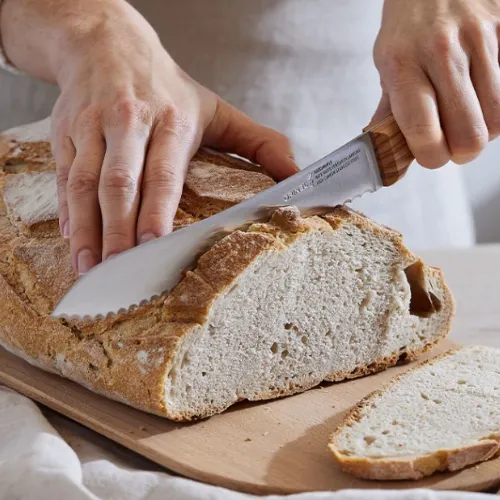
For a fig and cheese toast worth eating, the bread needs to be cut at the right thickness. Too thin and it goes brittle under the toppings. Too thick and the bread dominates. Around 1.5 to 2cm is the right slice for this kind of tartine.
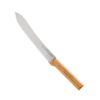
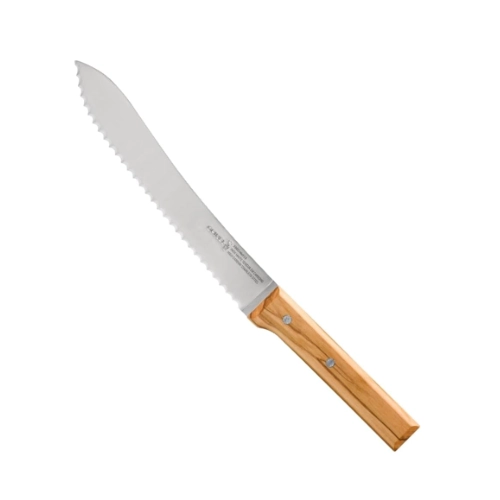
A good bread knife makes that cut clean and consistent. I use the Opinel bread knife for this. The serrated blade cuts through a crusty loaf without compressing the crumb or tearing the crust, which matters when you want clean, even slices. Opinel knives are made in the Savoie region of France and have been part of French kitchen culture for generations. For a recipe this simple, having the right knife is genuinely part of getting it right.
Serving it
In France, these tartines work as a starter, a light lunch, a chic apéro snack, or a casual picnic. They travel well once assembled, hold together at room temperature, and look considerably more elegant than the effort involved. Serve two per person as a starter with dressed leaves alongside. Three or four pieces per person as a light lunch. One piece each at apéro time alongside other things.
The fig goat cheese snack is at its best in late summer when the figs are at their ripest. Make it then, make it often, and make more than you think you’ll need.
Share your feedback and spread the love!
If you try this recipe, I’d love to hear how it turns out! Leave a ★★★★★ rating and your thoughts in the comments, it helps fellow French foodies discover this recipe too. Snap a photo and tag me @obviously.french on Instagram if you’re sharing your bake or cooking online. Don’t forget to save this recipe to Pinterest so you’ll always have it handy for your next French-inspired meal!
Disclosure: Just so you know, this post contains sponsored content and/or affiliate links, If you make a purchase through these links, I may receive a small commission. Doesn’t cost you anything extra. I only link to things that are actually worth your time. All opinions are my own!