A charming little town
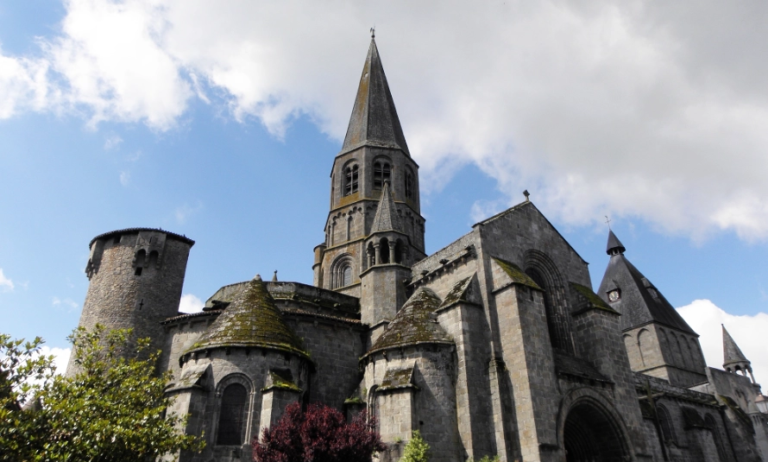
If you’re looking for a taste of real French village life, Le Dorat is a wonderful place to visit. It’s small, just about 1,500 people live there, but it’s packed with charm and history. Back in the day, it was the capital of a medieval province called Basse-Marche. Its name comes from the golden angel statue perched atop the tower of the Collegiate Church of Saint-Pierre, a landmark that stands out.
The golden angel of Le Dorat
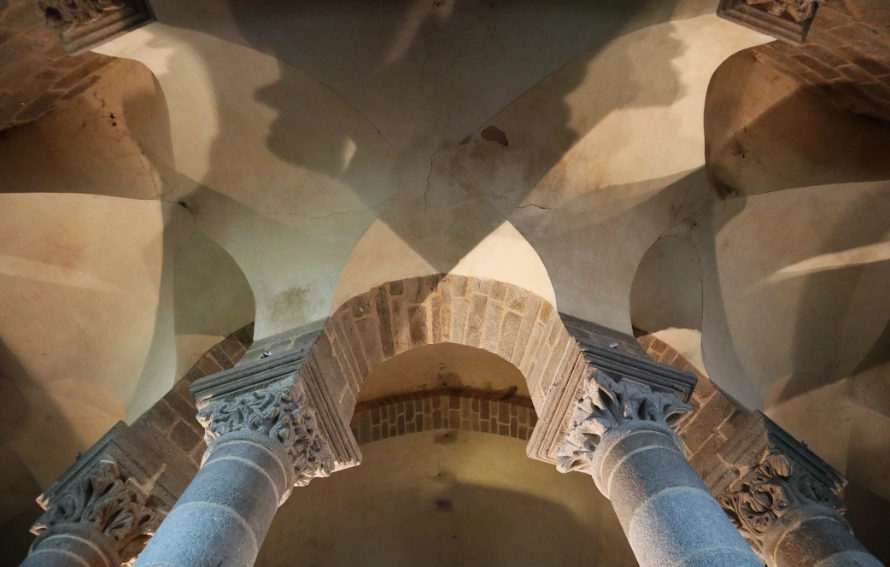
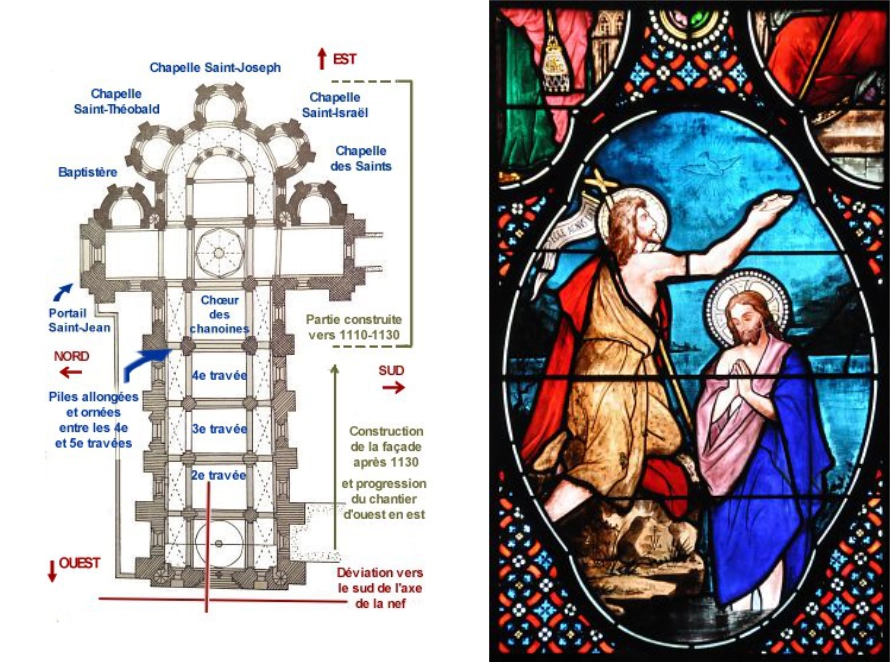
The Collegiate Church of Saint-Pierre perfectly captures the town’s spirit. Built in the 12th and 13th centuries, it showcases classic Romanesque architecture made of local grey granite. The the church’s architecture is heavily inspired by regional giants like the Abbey of Saint-Martial in Limoges and Saint-Junien’s collegiate church. It features a cross-shaped floor plan, with chapels fanning out behind the altar. Its octagonal bell tower holds the town’s mascot, the golden angel.
This statue has watched over Le Dorat for more than 800 years. It measures 1.30 meters high and rests on a 36-centimeter ball atop the spire. While visible from afar, the angel is unreachable up close. Inside the church, visitors find a grand choir, a beautiful altar, and a crypt holding relics of local saints Israel and Théobald. These relics are central to the Ostensions festival, held every seven years. Another highlight is the ornate organ by Aristide Cavaillé-Coll, a famous 19th-century French organ maker.
One more treasure inside is the ornate organ built by Aristide Cavaillé-Coll, a renowned 19th-century French organ maker. It’s considered a historic monument in its own right.

UNESCO-recognised Ostensions
Every seven years, Le Dorat bursts into celebration with the Ostensions Limousines. This is no ordinary festival: UNESCO has recognized it as Intangible Cultural Heritage. It’s a colorful, heartfelt procession that drapes the whole town in banners, music, and history.
The relics of saints Israel and Théobald travel through town, carried by members of two local brotherhoods dressed in traditional costumes. The event lasts from Easter Monday to Pentecost Monday, drawing both devout locals and curious visitors. Celebrations include fanfares, historical reenactments, and a strong sense of community that makes you feel part of something truly special.
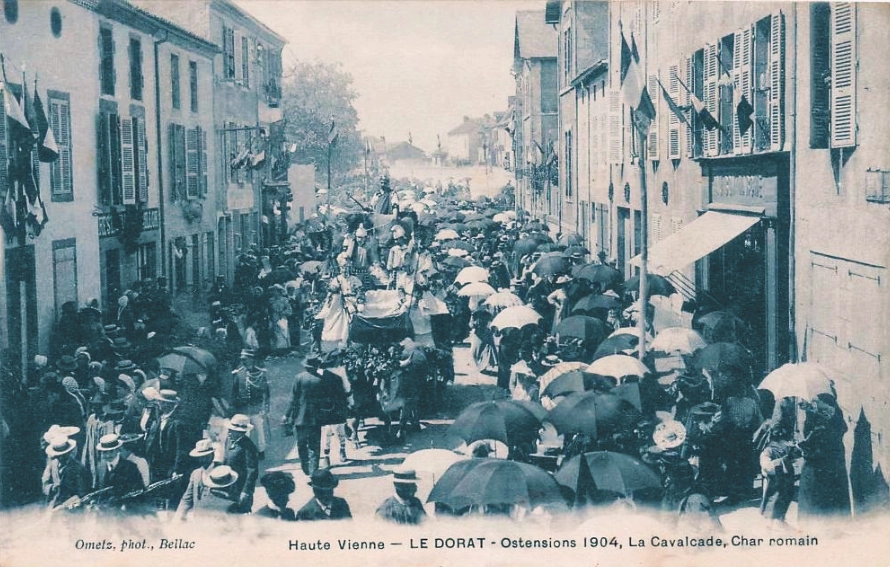
The event spans from Easter Monday all the way to Pentecost Monday, with ceremonies that draw huge crowds, both devout and curious, locals and visitors alike. The festive atmosphere is heightened by fanfares, historical reenactments, and a community spirit that transcends religious lines, with everyone pitching in to maintain this centuries-old tradition.
If you want to catch this unique event, make a note: the last Ostensions took place in 2023, so you’ll need to pencil in 2030 on your travel calendar!
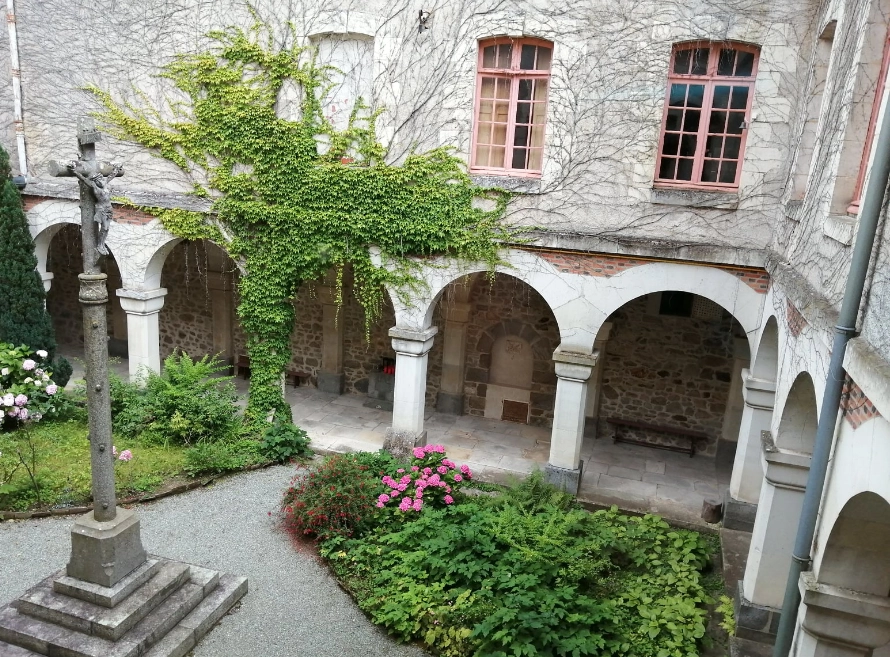
The cloister of the ancien Carmel
In the heart of Le Dorat, you can find the cloister of the ancien Carmel. It used to be home to Carmelite monks. Today, this tranquil courtyard offers stone arches worn smooth by centuries. Occasionally, the cloister hosts cultural evenings and concerts.
While it’s not open daily for independent visits, you can see it on guided tours. These tours often include the cloister, the church, the Porte Bergère, and other historical sites.
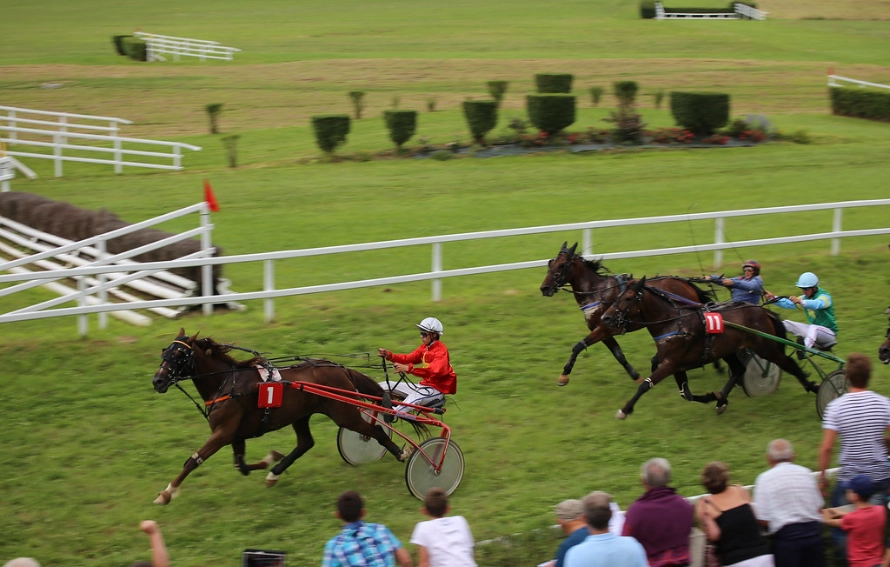
Hippodrome of Dorat
What’s a French town without a bit of horse racing? Le Dorat’s Hippodrome de la Sagne hosts three exciting race meetings every year. The venue has three grass tracks (each about 1,420 metres long): a trot track where horses follow a strict gait, a flat track for fast galloping, and an obstacle course with fences and ditches.
The race days are run by the Société des courses du Centre, with a great atmosphere for visitors, including a covered stand, a restaurant for refuelling, and plenty of spots to enjoy a casual drink while watching the action. Best of all for visitors, parking is free, always a bonus.
On the practical side, the CREDO of Le Dorat is a respected equine reproduction centre covering four hectares, with paddocks and facilities for artificial insemination, embryo transfer, foaling, and health checks. For those serious about horse breeding or training, it’s a hub of expertise with professional vets and techs on hand, plus training sessions for owners and breeders.
So, whether it’s the thrill of the races or the quieter side of horse care, Le Dorat’s equestrian world offers something genuinely special, a slice of rural French life that’s lively, welcoming, and just a bit different.
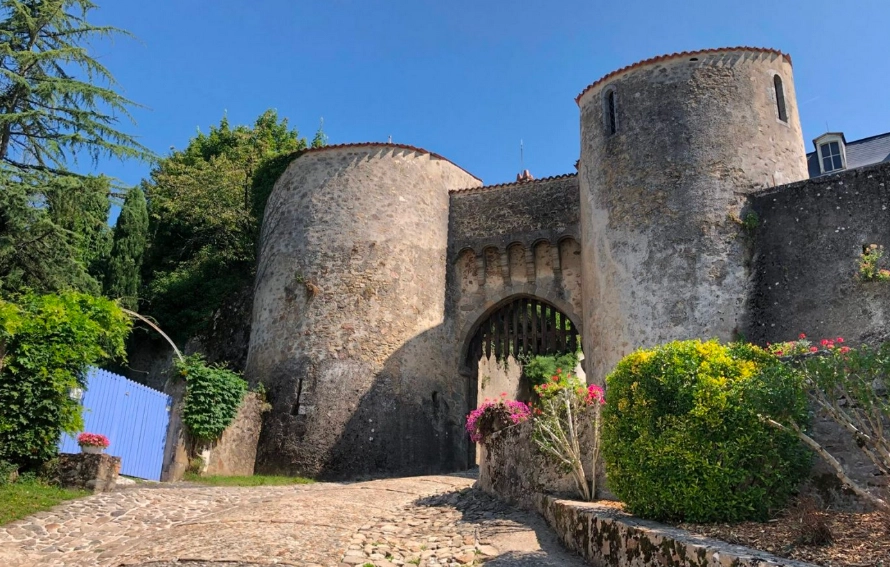
La Porte Bergère
This medieval gateway, La Porte Bergère, is the only fortified town gate left standing in the whole Haute-Vienne department. It dates back to the late 15th century and is a true piece of history.
The name “Bergère” likely comes from shepherdesses who led their flocks through this gate. It sits on the west side of the old ramparts, perched on the steepest part of the hillside. This location made it a natural defensive stronghold.
Architecturally, La Porte Bergère is a fine example of its era. Built between 1485 and 1539, it features typical late medieval elements like five machicolations, those stone projections used by defenders to pour unpleasant surprises on enemies below. The gate itself is flanked by two semi-circular towers, once packed with arrow slits and gun ports to protect the town.
Though the town’s defensive walls have mostly disappeared, it’s been carefully restored and classed as a Historic Monument since 1984, so you can still admire its robust granite walls and decorative arches up close.
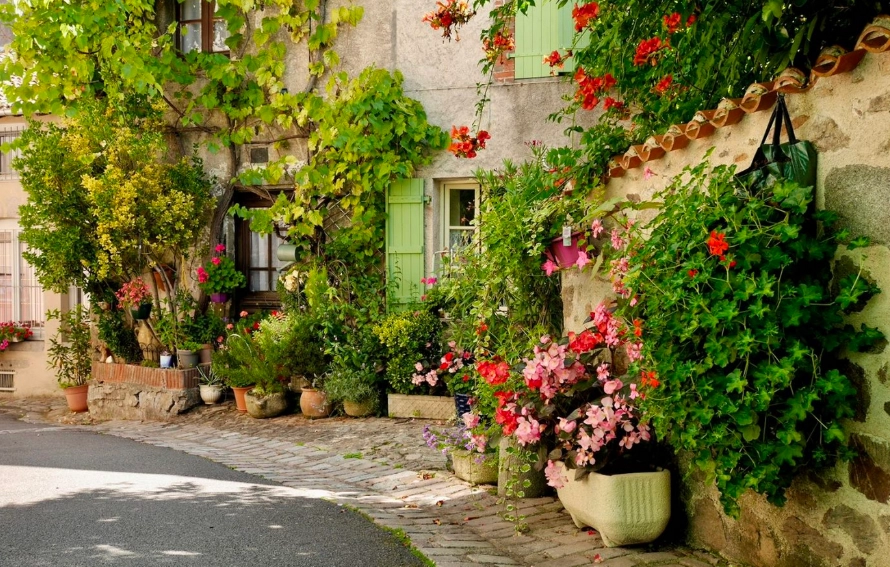
Maison du Patrimoine
If you want to delve deeper into Le Dorat’s story, the Maison du Patrimoine is a perfect stop. This small heritage museum may be compact, but it offers plenty of local charm and history that helps you understand what makes this town tick.
Inside, curated exhibits showcase artefacts, old photographs, and documents that paint vivid pictures of life in Le Dorat through the centuries. From medieval times to today, the museum tells tales of the town’s evolution, its people, crafts, and traditions.
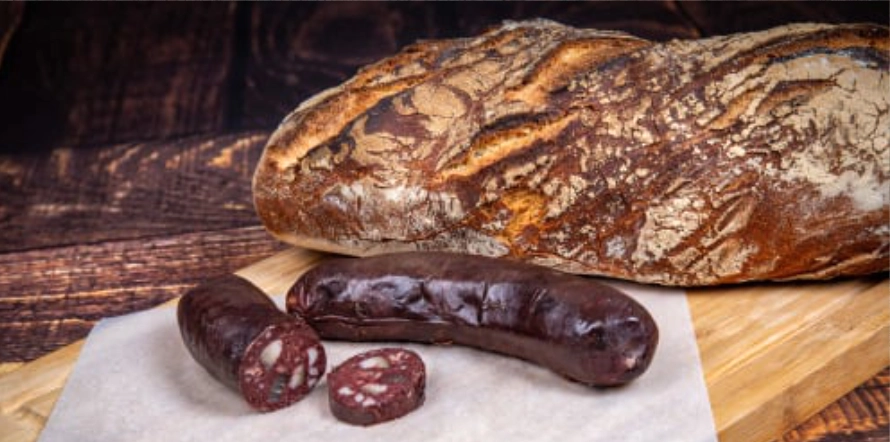
Black pudding with chestnuts
A local favourite around Le Dorat is “boudin noir aux châtaignes” which is black pudding with chestnuts. The chestnuts add subtle sweetness and a smooth texture to this rich, earthy sausage.
Black pudding has ancient roots and was a staple dish where no part of the pig was wasted. Chestnuts, often called “bread of the poor,” were widely used in Limousin, especially during long winters.
Traditionally, black pudding with chestnuts is made from fresh pork blood, fat, onions, and about 5-20% finely chopped or pureed chestnuts. It’s often grilled gently and served warm, sometimes alongside sautéed apples or caramelised onions, which bring out its nuanced flavours. Of course, it also works cold as a delicious spread on crusty country bread, perfect for an authentic picnic in the Limousin countryside.
What to see and do in Le Dorat
- Visit the Collegiate Church of Saint-Pierre
Explore this magnificent 12th-century Romanesque church, famous for its golden angel. - Walk through the Porte Bergère
Stroll under the last standing fortified town gate, complete with towers and medieval machicolations, and soak up centuries of local history as you enter Le Dorat’s oldest quarter. - Discover local history at Maison du Patrimoine
Step inside for a quick but insightful look at Le Dorat’s past—artefacts, stories, and old photographs bring the town’s history to life in this small yet charming museum. - Tour the town’s medieval streets
Wander timber-framed houses along Rue Saint-Michel and Grand Rue, ideal for anyone who loves snapping photos of rustic details and atmospheric lanes. - Experience the hippodrome
Try a day at the races on the Hippodrome de la Sagne’s grassy tracks or visit during the annual horse show in August to enjoy vibrant displays of local equestrian skill. - Visit the local market (Wednesdays)
Rub shoulders with locals while browsing stalls piled high with fresh veg, cheeses, charcuterie, honey, and more. The perfect place to taste the flavours of the town. - Walk countryside trails
Set off on well-marked routes like the “Seven Bell Towers Trail”, expect sweeping views, oak stands, and a real breath of clean Limousin air.
Practical information for visitors
- Getting there
Le Dorat is easy to reach by car, sitting on the D675 between Limoges and Bellac. There are regular regional train services to Le Dorat station from Limoges (about a 50-minute ride), and the station is within walking distance of the town centre. Parking is free and straightforward around the main square and streets, and the town is compact and walkable, no need to stress over public transport once you arrive. - When to visit
Le Dorat is enjoyable all year round, but spring and autumn are especially lovely, with mild temperatures and green countryside. The summer sees more visitors, especially during local events like the horse festival and the busy weekly markets. For a quieter experience, visit midweek or outside of peak holiday periods, late afternoon light also makes the historic architecture especially beautiful. - Accommodation
You’ll find a good mix of hotels, B&Bs, and countryside gîtes. Book early for festivals and holidays. Countryside guesthouses offer peace and quiet just outside town.