Pommes Dauphines
 Prep Time 25 minutes
  Cook Time 30 minutes
  Total Time 55 minutes
  Servings 4
Ingredients
For the mashed potato
- 500 gr floury potatoes
- 30 gr unsalted butter
- salt and black pepper
For the choux pastry
- 125 ml water
- 50 gr unsalted butter
- 75 gr plain flour
- 2 egg
- 1 pinch salt
For frying
- 1,5 l rapeseed oil or vegetable oil or sunflower oil
Equipment

Instructions
1. Cook the potatoes
- Peel the potatoes and cut them into even chunks, about 4cm pieces. Put them in a large saucepan of cold, salted water. Bring to the boil, then simmer for 15-20 minutes until they're completely tender and falling apart when you prod them with a knife. Drain them well, then put them back in the hot pan for a minute to dry out properly. This step matters, any water left in the potatoes will make the mixture too wet.
2. Mash the potatoes
- Mash the potatoes really well until there are absolutely no lumps. Add the butter whilst they're still hot, along with a good pinch of salt and pepper. Mix it all in and set aside to cool slightly whilst you make the choux pastry. The potatoes should be warm but not boiling hot when you combine them with the choux.
3. Make the choux pastry
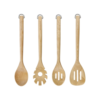
- Put the water, butter, and a pinch of salt in a medium saucepan over medium heat. Bring it to a proper boil, you want the butter completely melted. Take the pan off the heat and tip in all the flour at once. Beat it hard with a wooden spoon until it comes together into a smooth ball of dough. Put the pan back on low heat and keep beating for about 2 minutes, this cooks out the raw flour taste and dries the dough out a bit. You'll know it's ready when the dough stops sticking to the sides of the pan.
4. Add the eggs to the choux
- Take the pan off the heat and let it cool for a minute. Beat in the eggs one at a time, mixing really well after each addition. The mixture will look like it's split at first, that's normal. Keep beating and it'll come back together into a smooth, glossy paste that drops off the spoon slowly. If it's too stiff, beat in a tiny splash of water.
5. Combine potato and choux
- Add the choux pastry to the mashed potato whilst both are still warm. Mix them together thoroughly until you've got a smooth, uniform mixture. It should be soft and pipeable but hold its shape. Taste it and adjust the seasoning, it needs to be well seasoned because the frying dulls the flavour a bit.
6. Heat the oil
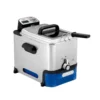
- Pour oil into your deep fryer or a large, heavy pot to a depth of at least 8cm. Heat it to 170°C, use a thermometer to check. This temperature is crucial. Too hot and the outside burns before the inside cooks; too cool and they'll be greasy and won't puff up properly.
7. Fry the pommes dauphines
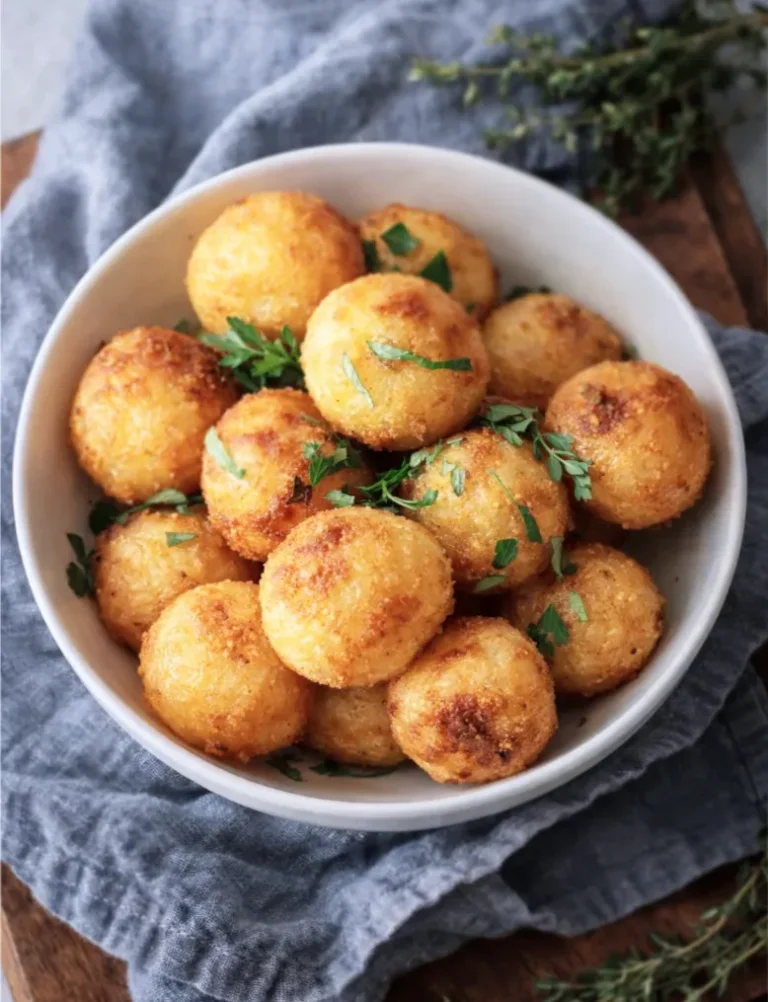
- You can either pipe the mixture or use two spoons. If piping: put the mixture in a piping bag with a large plain nozzle, pipe out small amounts (about the size of a walnut) directly into the hot oil, using scissors or a knife to cut them off. If using spoons: scoop out walnut-sized portions with one spoon, use another to push them into the oil. Fry 4-5 at a time, don't overcrowd the pan. They'll sink, then float to the surface and start to puff up. Fry for 6-8 minutes, turning them occasionally, until they're golden brown all over and have roughly doubled in size.
8. Drain and serve
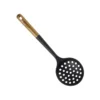
- Lift the pommes dauphines out with a skimmed spoon and drain on kitchen paper. Keep them warm in a low oven (around 100°C) whilst you fry the rest. Sprinkle with a tiny bit of salt whilst they're still hot. Serve immediately, they're at their best within 20 minutes of frying.
Notes
- The mixture can be made a few hours ahead and kept covered in the fridge. Bring it back to room temperature before frying.
- If the mixture seems too wet to hold its shape, add a tablespoon of flour. If it’s too stiff, add a splash of milk.
- Don’t skip the potato ricer if you’ve got one, lumpy potatoes make lumpy puffs.
- You can freeze uncooked pommes dauphines on a tray, then fry them from frozen, adding 2-3 minutes to the cooking time.
- Day-old pommes dauphines can be reheated in a 200°C oven for 5-6 minutes, but they won’t be quite as good as fresh.
- For a cheesy version, add 50g grated Gruyère to the mixture!
About this recipe
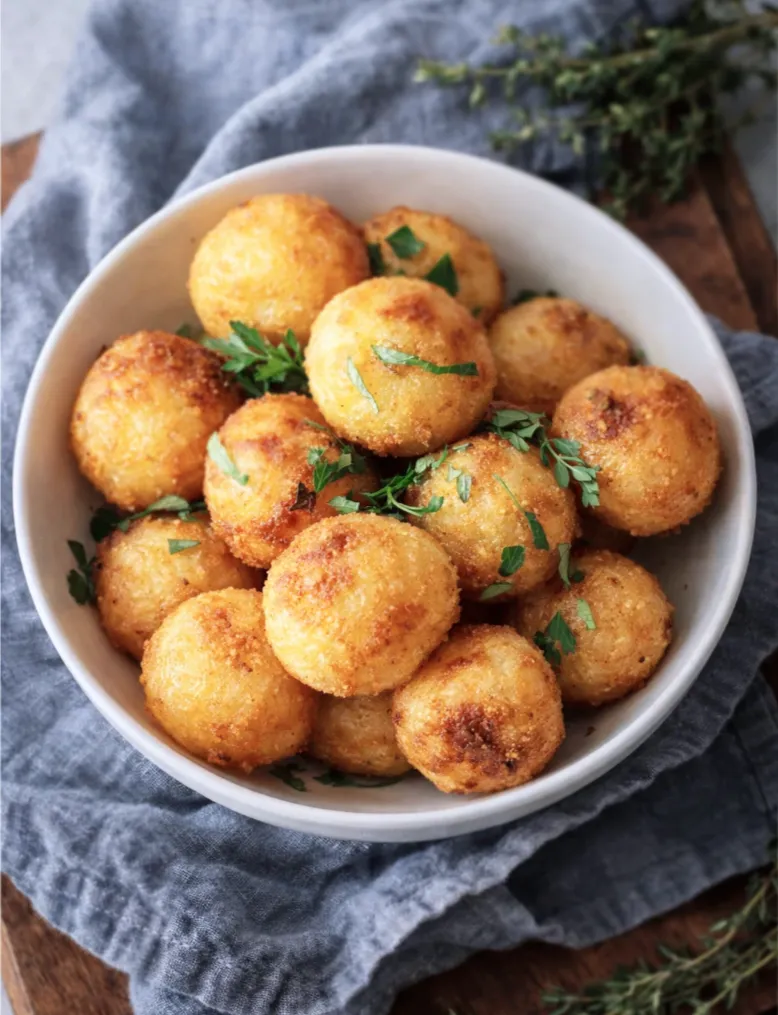
Pommes dauphines are one of those French dishes that sounds complicated, looks impressive, and turns out to be far more achievable than you’d expect. Crispy on the outside, almost hollow inside, and completely unlike any other fried potato dish. Once you understand the technique, you’ll wonder why you ever settled for frozen ones.
Where the name comes from
Pommes dauphines are named after the Dauphine, the title given to the wife of the Dauphin, the heir to the French throne. The story goes that in the 1860s, the Dauphin had a habit of arriving late to dinner. His kitchen staff needed something impressive they could cook quickly to keep guests entertained whilst they waited. These little potato puffs were the answer. Quick to fry, spectacular to look at, and delicious enough that nobody minded the delay.
The name “pommes” means apples in French, but it doubles as shorthand for “pommes de terre,” apples of the earth, which is the French word for potatoes. Every French potato dish starts with pommes. Pommes frites, pommes Anna, pommes sarladaises. There are probably a hundred different preparations, each with its own name and technique. Pommes dauphines sit at the elegant end of that list.
Two classic French techniques in one dish
The genius of this dauphine potato recipe is the combination of two classic French preparations. The first is pommes duchesse, mashed potato enriched with butter and egg yolk, silky and rich. The second is pâte à choux, the same light pastry used for éclairs and profiteroles. Fold them together, pipe them into hot oil, and something remarkable happens. The choux pastry puffs up around the potato, creating a shell that is crispy outside and almost completely hollow inside, with just a thin layer of soft potato clinging to the walls.
No other fried potato dish does this. It is what makes pommes dauphines genuinely special rather than just another potato preparation.
How they relate to other French potato dishes
Pommes dauphines sit in a family of French potato preparations that includes pommes noisette (small round potato balls), pommes croquettes (cylindrical, breadcrumbed and fried), and pommes soufflées (thin potato slices that puff up in the fryer). Each one uses a different technique to achieve a different result.
The choux pastry in this pommes dauphine recipe is what separates them from all the others. Croquettes are dense. Pommes noisette are solid. Pommes dauphines are light in a way that seems to contradict the fact that they are made of potato. That lightness is everything.
Why the piping matters
Getting consistent pommes dauphines depends on consistent sizing, and consistent sizing depends on proper piping. The mixture needs to be piped directly into the hot oil in small, even portions. Too large and the outside overcooks before the inside sets. Too small and they don’t develop that hollow interior properly.
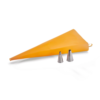
A good piping bag with a plain nozzle gives you control over both the size and the shape. I use the De Buyer piping bag, which is sturdy enough to handle a warm, fairly stiff mixture without splitting or losing its shape mid-squeeze. It makes the whole process cleaner and more consistent, which matters when you are working quickly over hot oil.
Restaurant food you can make at home
You’ll find pommes dauphines on menus in proper French bistros, usually alongside côte de boeuf, entrecôte, or roast chicken. They are considered restaurant food rather than everyday home cooking. Most French people buy them frozen from the supermarket if they want them at home.
The frozen ones are rubbish. Dense, heavy, they never puff up the way fresh ones do, and the flavour is flat. Making this dauphin potatoes recipe from scratch takes more time, but the difference is significant enough to be worth it every time.
Serving them the French way
Pommes dauphines are best eaten immediately after frying, whilst the shell is still crispy and the inside still steaming. They go with almost any main course that would normally be served with potatoes, but they work particularly well alongside something rich and saucy. The crispy exterior holds up well against gravy or pan juices, and the lightness of the interior means they don’t compete with the main dish the way heavy potato preparations can.
Serve them in a warm bowl lined with a paper towel to absorb any excess oil, and get them to the table fast. They are at their best in the first few minutes.
Share your feedback and spread the love!
If you try this recipe, I’d love to hear how it turns out! Leave a ★★★★★ rating and your thoughts in the comments, it helps fellow French foodies discover this recipe too. Snap a photo and tag me @obviously.french on Instagram if you’re sharing your bake or cooking online. Don’t forget to save this recipe to Pinterest so you’ll always have it handy for your next French-inspired meal!
Disclosure: Just so you know, this post contains sponsored content and/or affiliate links, If you make a purchase through these links, I may receive a small commission. Doesn’t cost you anything extra. I only link to things that are actually worth your time. All opinions are my own!