Brandade de Morue
 Prep Time 20 minutes
  Cook Time 45 minutes
  Total Time 1 hour 5 minutes
  Servings 4
Ingredients
- 500 gr cod
- 260 gr floury potatoes
- 2 cloves garlic
- 1 bay leaf
- 1 onion
- 120 ml olive oil extra virgin
- 120 ml whole milk plus extra for a creamier finish
- 1 squeeze lemon juice
- 1 handful flat-leaf parsley to garnish
- salt and black pepper
Equipment
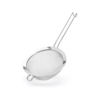
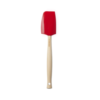
Instructions
1. Poach the Cod
- Lay the cod fillet in a saucepan with the bay leaf and onion halves, cover with cold water, and add a generous pinch of sea salt. Bring to a bare simmer, do not let it boil! and poach gently for 10 minutes. Take the pan off the heat and let the cod cool in its liquid for 5–10 minutes to keep things tender. Lift it out, drain, and flake thoroughly.
2. Prep the Potato
- Mash the warm potato well. Stir in the crushed garlic while the potato is still warm so it mellows.
3. Combine and Beat
- Combine the flaked cod and mashed potato in a saucepan over very low heat. Drizzle in half the warm olive oil and half the milk, then stir vigorously. Gradually add the rest of the oil and milk, tasting for seasoning as you go. Adjust with salt, white pepper, and a squeeze of lemon to bring the mousse to life.The texture should be creamy but still retain a bit of flake, it’s a rustic dish, not baby food.
4. Grill, Serve and Garnish
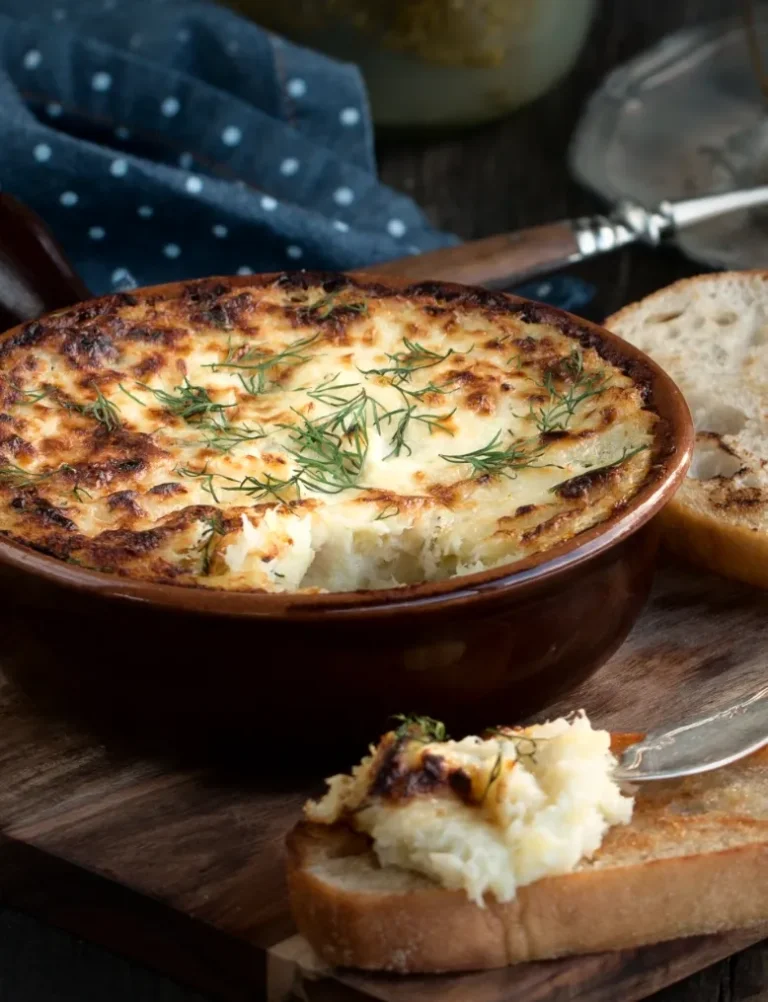
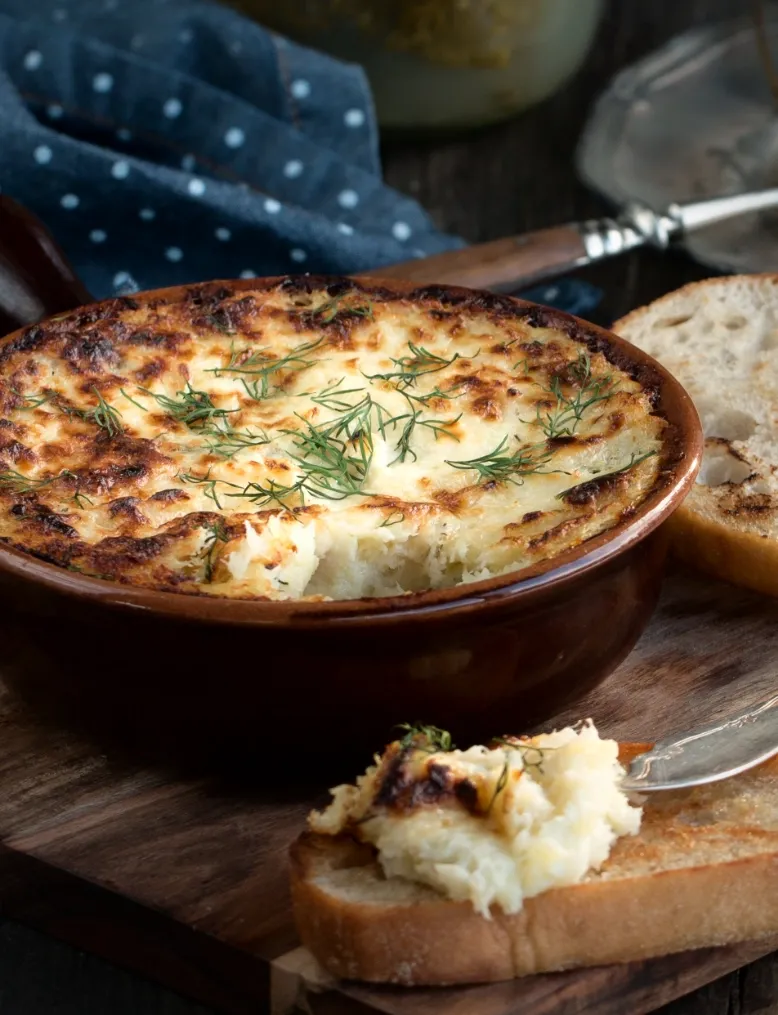
- Spoon the brandade into a suitable ovenproof dish, then place it under a hot grill for 3–5 minutes until the top is golden, bubbling, and deliciously crisp. This final step is crucial, it adds a beautiful texture contrast and that classic gratin finish. Scatter with chopped parsley and serve immediately.
About this recipe
Brandade de Morue is one of those dishes that tells you exactly where you are. Salt cod, olive oil, garlic, and potato, whipped together into a smooth, creamy spread and baked until golden. It belongs to Provence and the Languedoc, the coastal regions of southern France where the sea and the land have always dictated what ends up on the table.
Where brandade de morue comes from
The brandade de morue recipe has origins that stretch back several centuries, born from practical necessity rather than culinary ambition. Before refrigeration, salt cod was one of the most important preserved proteins available to coastal communities. Atlantic cod, caught in the cold waters off Newfoundland and Norway, was salted and dried until it could survive months of transport and storage without spoiling. It reached Mediterranean markets through established trade routes, and French cooks in Provence and the Languedoc found ways to transform this intensely preserved, very salty fish into something worth eating.
The verb that gives the dish its name is “brandar,” from Provençal, meaning to stir or to agitate. The name describes the method: the cod is worked vigorously with olive oil until it emulsifies into a smooth, creamy paste. That physical action is the technique, and it is what separates a proper cod brandade from simply mashed fish.
Salt cod versus fresh cod
The traditional brandade de morue uses salt cod, which requires soaking for 24 to 48 hours before cooking to remove the excess salt. The soaking changes the texture of the fish, softening it while leaving behind a depth of flavour that fresh cod does not have. The salt cure concentrates the proteins and gives the finished brandade a more complex, savoury character.
This recipe uses brandade with fresh cod instead, which is a more accessible version that requires no advance soaking and produces a lighter, cleaner flavour. The technique is the same: the cod is poached gently, then worked with olive oil and garlic into a smooth emulsion. The potato is added for body and to extend the dish into a proper main course rather than a simple spread.
The cod potato bake version, finished in the oven until golden on top, is the form most commonly found in French homes and restaurants today. It transforms the spread into something more substantial, with a crispy surface and a soft, creamy interior.
The olive oil
The olive oil in this brandade de morue recipe is not a background ingredient. It is structural. The oil emulsifies with the cod to create the characteristic creamy texture, and it provides most of the flavour alongside the garlic. Use a good quality olive oil with some character rather than a neutral one. The south of France uses oils with a grassy, slightly peppery quality that complements the saltiness of the cod and the earthiness of the garlic. A flat, flavourless oil produces a flat, flavourless brandade.
Warm the oil before adding it to the fish. Cold oil does not emulsify as smoothly and can cause the mixture to split rather than coming together into the creamy paste the dish requires.
The garlic
Garlic is the third pillar of a proper cod brandade. It should be present enough to be noticed without dominating. The French south applies this principle consistently: garlic in the background of everything, loud in nothing. For this recipe, two or three cloves cooked gently in the olive oil before being incorporated into the fish is the right approach. Raw garlic added directly gives you a harsh, sharp flavour that does not suit the delicacy of the emulsified fish.
The right pot
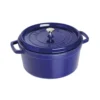
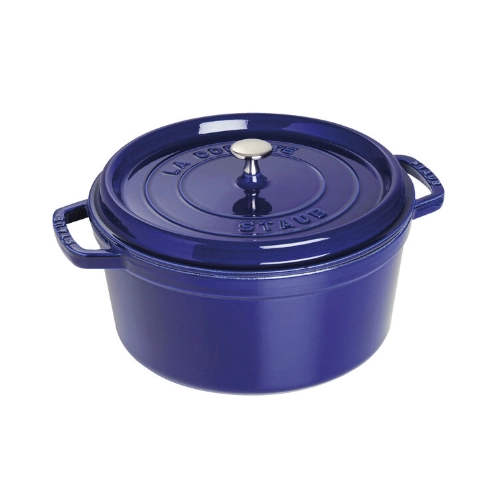
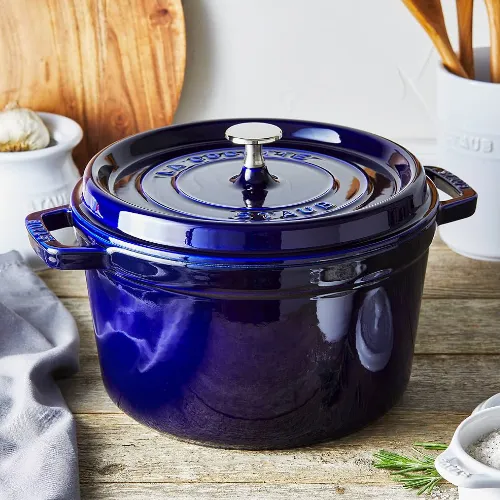
I use my Staub cocotte for this brandade de morue recipe. The cast iron distributes heat evenly during the initial poaching stage, which keeps the cod at a gentle, consistent temperature rather than boiling hard in some spots and barely simmering in others. For the final baking stage, the same pot goes directly into the oven, where the even heat distribution browns the top uniformly rather than catching at the edges whilst the centre stays pale. It goes straight from oven to table for serving, which suits a dish this honest and this rustic.
Share your feedback and spread the love!
If you try this recipe, I’d love to hear how it turns out! Leave a ★★★★★ rating and your thoughts in the comments, it helps fellow French foodies discover this recipe too. Snap a photo and tag me @obviously.french on Instagram if you’re sharing your bake or cooking online. Don’t forget to save this recipe to Pinterest so you’ll always have it handy for your next French-inspired meal!
Disclosure: Just so you know, this post contains sponsored content and/or affiliate links, If you make a purchase through these links, I may receive a small commission. Doesn’t cost you anything extra. I only link to things that are actually worth your time. All opinions are my own!