Brandade de Morue
 September 11, 2025
Disclosure: This post may contain affiliate links which provide us a small commission when used for purchase. Please read my disclosure policy for more information. I am grateful for your support!
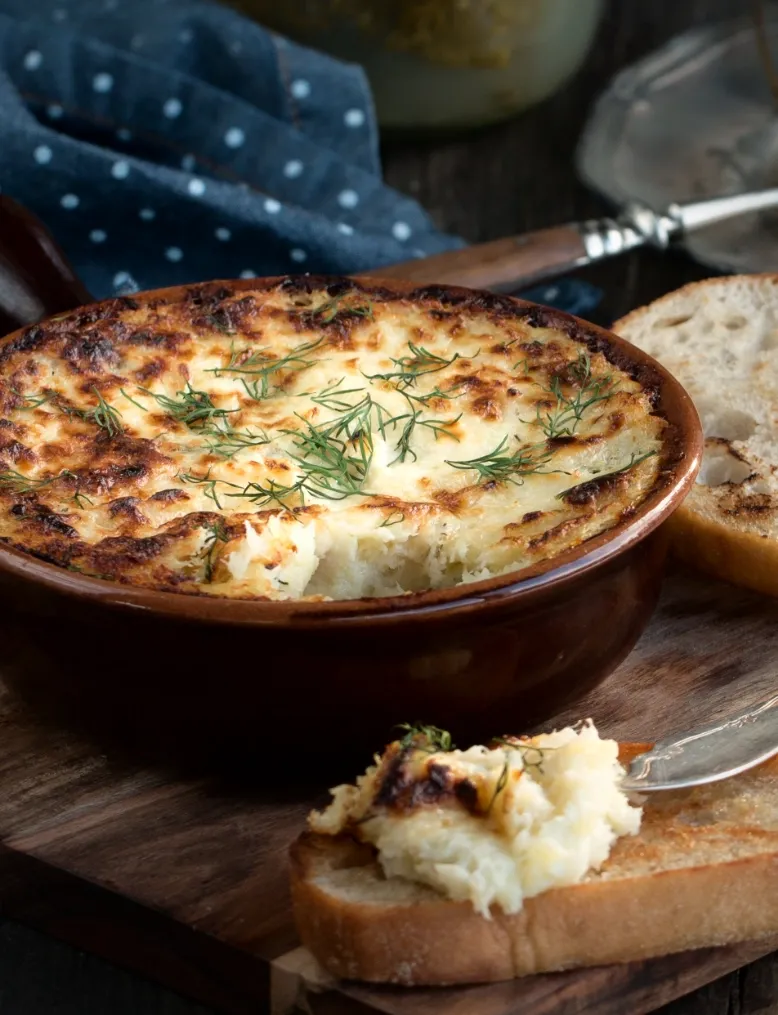
Honestly, when I first saw brandade de morue, especially as a kid, it didn’t really appeal to me. But when you take that first bite you simply want more! It’s the nicest combination of flavours and quite hard to replicate. It doesn’t taste like any of the ingredients on their own, they all transform into something new together. Once you’ve tried it, you’ll completely understand and you’ll bake this cod potato weekly!
Table of Contents
Where brandade de morue comes from
The first recorded reference is 1786, when someone in Nîmes had the idea of crushing salt cod with garlic, olive oil and a little milk. The recipe that made it famous came in 1830 from Charles Durand, born in Alès and cook to its bishop for thirteen years, whose book was one of the first to champion regional Provençal cooking. He took it to Paris, where the restaurant Les Trois Frères Provençaux put it on the menu and the city fell for it. The chef Auguste Escoffier later included it in his famous Guide Culinaire, and from there it spread through French restaurants and into home kitchens.
A Christmas Eve dish in the south
In Provence and around Nîmes, brandade is everyday food, but it’s also part of Christmas! On the evening of 24 December, families sit down to the “gros souper”, the big Christmas Eve meal. Funnily enough, despite its name, it’s a “repas maigre”, a meal without any meat, following the old religious tradition of abstinence before Christmas.
So fish takes the main spot, and salt cod above all. Every corner of the south has its own way of serving it: a grand aïoli in Arles, morue en raïto with a tomato sauce in other villages, and in Nîmes, of course, brandade. The meal ends with the famous 13 desserts, including the four chocolate mendiants for Christmas.
Nîmes also eats brandade on Good Friday and at Easter, for the same no-meat reason. And for Christmas, the Nîmes tradition is to make it a little fancier, with slices of truffle stirred through.
The traditional Nîmes version, and this one
True brandade de Nîmes contains no potato at all. It’s cod, olive oil and milk, full stop. The potato version came later, is more common in Paris and Lyon, and is what most people outside the south know as brandade. Both are really tasty! This one uses potato because it makes it hearty enough to serve as a proper main rather than a starter or a spread.
It also uses fresh cod rather than salt cod, which makes it far easier. No soaking, no planning two days ahead, and a lighter, cleaner flavour. The method is identical either way: poach the cod gently, then beat it with warm oil and garlic until it turns into that smooth emulsion.
The name brandade
Brandade comes from the Occitan brandar, to stir or shake vigorously, and that gesture is the recipe. The cod is beaten with warm olive oil until it turns into a kind of white cream still marked by the fibres of the fish. You build it like a mayonnaise, slowly, alternating oil and milk, and the emulsion that forms is what gives brandade its texture. So take your time and stir properly.
Ingredients
- Fresh cod — the whole dish. Fresh rather than salted means no two-day soak and a cleaner taste. Any firm white fish works if cod isn’t available.
- Floury potatoes — they mash smooth and absorb the oil and milk, where waxy potatoes stay gluey and refuse to break down.
- Extra virgin olive oil — the backbone of this brandade de morue recipe. It emulsifies with the fish to create the texture and carries most of the flavour. A grassy, slightly peppery southern oil is what you want, since a dull oil makes a dull brandade.
- Garlic — crushed into the warm potato so it mellows rather than shouting.
- Whole milk — warmed, and added alternately with the oil to build the emulsion.
- Bay leaf and onion — for the poaching liquid, giving the cod a gentle background flavour.
- Lemon — a squeeze at the end lifts everything and cuts the richness.
- Flat-leaf parsley — scattered over at the end for freshness and colour.
How to make brandade de morue
1. Poach the cod gently
Lay the cod in a saucepan with the bay leaf and halved onion, cover with cold water and add a generous pinch of salt. Bring it to a bare simmer and hold it there for ten minutes. Boiling toughens the flesh and makes it stringy, which no amount of beating will fix afterwards.
2. Let it cool in its liquid
Take the pan off the heat and leave the cod in the poaching water for five to ten minutes. It carries on cooking gently and stays far more tender than if you pull it straight out. Then lift it out and drain it well.
3. Flake it and check for bones
Flake the cod thoroughly with a fork, running your fingers through as you go. Cod bones are fine and easy to miss, and one in a smooth brandade ruins the mouthful entirely. Take the two minutes.
4. Boil and mash the potatoes
Boil the floury potatoes until completely tender, then drain well and mash them while hot. Stir the crushed garlic in straight away, because warm potato mellows raw garlic and takes the harsh edge off it.
5. Beat it together, slowly
Combine the flaked cod and mashed potato in a pan over very low heat. Add half the warm oil and half the warm milk and stir vigorously, then add the rest gradually. This is the emulsion, so it wants patience: too fast and it splits, exactly like a mayonnaise.
6. Season and check the texture
Taste as you go and adjust with salt, pepper and a squeeze of lemon. It should be creamy but still have some flake to it. This is a rustic dish, not baby food, so stop short of a purée.
7. Grill until golden
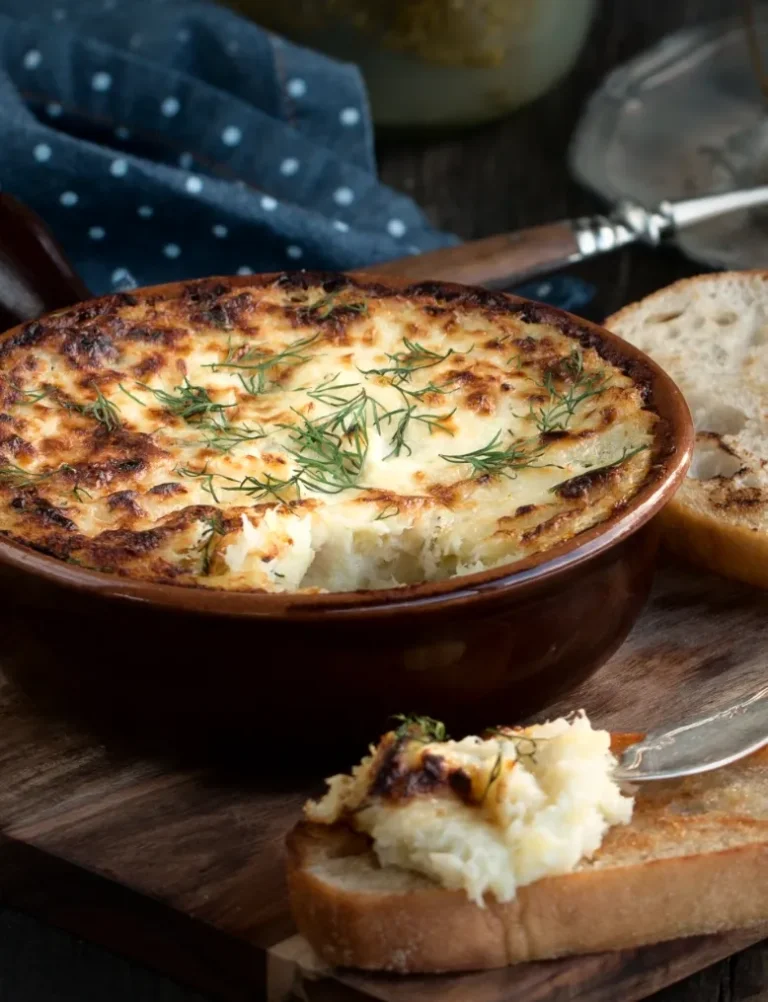
Spoon it into an ovenproof dish and put it under a hot grill for three to five minutes, until the top is golden, bubbling and crisp. Don’t skip this: the contrast between the crisp top and the soft centre is what makes it a gratin rather than a mash. Scatter with parsley and serve straight away.
Tools for this recipe
Check out my favorite kitchen essentials and cookware!
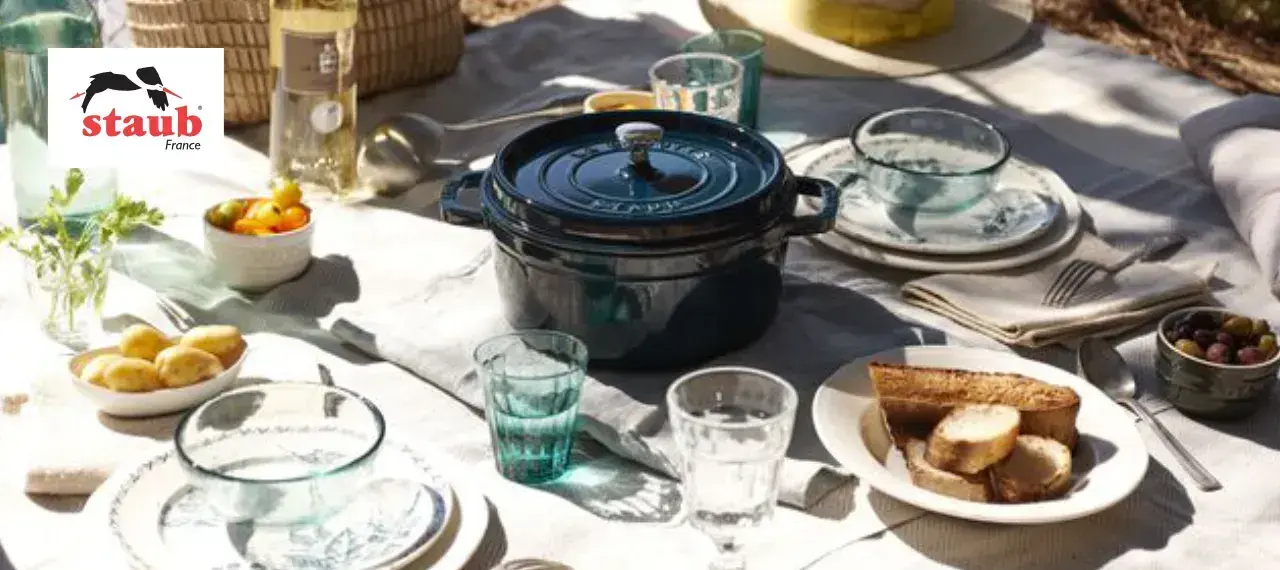
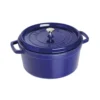
- Use a cast iron cocotte that spreads heat evenly so the cod poaches at a steady, gentle simmer instead of boiling in patches, and goes straight under the grill and on to the table.
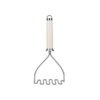
- Use a potato ricer to get the potato properly smooth before the oil goes in, since lumps never disappear once you start emulsifying.
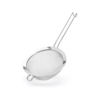
- Use a fine sieve or your fingers to check the flaked cod for bones, which are easy to miss in white flesh.
Tips for success
- Warm the milk as well as the oil: cold liquid hitting a warm emulsion is the fastest way to make it seize. Both should be warm, not hot.
- Add the oil in stages, not in one go: half, stir it fully in, then the rest gradually. Rushing this is the single most common way brandade splits into something greasy.
- If it does split, don’t panic: take it off the heat, add a spoonful of hot mashed potato and beat hard. The starch will usually pull it back together.
- Taste before you salt: even fresh cod poached in salted water carries seasoning, and the dish reduces slightly under the grill, so season at the end rather than the start.
- Use the potato to control the texture: too loose, add a little more mash; too stiff, a splash more warm milk. It should hold a spoon shape without being claggy.
- Rub the dish with a cut garlic clove: Daudet’s trick, and it gives a background of garlic without adding more to the mixture.
- Make it ahead and grill at the last minute: assembled and refrigerated it holds several hours. Stir in a splash of warm milk before grilling if it’s tightened up in the cold.
How to store it
- In the fridge: Keeps 2 to 3 days covered. It firms up considerably when cold, so warm it gently with a splash of milk to bring it back. It’s excellent reheated, arguably better on day two once the garlic has settled through.
- Making ahead: Prepare it completely, spoon it into the gratin dish, and keep it in the fridge for a few hours before grilling. This makes it a genuinely good dinner-party dish, since the messy part is done in advance.
- In the freezer: Freezes reasonably well for up to 2 months, though the emulsion loosens on thawing. Thaw in the fridge overnight and beat it back together over low heat with a little warm milk before grilling.
More fish recipes to try
Variations
- The true brandade de Nîmes: no potato at all: just cod, warm olive oil and milk, beaten until creamy. Much richer and more intense, served as a spread rather than a main. Worth making once to see what the purists mean.
- With salt cod: the traditional route. Soak the salt cod for 24 to 48 hours, changing the water four or five times, then poach as usual. Deeper and saltier, but it needs more planning.
- As an apéro spread: serve it cool or barely warm on toasted baguette rubbed with garlic. This is how it’s eaten across the south in summer, and it’s very good with a few black olives.
- With a crust: scatter breadcrumbs, or breadcrumbs mixed with grated cheese, over the top before grilling for a crunchier gratin finish.
- Brandade parmentière: layered with more mashed potato on top rather than mixed through, which gives you distinct strata rather than one smooth mixture.
- In stuffed vegetables: use it to fill piquillos peppers, which is the Basque treatment and a genuinely lovely starter.
How to eat brandade de morue
In the south, brandade shows up in a few ways depending on the occasion. As a spread on toasted baguette rubbed with garlic it’s ideal apéro food or a starter. As a gratin, golden and bubbling with that soft creamy middle, it’s a main course. I like both: gratin in winter, spread in summer.
For wine, a crisp dry white. Picpoul de Pinet from the Languedoc is the classic local pairing, its nervy acidity working against all that richness. A crisp Provence white or a white Bordeaux does the job too.
FAQ
Can you make brandade with fresh cod instead of salt cod?
Yes, and it’s much quicker. Fresh cod skips the 24 to 48 hour soak entirely and gives a lighter, cleaner flavour. Poach it gently and the method is otherwise identical.
Does brandade de morue have potato in it?
Not traditionally. The original brandade de Nîmes is just cod, olive oil and milk. The potato version came later and is now the most common one in French homes, and it makes the dish substantial enough for a main course.
Why did my brandade split?
The oil went in too fast, or the oil and milk were cold. Warm both, add them in stages, and beat continuously. To rescue a split batch, beat in a spoonful of hot mashed potato.
What fish can I use instead of cod?
Any firm white fish, hake in particular. The original Nîmes version actually used local hake before cod became widely available through the salt trade.
Can brandade de morue be made ahead?
Yes. Assemble it completely, keep it in the fridge for a few hours, then grill just before serving. Add a splash of warm milk first if it’s thickened in the cold.


 Prep Time 20 minutes
  Cook Time 45 minutes
  Total Time 1 hour 5 minutes
  Servings 4
Description
Ingredients
- 500 gr cod
- 260 gr floury potatoes
- 2 cloves garlic
- 1 bay leaf
- 1 onion
- 120 ml olive oil extra virgin
- 120 ml whole milk plus extra for a creamier finish
- 1 squeeze lemon juice
- 1 handful flat-leaf parsley to garnish
- salt and black pepper
Equipment

Instructions
1. Poach the Cod
- Lay the cod in a saucepan with the bay leaf and halved onion, cover with cold water and add a generous pinch of sea salt. Bring to a bare simmer, never a boil, and poach gently for 10 minutes. Take the pan off the heat and let the cod cool in its liquid for 5–10 minutes to keep it tender. Lift it out, drain, and discard the bay leaf and onion.
2. Flake the cod
- Flake the cod thoroughly with a fork, checking carefully for bones as you go.
3. Cook and mash the potatoes
- Peel and cut the potatoes into even chunks, boil in salted water for 15–20 minutes until completely tender, then drain well. Mash while still hot and stir in the crushed garlic straight away, so it mellows in the warm potato.
4. Combine and Beat
- Combine the flaked cod and mashed potato in a saucepan over very low heat. Warm the olive oil and milk gently. Drizzle in half the warm oil and half the warm milk, stirring vigorously, then gradually add the rest. Taste and adjust with salt, black pepper and a squeeze of lemon. The texture should be creamy but still retain a bit of flake, this is a rustic dish, not baby food.
5. Grill and Serve
- Spoon the brandade into an ovenproof dish and place under a hot grill for 3–5 minutes, until the top is golden, bubbling and crisp. Scatter with chopped parsley and serve immediately.
Notes
- Warm both the oil and the milk before adding them, or the mixture can split.
- Add the oil gradually rather than all at once, exactly as you would for a mayonnaise.
- Can be assembled ahead and kept in the fridge, then grilled just before serving. Stir in a splash of warm milk if it has thickened.
Share your feedback and spread the love!
If you try this recipe, I’d love to hear how it turns out! Leave a ★★★★★ rating and your thoughts in the comments, it helps fellow French foodies discover this recipe too. Snap a photo and tag @obviously.french on Instagram. Come talk about it in our Facebook group. And don’t forget to save this recipe to Pinterest so you’ll always have it handy for your next French-inspired meal!