
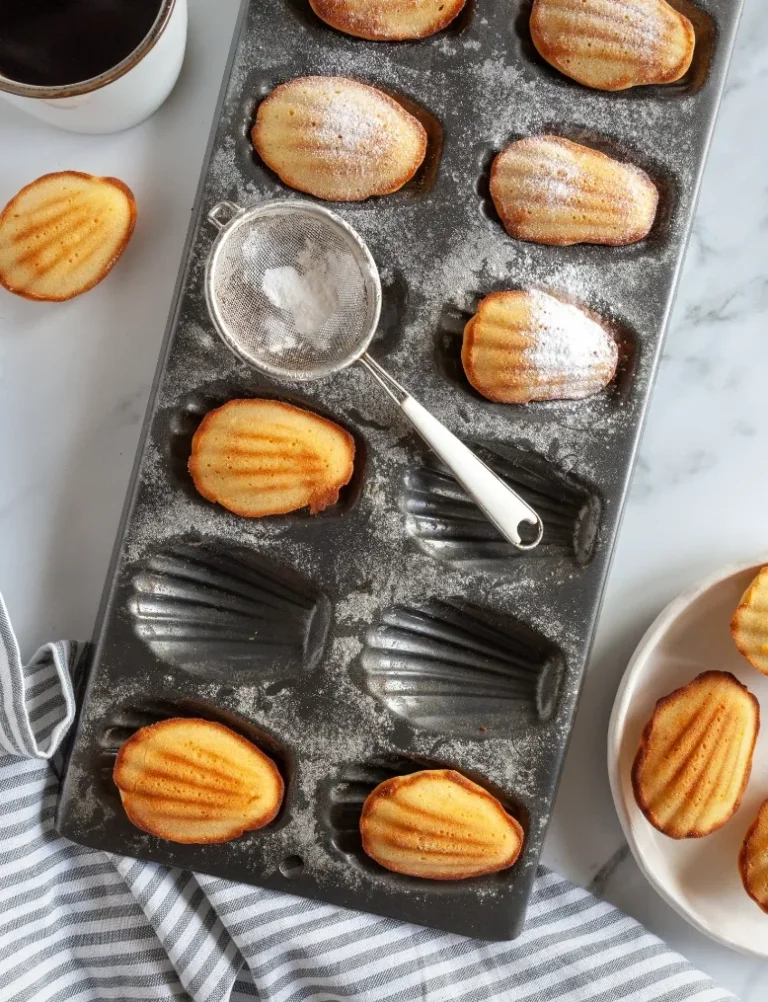
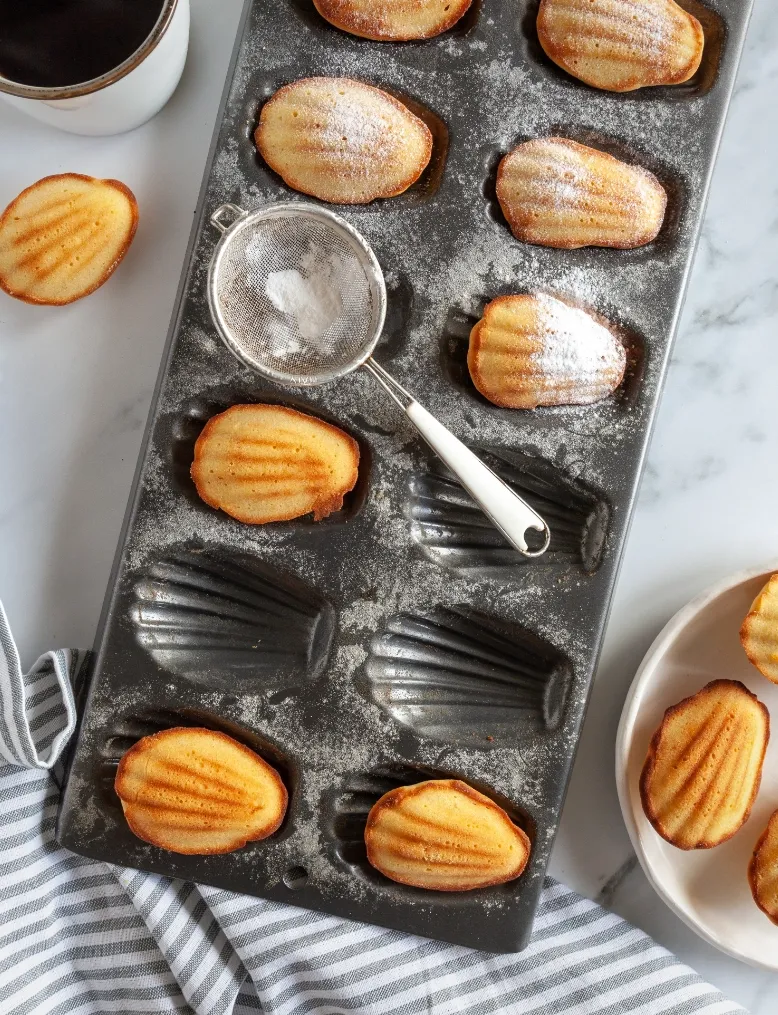
Madeleines
 Prep Time 2 hours 15 minutes
  Cook Time 10 minutes
  Total Time 2 hours 25 minutes
  Servings 12 madeleines
Ingredients
- 2 egg
- 100 gr sugar
- 20 gr honey
- 100 gr unsalted butter
- 100 gr plain flour
- 3 gr baking powder
- 1 squeeze lemon juice
- 1 pinch salt
Equipment
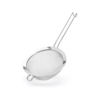
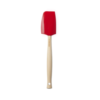
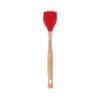
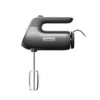
Instructions
1. Prepare the egg mixture
- Crack the eggs into a bowl and add the sugar. Whisk until pale, thick, and a bit frothy, this gets those lovely air bubbles going.
2. Incorporate honey
- Add the honey to your egg and sugar mixture and mix it in well. You want the sweetness smooth and evenly distributed.
3. Melt and flavour the butter
- In a separate bowl, melt the butter. Mix in a squeeze of lemon juice and a pinch of salt, think of this as setting the stage for all that almondy, buttery aroma later.
4. Combine dry ingredients
- Sift the flour and baking powder together and add to the egg, sugar, and honey mixture. Stir gently until just incorporated.
5. Add the butter
- Pour your melted, lemony butter into the batter and fold through with care. Don’t overwork it, gentle hands make fluffy cakes.
6. Rest the batter
- Cover the bowl and let the batter rest in the fridge for at least 2 hours. This helps make that classic “hump”, the sign of a good madeleine!
7. Preheat and prepare your tray
- When you’re ready to bake, grease your madeleine tray with a bit of melted butter. Preheat the oven to 220°C.
8. Fill and bake
- Spoon the batter into your tray, filling each shell about three-quarters full (the mixture will rise). Bake for 3 minutes at 220°C, then reduce the oven to 200°C and bake for another 7 minutes until golden and slightly domed in the middle.
9. Cool and enjoy
- Pop them out of the Madeleines tray and, if you can resist, let them cool on a rack. The aroma alone makes it tough to wait, but the flavours come out better if you have some patience.
Notes
- You can make a million different versions of madeleines and never be bored. While the classic recipe is charmingly plain, just buttery, light, and elegant, don’t let that stop you from experimenting.
- Matcha: Fancy something a bit green and mysterious? Add a teaspoon of matcha powder for a gentle earthy twist and a colour that stops people in their tracks.
- Chocolate: Feeling whimsical? Dip half the shell in melted chocolate and let it set for that café-pâtisserie vibe.
- Lavender: For the flower-lovers, a hint of dried lavender in the batter brings a subtle Provençal aroma that transports you straight to sleepy village afternoons.
- Poppy seeds: Tiny poppy seeds add a gentle crunch that pairs beautifully with citrus zest.
- And experiment with decorations! Edible flowers, sprinkles, a quick drizzle of citrus glaze, go wild. The shell shape means every version looks stunning, and frankly, you’re only limited by your imagination (and whatever you find at the back of the cupboard).
About this recipe
Madeleines are one of those French baked goods that everybody recognises and very few people make at home. Which is a shame, because a freshly baked madeleine, warm from the tin with the butter still fragrant and the shell-shaped crust just set, is a completely different thing from the ones that come wrapped in plastic at the supermarket. Better in every way, and not difficult.
Where madeleines come from
The madeleine was born in Commercy, a small town in the Lorraine region of northeastern France, in the 18th century. The most persistent origin story involves a resourceful servant named Madeleine Paulmier, who baked them for the exiled King Stanisław of Poland when he needed something new to serve his guests. The cakes reached Versailles when Louis XV’s wife, Maria Leszczyńska, brought the recipe to court, and from there they spread through Parisian salons and into French culinary history.
Commercy still takes the madeleine seriously. The town has been producing and selling them commercially since the 19th century, and the Commercy madeleine remains a point of regional pride. This madeleine pastry tradition is one of the more specific examples of a French town becoming synonymous with a single baked good.
Marcel Proust and the madeleine
No other madeleine cake has generated as much literary commentary as the one eaten by the narrator of Marcel Proust’s In Search of Lost Time. In the opening pages, the narrator dips a small madeleine into tea and is immediately overwhelmed by a rush of childhood memory, the taste unlocking a whole lost world of sensory experience and feeling.
The passage is one of the most famous in French literature, and its cultural impact went beyond the novel. The expression “madeleine de Proust” entered the French language as shorthand for any small sensory experience, a taste, a smell, a sound, that triggers an involuntary wave of memory and nostalgia. Every French person knows what it means. It is one of the more elegant additions any pastry has ever made to a national vocabulary.
The technique behind a proper french madeleine
The madeleine pastry is a génoise-style batter, light and butter-rich, with the characteristic dome that forms during baking. That dome, the distinctive bump on the flat side of each madeleine cake, is not decorative. It’s structural evidence that the batter was properly rested and the tin was properly hot before the batter went in.
The rest is non-negotiable. The batter needs at least an hour in the fridge, and overnight is better. Chilling the batter firms the butter and creates a temperature contrast when the cold batter hits the hot tin, which is what causes the dome to form. Skip the rest and the madeleines bake flat, which is still delicious but technically wrong.
Lemon madeleines
The classic madeleine uses vanilla and lemon zest as its primary flavours, which is why lemon madeleines are the most traditional version rather than a variation. The lemon lifts the butter and the sugar without taking over, giving each madeleine a brightness that the plain butter version lacks. Use fresh zest rather than extract and add it directly to the batter rather than the butter.
For a more pronounced lemon flavour, a small amount of lemon juice in the batter alongside the zest gives you something closer to a lemon madeleine cake than the subtle original. Both versions are worth making.
The right mould
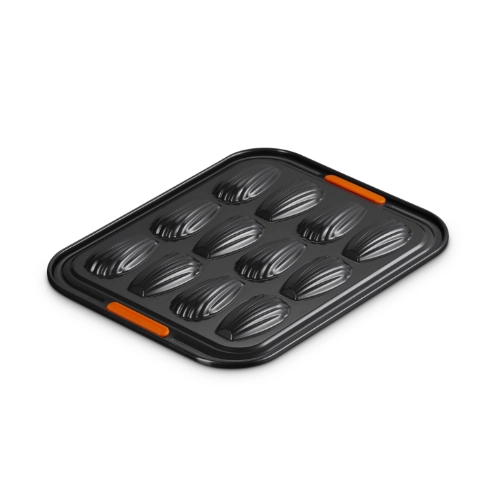
Madeleines need their specific shell-shaped tin. Without it, the batter just becomes small cakes, which are fine but not madeleines. The shells are part of what the madeleine is.
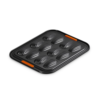
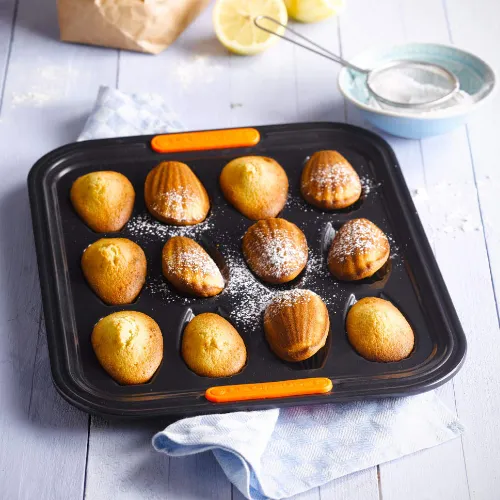
I use the Le Creuset madeleine tray for this recipe. The non-stick surface releases the madeleines cleanly without tearing the delicate crust, which matters because the golden shell on each madeleine is the best part and it should come out intact. The even heat distribution across the tray means all twelve madeleines bake at the same rate, so the batch comes out consistent rather than with some overdone and some pale. It’s also the right depth for the batter, giving you the proper dome without the madeleines spilling over the edges.
Butter the tin anyway, even with a non-stick surface. The butter adds flavour to the outside crust and ensures a clean release every time.
Eating them
Madeleines are best eaten within an hour of baking, when the crust is still slightly crisp and the interior still warm and soft. They keep for a day in an airtight tin but lose that contrast of textures as the crust softens. Make them the same day you plan to serve them, make more than you think you’ll need, and eat them with coffee or tea in the French manner.
Share your feedback and spread the love!
If you try this recipe, I’d love to hear how it turns out! Leave a ★★★★★ rating and your thoughts in the comments, it helps fellow French foodies discover this recipe too. Snap a photo and tag me @obviously.french on Instagram if you’re sharing your bake or cooking online. Don’t forget to save this recipe to Pinterest so you’ll always have it handy for your next French-inspired meal!
Disclosure: Just so you know, this post contains sponsored content and/or affiliate links, If you make a purchase through these links, I may receive a small commission. Doesn’t cost you anything extra. I only link to things that are actually worth your time. All opinions are my own!
These madeleines turned out beautifully light with a delicate crisp edge! Reminded me of the little cakes I had in Paris years ago. Will definitely bake again for afternoon tea!