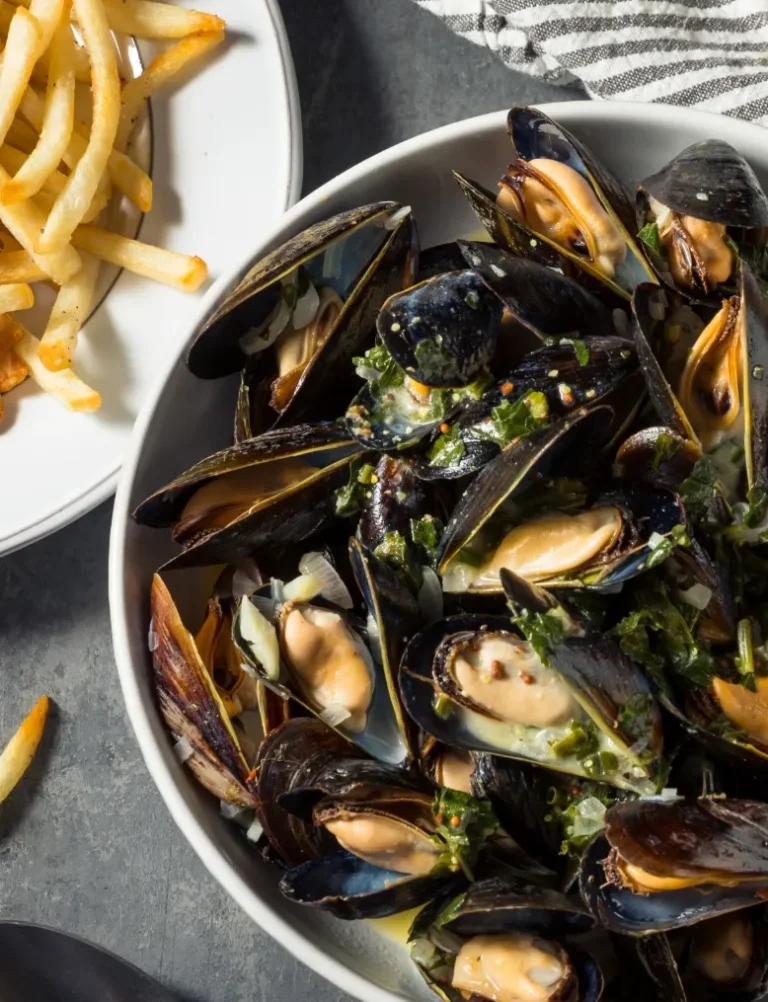
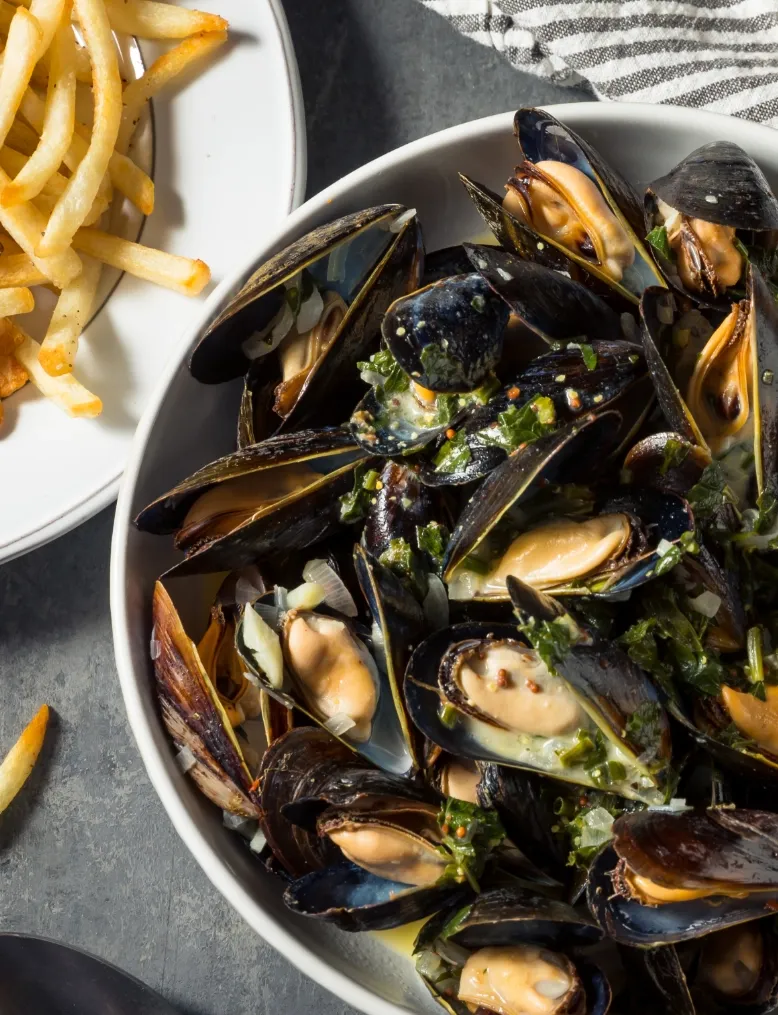
Moules frites
 Prep Time 20 minutes
  Cook Time 20 minutes
  Total Time 40 minutes
  Servings 2
Ingredients
- 1 kg mussels fresh, cleaned and debearded
- 2 shallots
- 2 cloves garlic
- 30 gr salted butter
- 150 ml dry white wine preferably Muscadet or a crisp French white
- 1 handful parsley fresh
- black pepper freshly ground
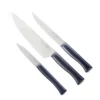
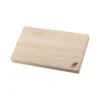
Equipment
Instructions
1. Prepare the fries
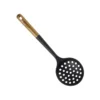
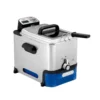
- Slice the potatoes into thin French chips and soak them in cold water for at least 30 minutes. This removes the starch and helps them crisp up. Drain and pat the chips dry with a clean tea towel, then toss in a bit of plain flour. Heat your oil to 140°C. Fry the chips in batches for 5-6 minutes until pale and soft but not coloured. Remove with a slotted spoon and let them cool on a rack. At this stage, you’re halfway to crispy chip heaven.
2. Clean the mussels
- Place your mussels in a bowl of cold water and give them a gentle scrub. Take off any beards and discard any mussels that refuse to close when tapped or are cracked. Rinse well. This little bit of fuss now guarantees that wonderful, briny bite later.
3. Sweat the shallots and garlic
- In your largest pot, melt the butter over medium heat. Tip in the shallots and sauté gently for about two minutes. Add the garlic and cook for another minute. You’re not aiming for any browning here, just keep it mellow and fragrant.
4. Build the marinière base
- Turn up the heat and pour in the white wine and let it bubble enthusiastically for a minute.
5. Steam the mussels
- Tip in the cleaned mussels and clamp a lid on tight. Give the pot a shake to help everything mingle. Let them steam for 4–5 minutes, giving the pot another good shake halfway through, until the mussels have sprung open. Discard any that stay closed.
6. Finish the fries
- While your mussels are steaming, crank the oil up to 190°C for the second fry. Return the par-cooked chips to the oil and cook until golden and crisp, about 2-3 minutes. Drain on kitchen paper and sprinkle with sea salt.
7. Serve it up
- Remove the pot from the heat, stir in the chopped parsley and a crack of black pepper. Ladle those saucy mussels into deep bowls, pour plenty of the fragrant broth over, and serve with a glorious pile of fresh, hot chips on the side. Grab a fork (or just go in with your hands) and don’t be shy, a bit of mess is part of the fun.
Notes
- When’s the best time to buy mussels? There’s an old saying: Only eat mussels in months containing an ‘R’, so that’s September through April. In the warmer months, mussels spawn and their meat becomes thin and less flavourful. Modern farming and refrigeration mean you’ll find mussels year-round, but for fat, juicy shells bursting with flavour, stick to the cooler months, just when you need a briny pick-me-up most. This seasonal tradition not only gives you the tastiest mussels but also helps ensure sustainable stocks for the future.
- And about those chips, floury potatoes are best. Their high starch content helps create that golden crust that keeps oil out, delivering perfect fries that are crisp on the outside and fluffy within.
About this recipe
The question of who first paired mussels with fries is the sort of argument that could keep a Franco-Belgian dinner party going long after pudding. Both sides claim the invention with genuine passion, and honestly, who can blame them. Moules frites is one of those dishes where the origin matters less than the result, and the result is one of the great casual meals of northern European cooking.
Growing up with moules frites
Growing up in Nice, seafood was standard fare. We’d eat big, salty platters near the Cours Saleya market with the Mediterranean nearby, and moules marinières appeared regularly on the table without ceremony. I still remember the first time a massive steaming pan landed in front of our family. Within moments everyone’s hands were sticky and flecked with parsley, grins wider than the boulevard. Etiquette was forgotten entirely. The joy of prying open shell after shell took over everything else.
I had a personal system even then: use an empty mussel shell as a pincer to pull the meat from the next one. Some people build wild mountains of empty shells. I lined mine up neatly. Some habits never change.
Where moules frites comes from
Moules frites marinière has roots in the coastal communities of northern France and Belgium, where mussels have been farmed and eaten for centuries. The marinière preparation, mussels steamed in white wine with shallots, garlic, parsley, and butter, is the classic French version. Moules marinière appears in French cookbooks from the 19th century, though the combination with fries is harder to date precisely.
The French claim moules aux frites as their own. The Belgians claim it equally firmly, pointing to the tradition of frying potatoes in the region as evidence. The honest answer is that the pairing developed naturally in coastal communities on both sides of the border where both ingredients were abundant and cheap. The dish belongs to the region rather than to any single country.
The marinière broth
The broth is the heart of a proper moules frites marinière. The mussels steam in white wine, shallots, garlic, and butter, releasing their own liquid as they open, which combines with the wine and the aromatics into something far more complex than its ingredients suggest. By the time the mussels are done, the broth at the bottom of the pan is intensely savoury, slightly sweet from the shellfish, and sharp from the wine.
This broth is not a byproduct. It is part of the dish. The French eat moules frites by dipping the fries into the broth between mussels, which is why the combination works so well. The broth softens the fries slightly and flavours them in a way that no condiment can replicate. Don’t pour it away.
Crème fraîche added at the end is optional but good. It rounds the sharpness of the wine and adds a creaminess that makes the broth even better for dipping. Some moules frites recipes include it as standard. Others keep the broth sharper and cleaner without it. Both versions are worth trying.
The mussels
Fresh mussels need checking before they go in. Any that are open before cooking and don’t close when tapped sharply should be discarded. Any that remain closed after cooking should also be discarded. These are not optional rules. They matter for safety as well as quality.
Scrub the shells and pull away the beards, the stringy fibres that stick out from between the shells, before cooking. The mussels need to be clean but don’t need to be perfect. This is not a dish that rewards excessive fussiness in the preparation.
The right pot for moule frites
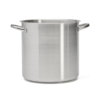
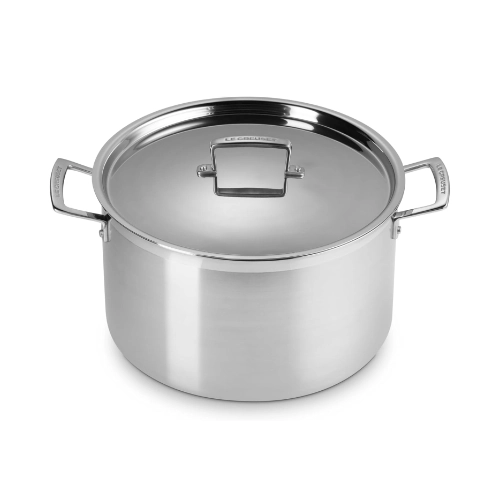
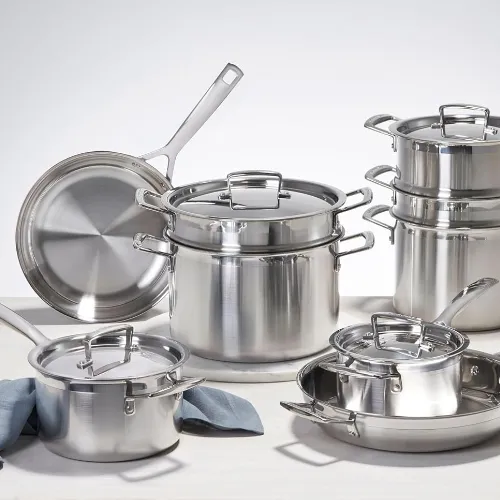
Moules aux frites needs a wide, deep pot that holds all the mussels comfortably and allows the steam to circulate. Crowded mussels don’t open evenly, and you end up with some perfectly cooked and some still shut when the others are already done.
I use the Le Creuset 28cm saucepan for this. The wide base gives the mussels room to open properly, the depth keeps everything contained as the shells open and the liquid increases, and the even heat distribution means the broth comes to a consistent simmer rather than boiling hard in one spot and barely simmering in another. It goes straight to the table for serving, which is the only right way to serve moules frites. The pan in the middle, the fries alongside, and everyone helping themselves.
Share your feedback and spread the love!
If you try this recipe, I’d love to hear how it turns out! Leave a ★★★★★ rating and your thoughts in the comments, it helps fellow French foodies discover this recipe too. Snap a photo and tag me @obviously.french on Instagram if you’re sharing your bake or cooking online. Don’t forget to save this recipe to Pinterest so you’ll always have it handy for your next French-inspired meal!
Disclosure: Just so you know, this post contains sponsored content and/or affiliate links, If you make a purchase through these links, I may receive a small commission. Doesn’t cost you anything extra. I only link to things that are actually worth your time. All opinions are my own!