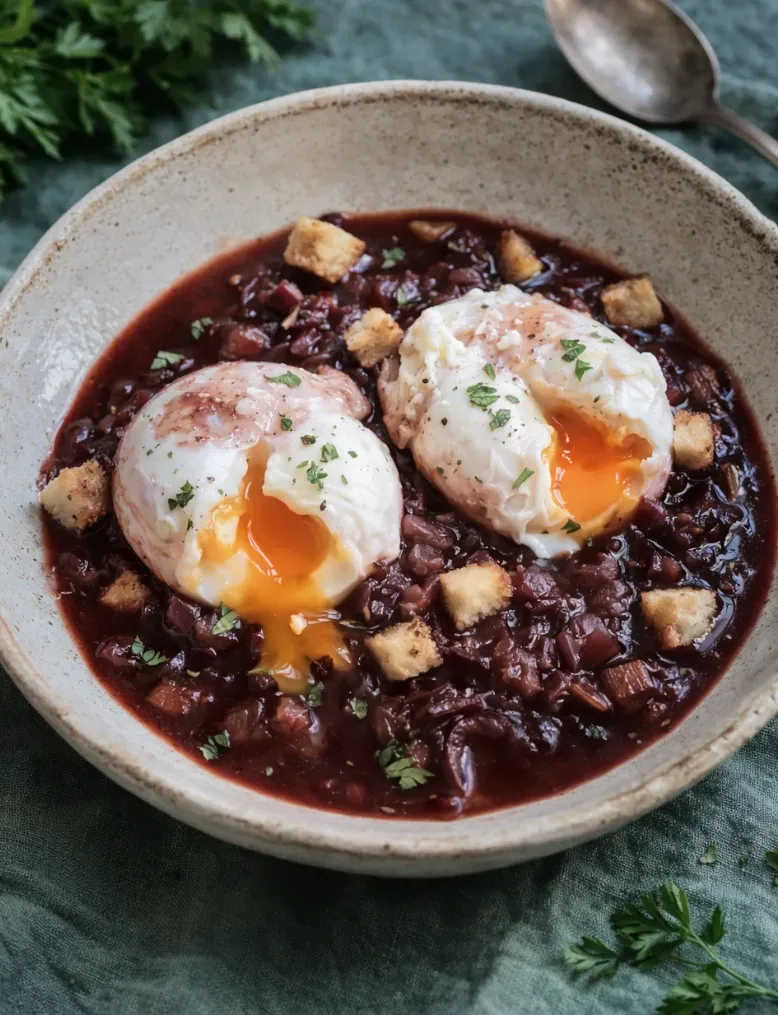
Oeufs à la Couille d’Âne
 Prep Time 10 minutes
  Cook Time 40 minutes
  Total Time 50 minutes
  Servings 4
Ingredients
For the red wine sauce
- 200 gr shallots
- 500 ml red wine use something decent from Berry or Loire if possible
- 200 gr vegetarian smoked lardons
- 50 gr unsalted butter
- 50 gr vegetable stock original recipe with beef stock
- 1 l water
- 2 tbsp blackcurrant liqueur a.k.a crème de cassis
- 1 bay leaf
- 2 sprigs thyme
For the poached eggs
- 500 ml red wine
- 8 eggs
For the croutons
- bread
- olive oil
Equipment
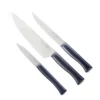
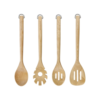
Instructions
1. Prepare the shallots
- Peel and finely mince the shallots. You want them quite small, they'll basically melt into the sauce later. The original Berry shallots are a cross between shallots and onions, so they're milder and sweeter than your standard shallot. If you can't find them (and you probably can't unless you're in Berry), regular shallots work perfectly well.
2. Start the sauce
- Melt the butter in your frying pan over medium heat. Chuck in the vegetarian smoked lardons and let them sizzle for a minute or two. Add the minced shallots and cook gently, stirring occasionally, until everything's soft and starting to caramelise. Don't rush this bit, you want the shallots properly sweet and golden. Takes about 10 minutes.
3. Build the wine sauce
- Strip the leaves off your thyme sprigs and add them to the pan along with the bay leaf. Pour in the 50cl of red wine and turn the heat up to medium-high. Let it bubble away until it's reduced by about half. You're concentrating all those wine flavours and getting rid of the harsh alcohol edge. Should take 8-10 minutes.
4. Add the blackcurrant liqueur
- Stir in the blackcurrant liqueur and let it cook for another few minutes. This adds a subtle sweetness that balances the wine's acidity. Berry's famous for its blackcurrant, so this isn't just showing off, it's regional logic.
5. Finish the sauce
- In a separate small pan, dissolve your vegetable stock in water. Bring it to a simmer, then pour it into your wine and shallot mixture. Let the whole thing reduce down until it's thick enough to coat the back of a spoon. You want it glossy and rich, not watery. This takes another 10-15 minutes. Taste it and adjust seasoning, probably needs a pinch of salt and some black pepper. Keep it warm whilst you sort the eggs and garnish.
6. Prep the croutons
- Cut your bread into small cubes, about 1cm. Put them on a baking tray, drizzle with olive oil, and give them a toss. Bake them at 180°C for about 5 minutes until the croutons are crisp and golden.
7. Poach the eggs
- Right, you've got two options here. The traditional Berry method poaches the eggs directly in red wine, which colours them anywhere from pale pink to deep burgundy and adds flavour. If you're thinking "that sounds mad," fair enough, there is an alternative.Traditional method (wine poaching):Bring your 50cl of red wine to a gentle simmer in a medium saucepan, don't let it boil hard or the eggs will fall apart. Crack each egg into the simmering wine and poach for 2-3 minutes. The whites will set but stay tender, and they'll pick up varying amounts of wine colour depending on how long they're in there. Some might stay quite pale, others will turn a deeper burgundy, it all looks impressive. Use your slotted spoon to lift them out carefully.Standard method (water poaching):Bring a pan of water to a gentle simmer and add a splash of white wine vinegar. Create a gentle whirlpool with a spoon, then crack each egg into the centre. Poach for 3 minutes until the whites are set but the yolks are still runny. Lift out with a slotted spoon.
8. Plate up
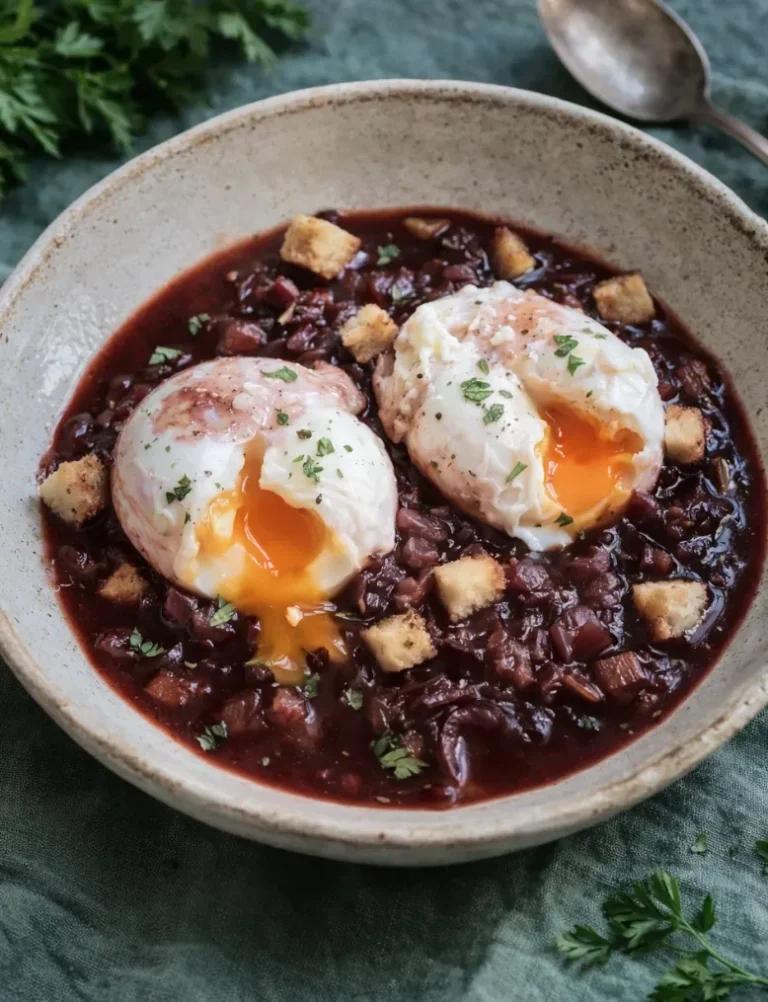
- Ladle the warm wine sauce into deep plates, you want a good pool of it. Place two poached eggs on top of the sauce in each bowl, and scatter the crispy croutons. If you're using parsley, sprinkle a bit over now.The whole point is the contrast: soft, wine-touched eggs against the rich, glossy sauce, with those crispy bits on top for texture.Serve immediately whilst everything's still warm and the yolks are runny.
Notes
- Wine choice matters. Use something you’d actually drink, cheap cooking wine will make the sauce taste harsh and vinegary. A decent Loire or Rhône red works well. Doesn’t need to be expensive, but it should be drinkable. Avoid anything too tannic or oaky.
- Can’t find échalotes-oignons? No one can outside Berry. Regular shallots work perfectly fine. If you want to get closer to the original milder sweetness, use a mix of shallots and a small red onion.
- Vegetarian lardons work brilliantly here, but if you’re not vegetarian, use smoked or unsmoked bacon lardons. The vegetarian ones from most supermarkets crisp up nicely and absorb the wine flavours well.
- Timing the sauce. The reduction takes longer than you think. Don’t rush it, a thin, watery sauce won’t coat the eggs properly. You want it glossy and thick enough to cling to a spoon. If it gets too thick, add a splash of water or wine.
- Poaching in batches. Unless you have a massive pan, poach the eggs in two batches of four. Keep the first batch warm in a low oven whilst you do the second lot.
- The sauce can be made a few hours ahead and reheated gently. The eggs need to be done fresh, they go rubbery if you try to reheat them.
- No blackcurrant liqueur? Use a good blackcurrant jam thinned with a tiny splash of water. Won’t be quite the same, but it’ll give you that hint of sweetness.
- This is rich enough to be a main course, especially for brunch or lunch. Serve with a simple green salad dressed in vinaigrette to cut through the richness. You don’t need much else.
About this recipe
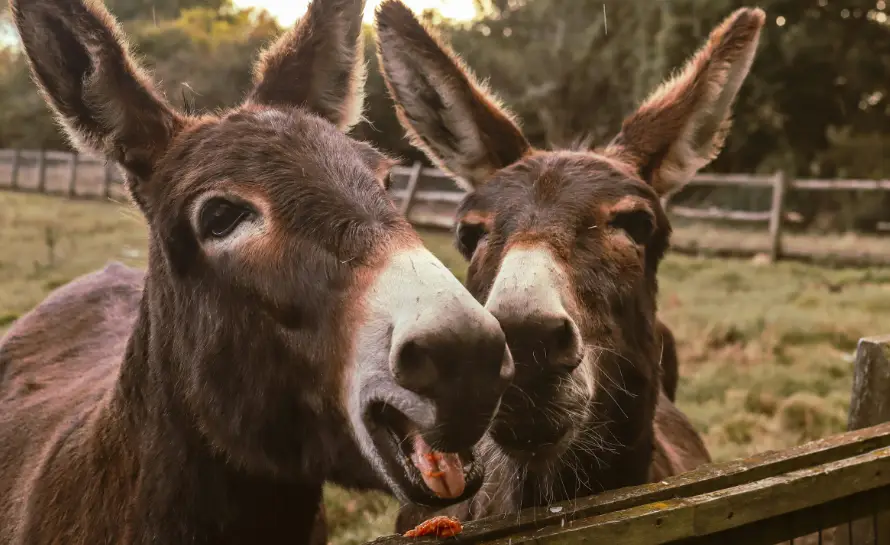
Gather round for a proper Berry tale, because if there’s one French dish guaranteed to raise eyebrows and spark a bit of dinner-table mischief, it’s Oeufs à la Couille d’Âne. Before you spit out your drink, let’s clear up the name. Translated literally, it’s Donkey’s Bollocks Eggs. Yes, really.
No donkeys were harmed in the making of this recipe. The “couille d’âne” in question is actually a rather plump, rustic shallot-onion, once grown in the Berry region of central France. The old province of Berry now sits across the départements of Indre and Cher, with the lovely city of Bourges as its historic capital. The name is local cheek, pure and simple, and if you ask me, the French do love a culinary double entendre. Try ordering this in a Berry bistro with a straight face. I dare you.
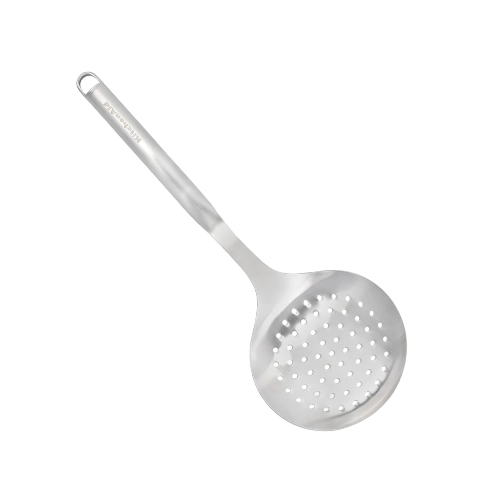
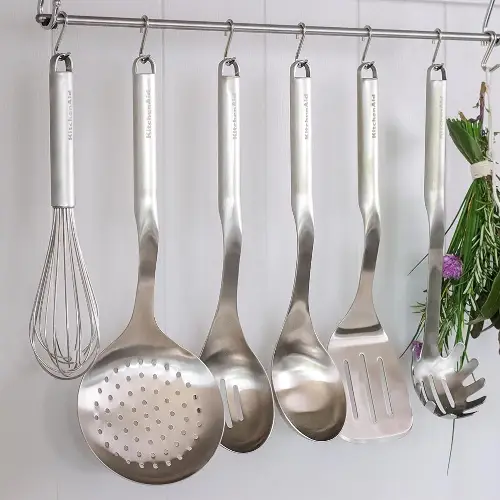
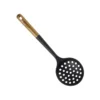
KitchenAid Skimmer Spoon
Find it on Amazon >
Where oeufs à la couille d’âne comes from
This is proper rural French cooking. Berry sits in the dead centre of France, landlocked and agricultural, far from any coast and not especially on the tourist trail. The cooking there reflects that. It’s hearty, unfussy, and built around what the land and the farmyard provide: eggs from the coop, lardons from the larder, stale bread that needs using up, and a decent bottle of local red.
Berry sits in the Loire wine region and produces some excellent reds, Menetou-Salon and Reuilly in particular. Eggs poached in red wine is not an accident or a quirk. It’s what you do when you have good wine and good eggs and not much else. The wine reduces as the eggs cook, turning almost syrupy and intensely savoury, coating the eggs in a deep burgundy glaze. The result looks dramatic and tastes extraordinary for something this simple.
Why French poached eggs in red wine actually work
If you’ve never made French poached eggs in red wine before, the idea might sound a bit odd. It isn’t. The wine does two things. It seasons the eggs as they cook, so every bite has that deep, winey savouriness all the way through. And the acidity in the wine helps the egg white set cleanly around the yolk rather than spreading out into thin wisps the way poached eggs sometimes do in plain water.
The shallots and lardons go in first, cooked down in butter until the lardons are golden and the shallots are sweet and soft. The wine goes in, reduces a little, and then the eggs are slipped in to poach directly in the sauce. The bread, fried in butter until properly golden, goes in the bowl first. The eggs sit on top. The sauce goes over everything. That’s it.
It’s the kind of dish that looks like you’ve gone to significant effort when actually the whole thing takes about 25 minutes.
Getting it right
The wine matters, but it doesn’t need to be expensive. Use something you’d actually drink, a decent mid-range Burgundy or a Loire red if you can find one, but any robust, dry French red will do. Avoid anything too thin or too tannic. You want body and a bit of fruit.
The eggs need to be fresh. Fresh eggs poach beautifully because the whites are tight and cohesive. Older eggs spread. For French poached eggs in wine like this, fresh makes a real difference to how they look in the bowl.
A wide, heavy saucepan is what you want, something deep enough to hold a good depth of wine and wide enough to poach a couple of eggs without them crowding each other. The Tefal saucepan is what I use for this. The even heat distribution means the wine simmers steadily rather than boiling furiously at the edges, which matters when you’re trying to poach eggs gently.
For lifting the eggs out cleanly without breaking the yolk, a proper slotted spoon is essential. The KitchenAid slotted spoon is the one I reach for every time. The shape cradles the egg perfectly and lets the wine drain off before it goes into the bowl. Worth having in the kitchen for this alone.
How to serve it
Traditionally this is a starter, served on thick slices of fried bread in shallow bowls with the wine sauce spooned generously over the top and a good scattering of fresh parsley. Some versions add a little butter whisked into the sauce at the end to round it out. That’s a good idea and I’d recommend it.
It also works as a very satisfying lunch. Bread on the side, a simple green salad, a glass of whatever red you cooked with. That’s a proper Berry lunch and not a bad way to spend a weekday.
The name gets the laughs. The dish gets the second helpings.
Share your feedback and spread the love!
If you try this recipe, I’d love to hear how it turns out! Leave a ★★★★★ rating and your thoughts in the comments, it helps fellow French foodies discover this recipe too. Snap a photo and tag me @obviously.french on Instagram if you’re sharing your bake or cooking online. Don’t forget to save this recipe to Pinterest so you’ll always have it handy for your next French-inspired meal!
Disclosure: Just so you know, this post contains sponsored content and/or affiliate links, If you make a purchase through these links, I may receive a small commission. Doesn’t cost you anything extra. I only link to things that are actually worth your time. All opinions are my own!