Ratatouille
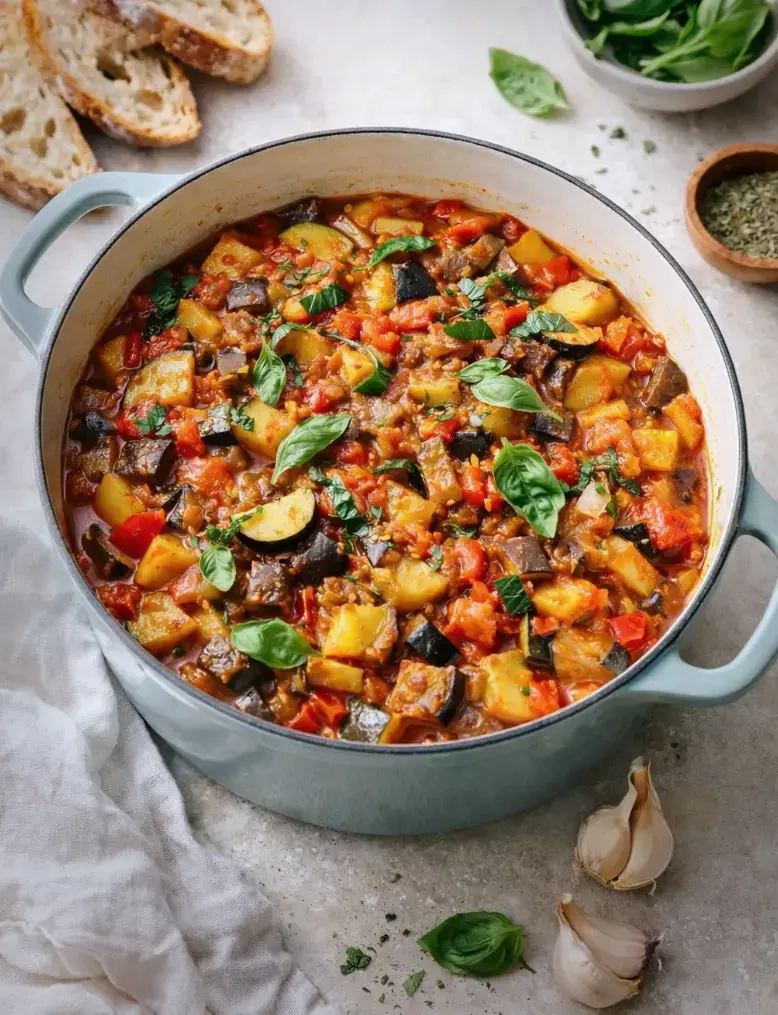
 Prep Time 25 minutes
  Cook Time 45 minutes
  Total Time 1 hour 10 minutes
  Servings 4
Ingredients
Equipment
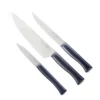
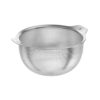
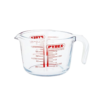
Instructions
1. Prepare the aubergines and courgettes
- Sweat the aubergine chunks in a colander with a generous sprinkle of salt for 20 minutes, then pat dry with a clean tea towel. This little ritual keeps things meltingly tender and never bitter.
2. Sauté the vegetables separately
- Heat half the olive oil in your pan over medium heat. Sauté the aubergine until golden, then remove to a bowl. Add a splash more oil, toss in courgette and peppers, and cook just until softened. Lift each into the bowl as they’re done. This lets each veg shine and avoids a muddy stew.
3. Make the aromatic base
- Tip in the onions to the pan, sweat until translucent, then add the garlic, stirring until fragrant. Tumble in those luscious tomatoes and simmer for 5 minutes.
4. Combine and stew gently
- Return your cooked veggies to the pan, shower over the herbes de Provence, and season with salt and pepper. Stir gently. Cover and cook on a low heat for 20–25 minutes, or pop the lot into a 160°C oven for even slower loving. Let it mingle, but don’t stir too roughly, the vegetables should keep their personality.
5. Finishing flourish
- Taste, adjust seasoning, and if you’re feeling the French spirit, garnish with fresh basil. Serve warm with crusty bread, or cold if you’re channeling breakfast on a sun-dappled Nice terrace.
Notes
- Ratatouille gets even better a day later, after the magic happens overnight in the fridge.
- It’s even excellent cold, piled on toast with soft cheese or as a base for eggs.
- Serving ratatouille with a freshly cracked egg (either fried, poached, or baked right on top) is absolutely traditional across much of southern France and is beloved as a rustic, protein-rich upgrade, especially when the dish doubles as breakfast or a light supper. It adds an irresistible richness and feels like a tapas-style nod to Provençal home cooking.
About this recipe
Ratatouille is Provençal soul food, and it has been since the 18th century. Born in Nice, where summer produces an abundance of aubergines, courgettes, peppers, and tomatoes all at the same time, it started as a practical answer to a simple question: what do you do with everything ripe in the garden at once? The answer the south of France arrived at has been feeding people well ever since.
Where this ratatouille dish comes from
The word ratatouille comes from the Occitan “ratatolha,” which means roughly to stir up, describing the cooking action as much as the dish itself. The original ratatouille food recipe was straightforward working food: filling, cheap, and made entirely from what the season provided. Farmers and fishermen in the Nice region ate it regularly because it required no expensive ingredients and could be made in large quantities without much effort.
There is an old regional joke that ratatouille was food for those without teeth, a reference to how soft the vegetables become after slow cooking. It was not meant as a compliment at the time. Today it is a point of pride. A properly made ratatouille, cooked low and slow until every vegetable has given up its moisture and absorbed the flavours around it, produces something considerably more than the sum of its parts.
The ratatouille recipe debate
The most significant debate in any ratatouille recipe is whether to cook everything together from the start or to sauté each vegetable separately before combining them. The purist Provençal approach cooks each vegetable in its own pan first, allowing it to develop flavour and release moisture before joining the others. This takes longer and produces more washing up, but the result is a ratatouille dish in which each vegetable retains its own character rather than blending into a uniform stew.
The practical version, more common in French home kitchens, cooks everything together after a brief initial sauté of the aromatics. The vegetables meld together more completely, the broth is richer, and the whole thing is more like a stew. Both are valid. The choice depends on what you want from the finished dish and how much time you have.
The vegetables
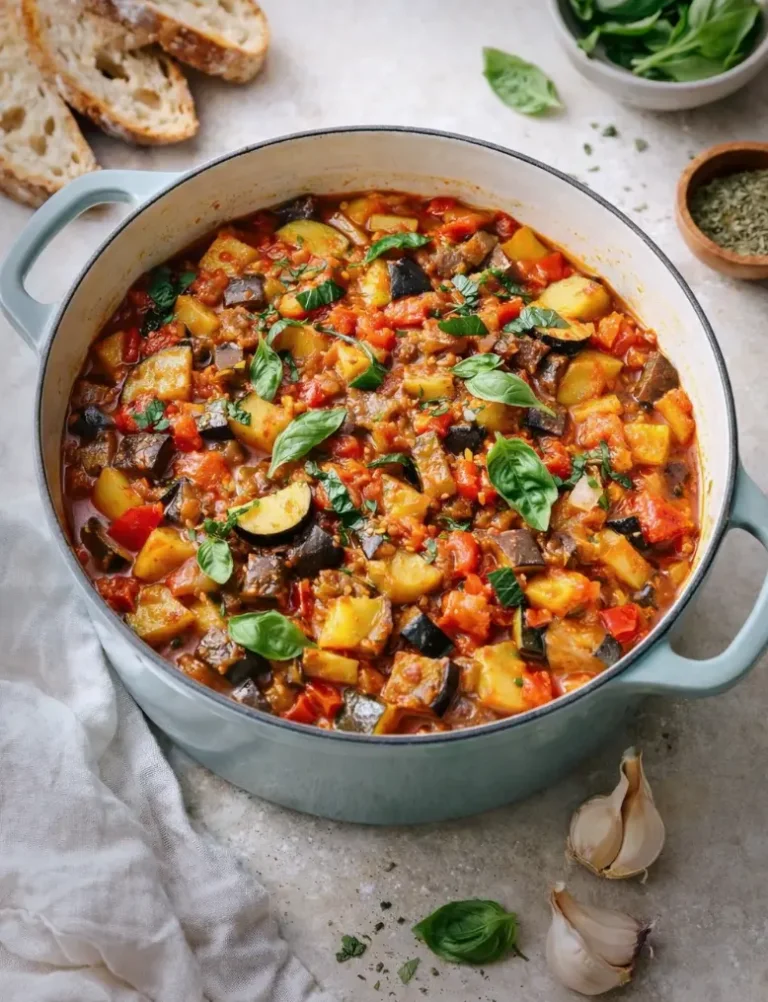
A proper ratatouille dish recipe uses aubergine, courgette, red and yellow peppers, tomatoes, onion, and garlic. Each one contributes something specific. The aubergine absorbs the olive oil and becomes silky. The courgette softens and sweetens. The peppers add a slight smokiness and depth. The tomatoes provide the liquid and the acidity that ties everything together. The onion and garlic are the base without which the whole thing falls flat.
Seasonal vegetables make a significant difference here. This ratatouille food recipe is at its best in summer when all of these vegetables are ripe, local, and full of flavour. Out of season tomatoes and peppers produce a paler, less interesting result. The dish cannot compensate for produce that has been stored cold and picked early.
The egg
Topping ratatouille with a fried or poached egg is a traditional Provençal touch that turns this vegetable dish into a complete meal. The yolk runs into the ratatouille as you eat, adding a richness that balances the acidity of the tomatoes and the lightness of the courgette. It is a small addition that makes a significant difference to the finished plate.
The right pot
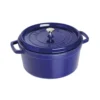
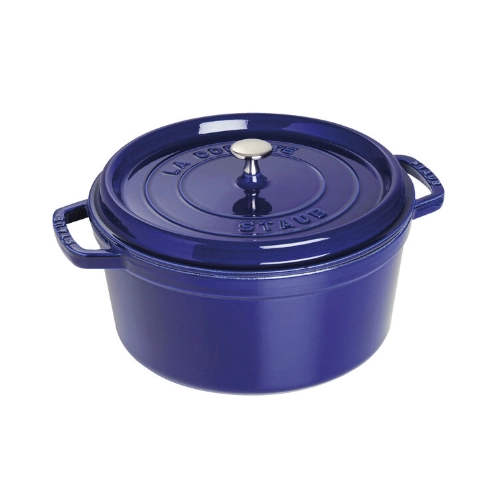
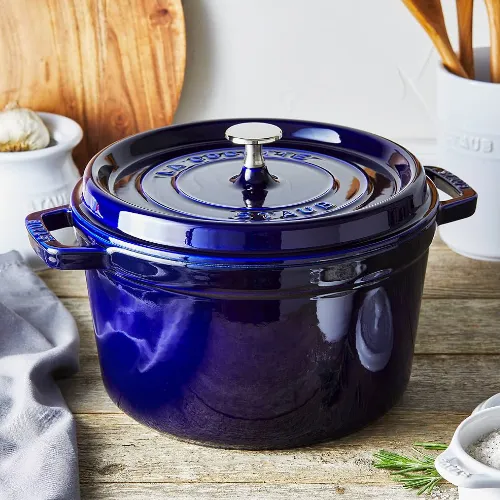
Ratatouille needs a pot that distributes heat evenly, allows a proper gentle simmer without catching on the base, and holds enough volume for all the vegetables, which start as a considerable amount before cooking down. I use my Staub cocotte for this ratatouille recipe. The cast iron holds heat steadily throughout the long cooking process, which allows the vegetables to soften and meld without drying out or sticking. The heavy lid traps moisture during the initial cooking stage, then comes off for the final reduction when you want the sauce to concentrate. It goes straight from hob to table, which for a dish this rustic and generous is the right way to serve it.
Serving ratatouille
Ratatouille is one of the most versatile dishes in French cooking. Serve it warm as a main course with good bread and an egg on top. Serve it at room temperature as a side dish alongside grilled fish or roast chicken. Eat it cold the next day, when the flavours have developed further overnight and the olive oil has settled back through the vegetables. It reheats well and improves with time, which makes it one of the better dishes to make a large batch of at the weekend and eat through the week.
Share your feedback and spread the love!
If you try this recipe, I’d love to hear how it turns out! Leave a ★★★★★ rating and your thoughts in the comments, it helps fellow French foodies discover this recipe too. Snap a photo and tag me @obviously.french on Instagram if you’re sharing your bake or cooking online. Don’t forget to save this recipe to Pinterest so you’ll always have it handy for your next French-inspired meal!
Disclosure: Just so you know, this post contains sponsored content and/or affiliate links, If you make a purchase through these links, I may receive a small commission. Doesn’t cost you anything extra. I only link to things that are actually worth your time. All opinions are my own!