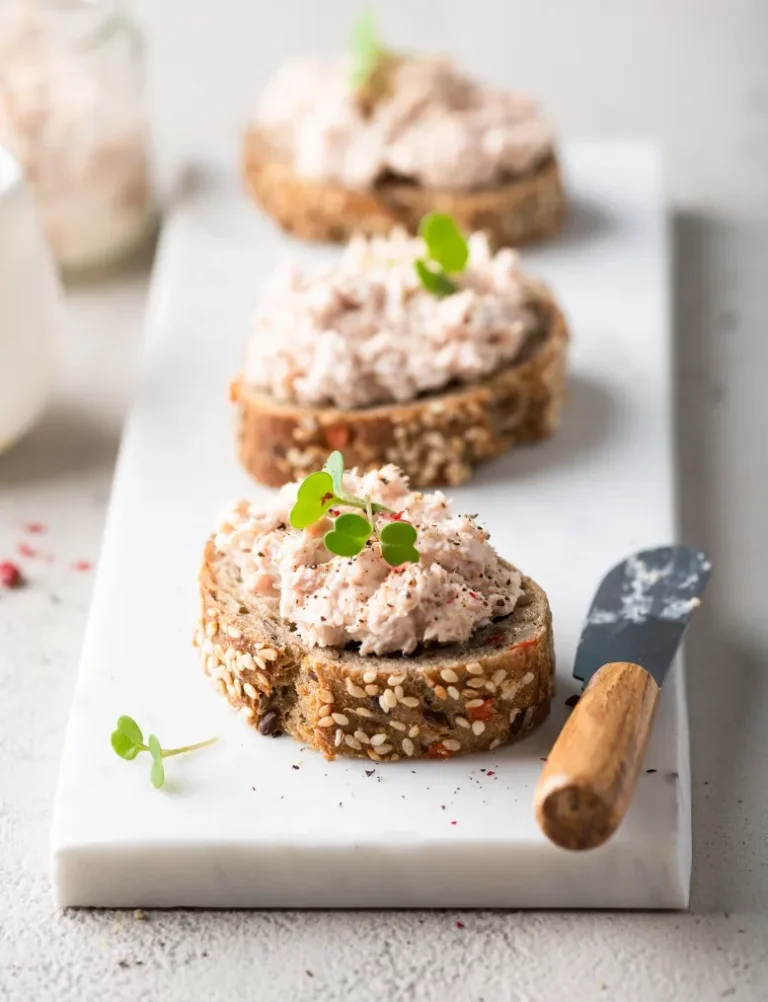
Rillettes de Thon
 December 19, 2025
Disclosure: This post may contain affiliate links which provide us a small commission when used for purchase. Please read my disclosure policy for more information. I am grateful for your support!
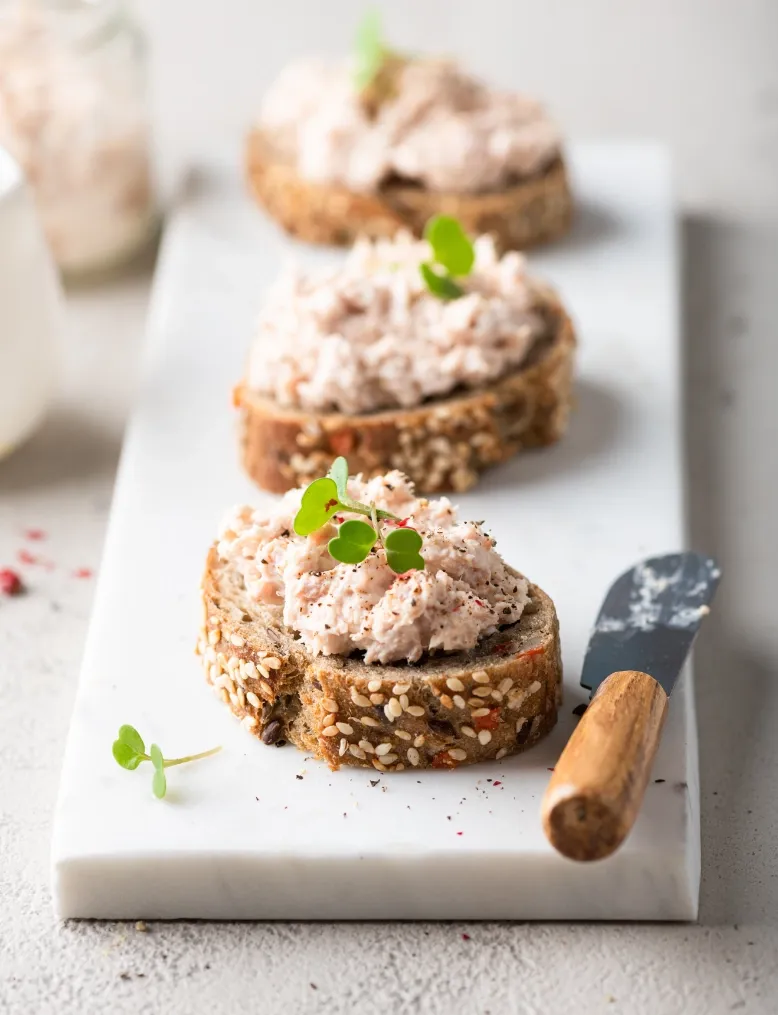
My grandfather used to make rillettes de thon for lunch, and the first time he offered me some I wasn’t sure. Cream cheese and fish? That sounds like it shouldn’t work. But he loved his food and always knew what he was talking about, so I trusted him.
We had a fresh baguette from the bakery that morning, and I absolutely loved it. It’s fresh and the tuna gets this lovely creamy quality you really won’t expect. We made one bowl and finished it between us!
Table of Contents
Where rillettes de thon comes from
The word rillettes originally refers to pork cooked slowly in its own fat and shredded into a rich, spreadable paste. Tours and Le Mans have been arguing about who did it first since at least the Middle Ages, and they’re still at it. The idea of applying the same concept to fish came later and from a very specific place: the Atlantic coast of Brittany, where tuna fishing has been central to local life for generations.
The île de Groix, a small island off the southern Breton coast, was so defined by tuna fishing that between 1863 and 1979 it had five canneries producing some of the best canned albacore tuna on the Atlantic coast. At its peak, 300 tuna boats were moored in its two ports. The connection between the island and tuna was so close that the rooster on the church bell tower was replaced by a golden tuna.
In the 1950s, fishermen along the Atlantic coast started looking for ways to turn their tuna catch into something spreadable and flavourful, inspired by the pork rillettes tradition they already knew. The idea spread quickly, and by the 1960s Breton canneries were producing industrial versions. The cream cheese came later, as a way of making the texture lighter and fresher than the original oil-based versions. And that’s the version that ended up in every French household, including my grandfather’s kitchen.
Ingredients
- Tinned tuna – This is the base, so it’s worth buying a decent one. Tuna in spring water works best here. In oil is fine if you drain it well, but it comes out richer. And in brine can be too salty.
- Cream cheese – What makes this a cream cheese tuna spread rather than a mayo-heavy one. Use full-fat, since reduced-fat versions go watery and a bit sharp. It binds the tuna without taking over.
- Crème fraîche – A couple of spoonfuls, for a bit more richness and a gentle tang.
- Dijon mustard – A teaspoon, for a quiet kick under the cream.
- Shallot – Very finely chopped. And I mean very finely as nobody wants to bite into a raw wedge of it.
- Chives – Fresh and snipped for a clean green note.
- Lemon juice – The bright lift that stops the whole thing feeling heavy so don’t skip it.
- Salt and black pepper – Go easy on the salt, since the tuna already brings its own.
How to make rillettes de thon
1. Drain the tuna properly
Tip the tuna into a sieve and press down hard with the back of a fork to squeeze out as much liquid as you can. Watery tuna gives you watery rillettes, and there’s no way of fixing that later. Then break it up in a bowl with the fork until it’s in fine flakes. The finer you flake it now, the smoother and more spreadable the end result.
2. Mix and season
Add the cream cheese and crème fraîche and mix to a fairly smooth, spreadable texture. Leave a few bigger flakes if you like a bit of texture. Then stir in the finely chopped shallot, the chives, Dijon and lemon juice. Season with a pinch of flaky salt and a good grind of pepper, and taste. You’re after creamy, but with enough acidity to cut the richness. Adjust with the lemon if it needs waking up.
3. Chill
Cover it and give it at least 20 minutes in the fridge, longer if you can. This lets the flavours settle into each other and firms the texture up a touch. It’s genuinely better after a few hours, so it’s a good one to make ahead.

Tools for this recipe
Check out my favorite kitchen essentials and cookware!
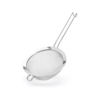
- Use a fine sieve to effortlessly drain the tuna.
- I use my trusty sharp chef’s knife to cut the herbs and shallot very fine.
- I make this recipe in a sealed glass container to preserve in the fridge!
Tips for success
- Drain harder than feels necessary: this might sound crazy but press the tuna in the sieve until barely a drop comes out. Wet tuna is the single reason a rillettes goes sloppy.
- Full-fat cream cheese, always: reduced-fat goes watery and sharp and fights the tuna while the full-fat one gives a noticeably richer and smoother result.
- Mince the shallot very small: a big shard of raw shallot ruins a mouthful. Get it as fine as you can, or soak it in the lemon juice for a few minutes first to take the raw edge off.
- Make it ahead: the rillettes de thon improves after a few hours, and it’s even better overnight. So if you’re doing apéro, make it that morning and forget about it until the wine’s open.
- Serve it cold: serve it straight from the fridge. This isn’t a cheese board thing that wants to come up to room temperature, it’s meant to be cool and fresh.
How to store it
- Keeps well in the fridge for up to 3 days in a sealed container, and as I said, it’s better on day two than day one. Give it a quick stir before serving, since it firms up when cold.
- I wouldn’t freeze it. Cream cheese and crème fraîche both split and go grainy once frozen and thawed, so you’d lose that smooth, creamy texture. This is a make-it-fresh, eat-it-within-a-few-days recipe, which is no hardship given how fast it goes!
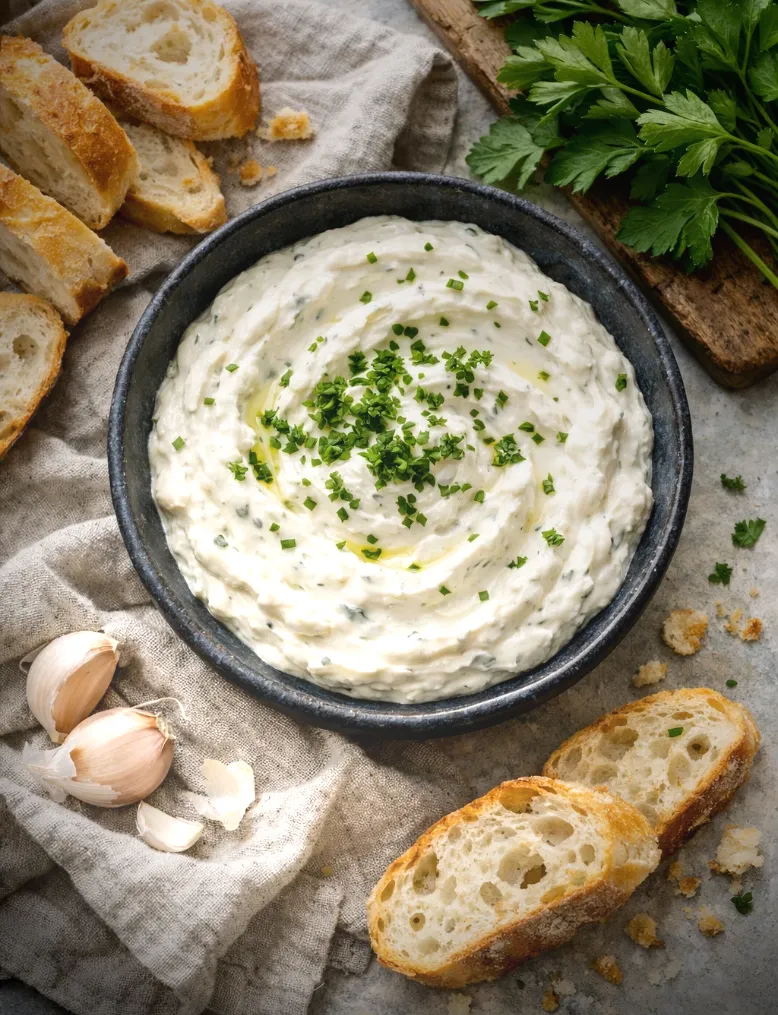
More apéro recipes to try
Variations
- Add capers or cornichons: a spoonful of capers, or a few finely chopped cornichons, gives a sharper, more bistro-style bite against the cream.
- A pinch of cayenne for a faint bit of heat: Just a pinch to warm up, not spice it.
- Swap in mayo: more rustic and richer than the cream cheese version. I can’t get my English husband to have it any other way, so I know it has its fans!
- Fresh herbs beyond chives: a little dill or parsley works nicely, especially if you’re serving it with fish or on a picnic spread.
- Make it a proper sandwich: this is the best tuna sandwich spread I know. Stuff it into a good baguette with crisp lettuce and a few cornichons or sliced radish, and you’ve got lunch that needs no excuse.
FAQ
What is rillettes de thon?
It’s a French tuna spread: tinned tuna blended with cream cheese, crème fraîche, Dijon, shallot, chives and lemon into something smooth and spreadable. It borrows the idea from pork rillettes but uses fish, and it’s a classic on the apéro table.
Is tuna spread the same as tuna salad?
Not quite. American tuna salad is usually mayo-based and chunky, made for sandwiches. This cream cheese tuna spread is smoother and more spreadable, meant for crackers and baguette as much as sandwiches, and it leans on cream cheese rather than mayo for a lighter, fresher result.
Can I make tuna spread ahead of time?
Yes, and you should. It actually improves after a few hours in the fridge and is better overnight, as the flavours settle. It keeps for up to 3 days. Just give it a stir before serving, since it firms up cold.



 Prep Time 10 minutes
  Total Time 30 minutes
  Servings 6
Description
Ingredients
- 290 gr tuna in water
- 150 gr cream cheese full-fat works best
- 2 tbsp crème fraîche
- 1 shallots very finely chopped
- 1 tbsp chives
- 1 tsp mustard Dijon
- 15 ml lemon juice
- flaky salt
- black pepper

Instructions
1. Drain the tuna properly
- Tip the tuna into a sieve and press firmly with the back of a fork to squeeze out as much liquid as possible. Watery tuna makes watery rillettes. Transfer to a bowl and break it up with the fork into fine flakes.
2. Add the creamy base
- Add the cream cheese and crème fraîche. Mix until fairly smooth and spreadable. Leave a few larger flakes for texture if you like.
3. Build the flavour
- Stir in the finely chopped shallot, chives, Dijon and lemon juice. Make sure the shallot is really fine so no one bites into a raw chunk.
4. Season and taste
- Add a pinch of flaky salt (go easy, the tuna's already salty) and a good grind of pepper. Taste, and adjust the lemon or seasoning. It should be creamy with enough acidity to cut the richness.
5. Chill and serve
- Cover and chill for at least 20 minutes to let the flavours meld. Serve with crusty baguette, crackers, or crudités. Scatter over a little fresh parsley if you fancy.
Notes
- Use good tuna. Tuna in spring water works best. In oil is fine if drained well, but richer. In brine can be too salty.
- Make it ahead. It improves after a few hours in the fridge, and the flavours develop beautifully overnight.
- Add-ins. A tablespoon of capers, a few finely chopped cornichons, or a tiny pinch of cayenne all work brilliantly.
- Keep it cold. Serve straight from the fridge. This isn’t meant to come to room temperature like a cheese board.
Share your feedback and spread the love!
If you try this recipe, I’d love to hear how it turns out! Leave a ★★★★★ rating and your thoughts in the comments, it helps fellow French foodies discover this recipe too. Snap a photo and tag @obviously.french on Instagram. Come talk about it in our Facebook group. And don’t forget to save this recipe to Pinterest so you’ll always have it handy for your next French-inspired meal!