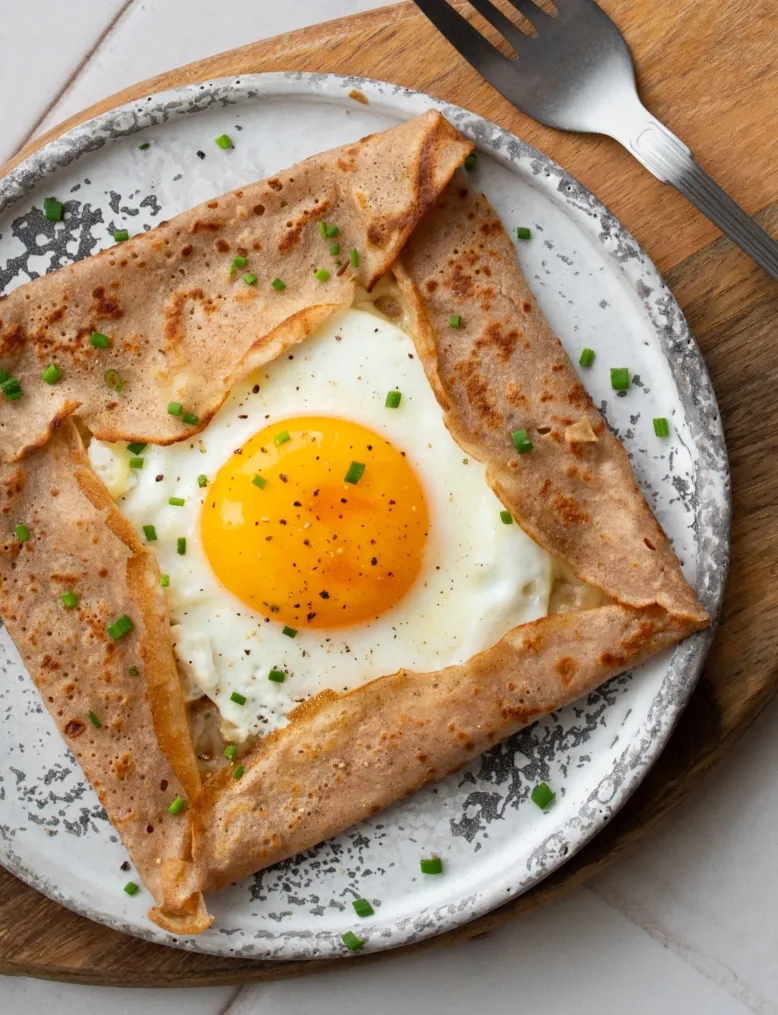
Galettes Bretonnes (Savoury Pancakes)
 Prep Time 15 minutes
  Cook Time 25 minutes
  Total Time 40 minutes
  Servings 4
Ingredients
For the galette batter
- 250 gr buckwheat flour
- 1 egg
- 500 ml water cold
- 20 g unsalted butter plus extra for the pan
- 1 pinch salt
For the filling
- 12 plant based ham
- 120 gr Gruyère cheese or Emmental
- 4 egg
- black pepper freshly ground
- 1 handful chives
- 120 gr baby spinach optional
Equipment



Instructions
1. Prepare the batter
- Pour your buckwheat flour and salt into a large bowl. Crack your egg into the middle, then whisk with roughly half the water. Once the mixture is smooth, add the remaining water gradually. Pour in the melted butter and whisk well. Let your batter rest, covered, for at least 1 hour.
2. Bake the galettes
- Heat your pan on medium-high and lightly grease it with butter. Give the batter a quick whisk then ladle a generous amount into the pan, swirl until evenly coated.
3. Fill your galette
- Once the top looks set and the edges begin to lift, lay on 1 slice of vegetarian ham and, if using, a sprinkle of spinach. Crack an egg in the middle, season with black pepper, sprinkle your cheese (leaving the yolk showing) and cover with a lid. The lid really does the magic here, helping the egg white set and the cheese melt. If you're unsure, you can also fry your eggs separately and slide them on top of your pancake.
4. Fold your galette
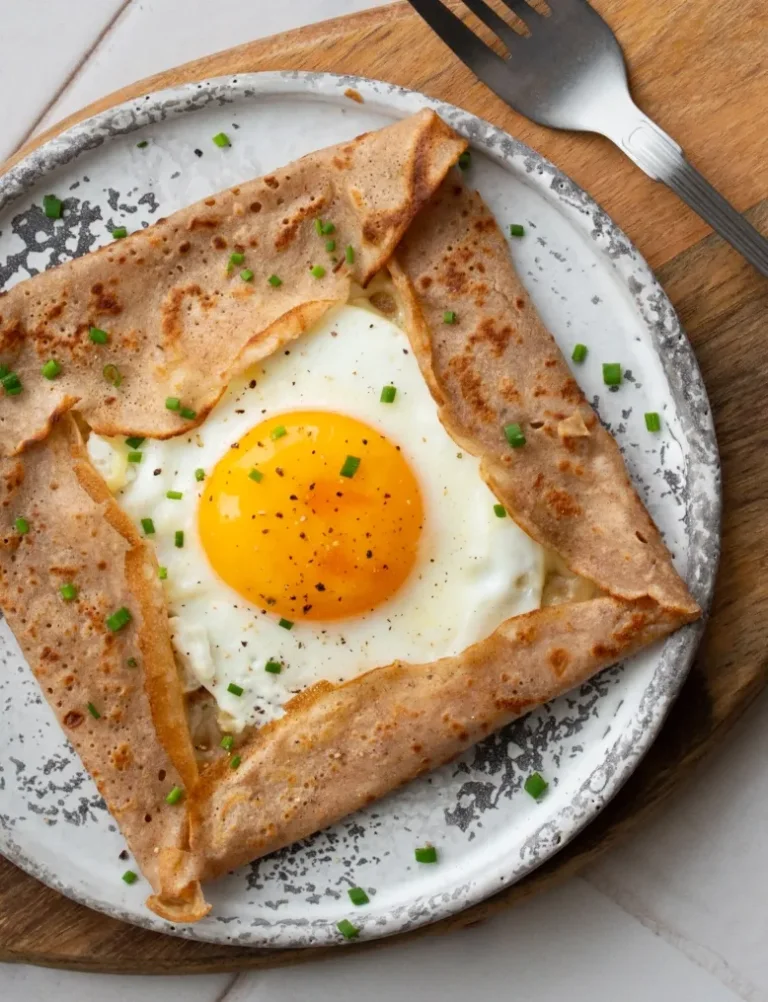
- Fold in the edges of the galette so you have a neat square or diamond with the yolk visible. Leave for a further minute if you fancy your egg set, or plate up right away for a runny centre.
5. Serve
- Repeat with the remaining batter and filling. Serve immediately, piping hot with fresh chives on top!
Notes
- Resting the batter makes a world of difference to texture and taste. It gives the flour time to hydrate so you’ll get those signature lacy galette edges.
- The first pancake is always a touch suspect, so don’t despair! A well-heated pan and confident swirl get you a gorgeous, thin galette worthy of a French crêperie.
About this recipe
Despite their air of rustic simplicity, these savoury pancakes, or as the French called them “Galettes Bretonnes” have a backstory richer than you would expect. Buckwheat is not even originally French, it was brought back from Asia during the Crusades in the Middle Ages, carried across continents before finding its natural home in the thin, acidic soils of Brittany where wheat simply would not grow. For centuries, buckwheat galettes were the pain noir of Brittany, a staple for farmers and families, eaten like bread or torn up in soup, never with the cheesy fillings and eggs we know today.
It was not until the late 19th century that the buckwheat pancakes “galette complète” appeared. At first, eggs and ham were genuine luxuries, reserved for special guests or a day when fortunes smiled. The crêperie as an institution is surprisingly modern, think Paris in the 1900s rather than ancient Brittany, but it quickly became a cornerstone of community life, the kind of place you went not just to eat but to sit, stay, and belong. The modern galettes bretonnes has become a canvas for all sorts of inventive savoury pancake fillings, but the holy traditional trinity, ham, cheese, egg, remains the benchmark in Brittany and anywhere you fancy a proper taste of the Atlantic coast.
Legend has it the shape, square, with a golden yolk beaming from the centre, mimics the Breton flag: black, white, and gold, proudly wafting in the wind off Saint-Malo. I cannot verify this, but I choose to believe it.
Galette vs crêpe, what is actually the difference?
Crêpes and galettes are cousins, but they grew up in different parts of Brittany with slightly different personalities. A crêpe is made with wheat flour, milk, and egg, lacy, tender, and most often served sweet, with sugar, lemon, melted chocolate, or flambéed Grand Marnier for the Crêpes Suzette. You will find them all over France, beloved in every region.
A galette is the breton galette recipe’s more serious sibling, made with buckwheat flour, salt, and water, producing a crisp-edged, earthy, nutty pancake that belongs entirely in the savoury world. Its colour is darker, the flavour robustly nutty in a way wheat flour never achieves, and it is traditionally folded into a square to frame its fillings like a picture. This is not a pancake that wants jam. It wants ham, it wants melted cheese, it wants an egg yolk breaking slowly across the whole thing.
Why buckwheat pancakes taste different
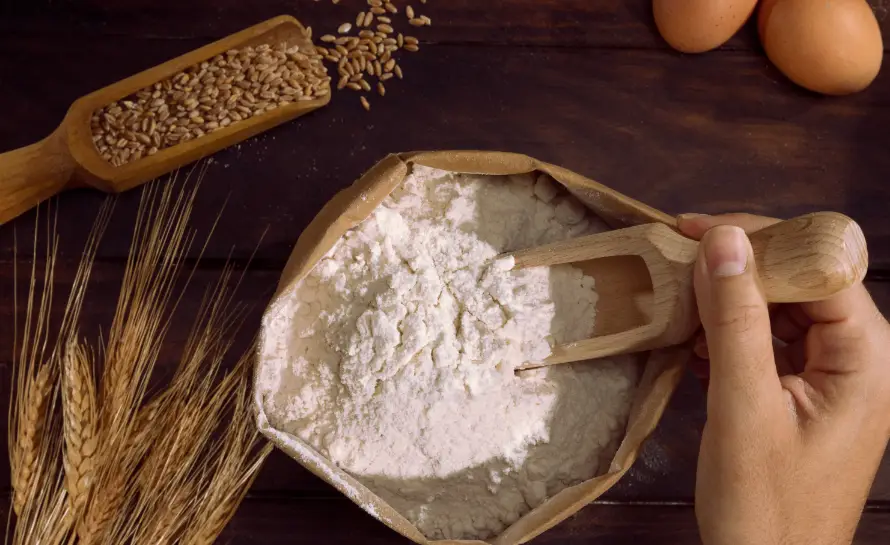
The buckwheat flour is everything here. It gives the galette its characteristic colour, its slightly earthy depth, and that crisp edge that a wheat-based pancake simply cannot replicate. Buckwheat is also naturally gluten-free, which makes this buckwheat pancakes recipe accessible to people who cannot eat wheat, a detail worth knowing when you are cooking for a group.
The batter is simpler than you might expect, buckwheat flour, water, salt, and sometimes an egg. It needs to rest. Do not skip this step. Resting allows the flour to fully hydrate and the batter to relax, which gives you a thinner, more even galette with better colour and texture.
Galettes bretonnes at home
This is another dish I grew up eating. Not in a crêperie, but at home, my mother making them for lunch on a Saturday, the kitchen smelling of buckwheat and butter. We always had the classic filling: ham, emmental, egg. Today as a vegetarian I use vegetarian ham. The egg cooked gently on top of the galettes bretonnes as it finished in the pan, the white just set, the yolk still soft. That is still how I make them.
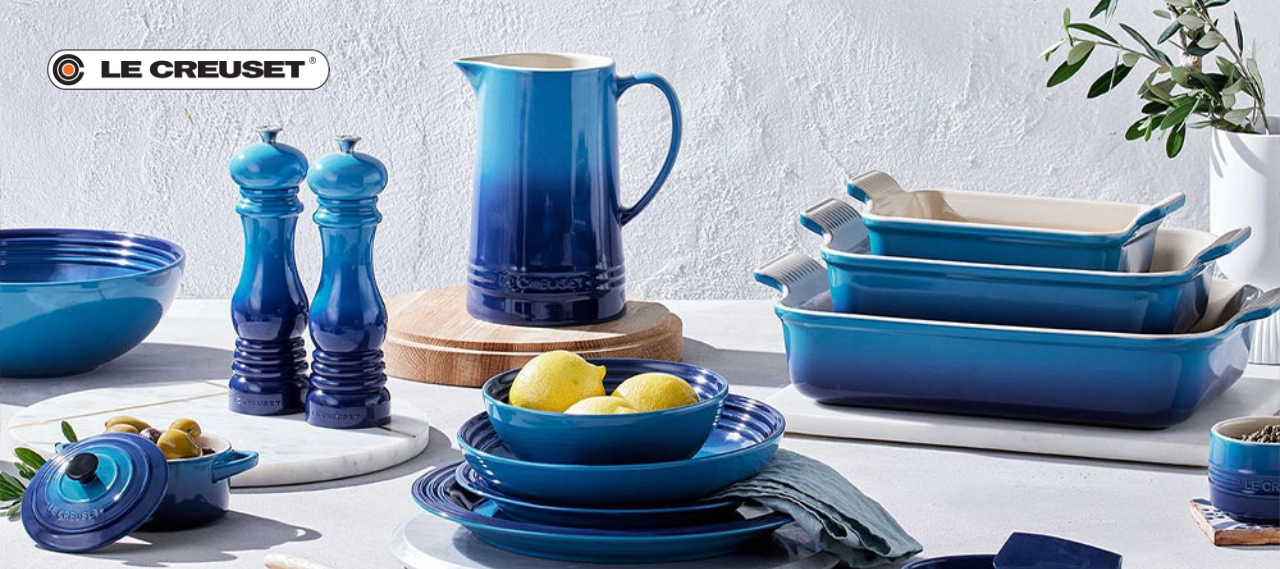
The pan matters for this. You need something wide, flat, and with good heat distribution, a proper crêpe pan rather than a standard frying pan. I use the Le Creuset crêpe pan, the cast iron holds heat beautifully and evenly, which is exactly what you need for a consistent golden colour across the whole galette without hot spots. It also lasts forever, which is the French approach to kitchen equipment generally.
The pancake fillings savory options are endless once you have the basic galette down, smoked salmon and crème fraîche, goat cheese and walnuts, mushrooms and thyme. But start with the classic. Ham, cheese, egg, folded into a square. That is the one that has lasted a hundred years in Brittany, and for good reason.
Share your feedback and spread the love!
If you try this recipe, I’d love to hear how it turns out! Leave a ★★★★★ rating and your thoughts in the comments, it helps fellow French foodies discover this recipe too. Snap a photo and tag me @obviously.french on Instagram if you’re sharing your bake or cooking online. Don’t forget to save this recipe to Pinterest so you’ll always have it handy for your next French-inspired meal!
Disclosure: Just so you know, this post contains sponsored content and/or affiliate links, If you make a purchase through these links, I may receive a small commission. Doesn’t cost you anything extra. I only link to things that are actually worth your time. All opinions are my own!