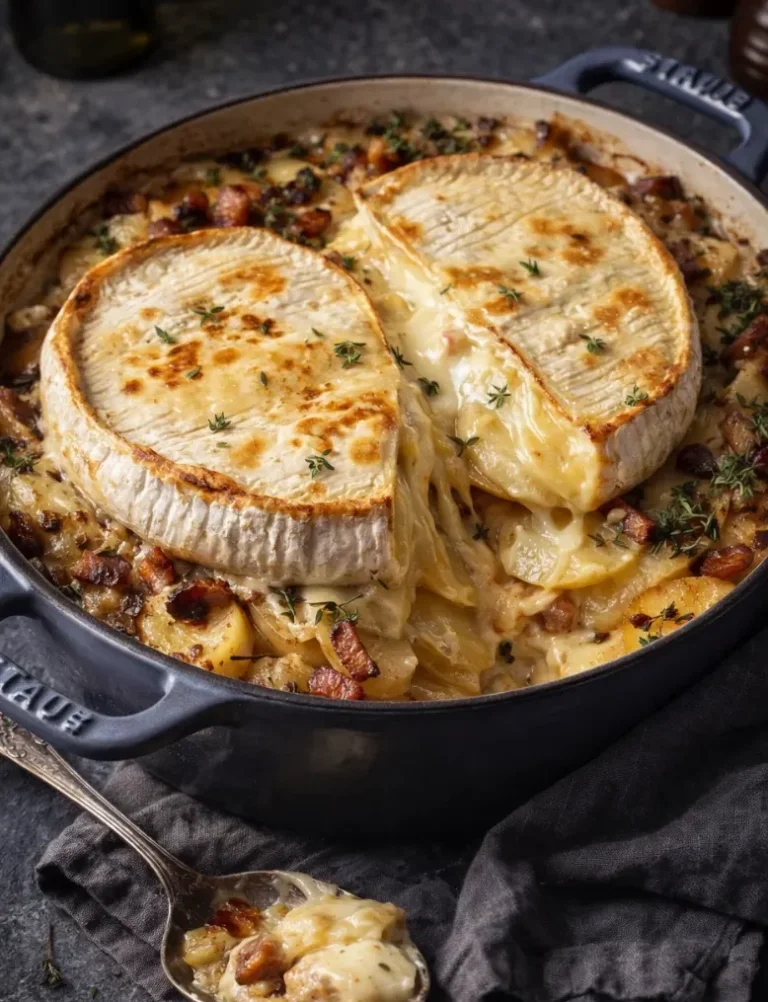
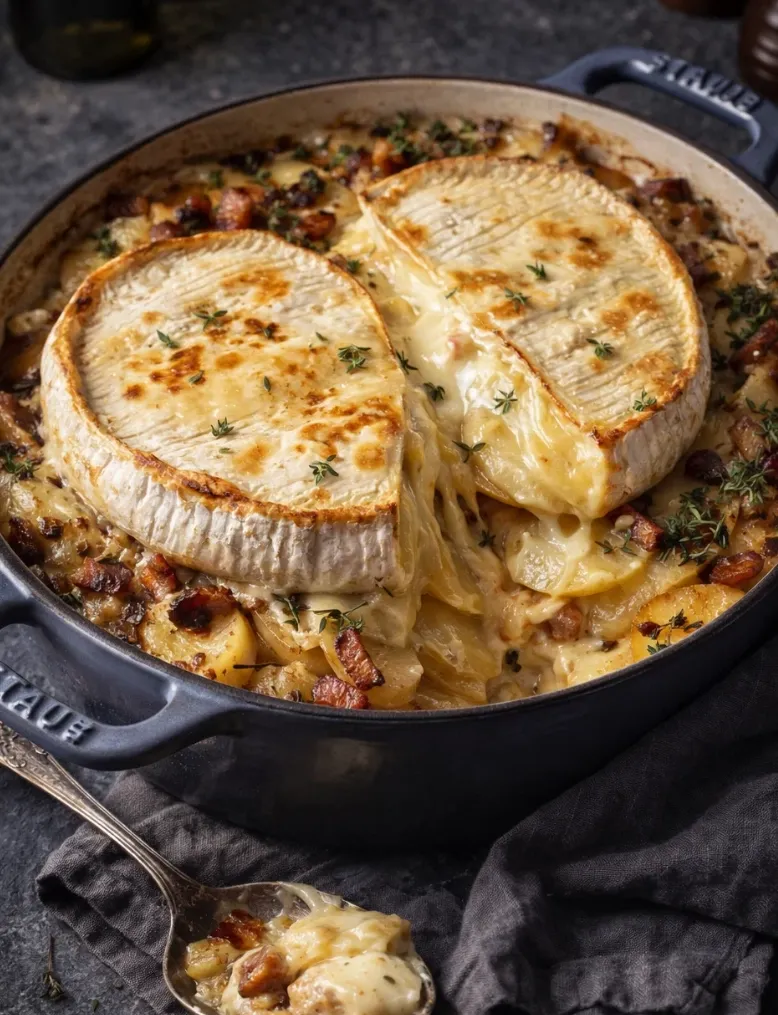
Tartiflette
 Prep Time 30 minutes
  Cook Time 45 minutes
  Total Time 1 hour 15 minutes
  Servings 4 people
Ingredients
- 1 kg waxy firm potatoes Charlotte, Roseval, or Waitrose Essential Red Potatoes
- 250 gr smoked plant-based lardons
- 1 onion
- 450 gr Reblochon cheese
- 250 ml double cream or plant based double cream
- 125 ml dry white wine optional, traditionally from Savoie
- 1 tbsp unsalted butter
- salt and black pepper
Equipment
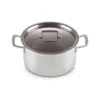
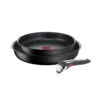
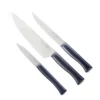

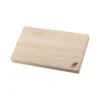
Instructions
1. Cook the potatoes
- Wash the potatoes and cook them whole, skin on, in a large pot of salted water for about 20 minutes, until just tender but not falling apart as they will finish cooking in the oven. Drain, let cool slightly, then peel and cut into thin slices.
2. Prepare onions and lardons
- Peel and finely slice the onions. Heat the butter in a frying pan, add the onions and cook gently until translucent. Add the vegetarian smoked lardons and fry together until both are golden and fragrant.
3. Deglaze (optional)
- Pour in the white wine and let it bubble for a minute to deglaze the pan. Remove from the heat and stir in the double cream. Season with pepper and a pinch of nutmeg. Taste before adding salt, as vegetarian smoked lardons and cheese are already salty.
4. Layer the tartiflette
- In your ovenproof baking dish, layer potatoes, then some of the onion-lardons-cream mixture. Repeat as many times as you like, making sure each layer is well distributed.If you want it extra cheesy, you can buy a second Reblochon and add slices of cheese in the layers as well as on top. This guarantees gooey cheese throughout the whole dish.
5. Add the Reblochon
- Slice the Reblochon in half horizontally to make two thinner rounds. Place the halves rind side up over the top of the dish (or cut into thick slices and distribute evenly).
6. Bake
- Bake in the centre of the oven for 45–50 minutes, until the cheese is melted, golden, and bubbling, and the potatoes are tender all the way through.
Notes
- Reblochon is essential for authenticity. If you can’t find it, a strong, creamy cheese like raclette or a robust brie will do, but it just won’t be quite the same.
- Some French cooks skip the cream, letting the cheese do all the work, but most traditional recipes include it for extra richness.
- Tartiflette is pure winter comfort, don’t even think about calories!

About this recipe
Tartiflette is one of those dishes that tastes like it has been made in Alpine kitchens for centuries. The reality is more interesting than that. It was invented in the 1980s by a cheese marketing board trying to sell more Reblochon. It worked so well that within a decade the dish had become a symbol of Savoyard cooking, served in every ski resort and replicated in home kitchens across France. Few marketing campaigns in food history have been quite so successful.
Where tartiflette actually comes from
The name comes from tartifla, the Savoyard word for potato, which tells you the dish’s Alpine roots even if the recipe itself is relatively recent. The Savoie region in the French Alps has always built its cooking around the ingredients available in a mountain environment: potatoes, onions, cured pork, and the rich, washed-rind cheeses that the region produces in abundance.
The french tartiflette draws direct inspiration from a much older local recipe called péla, a simple gratin of potatoes, onions, and cheese cooked in a long-handled pan over an open fire. Péla existed long before Reblochon was specifically incorporated into it. The Syndicat Interprofessionnel du Reblochon took that tradition, formalised a recipe around their cheese, named it tartiflette, and promoted it through ski resorts in the 1980s. The timing was perfect. Après-ski culture was growing, people wanted hearty, communal food after a day on the slopes, and potato tartiflette delivered exactly that.
The Reblochon question
Reblochon is a semi-soft washed-rind cheese from the Savoie region, made from raw cow’s milk and aged for a minimum of two weeks. It has a pale orange rind, a creamy interior, and a flavour that is mild, slightly nutty, and deeply savoury. When it melts over potato tartiflette in a hot oven, it becomes something completely different from the cold cheese: liquid, rich, and fragrant in a way that few other cheeses achieve.
The tartiflette cheese question comes up for people outside France who can’t find Reblochon easily. The honest answer is that nothing replicates it exactly, but a good Brie or Camembert gives you a similar melting quality and a comparable flavour profile. Some people use Raclette, which is firmer and less aromatic but melts beautifully. The dish is worth making with a substitute rather than not making at all.
The lardons
This recipe uses vegetarian lardons, which work better here than you might expect. The smoky, salty bite they provide is what matters in a potato tartiflette, and good vegetarian versions deliver exactly that without the dish losing its character. Cook them properly before the dish goes into the oven, giving them enough time in the pan for the edges to colour and the smokiness to develop. Vegetarian lardons can release less fat than traditional ones, so a small knob of butter in the pan helps with browning and adds the richness the dish needs.
The onions still need the same attention regardless of which lardons you use. Cooked slowly until completely soft and starting to caramelise, not just sweated briefly. The sweetness of properly cooked onions is one of the things that stops tartiflette tasting simply like cheese and potatoes.
The right dish for tartiflette recipes
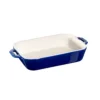
Tartiflette needs a baking dish that holds the layers securely, distributes heat evenly across the base, and goes from oven to table without losing heat quickly. I use the Le Creuset baking dish for this recipe. The stoneware retains heat brilliantly, which means the tartiflette stays bubbling and hot at the table long after it comes out of the oven. The size is right for four generous portions, the depth holds the layers of potato and cheese without overflowing, and it looks good enough to serve from directly. For a dish this rustic and generous, bringing the whole thing to the table and letting people serve themselves is the right approach.
How to eat tartiflette
In the Savoie region, tartiflette is après-ski food, eaten after a day on the slopes with cold hands and a serious appetite. It needs nothing alongside it except a green salad with a sharp mustard vinaigrette to cut through the richness, and a glass of Savoie white wine, something crisp and mineral that doesn’t compete with the cheese.
It reheats well the following day, though the cheese firms up slightly and the texture changes. Still very good, just different. Some people argue the second day version is better. They are not wrong.
Share your feedback and spread the love!
If you try this recipe, I’d love to hear how it turns out! Leave a ★★★★★ rating and your thoughts in the comments, it helps fellow French foodies discover this recipe too. Snap a photo and tag me @obviously.french on Instagram if you’re sharing your bake or cooking online. Don’t forget to save this recipe to Pinterest so you’ll always have it handy for your next French-inspired meal!
Disclosure: Just so you know, this post contains sponsored content and/or affiliate links, If you make a purchase through these links, I may receive a small commission. Doesn’t cost you anything extra. I only link to things that are actually worth your time. All opinions are my own!