Loaf pans. Seems straightforward until you’re staring at four different materials wondering why one costs five times more than another. And whether it actually matters for your weekend Gâteau Invisible aux Pommes.
And it does matter. Quite a lot, actually.
Different materials conduct heat differently, which means they brown differently, bake differently, and work better for different types of bakes. Glass gives you a gentle, even bake. Ceramic holds heat brilliantly and creates gorgeous crusts. Carbon steel heats fast and releases cleanly. Cast iron is basically indestructible and turns out professional results. None of them is “the best”, they’re each properly good at different things. Here’s what you need to know about each one.
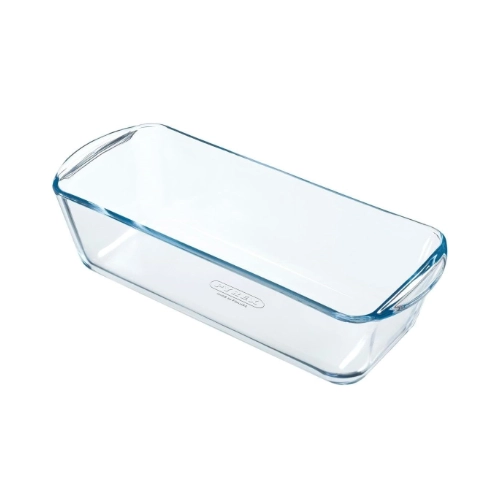
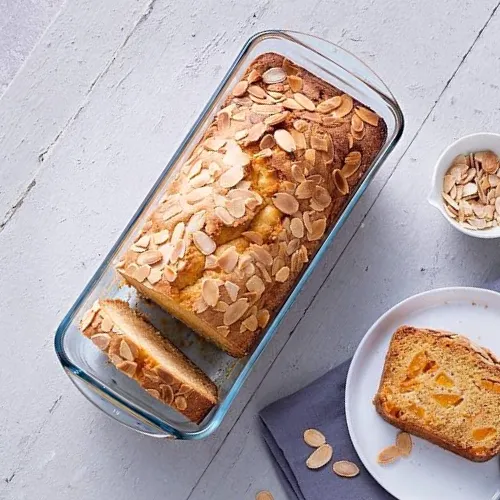
Pyrex Glass Loaf Pan
Find it on Amazon >
Glass Loaf Pans
Glass is what most people start with, and for good reason. It’s affordable, it lasts forever, and you can see exactly how your loaf is browning underneath without pulling it out of the oven.
How It Bakes
Glass is a poor heat conductor, which sounds bad but is actually brilliant for certain bakes. It heats slowly and evenly, then holds that heat steady. You get gentle, consistent baking with no hot spots. The sides and bottom brown at roughly the same rate, which is exactly what you want for delicate cakes and quick breads.
The Pyrex glass loaf pan is the workhorse here. It’s made from borosilicate glass, which handles thermal shock better than regular glass, though you still shouldn’t put it straight from freezer to oven or you’ll be sweeping up shards.
Best For
- Delicate French cakes like quatre-quarts (pound cake) or Gâteau Invisible aux Pommes
- Quick breads, banana bread, courgette loaves, that sort of thing
- Anything with a batter rather than a dough
Honest Assessment
Glass doesn’t brown as deeply as metal, so if you’re after a proper dark crust, you’ll be disappointed. It’s also heavier than metal and more fragile. But for everyday baking, weekend cakes, weeknight banana bread, it’s spot on.
And the fact that you can see the bottom browning? Brilliant. No more guessing games.
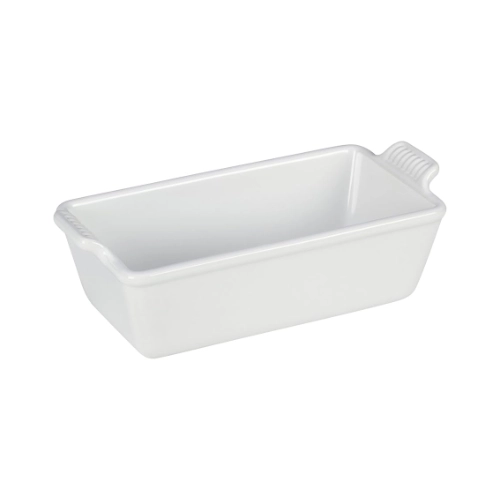
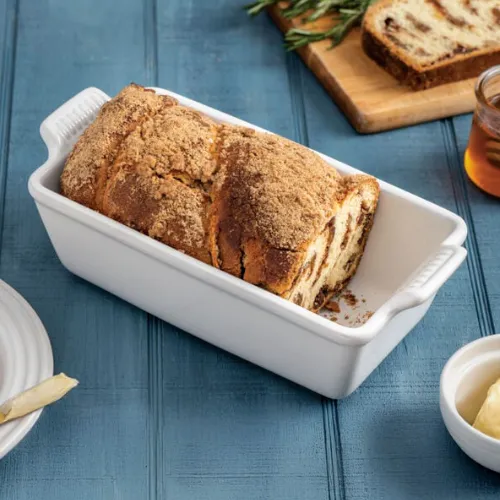
Le Creuset Ceramic Loaf Pan
Find it on Amazon >
Ceramic Loaf Pans
Ceramic is what French bakers used for centuries before metal pans became standard. There’s a reason, it works ridiculously well for crusty, structured bakes.
How It Bakes
Ceramic heats slowly like glass, but here’s the difference: once it’s hot, it stays hot. Proper heat retention. This means your bake gets consistent, steady heat throughout the entire baking time, which is exactly what you need for a good rise and an even crumb.
Le Creuset’s Heritage Stoneware loaf pan is glazed inside and out, so it’s naturally non-stick and won’t absorb flavours or smells. The thick walls distribute heat evenly and create a humid baking environment, which helps with crust development. It’s proper quality, dense stoneware that’ll outlast you.
Best For
- Brioche, the moisture retention gives you that soft, tender crumb whilst still forming a golden crust
- Pain de mie (French sandwich bread)
- Enriched doughs that need gentle heat
- Savoury loaves and cakes that benefit from a proper crust
- Terrines where you want even cooking and easy release
Honest Assessment
Ceramic is heavier than glass and takes longer to heat up, so you’ll want to add 5-10 minutes to your baking time. It’s also more expensive. But if you bake brioche or enriched breads regularly, it’s worth it. The results are properly good, evenly baked with a gorgeous crust.
One more thing: it goes from oven to table without looking naff, which is handy for weekend entertaining.
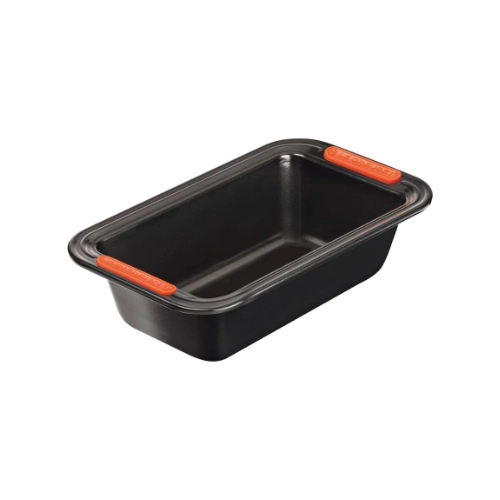
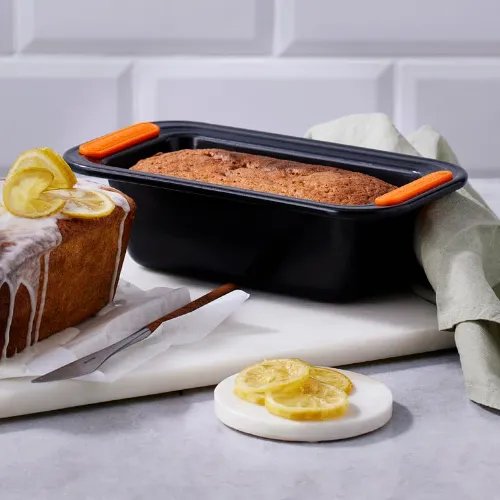
Le Creuset Carbon Steel with Silicone Coating Loaf Pan
Find it on Amazon >
Carbon Steel with Silicone Coating
This is what professional bakers reach for when they want perfect release and consistent results. It’s carbon steel treated with a silicone coating that makes it naturally non-stick without the faff of greasing and flouring.
How It Bakes
Carbon steel conducts heat brilliantly, it heats quickly and evenly, so you get fast, efficient baking with excellent browning. The silicone coating means your loaf slides out cleanly every single time, which is particularly useful for delicate cakes or sticky batters.
The Le Creuset version is proper quality, thick steel that won’t warp in the oven, and the silicone coating is bonded on, not just sprayed. It’ll last years if you treat it right.
Best For
- Sticky batters, think cake au yaourt, which can be a nightmare to unmould
- Cakes you want to turn out perfectly for serving
- Quick browning, it heats fast, so it’s good for recipes where you want a golden crust quickly
- Everyday baking where you don’t want to mess about with parchment paper
Honest Assessment
The silicone coating makes it non-stick, but you’ll still want to treat it gently, no metal utensils, no abrasive scrubbing. Hand wash it and it’ll be fine. And whilst it heats quickly, that also means it can overbrown if you’re not paying attention. You might need to tent your loaf with foil towards the end of baking.
It’s lighter than ceramic or cast iron, easier to handle, and genuinely does release cleanly. For regular baking, it’s a solid choice.
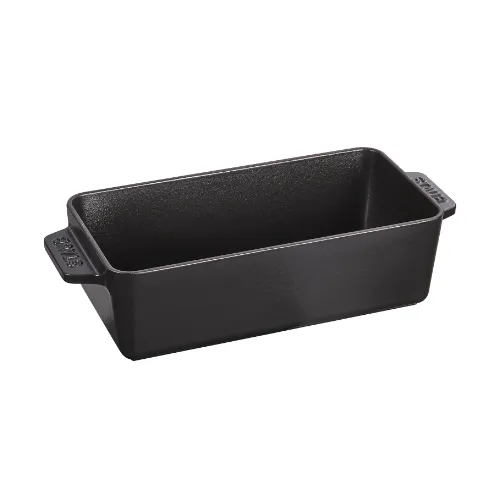
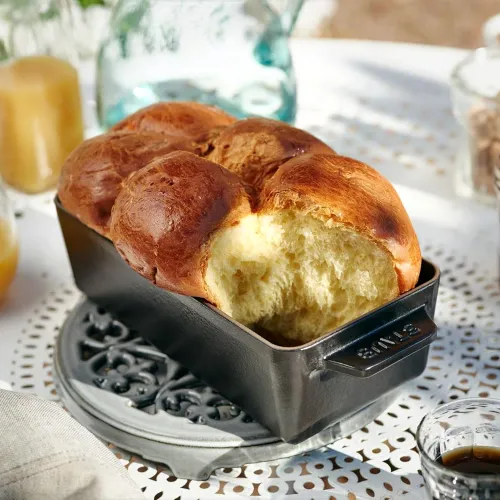
Staub Cast Iron Loaf Pan
Find it on Amazon >
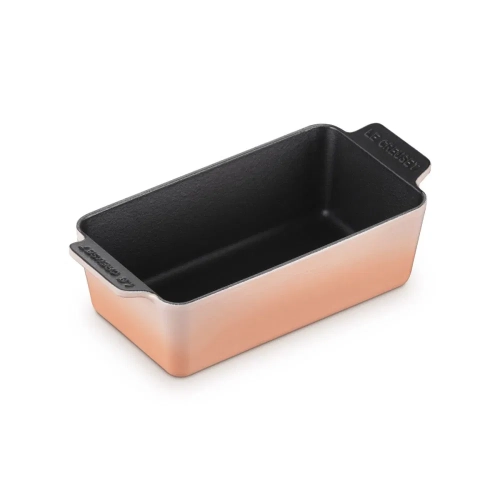
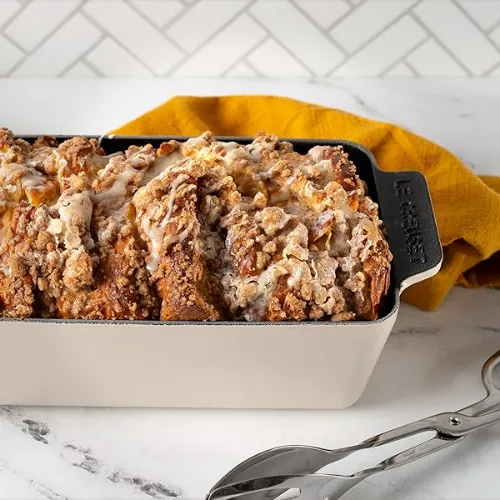
Le Creuset Cast Iron Loaf Pan
Find it on Amazon >
Cast Iron Loaf Pans
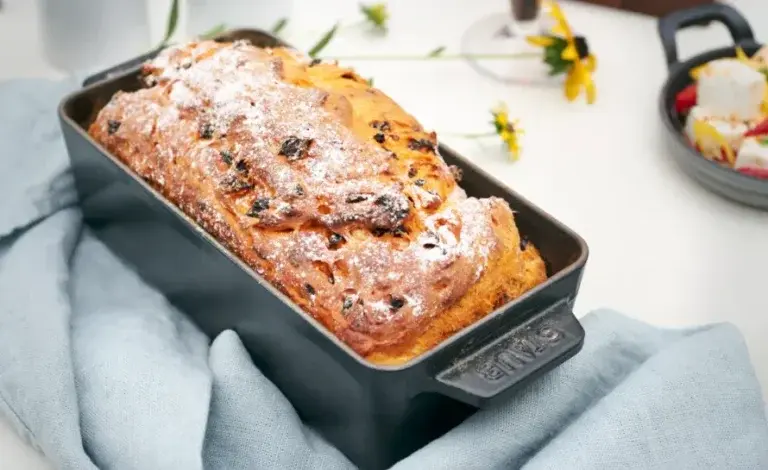
Cast iron is the heavyweight champion. Literally, these loaf pans are properly heavy. But if you want bakery-quality results at home, this is what you need.
How It Bakes
Cast iron conducts heat slowly and evenly, then holds it like nothing else. The thick walls create a steady, consistent temperature throughout the bake, which gives you an even rise, uniform crumb, and deep, caramelised crust. It’s the closest you’ll get to a professional deck oven at home.
Both Staub and Le Creuset make excellent enameled cast iron loaf pans with black enamel interiors. But here’s the key difference: Staub’s interior enamel is matte black with a slightly rough, pebbly texture. Le Creuset’s black enamel is smoother and more polished.
What The Different Texture Actually Means
The matte texture in Staub is intentional, they add ground quartz to the enamel. This roughness enhances browning and searing, and the surface can actually develop a natural seasoning over time, similar to traditional cast iron. It’s designed for serious cooks who want maximum crust development.
Le Creuset’s smoother black enamel is easier to clean and slightly more forgiving. You still get excellent browning, just without the textured surface that builds up a patina.
Best For
- Pain de mie when you want a proper crust
- Enriched doughs that need steady heat
- No-knead breads where the pan acts like a mini Dutch oven
- Terrines and pâtés where even cooking is critical
- Anything you want to brown beautifully
Honest Assessment
These cast iron loaf pans are expensive. They’re heavy (Staub is slightly heavier than Le Creuset). They take longer to heat up than steel or glass. But the results are worth it, you get bakery-level browning and texture that you just can’t achieve with lighter ceramic or glass loaf pans.
One thing: the excellent heat retention means your bake will continue cooking a bit even after you pull it from the oven. So pull it a minute or two early if you’re worried about overbaking.
If you bake bread regularly and you’re serious about it, you’ll use this pan constantly. If you bake the occasional cake, it’s probably overkill.
Between Staub and Le Creuset? Staub’s textured surface gives you more aggressive browning and can build a seasoned patina, brilliant for crusty breads. Le Creuset’s smoother interior is easier to clean and maintain. Staub is often slightly cheaper, whilst Le Creuset offers more colour options. Both will outlast you.
Which Loaf Pan Do You Actually Need?
If you’re just starting out or bake casually
Glass (Pyrex). It’s affordable, versatile, and does the job brilliantly for most weekend baking.
If you bake brioche or enriched breads regularly
Ceramic (Le Creuset Stoneware). The heat retention and crust development are exactly what these doughs need.
If you want fuss-free release and quick results
Carbon steel with silicone coating (Le Creuset). Everything slides out cleanly, it heats fast, and it’s light enough to handle easily.
If you’re serious about bread baking and want professional results
Cast iron (Staub or Le Creuset). It’s an investment, but you’ll use it for decades and the results are properly impressive.
Most keen bakers end up with at least two, glass for everyday cakes and one specialty pan for their favourite bakes. There’s no wrong choice here, just different tools for different jobs.
Professional Tips That Actually Make a Difference
Temperature Adjustments by Material
This matters more than most recipes let on. Metal pans (steel and cast iron) are efficient conductors, they heat quickly and brown faster. Glass and ceramic are slower and gentler.
If you’re using a recipe developed for metal pans and you’re baking in glass or ceramic, add 5-10 minutes to the baking time and keep the temperature the same. The gentler heat means it takes longer to set the crumb and brown the crust.
Going the other direction? Metal pan when the recipe assumes glass? Lower your oven temperature by 10-15°C to prevent overbrowning. Or tent the top with foil for the last third of baking.
The Oven Rack Position
Middle rack is standard advice, but here’s what actually works better: for crusty loaves and breads where you want bottom browning, bake on the lower-middle rack. The closer proximity to the bottom heating element gives you a proper base crust.
For delicate cakes like quatre-quarts where you’re worried about overbrowning the top before the centre sets, use the middle or even upper-middle rack. The gentler heat from above prevents that dark crust whilst the crumb finishes cooking.
Don’t Fill Too High
Batter should never go above two-thirds of the pan’s height. Half to two-thirds is ideal for most batters. Any higher and you risk overflow as the batter rises. For enriched doughs like brioche that proof in the pan, fill to about half, the dough will double during its final rise and rise further in the oven. If you’ve got excess batter, use it for muffins rather than overfilling and creating a mess.
• Preheating Isn’t Just for Ovens
For crusty breads, particularly no-knead loaves, preheat your ceramic or cast iron pan in the oven for 20-30 minutes before adding the dough. The initial blast of heat from the hot pan creates oven spring (that dramatic rise in the first few minutes of baking) and starts developing the crust immediately. This doesn’t work for batters or delicate cakes, only for structured doughs that can handle the thermal shock.
The Tap Test
When you think your loaf is done, turn it out and tap the bottom. A fully baked loaf sounds hollow. If it thuds or sounds dense, it needs more time. Pop it back in for another 5-10 minutes.
This works for breads and enriched loaves. For cakes, stick with the toothpick test, it should come out clean or with just a few moist crumbs.
Cooling Is Part of Baking
Pull your loaf from the oven, let it sit in the pan for 10-15 minutes, then turn it out onto a wire rack. That resting time allows the structure to set, turn it out too early and the crumb can collapse or tear.
For brioche and enriched breads, the cooling time is when the texture becomes properly tender. Cutting into warm brioche gives you gummy slices; wait until it’s completely cool and you get that soft, pillowy texture.
Steam for Crusty Loaves
If you’re after a proper crust on your pain de mie or other breads, create steam in your oven. Place a metal baking tray on the bottom rack whilst the oven preheats, then pour a cup of boiling water into the tray when you put your loaf in. The steam keeps the exterior soft during the initial rise, which allows for better oven spring, then evaporates to let the crust form.
Don’t do this for cakes or quick breads, they need dry heat for a proper crust.
Buttering and Flouring Still Matters
Even with non-stick pans, butter and flour your pan for cakes. The silicone coating on steel pans and the enamel on ceramic are naturally non-stick, but a thin layer of fat and flour creates an extra insurance policy.
For brioche and enriched doughs, just butter is fine, the high fat content in the dough itself helps with release.
Skip this entirely if you’re using the parchment paper sling method (see below).
The Parchment Paper Sling Trick
Cut a strip of parchment paper the width of your pan and long enough to overhang both ends by 5cm. Press it into the buttered loaf pan lengthways, letting the ends hang over. When your loaf is done, lift it straight out using the parchment “handles.”
This is brilliant for sticky cakes, dense quick breads, and anything fragile that might break when you’re trying to coax it out of the pan. Works with any material.
Rotate Halfway Through
Ovens have hot spots. Even fancy ones. Rotate your pan 180 degrees halfway through baking to ensure even browning. This is particularly important for glass and ceramic pans, which brown more slowly and show hot spots more obviously.
Don’t Open the Oven Door Early
For the first 30 minutes of baking, keep the oven door shut. Opening it releases heat and can cause cakes to collapse or breads to deflect. The structure hasn’t set yet, and the temperature drop affects the rise. After 30 minutes, the structure is usually set enough that a quick peek won’t ruin anything.
Storage Affects Pan Longevity
Stack pans with a layer of paper towel or cloth between them to prevent scratching, particularly for silicone-coated steel and enameled cast iron. Scratches in the coating reduce the non-stick properties and, with cast iron, can expose the metal to rust.
Store cast iron with the lids off or slightly ajar. Trapping moisture inside can cause rust, even with enamel coating.
Conclusion
That’s everything you need to know about choosing the best loaf pans for French baking. Pick the right material for what you’re making, treat your pans properly, and you’ll be turning out bakery-quality loaves for years.
Now get baking!
Disclosure: Just so you know, this post contains sponsored content and/or affiliate links, If you make a purchase through these links, I may receive a small commission. Doesn’t cost you anything extra. I only link to things that are actually worth your time. All opinions are my own!