Eco Friendly Kitchen Tools & Sustainable Accessories
Have you ever noticed how much you replace in the kitchen? I grew up in a working-class household where cheap plastic containers were bought and thrown away the moment a tomato sauce stained them orange, and the pots and pans had black plastic handles screwed on that would start to wiggle sooner or later. Nothing really lasted.
When I first lived on my own, I promised myself that I would slowly but surely buy eco friendly kitchen tools that would ideally last a lifetime and be as sustainable as possible. Since then, I’ve been building up my collection of reusable alternatives and solid cookware, bakeware and kitchenware, practical choices that happen to save money in the long run and cut down the rubbish I throw away. Good for the planet, and for my wallet.
You do have to spend a little more upfront to be rewarded later. But if you buy something that lasts five years or a lifetime instead of something cheaper you replace every few months, and do that across your whole kitchen, you end up with real savings and a lot less plastic waste! So here are the sustainable kitchen tools and accessories that have made it into my kitchen and stayed there, from the morning coffee to the washing-up.
Table of Contents
The morning essentials
As a French person, good coffee isn’t optional, it’s the first thing I think about in the morning. I have two setups, depending on whether I have guests or I’m on my own (my British other half drinks English tea, so mornings are usually just me and my coffee).


Le Creuset French Press: for guests
My 1-litre Le Creuset French press has been going for years without a single replacement part. The glazed stoneware doesn’t stain or scratch, it cleans up without any effort, and the plunger still works exactly as it should, with none of the tired seals or wonky springs that cheaper versions seem to develop after a year or two.
The only thing I’d say against it is that you can’t see how much coffee is left without lifting the lid. But it looks properly elegant on the table after dinner, and more to the point, it makes really good coffee, which is why I bought it in the first place.
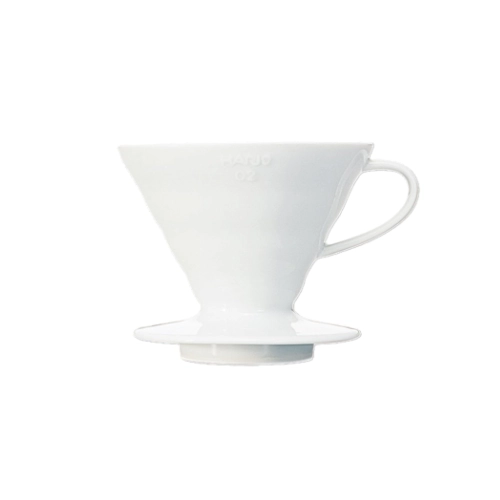

Hario V60 Ceramic: for solo coffees
Then there’s my little morning trustee, my Hario V60 in ceramic. It sits directly on top of my cup, one filter, one pour, and the whole thing rinses clean under hot water in about ten seconds.
I use unbleached paper filters rather than the reusable stainless steel ones, not because the metal filter is bad, but because they say it lets through the coffee oils that gradually stain your teeth. I put the unbleached paper and coffee grounds directly into the compost. My morning blend is Carte Noire, in case you were wondering.
In the oven and on the hob
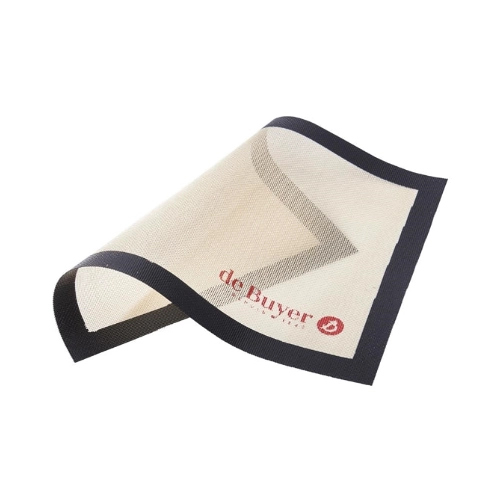

Reusable baking mat
I can’t remember the last time I bought baking paper for baking, that’s how much I use my baking mats and how well they work. The De Buyer silicone mats rinse clean, nothing sticks to them, they handle far higher temperatures than any normal bake, and they lie completely flat on the baking tray every time.
I’ve used them for baked asparagus, chouquettes, quiches Lorraine, meringues, everything. Over time they stain a little, but that doesn’t change how well they work. In time they stain but it doesn’t influence the quality of the product whatsoever. If you bake or roast regularly, these will repay the cost within a few months. They’re brilliant!
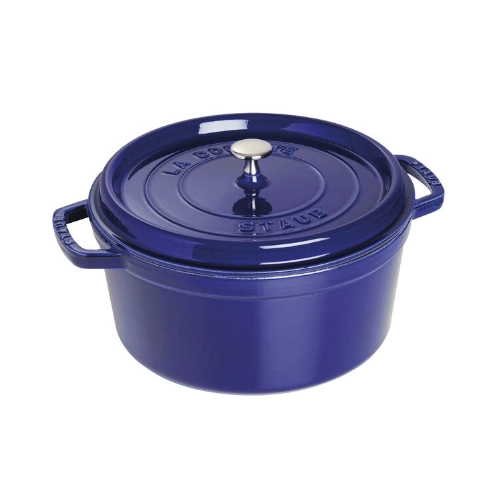
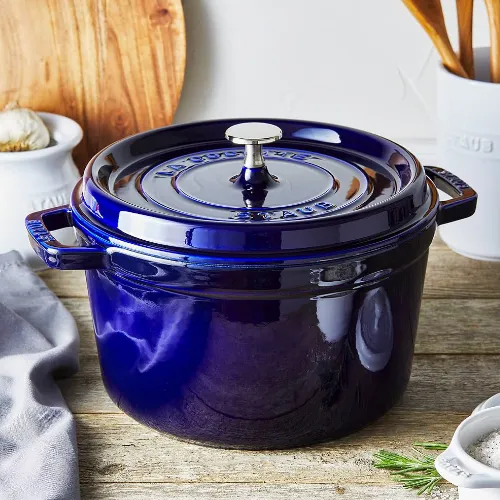
Cast iron cookware
I couldn’t write this without mentioning my Staub cocotte, the thing I’d grab first if my kitchen was on fire (although I think it would survive that on its own). I’ve written a whole article about cast iron cookware if you want all the details, but the short version is to buy one, cook in it for the rest of your life, and hand it down to your children one day.
Mine was bought in France, obviously, and it makes mushroom bourguignon, French onion soup, ratatouille and bread better than anything else I’ve cooked them in.
Storing and preserving


Food Huggers
Food Huggers sound slightly mad until you start using them, and then you wonder why you ever bothered with cling film (plastic wrap). They’re silicone caps that fit over the cut end of whatever you’ve got half of sitting in the fridge, an onion, a lemon, a tomato or a cucumber, and you simply pop one on and put it back, and it keeps noticeably better.
I’ve had my set of five sizes for a good few years now, and they still seal properly every time. When I think about how much cling film they’ve replaced, I’m a bit embarrassed.

A little bit of France in your inbox
Once a month, I’ll write to you with recipes, French cheeses, a few tips and little stories from the neighbourhood. And you’ll get my Mother Sauces e-book free, straight away!


Compost bin
The Joseph Joseph compost bin sits on my kitchen counter without making the kitchen smell of rotting vegetables, which is rather important in a compost bin. The charcoal filter in the lid does its job, and I empty it into the garden compost every few days, rinse it out, and it’s ready to go again, with no fruit flies and no smell.
They do sell little bags to line it, but I don’t use them, because adding more plastic to a composting system seems to rather defeat the point. So it means fewer bin bags, free compost for the garden, and I love its clean, minimal design.


Stainless steel containers
I have three Black+Blum stainless steel containers in different sizes, 600ml, 900ml and 1.2 litres, and I really couldn’t do without them now. They’re oven, microwave, dishwasher and freezer safe, and properly leakproof, so I can roast something, eat half and put the rest straight in the freezer without decanting it into another container that then needs washing (just take the lid off before they go into the oven, obviously).
They’re also what we take to the forest when we eat outside, vinaigrette and all, and they’ve never once leaked. We’ve both got the Opinel travel cutlery sets too, because eating outdoors with proper cutlery is so much nicer than with plastic forks that snap the moment you use them.


Reusable produce bags
The Ello reusable produce bags live permanently in my backpack and my fridge. I have to admit they aren’t the most elegant bags, and as you know, I prefer a natural, country look, so the colours are a bit bright for my taste. But they work so well that I’ve made my peace with it.
The 14-bag set covers everything from steamed broccoli to soup frozen flat, and the fact that I trust them with frozen liquid tells you how leakproof they are. When something works that consistently, I’m happy to overlook the fact that it won’t win any design awards in my eyes.


Silicone freezer tray
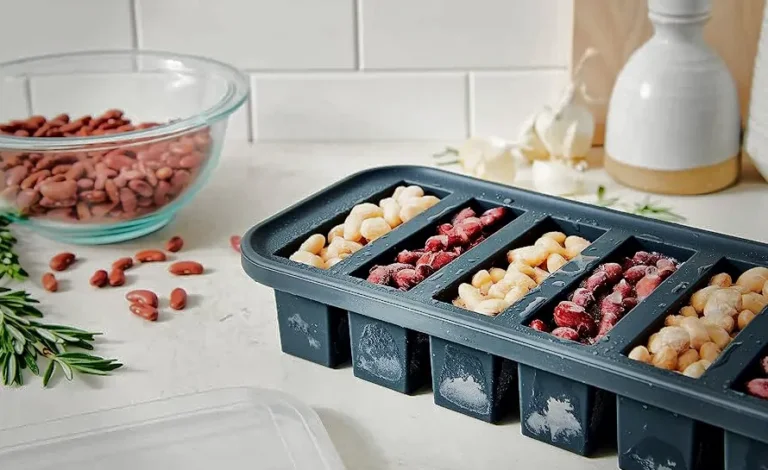
These silicone freezer trays have changed the way I batch cook. They’re stackable trays with lids, in half-cup, one-cup and two-cup sizes, and the sides are firm enough to hold liquid without bulging or collapsing. I make big pots of soup, freeze it in portions, and on the nights when neither of us feels like cooking properly, we take two out and have something homemade on the table in about fifteen minutes.
I also use them for something I’m rather pleased with: herb butter. Every summer, I make batches of herb butter with sage or parsley (it’s even better with homemade butter) and freeze it in cubes, so in January, when I’m making mussels and need a persillade, there’s a cube of parsley butter waiting for me. Once they’re frozen, you can pop the blocks out and keep them in a silicone bag, so the trays are free for the next batch.


Parchment paper sheets
These parchment paper sheets aren’t for baking, as I have the De Buyer mats for that. I use them for wrapping cheese, which is the best way to store it.
Cheese needs to breathe. In a plastic container it sweats and develops off flavours, and the container ends up smelling of old cheese however well you wash it, and cling film is even worse. Parchment paper lets the cheese breathe while stopping it from drying out too quickly, and these sheets come pre-cut and unbleached, so you just grab one, wrap your Comté and get on with your day!
The everyday bits
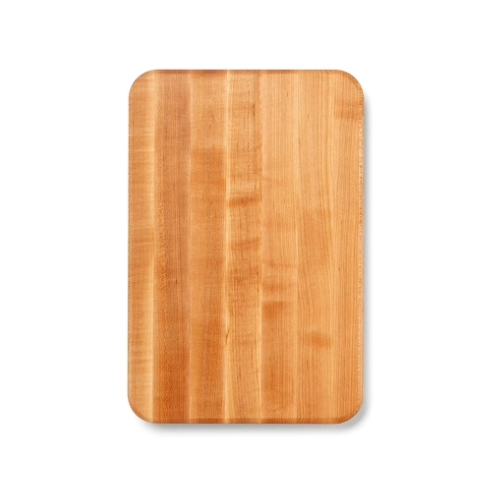
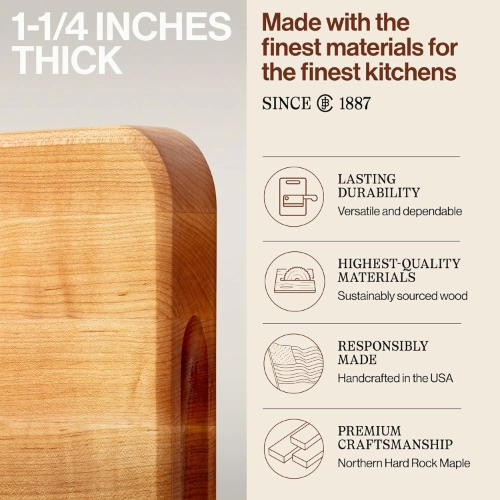
John Boos maple chopping board
Since I left home, I’ve never owned a plastic, glass or slate chopping board. Plastic looks and feels horrible to me, the knife marks are hard to clean properly, and tiny particles can come off into your food as you chop. Glass and slate are perfectly hygienic, but the noise drives me completely mad, that sharp clack every time the knife hits the surface, to me cooking is supposed to be relaxing!
Hard maple sits in just the right place: firm enough for everyday chopping without gouging, but soft enough to give slightly under the blade, which is much kinder to your knives. The grain is tight and closed, so it doesn’t soak up smells or moisture the way more open-grained woods do. My maple chopping board is reversible, with recessed grips so you can actually pick it up. It needs washing by hand and a little board oil and cream now and then, and if you look after it, it will outlast most of your kitchen. It’s an investment piece, but it’s worth it if you have good knives and want to keep them that way.
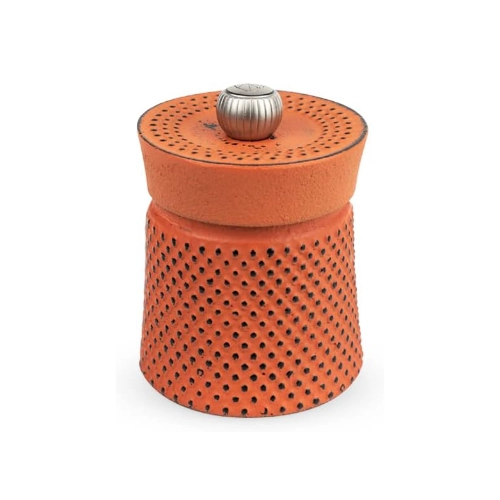

Cast iron salt and pepper mill
Those plastic supermarket grinders you throw away when they’re empty have always seemed completely unnecessary to me, when the alternative is so simple. Buy proper salt and pepper mills once, refill them with peppercorns and good French coarse sea salt, and carry on for years.
The ceramic grinding mechanism won’t rust or wear out, and freshly ground pepper tastes so much better than pre-ground pepper that’s been sitting in a bag for months. They look lovely on the table too, small and solid in the hand without being showy.


Biodegradable sponges
Most kitchen sponges are made of plastic, they wear out quickly, and you end up buying plastic just to throw it away again in a steady, pointless cycle. These biodegradable sponges, made from plant cellulose and coconut husk, work just like regular sponges, with a scrubby side and a soft side. In my kitchen, they’ve lasted longer and stayed fresher than the plastic ones, and when they’re finally done, they go into the compost bin instead of the rubbish.
The colours are also much more pleasant. I’ve never understood why standard sponges come in that particular yellow and green!
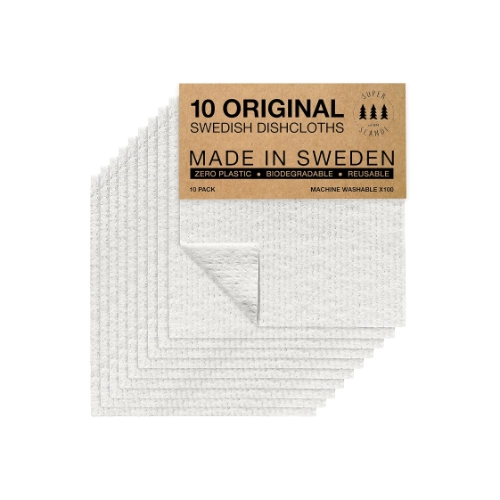

Swedish dishcloths
Made from cellulose and cotton, with no acrylic, these Swedish dishcloths do a better job than paper towels for almost everything. They absorb more, wipe surfaces without streaks and rinse out in seconds, and when they get properly dirty, they go in the washing machine. When they finally wear out, they go in the compost, because they’re biodegradable too.
I chose these ones because they come in neutral colours. I try to avoid the bright yellow ones you see everywhere, because I like my kitchen to feel calm.
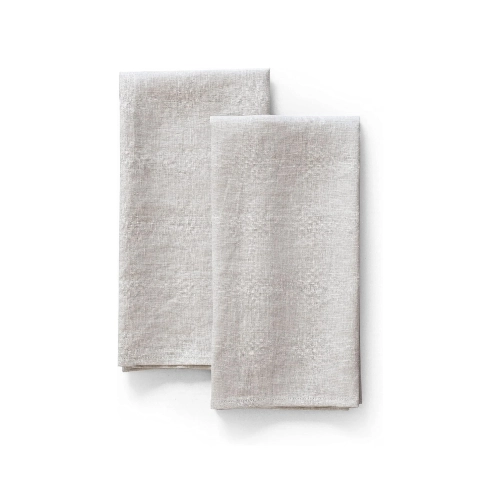

Stone Washed Linen Tea Towels
Find it on Amazon >
Stone washed linen tea towels
Yes, these stone-washed linen tea towels cost more than cotton ones from the supermarket. But they absorb properly, dry quickly and get better with every wash, because linen softens and becomes more absorbent over time, so after a year of use, a good linen tea towel works better than the day it arrived.
The cheap cotton ones I used to buy would go grey, start pushing water around instead of soaking it up, and fall apart after a season. I’ve bought a lot of cheap tea towels over the years, and I never once felt they were good value. Have you? And linen has a natural elegance that’s hard to beat. Worth the investment, in my opinion.


Water Filter Jug
This beautiful water filter jug has been on my kitchen counter for a few years now, and it works exactly as it should. Most filter jugs use plastic cartridges that you replace every month or two, and the whole cartridge goes in the bin every time, which is wasteful and adds up quickly.
This one works differently. The jug itself is stainless steel, and instead of replacing a whole cartridge, you simply refill the filter chamber with new filter beads, which creates far less waste. The water tastes clean, with no hint of chlorine, which matters a lot when you use it for coffee.
FAQ
What are eco friendly kitchen tools?
Eco friendly kitchen tools are utensils, cookware and accessories designed to last for years, or to replace something disposable. Think cast iron pots, reusable baking mats, silicone food covers, stainless steel containers, wooden chopping boards and compostable sponges. The most sustainable kitchen tools are often simply the ones you buy once and keep using, because every replacement you don’t buy is waste you don’t create.
Is a reusable baking mat better than baking paper?
For most everyday baking and roasting, yes. A silicone reusable baking mat can be used hundreds of times, rinses clean, and nothing sticks to it, so it quickly pays for itself compared with buying rolls of baking paper. It lies flat on the tray and handles high oven temperatures. Baking paper is still handy for lining cake tins, but for trays, a mat does the job.
How can I reduce plastic in my kitchen?
Start with the things you throw away most often. Swap cling film for silicone food covers, plastic containers for stainless steel or glass, plastic sponges for biodegradable ones, and paper towels for washable Swedish dishcloths. Replace items gradually as they wear out rather than all at once. Small swaps like these add up to real plastic reduction over a year.
Is a wooden chopping board better than a plastic one?
It depends on what you value, but a good hardwood board, such as maple, is kind to your knives, lasts for many years and avoids tiny plastic particles coming off as you chop. It needs washing by hand and an occasional coat of board oil. Plastic boards are cheaper and dishwasher safe, but they wear out faster and need replacing more often.
Are Swedish dishcloths compostable?
Most Swedish dishcloths are made from a mix of plant cellulose and cotton, which means they’re biodegradable and can go in the compost once they’re worn out. Check the label before you buy, because some versions contain synthetic fibres. Until then, you can wash them in the washing machine many times, and they replace a lot of paper towels.
Over to you
The upfront cost of many of these eco friendly kitchen accessories is higher than the disposable alternative, and I won’t pretend otherwise. A Staub cocotte costs a lot more than a cheap pot, and linen tea towels aren’t cheap either. But when you’re still using the same things years later, still grinding from the same pepper mill and still pulling soup out of the same freezer trays, the original price starts to look much more reasonable than it did in the shop.
The waste I’ve saved is real, and I’m glad about it. But honestly, the bigger reward is that everything works better: better coffee, fresher vegetables, and less food going in the bin because batch cooking and freezing actually work properly. That’s what keeps these things in my kitchen.
What’s already in your kitchen that has made it past the five-year mark? And what are you still replacing every few months that’s starting to drive you a bit mad? I’m always curious to know what lasts for other people, so tell me in the comments.
This post may contain affiliate links. If you buy through them I earn a small commission at no extra cost to you, and it helps keep this blog running. Please read my disclosure policy for more information. I am grateful for your support.