Best White Wine for Cooking: A French Guide
French kitchens, including mine, get through a lot of white wine. Some of it goes into glasses for kir cocktails, but if I am honest, most of it ends up in pans. Once you figure out the best white wine for cooking, it will become second nature to reach for the bottle as often as the salt. If you’re looking for ideas, take a look at these recipes with wine. Plenty of French classics in there that makes cooking with wine a pleasure.
The only real rule
The one rule that matters is simple: cook with wine you would be happy to drink. If you would not pour yourself a glass, do not pour it into your food. That immediately rules out most “cooking wines” with salt and preservatives added. They reduce into something harsh and flat and there is no saving a sauce once it goes that way.
You also do not need a special bottle. Once wine hits a hot pan, all the subtlety that makes an expensive Burgundy interesting disappears. What stays is the basic flavour, the acidity, and a bit of body. A good white wine for cooking can be a bottle in the 8-14 € range, that is the sweet spot. It tastes like real wine, but you do not wince as you tip some into a pan. Just avoid anything that smells like vinegar or old cardboard. Cooking does not fix bad wine, it just concentrates the problem.
What white wine actually does
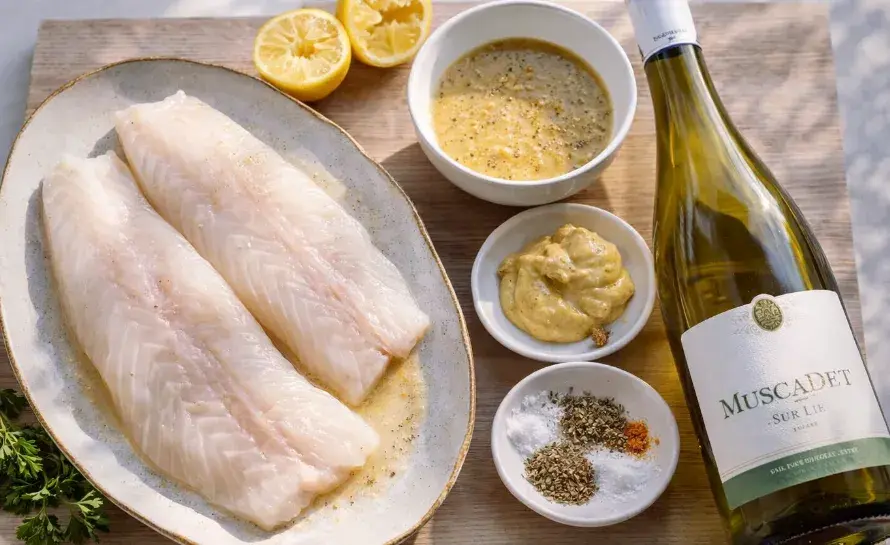
Wine is doing more than adding “a bit of flavour.” When you pour it into a hot pan after searing fish or meat, it loosens all the browned bits stuck to the base, which is where a lot of flavour lives. It also brings alcohol and acidity. The alcohol helps draw out oils and aromas from garlic, herbs, and spices in a way that water cannot, and the acidity cuts neatly through cream, butter, or cheese so a sauce feels light rather than heavy. As it cooks, most of the alcohol boils off, the liquid reduces, and you are left with a softer, deeper flavour folded into the dish. Done properly, you should not taste “wine,” you should just notice that everything tastes brighter and more complete.
The best white wine for cooking
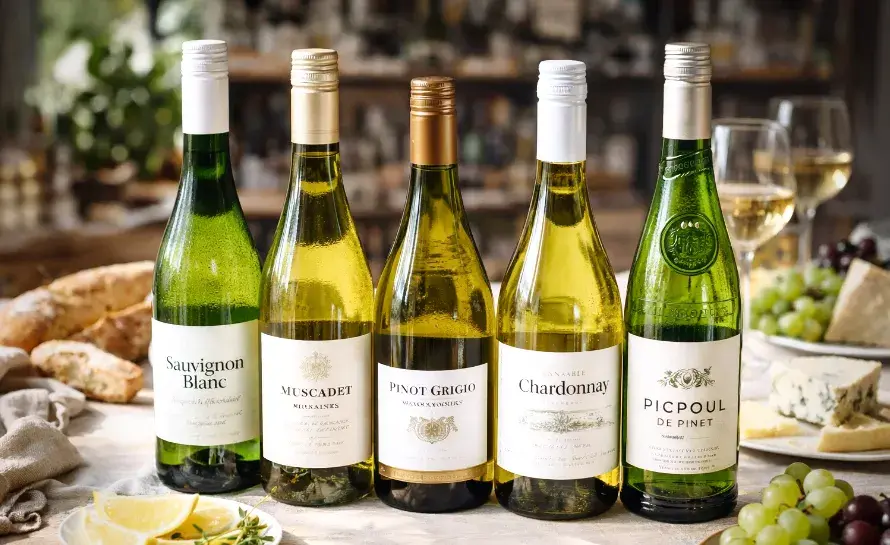
Sauvignon Blanc
If I had to choose one bottle that earns its place in the kitchen, it would be Sauvignon Blanc. It is dry, high in acidity, and has that instant freshness you recognise straight away: citrus, a touch of green herb, sometimes a flinty edge. When it reduces in a pan, it becomes bright and sharp, which is exactly what you want to cut through cream, butter, or the natural richness of fish and seafood. It is also lovely with vegetables. That slightly herbaceous character seems made for courgettes, leeks, asparagus, and fennel. It’s a perfect good white wine for cooking.
Muscadet
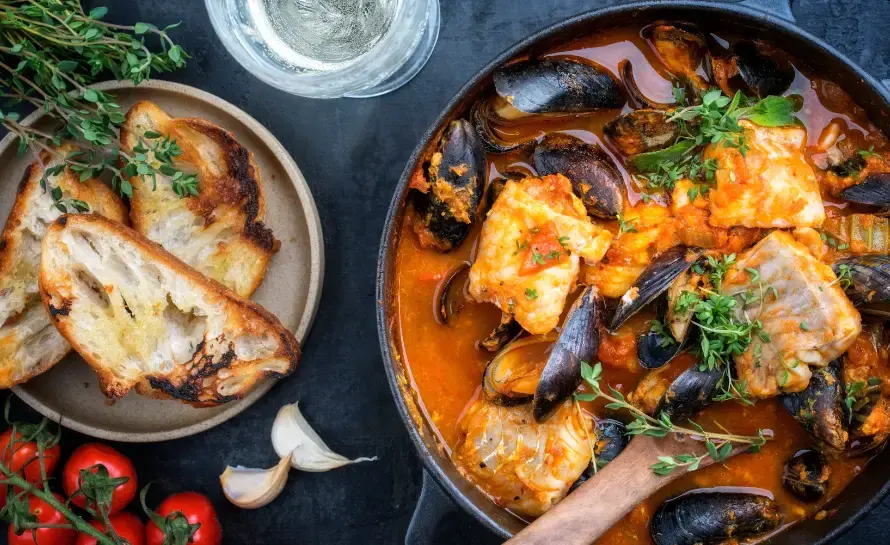
Muscadet is the bottle I secretly think of as “the cook’s wine.” It is a Loire white, bone dry, crisp, with a salty, mineral feel and often a faint yeasty note. It is unbeatable with fish and shellfish, which is why mussels cooked in Muscadet are such a staple along the Atlantic coast. It is also usually very kind to your wallet. A good Muscadet in the 7–10 € range gives you a clean, neutral base that works in almost any sauce, but with just enough character that you notice the dish is better with it than without it.
Pinot Grigio
People often ask about Pinot Grigio for cooking, and the honest answer is: yes, it is absolutely fine. The simple Italian style is dry, fairly neutral, and easy to find almost anywhere. I reach for it when I want the wine to stay firmly in the background. Think risotto, pasta with butter‑based sauces, Salmon Florentine or gentle fish dishes where you do not want any sharp edges. Pinot Grigio is the quietest of these wines, which is both its strength and its limitation. It will not ruin anything, it will not shout over the food, but it also will not bring a lot of personality. For everyday cooking, that can be exactly what you want.
Unoaked Chardonnay
For richer dishes, I lean toward unoaked or very lightly oaked Chardonnay. The versions from Mâcon in Burgundy have a soft roundness and a bit more weight than Sauvignon Blanc or Pinot Grigio, which suits creamy mushroom sauces, fish gratins, or vegetables baked with cream and cheese. The important word here is “unoaked.” Big, buttery, heavily oaked Chardonnays behave badly in the pan and often turn bitter as they reduce. If the label talks about “barrel‑aged” or “élevé en fût,” keep that bottle for drinking rather than cooking and look instead for Mâcon‑Villages or a simple Bourgogne Blanc.
Picpoul de Pinet
Picpoul de Pinet is another favourite if you can find it. It comes from the south of France and tastes like sunshine and lemon peel: dry, high‑acid, with a clean citrus snap. It is lovely with fish and light sauces and is usually reasonably priced. It is also a wine that makes cooking feel like less of a chore when you pour yourself a small glass alongside the pan.
A unexepected hero, the dry vermouth
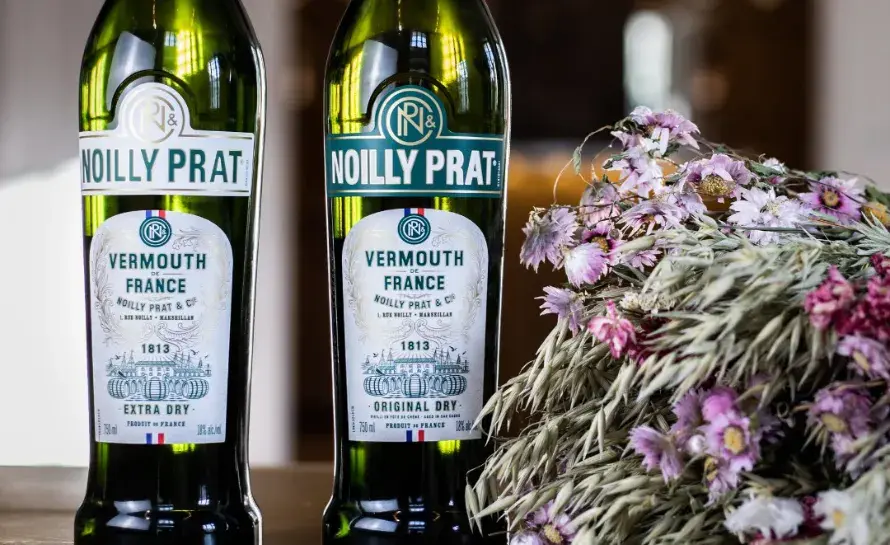
Dry vermouth deserves a spot in the fridge if you like cooking white wine. Dry vermouth is still wine at heart, just fortified a little and infused with herbs, which gives it a gentle, herbal edge and slightly more strength. The real advantage is that, once opened and kept cold, it stays good for months. If you cook often but do not always feel like opening a new bottle, vermouth is a gift. A splash in a pan with shallots and garlic does everything you expect from white wine, especially with fish, chicken, or vegetables. Because it is more concentrated, you can use a bit less than a recipe suggests for wine.
Noilly Prat is the classic French dry vermouth, and it’s worth keeping a bottle in the fridge just for cooking. Dolin is another very good French option.


What to avoid
Cooking wine
in a bottle
Products sold specifically as cooking wine are usually salted, preserved, and genuinely inferior. They make food taste worse, not better. Ignore them entirely. If you want a good white wine for cooking, avoid these.
Heavily oaked Chardonnay
A buttery, vanilla-heavy Chardonnay turns bitter and slightly strange when cooked down. If you’re not sure whether something is oaked, a quick sniff will often tell you, that toasty, vanilla character in the glass becomes unpleasant in a pan.
Sweet or off-dry whites
Riesling, Gewurztraminer, Vouvray demi-sec, wonderful to drink, but their residual sugar concentrates when you cook with them and makes savoury dishes taste odd. Unless a recipe specifically calls for a sweet wine, keep it dry.
Anything that’s already turned
Cooking doesn’t fix wine that’s gone off. If it smells like vinegar or old cardboard, it’ll taste like that in your food.
Anything expensive
The qualities that make an expensive bottle exceptional, the finesse, the complexity, the finish, don’t survive a hot pan. Save that good stuff for drinking.
How long an open bottle lasts
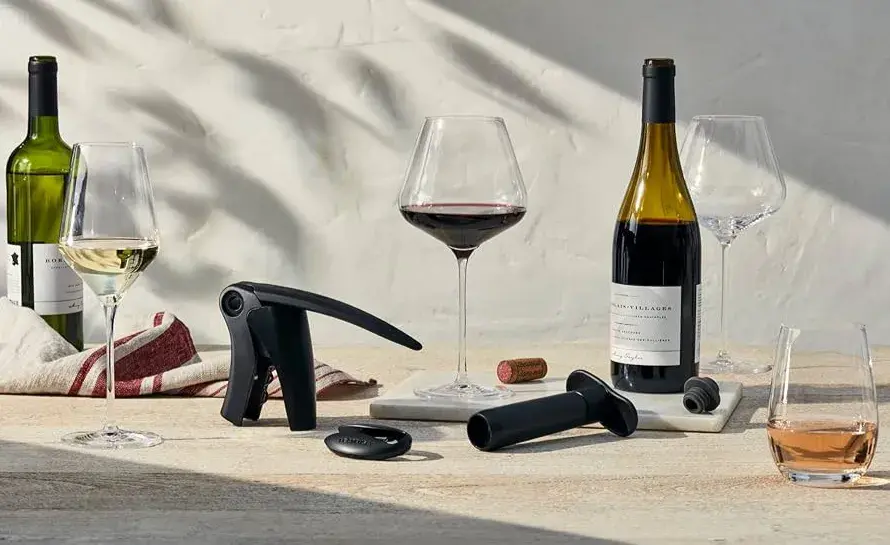
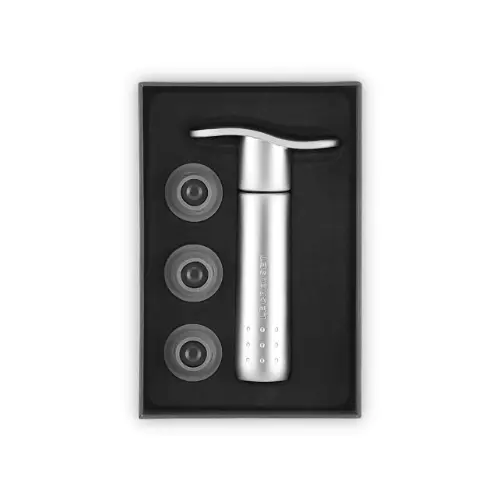
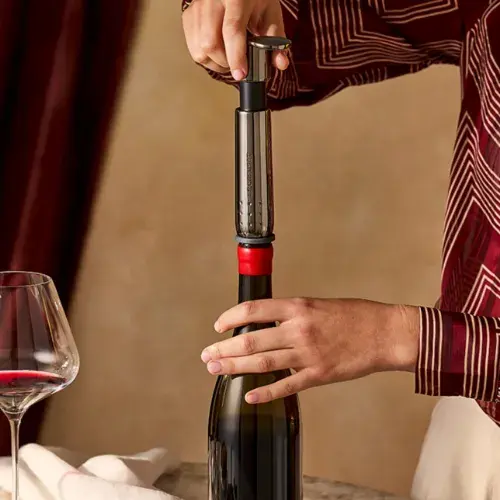
A bottle of white wine opened and kept in the fridge is usually fine for cooking for three to five days. After that, it begins to flatten and slide towards vinegar. A quick sniff tells you everything you need to know. If you want to stretch it a little, a simple wine vacuum pump that pulls some air out of the bottle slows the process down and buys you a few extra days.
If you regularly end up with small amounts left, freezing is surprisingly handy. Pour the wine into an ice cube tray or Souper Cubes, freeze, and tip the cubes into a bag. They are not for drinking later, but they are perfect for deglazing a pan or starting a sauce when you do not have an open bottle ready.
How to deglaze with wine
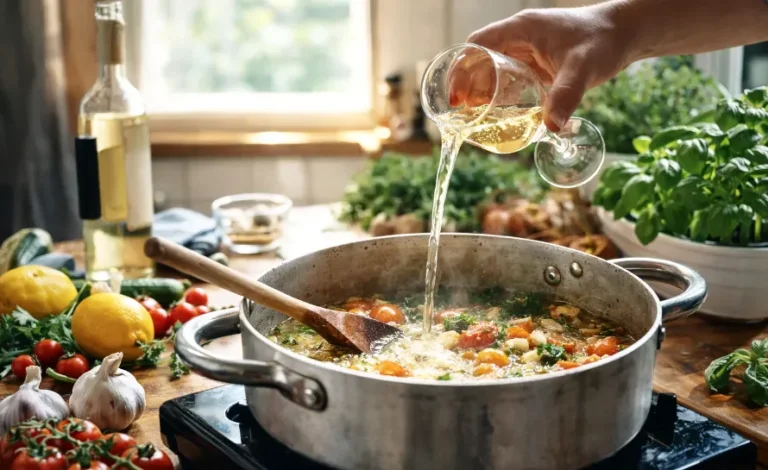
Deglazing sounds like chef talk, but at home it is simply a neat way to turn the bits stuck to the bottom of your pan into flavour instead of hard work with a sponge. You sear fish, or brown some onions, or cook off a pan of mushrooms, then remove whatever you have cooked and look at the base of the pan. All that golden, sticky layer is called the “fond”, and it is pure flavour.
A few tips
- Don’t add white wine to a cold pan. It needs to hit a hot surface to sizzle, lift, and reduce properly. Add it to a cold pan and it just sits there getting absorbed.
- Use enough good white wine for cooking. A thin splash won’t do much, you want enough liquid to cover the base of the pan, usually 100-150ml, and then let it bubble and reduce by about half before adding anything else.
- Use a wooden spoon or flat spatula to scrape the bottom of the pan as you add the wine. This is where the flavour is. Don’t leave it sitting there.
- Once the wine has reduced, you can add stock, butter, cream, or herbs depending on what you’re making. The wine does the heavy lifting first; everything else builds on it.
What wine works best for deglazing?
For deglazing, I tend to match the wine to the dish. Sauvignon Blanc or Muscadet keep fish and vegetable sauces bright and sharp. Pinot Grigio or unoaked Chardonnay sit more quietly behind cream‑based sauces and feel rounder. And if you have a bit of dry Champagne or Crémant left from the night before, flat and sitting in the fridge, it makes a very elegant pan sauce once the bubbles have gone.
One last small practical note
Use a stainless steel saucepan or enamelled cast iron when you are cooking with wine. Bare aluminium and copper react with the acidity in wine and can give your sauce a metallic taste. Stainless steel does not, which is why most professional kitchens rely on it for sauce work. It really is one of the most useful pieces of kit you can invest in if you like cooking with wine.
White wine in marinades
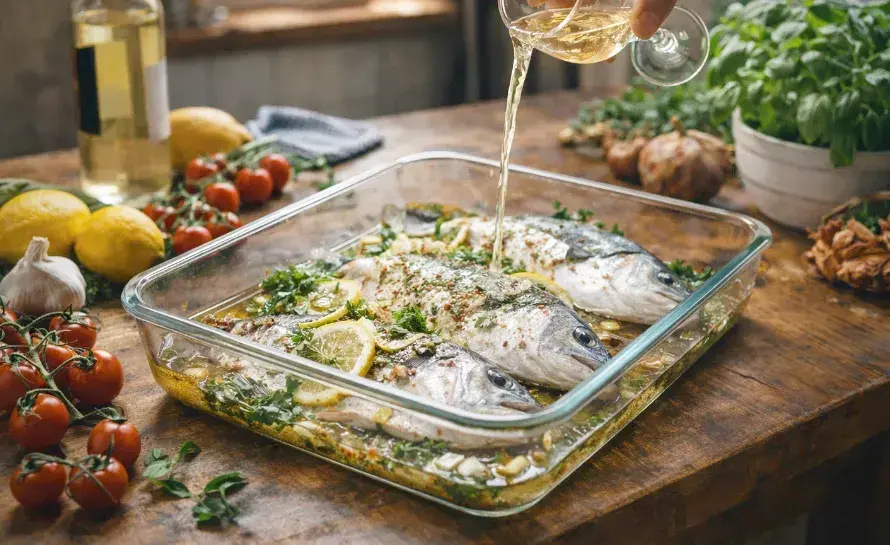
White wine marinades are a slightly different application to cooking with wine, here you’re using the acidity before the heat rather than during it. The principle is the same: acidity tenderises slightly, alcohol unlocks aromatic compounds, and the wine adds flavour that cooks into the flesh.
With fish, less is more. Around 30 minutes, up to an hour at most, is usually enough. Any longer and the acid starts to “cook” the fish the way a ceviche would, and you end up with a slightly mealy texture instead of something tender and flaky. Vegetables are more forgiving. They are very happy sitting in a marinade for an hour or two while you get on with everything else.
Classic French herb marinade for fish
My basic French herb marinade for fish is white wine, olive oil, a squeeze of lemon, a crushed garlic clove, some fresh tarragon or parsley, salt, and pepper. It is simple and it works with almost anything: cod, sea bass, sole, salmon.
Dijon and white wine marinade
When I want something with a bit more punch, I stir together white wine, Dijon mustard, lemon juice, salt, pepper, and a tiny pinch of cayenne. The mustard ties everything together into a proper coating and adds a gentle warmth. Picpoul or Muscadet feels particularly right for this.
Herb and white wine marinade for vegetables
For vegetables, I usually mix white wine, olive oil, a little white wine vinegar, garlic, thyme, and finely sliced shallots. Courgettes, fennel, artichoke hearts, or mushrooms all soak this up beautifully before grilling or roasting. Give them at least an hour if you can. The wine softens them just enough, and the acidity helps them stay lively rather than collapsing into mush when they hit the heat.
One final habit that is worth keeping: always marinate in glass bowl or ceramic dish, never in bare metal. The acid in the wine can react with aluminium or similar surfaces and give everything a faint metallic taste. A simple glass bowl avoids that completely.
A couple of small habits
Reduce wine before adding cream
If you’re making a cream sauce, cook the wine first and let it reduce by about half before adding any cream or butter. This drives off the sharper alcohol notes and concentrates the flavour. For cream sauces, cook the wine separately and reduce it to half of what you started with, then add the cream. Add cream to unreduced wine and you risk a slightly harsh, thin result.
Use leftover sparkling wine
A flat half-bottle of Champagne or Crémant after a dinner party is genuinely useful. Brut-labelled sparkling wine is completely dry and works very well as a dry white wine for cooking, the bubbles have already gone, but the acidity and flavour remain. Particularly good in a beurre blanc or a light pan sauce.
The finishing trick
This one is worth knowing: slow-cooked dishes like braises can get away with a lower-quality wine throughout the cook. But add a small splash of something better right at the end, just before serving. It brightens the whole dish and tastes as if that’s what you cooked with the entire time.
Non‑alcoholic stand‑ins
If you need to avoid alcohol completely, nothing copies white wine exactly, but you can get close enough for most simple jobs. A mix of white grape juice, water, and a splash of white wine vinegar works reasonably well for deglazing and quick pan sauces. It brings acidity and a little fruit, which is usually what you are missing. The flavour will be simpler and sweeter, so go gently and taste as you go.
Final thoughs
Once you get used to cooking with white wine, it stops feeling like a “technique” and becomes something you just do. A splash into the mussels, a glug into the pan before you add stock, half a glass into the risotto and the other half in your glass. You do not need ten different bottles or deep wine knowledge. A good Muscadet or simple Sauvignon, maybe a bottle of vermouth in the fridge, will quietly carry most of your French cooking for you.
Now I’d love to hear from you. Do you regularly cook with white wine, or is it something you’ve always meant to try? And if you do use it, is there a dish where it’s made a real difference for you? Tell me in the comments below!
This post may contain affiliate links. If you buy through them I earn a small commission at no extra cost to you, and it helps keep this blog running. Please read my disclosure policy for more information. I am grateful for your support.