 November 11, 2025
Disclosure: This post may contain affiliate links which provide us a small commission when used for purchase. Please read my disclosure policy for more information. I am grateful for your support!


About this recipe
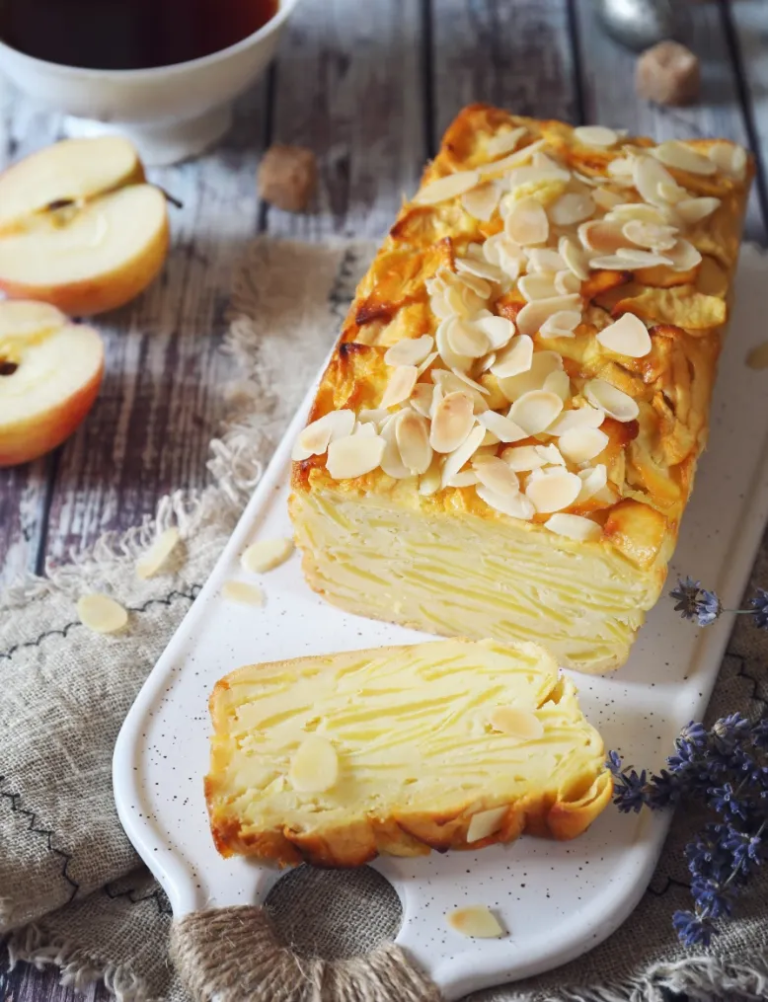
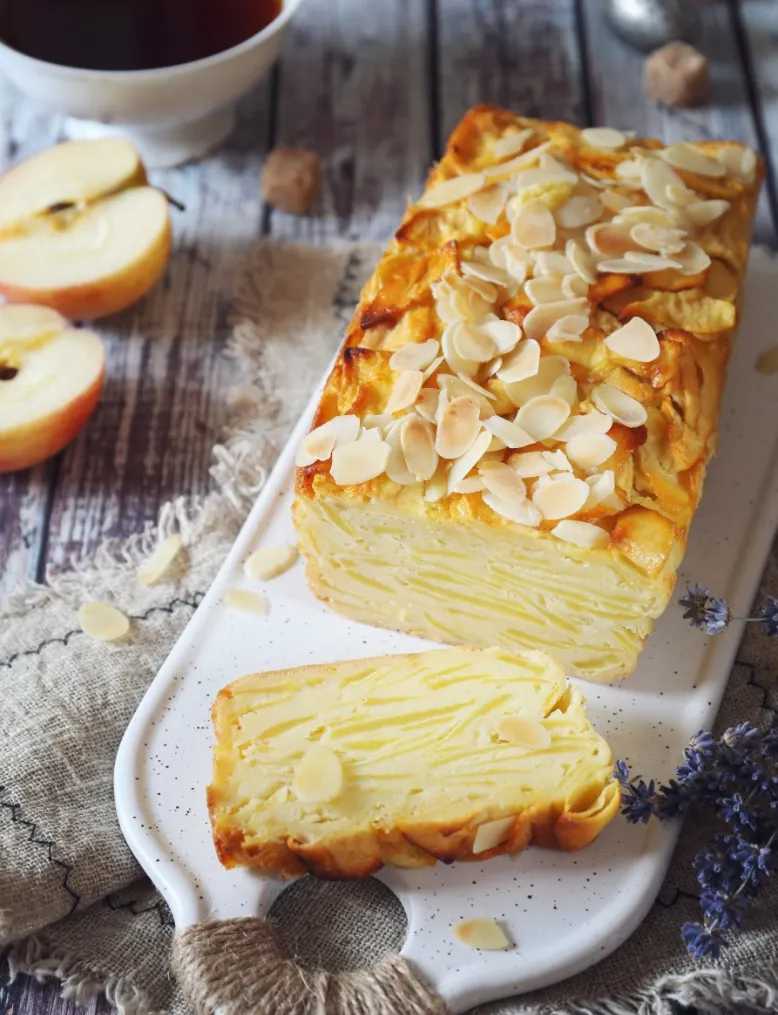
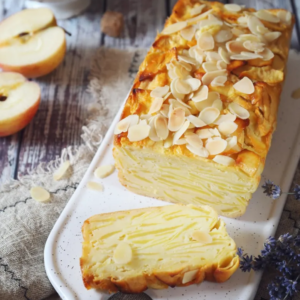
This invisible apple cake recipe sounds magical like the invisible cloak, but when you hear why it’s called that way, it will make total sense. You start with what feels like a ridiculous amount of paper‑thin apple slices, add just a small splash of batter, and somehow it comes out of the oven as a neat, sliceable cake. No heavy pastry, no thick sponge hiding the fruit, just layers of apple, barely held together, doing exactly what the name suggests.
Why it’s called invisible
The invisible apple cake gets it’s name from what happens to the batter in the oven. You mix it, you pour what looks like nowhere near enough over the apples, you carefully layer everything together… and then it simply vanishes as the cake bakes. When you cut into the apple cake, you see almost nothing but tightly stacked slices of soft, caramelised apple, holding together as cleanly as a terrine. The batter is still there, doing its job but it disappeared from view.
This is home baking that asks you to trust the process even when it looks completely wrong halfway through. Only a French home cook looks at that mountain of apples and that modest bowl of batter and thinks, “Yes, of course this will work.”
Where this recipe comes from
The invisible apple cake slipped into French home kitchens sometime in the 1990s, and, as with many good things, nobody can quite agree who came up with it first. Everyone seems to have an aunt, a neighbour, or a local pâtissier who “invented” it.
What we do know is that it belongs to the era when France was obsessed with lighter desserts. The 1990s were peak “we can cook with less butter, fewer eggs and more fruit”, chefs were busy proving that you could make impressive desserts without the usual richness. This cake was the home baker’s reply: no fancy equipment nor complicated techniques, just a lot of apples and a batter thin enough to disappear.
It caught on because it answers a very French question: how do you show off beautiful autumn apples without burying them under pastry or drowning them in cream? This French apple cake lets the fruit be the main event.
The apple question
This “cake”gâteau invisible aux pommes” as we say in French, really depends on choosing the right apples. You want varieties that keep their shape in the oven instead of collapsing into purée. In France, Golden Delicious is the classic choice, partly because it’s everywhere, partly because its firm flesh and gentle sweetness are perfect here. Cox, Braeburn, or Fuji behave just as well.
The most important step is the slicing. The thinner the slices, the tighter they stack, and the better the cake holds when you cut it. A mandoline makes this easy and gives you beautiful, even layers. With a knife, it’s just a matter of taking a bit more time. Thick or uneven slices mean uneven baking and a french invisible apple cake that wants to fall apart on the plate.
Regional variations
Because this is France, there are, of course, regional twists. In Normandy, a splash of Calvados goes into the batter, which makes perfect sense in the land of apples and apple brandy. In the Loire Valley, some cooks add a hint of Coteaux du Layon, the local sweet white wine. And in Paris, people will tell you their version is more refined, even though it’s essentially the same cake with slightly different apples and a nicer serving plate.
The right loaf pan for this french apple cake
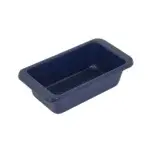
This french apple cake needs a tin that holds everything snugly, cooks gently, and lets go without drama once cooled. I like using a simple Pyrex cake mould for this. The borosilicate glass distributes heat evenly, which is exactly what those thin layers of apple need. Too much direct heat and the edges will overcook before the centre has a chance to set.
The glass also gives you a clear view of how the sides and base are browning without opening the oven door every five minutes, which is genuinely useful for something this delicate. And once the cake has cooled properly, it releases cleanly in one piece, important when your entire structure is essentially stacked fruit.
Serving it
This invisible apple cake is at its best at room temperature rather than warm. As it cools, the structure settles and firms up, and that’s what allows you to cut tidy slices. Try to slice it while it’s still hot and you’ll mostly end up with a delicious apple pile.
It doesn’t need much in the way of decoration, a light dusting of icing sugar is enough. A spoonful of crème fraîche on the side is lovely if you want a bit of contrast and richness.
One of its strengths is how well it keeps. Covered and left at room temperature, it’s good for a couple of days, and the texture often improves slightly by the second day as the layers compact a little more. Not many cakes can honestly claim to be better tomorrow, but this one comes close.
 Prep Time 25 minutes
  Cook Time 1 hour 45 minutes
  Total Time 2 hours 10 minutes
  Servings 6
Description
Ingredients
- 1 kg eating apples Braeburn,Cox, or Granny Smith work brilliantly
- ½ lemon juice of it
- 3 egg
- 50 gr caster sugar
- 80 gr plain flour
- 100 ml whole milk
- 25 gr unsalted butter
- 1 tsp vanilla extract
- 1 pinch salt
- unsalted butter for greasing the tin
Equipment

Instructions
1. Prep your apples
- Heat the oven to 180°C (160°Cfan). Peel, core, and slice the apples into the thinnest slices you can manage, aim for 2-3mm. A sharp knife and a bit of patience will get you there.Toss the slices in lemon juice as you go to stop them browning.
2. Make the batter
- Whisk the eggs and sugar together until pale and thick, about 3 minutes with an electric whisk. Sift in the flour and salt, then whisk until smooth. Gradually add the milk, then the melted butter and vanilla. The batter should be completely smooth and about the consistency of double cream.
3. Combine everything
- This is where it gets interesting. Add all the apple slices to the batter and fold them in gently but thoroughly. Every single slice needs to be coated. It'll look like far too many apples for the amount of batter. That's exactly right.
4. Into the tin
- Butter a loaf pan generously. Pour in the apple-batter mixture and level the top as best you can.The tin will look properly full, that's normal.
5. Bake until golden
- Into the oven for 45–50 minutes, until the top is golden brown and a skewer inserted into the centre comes out clean. Don’t open the oven door for the first 30–35 minutes, as it still needs uninterrupted time to set.
6. Cool and serve
- Let it cool in the tin for 10 minutes before turning out. Serve warm or at room temperature. It keeps perfectly for 2-3 days covered, though it never lasts that long in our house!
Notes
- Apple choice matters
Eating apples work better than cooking apples here, they hold their shape and don’t release too much liquid. Braeburns are particularly good, but Cox or Granny Smith work brilliantly too. - The vanishing trick
Don’t panic when you see how little batter there is compared to apples. The trick happens in the oven as the batter finds its way between every slice, creating the invisible binding that gives this cake its name. - Serving suggestions
Brilliant on its own, lovely with a dollop of crème fraîche, and absolutely perfect with a cup of proper coffee. Some people add a dusting of icing sugar, but honestly, it doesn’t need the extra sweetness. - Storage
Keeps covered at room temperature for 2-3 days. You can refrigerate it, but let it come back to room temperature before serving, the texture is much better. - Why it works
The high ratio of fruit to batter means each slice is essentially pure apple held together by just enough cake to bind it. It’s not quite a tart, not quite a cake, but something altogether more interesting.
Share your feedback and spread the love!
If you try this recipe, I’d love to hear how it turns out! Leave a ★★★★★ rating and your thoughts in the comments, it helps fellow French foodies discover this recipe too. Snap a photo and tag @obviously.french on Instagram. Come talk about it in our Facebook group. And don’t forget to save this recipe to Pinterest so you’ll always have it handy for your next French-inspired meal!