Plum Tart with Frangipane
 April 7, 2026
Disclosure: This post may contain affiliate links which provide us a small commission when used for purchase. Please read my disclosure policy for more information. I am grateful for your support!
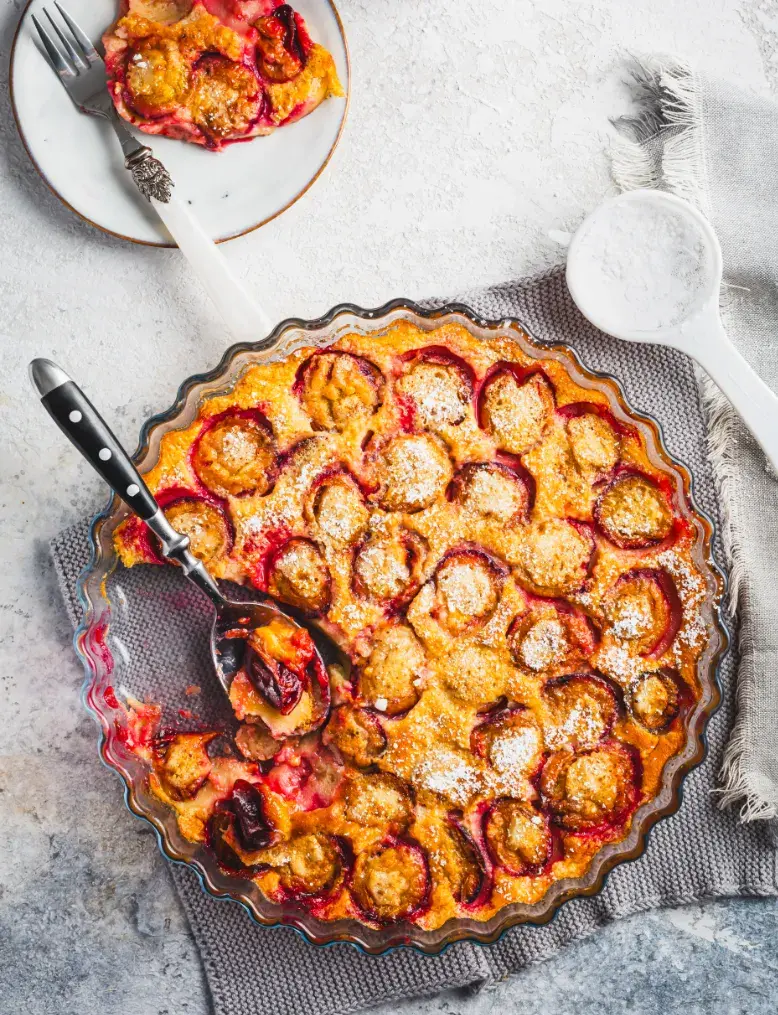
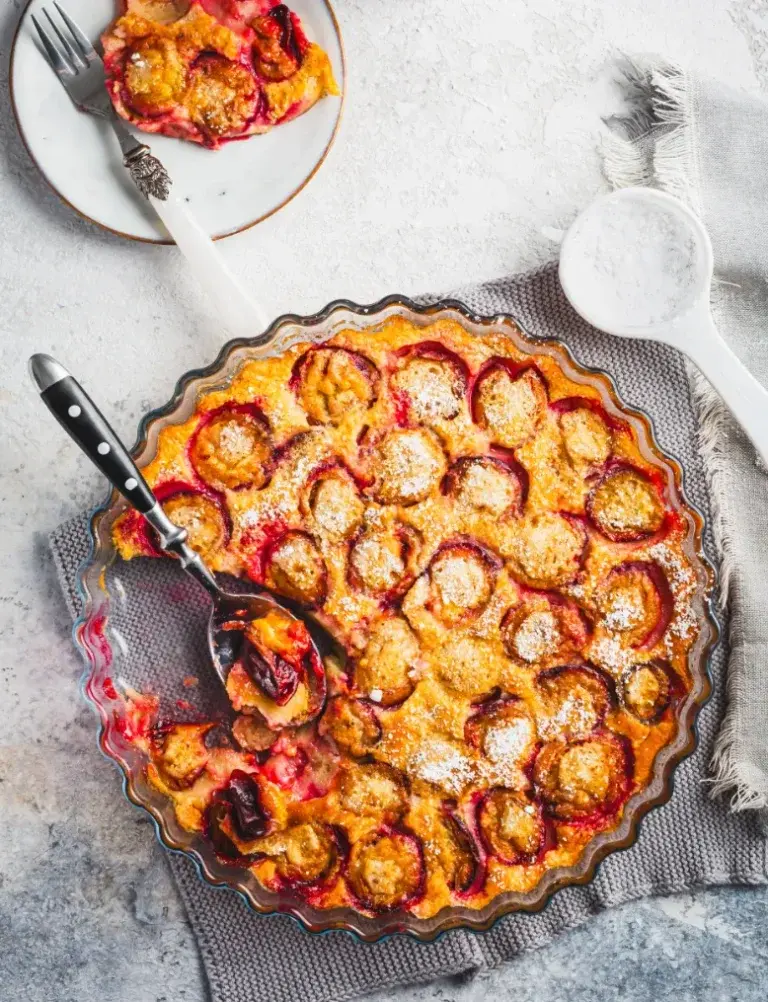
From August through October, when the plums are at their best, I’m always making this plum tart with frangipane. If it reminds you of the frangipane pear tart, it’s because they are indeed very similar. The pears are softer and sweeter, while this version has a tad more acidity to it. So it all depends what mood you’re in, and which fruit looks best at your market.
You’ll need your basic sweet shortcrust pastry and almond frangipane mix for this recipe. Once it comes out warm from the oven and you’ve had a slice, you’ll really not get enough of it. On top of that, it’s dangerously easy to make, so prepare yourself to finish a pie and make a new one in the same week. I know we do.
Table of Contents
Where plum tart with frangipane comes from
There’s no single origin story here, just a classic French pairing. Almond cream (frangipane, or more properly crème d’amandes) has been the base of French fruit tarts for a very long time, and it takes to almost any stone fruit or berry you press into it. The most famous version is the pear tarte bourdaloue, but plums, apricots, cherries and peaches all work the same way.
Plums are an especially good match. They’re tart enough to cut through the richness of the almond cream, and as they bake they release their juices into the frangipane and go soft and jammy, while the almond cream rises up around them and holds them in place. It’s simple, seasonal baking the French do so well: good pastry and good fruit!
Ingredients
- Plums – Ripe but firm, so they hold their shape and don’t collapse into mush. Any variety works, Victoria plums, greengages, or the small dark ones, halved and stoned.
- Sweet shortcrust pastry – The sweet, crumbly shell that shatters against the soft fruit.
- Frangipane – The almond cream with butter, sugar, ground almonds, egg, a splash of rum.
- Apricot jam – Optional, warmed and brushed over the baked tart for a glossy finish.
- Icing sugar – A dusting to serve, softening the tartness and giving a clean look.
How to make plum tart with frangipane
1. Line the shell
Roll your chilled sweet shortcrust pastry and line your 24cm tart ring, then prick the base and chill it again while you make the frangipane. Some recipes blind bake first for an extra-crisp base, but for a frangipane tart you can line it raw, since the long bake cooks the pastry through as the almond cream sets. Cold pastry going into the oven is what stops the sides slumping, so don’t skip that second chill.
2. Make the frangipane
Beat the soft butter and sugar pale, then the eggs, then the ground almonds and a splash of rum, just until smooth. Don’t overwhip it, or it puffs up too much and sinks. This is the same frangipane from my standalone recipe.
3. Assemble and bake
Spread the frangipane over the base, keeping it just below the top of the pastry since it rises as it bakes. Press the halved plums in, cut-side up, arranged however you like, they’ll sink slightly as the almond cream rises around them.
Then bake until the almond cream is set and deep golden and a skewer in the middle comes out clean, and the plums have gone soft and jammy at the edges. Brush with warmed apricot jam for a glossy finish if you like, then cool before slicing, because a warm sweet shortcrust pastry shell is fragile.
Tools for this recipe
Check out my favorite kitchen essentials and cookware!
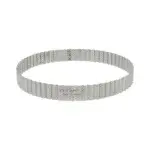
- Use a 24cm perforated tart ring or fluted tart ring to get clean edges and a crisp, evenly baked base.
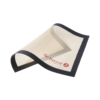
- I use my reusable perforated baking mat under the ring so the base bakes crisp with airflow underneath.
- I use my professional wooden rolling pin to roll the pastry to an even 3mm.
- Use a cooling rack to let the tart set fully before you unmould it.
Tips for success
- Use ripe but firm plums: Ripe ones are sweet and fragrant; firm ones hold their shape and don’t flood the tart. Overripe plums release too much juice and stop the frangipane setting.
- Arrange the plums cut-side up: cut-side up holds the juices in the fruit rather than letting them run straight into the almond cream. It also looks lovely as they caramelise at the edges.
- Keep the frangipane below the pastry rim: it rises as it bakes, so a thin, even layer just under the top is all you need, or it overflows.
- Cool it before slicing: sweet shortcrust pastry is fragile, and more so with a juicy filling. Let it cool fully in the tin before unmoulding, or it’ll crack!
How to store it
- This tart is loveliest the day it’s baked, when the pastry’s still crisp and the plums still fragrant. A spoonful of crème fraîche or a scoop of vanilla ice cream alongside, and it’s a proper french dessert.
- It keeps for up to 2 days, covered, at room temperature, though the pastry softens a little as the plum juices work into it. Keep it somewhere cool rather than the fridge if you can, since the fridge softens sweet shortcrust pastry faster. If you do refrigerate it, bring it back to room temperature before serving.
- I wouldn’t freeze a finished tart, the pastry doesn’t survive it well. But you can freeze the raw pastry and the frangipane separately, and plums freeze well too (halved and stoned), so you can bake this out of season if you plan ahead.
More tart recipes to try
Variations
- Less sugar: the plums bring their own sweetness and a good tartness, so you can pull the sugar back a little in the frangipane (drop it by about a quarter) and skip the icing sugar at the end. The tart will be less sweet and more fruit-forward, which suits sharp plums beautifully. The almond cream still sets fine with slightly less sugar.
- Other stone fruit: apricots, peaches, nectarines or cherries all work the same way. Pick whatever’s ripe and in season.
- Add spice: a little cinnamon or a scrape of vanilla in the frangipane, or a pinch of ground almonds swapped for ground hazelnuts, for a different note.
- A splash of alcohol: a little dark rum or plum brandy in the frangipane, or brushed over the warm tart, for a grown-up version.
- Chocolate frangipane: fold a spoonful of cocoa into the almond cream, chocolate and plum is a lovely, less-obvious pairing.
- Individual tartlets: make small ones in 8cm tart rings for a dinner-party finish. Same method, just a shorter bake.
FAQ
What plums are best for a plum frangipane tart?
Ripe but firm plums that hold their shape when baked. Victoria plums are a reliable, sweet choice; greengages are lovely and honeyed; small dark plums or damsons give a sharper, more intense result. Avoid overripe plums, which flood the tart with juice.
Do I need to peel the plums?
No. The skins hold the plums together as they bake, keep a pleasant bit of bite, and give the tart lovely colour. Just halve and stone them, and arrange them cut-side up.
Can I make a plum frangipane tart ahead of time?
Yes. Make the components ahead, the pâte sablée keeps 2 days in the fridge (or a month frozen) and the frangipane keeps 3 days (or a month frozen). Then assemble and bake on the day. The baked tart is best the day it’s made but keeps 2 days at room temperature.
Why didn’t my frangipane set?
Usually too much liquid, from overripe plums releasing too much juice. Use ripe-but-firm fruit, arrange it cut-side up, and don’t overwhip the frangipane (too much air makes it puff and sink). A skewer in the centre should come out clean when it’s done.
Can I use tinned or frozen plums?
Fresh is best, but drained tinned plums (in juice, not syrup) work in a pinch, patted very dry. Frozen plums work too, thaw and drain them well first, or they’ll make the tart watery. Fresh in-season plums give the best flavour and texture.


 Prep Time 30 minutes
  Cook Time 45 minutes
  Total Time 2 hours 15 minutes
  Servings 8
Description
Ingredients
For the pâte sablée
- 250 gr plain flour sifted
- 150 gr unsalted butter room temperature
- 80 gr icing sugar sifted
- 50 gr egg room temperature
- 1 pinch salt
For the frangipane
- 100 gr unsalted butter room temperature
- 100 gr caster sugar
- 100 gr ground almonds almond flour
- 2 eggs room temperature
- 1 tbsp dark rum
- ½ tsp vanilla extract
For the filling
- 800 gr plums reine-claude, quetsche, or any firm plums
- 2 tbsp apricot jam optional, to glaze
- 1 tbsp icing sugar for dusting



Instructions
1. Line the shell with shortcrust pastry
- Roll the chilled pâte sablée out to about 3mm and line your tart ring, set on a baking mat. Trim the edges and prick the base with a fork. Chill for 20 to 30 minutes while you make the frangipane.
2. Make the frangipane
- Beat the butter and sugar until pale, about 2 minutes. Add the eggs one at a time, beating between each. Add the ground almonds and rum and mix just until smooth. Don't overwhip.
3. Assemble
- Heat the oven to 180°C (160°C fan). Spread the frangipane over the base, just below the pastry rim. Press the halved plums in, cut-side up, arranged evenly.
4. Bake
- Bake for 35 to 40 minutes, until the frangipane is set and deep golden and a skewer in the centre comes out clean. The plums should be soft and jammy at the edges. Cover loosely with foil if the top browns too fast.
5. Glaze and cool
- Brush the warm tart with warmed apricot jam for a glossy finish, if using. Cool completely in the tin before unmoulding.
6. Serve
- Dust with icing sugar and serve with crème fraîche or vanilla ice cream.
Notes
- Ripe but firm plums hold their shape and don’t flood the tart. Overripe ones release too much juice.
- Arrange them cut-side up to hold the juices in and colour nicely.
- Don’t overwhip the frangipane, or it puffs and sinks. Beat just until smooth.
- Keep the frangipane below the rim. It rises as it bakes.
- Make ahead: pastry and frangipane both keep days in the fridge or a month frozen. Assemble and bake fresh.
Share your feedback and spread the love!
If you try this recipe, I’d love to hear how it turns out! Leave a ★★★★★ rating and your thoughts in the comments, it helps fellow French foodies discover this recipe too. Snap a photo and tag @obviously.french on Instagram. Come talk about it in our Facebook group. And don’t forget to save this recipe to Pinterest so you’ll always have it handy for your next French-inspired meal!