
 September 15, 2025
Disclosure: This post may contain affiliate links which provide us a small commission when used for purchase. Please read my disclosure policy for more information. I am grateful for your support!
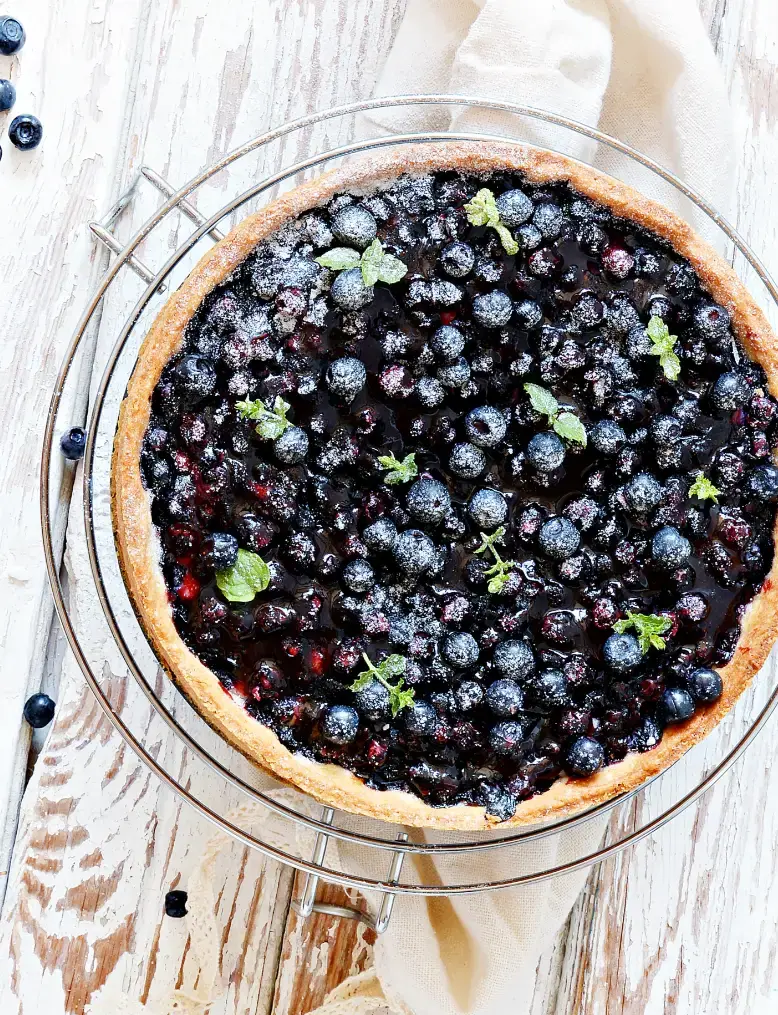
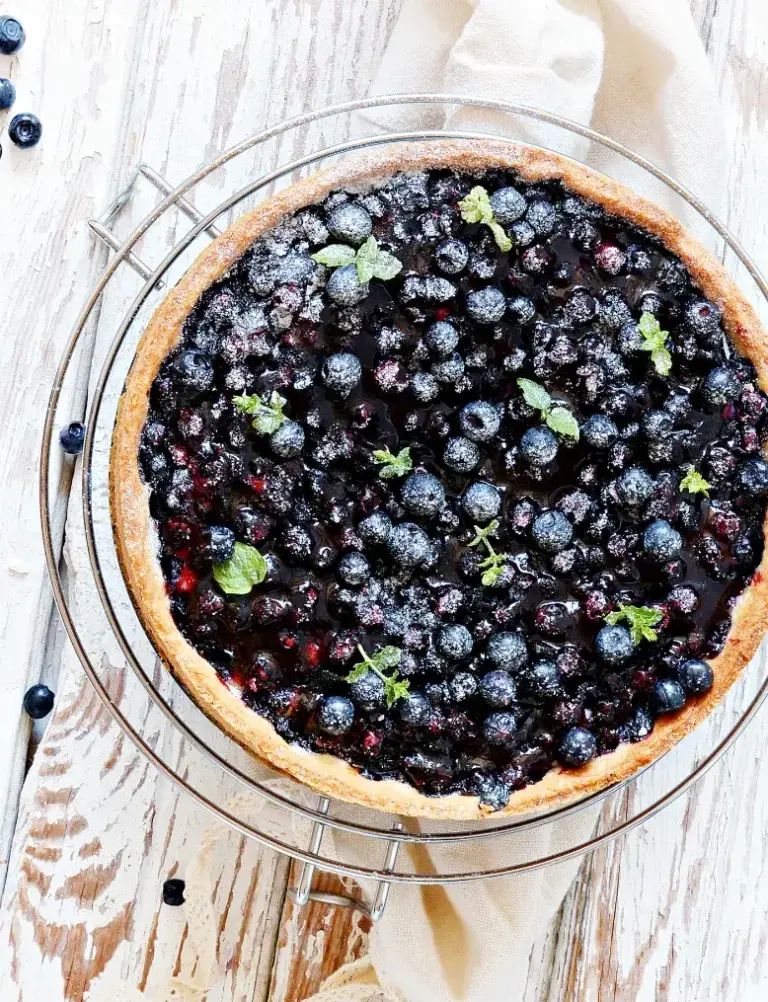
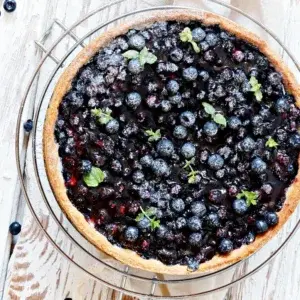
When we visited Limoges and had a look in the bakery windows, we spotted something we don’t see much in our region: the blueberry tart. We obviously had to take one home.
It was different from any fruit tart we’d had before, and we were both completely taken by the intensity of the wild blueberries. Bright, jammy, lightly floral and so much more flavourful than regular blueberries. Against the buttery, crumbly sweet shortcrust pastry, it was a combination that stuck with us. That’s why I needed to share this french blueberry tart recipe with you!
Table of Contents
Where blueberry tart comes from
This tart doesn’t have a single origin story. There’s no named pastry chef, no specific date and no famous incident. It’s simply a mountain dessert that grew naturally out of the landscape. Wild blueberries are characteristic of the mountain zones of the Limousin, and the picking of them has shaped the rhythm of rural life there for decades. When you have an abundance of a fruit this good growing on your doorstep, you obviously make a tart!
Each region makes it slightly differently, some add a custard layer, some add ground almonds, some keep it completely plain, but the spirit is always the same: wild fruit, simple pastry, very little else.
Wild blueberries vs regular blueberries
This is worth knowing before you start. The blueberries used in a traditional french blueberry tart recipe are wild blueberries. These are smaller and darker than the commercial cultivated blueberries you find in supermarkets. The flavour difference is real! Wild blueberries are more intense, slightly more tart, more deeply fruity, and they stain everything that deep inky purple the moment you bite into them. Cultivated blueberries are milder and sweeter, which produces a completely different result.
If you can find wild blueberries, use them for sure. They’re definitely worth making the extra effort to hunt down. If you can’t, the smallest, darkest cultivated blueberries you can find will still make a very good tart, just a slightly different one. Wild blueberry picking in France generally runs from mid-July to mid-September, so summer is when this blueberry tart recipe easy version really makes sense.
Ingredients
- Wild blueberries – Use wild blueberries if you can. 500g, tossed with sugar, a little flour and lemon. Frozen works too if you drain them well.
- Pâte sablée (sweet shortcrust pastry) – The crumbly, sandy sweet pastry that shatters against the soft berries. I use my homemade sweet shortcrust pastry.
- Caster sugar – To sweeten the berries and give a caramelised finish on top. Wild berries are quite tart, so they need it.
- Plain flour (or cornflour) – Tossed through the berries, it thickens the juices as they bake so the tart doesn’t go watery.
- Lemon juice – Essential, not optional. It lifts and brightens the berries. Without it they can taste a bit flat and heavy.
- Ground almonds – Scattered over the base before the fruit. They soak up the juice and keep the pastry from going soggy underneath.
How to make blueberry tart
The pastry: pâte sablée (sweet shortcrust pastry)
The Limousin blueberry tart is built on pâte sablée, a sweet, crumbly shortcrust with a sandy texture that shatters when you cut it. That contrast, crisp sandy pastry against soft collapsed berries, is the whole appeal, and it’s why sablée beats a firmer shortcrust here.
I won’t re-teach the method here, because I’ve got the full sweet shortcrust pastry recipe written up for you. The short version: cold butter, rubbed to sand, minimal handling, and chill it before you roll. Overwork it and it develops gluten and loses that lovely crumble. Make it up to a rolled, lined base, then come back here for the fruit.
1. Line the base and add the almonds
Roll your chilled sweet shortcrust pastry and line your tart ring, then prick the base with a fork. Scatter a thin layer of ground almonds over the bottom. This isn’t for flavour so much as insurance: the almonds drink up the juice the berries release, which is the difference between a crisp base and a soggy one. Don’t skip it with fruit this wet.
2. Mix and fill
Toss the blueberries with the caster sugar, flour and lemon juice, so every berry’s lightly coated. The flour thickens the juices as they bake, and the lemon brightens the whole thing. Tip them over the base and spread them out evenly, right to the edges. A little extra sugar over the top gives a nice caramelised finish.
3. Bake and cool
Place the tart into a hot oven until the pastry’s golden and crisp and the berries are bubbling and glossy. Then let it cool properly before you move it. The base firms up as it cools, and a warm tart will crack or crumble when you lift it. Patience at the end saves a heartbreak!
Tools for this recipe
Check out my favorite kitchen essentials and cookware!
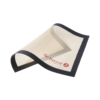
- Use a perforated baking mat for the perfect bake.
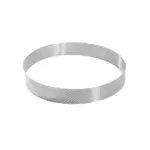
- I use my sturdy, stainless steel fluted tart ring for this recipe.
- I use my heavy wooden rolling pin for easy flattening of the pastry.
Tips for success
- Use the darkest berries you can find: wild is best, but if you’re stuck with cultivated, hunt out the smallest, darkest ones.
- Don’t skip the ground almonds: that thin layer on the base soaks up the juice and keeps the pastry crisp. It’s the single best trick for avoiding a soggy bottom with juicy fruit.
- The lemon isn’t optional: it lifts the berries and stops them tasting flat and jammy-heavy. A good squeeze makes the fruit taste more of itself.
- Let it cool before you move it: sweet shortcrust pastry is fragile and gets more so with a wet filling. Cool it fully in the ring before unmoulding, or it’ll break on you.
- Don’t overbake: once the berries are bubbling and the pastry’s golden, it’s done. Push it too far and the fruit gives up even more juice and the base suffers.
How to store it
- This tart is best the day it’s baked, at room temperature, when the pastry’s still crisp and the berries still a bit jammy. That’s when it’s at its peak, so ideally bake it the day you want it.
- It keeps for a couple of days, covered, though the pastry softens as the fruit juice works into it. Keep it somewhere cool rather than the fridge if you can, since the fridge softens the pastry faster. If you do refrigerate it, let it come back to room temperature before serving.
- I wouldn’t freeze a finished tart, the pastry doesn’t survive it well. But you can freeze the raw pastry, and you can freeze the wild berries when they’re in season, which is honestly the best way to have this tart out of season.
More sweet recipes to try
Variations
- Add a custard (the Alsace way): pour a light migaine (a simple egg-and-cream custard) over the berries before baking for the richer Alsatian version.
- Almond cream base: spread a thin layer of frangipane on the base before the berries for a tarte bourdaloue-ish twist. Richer, and lovely.
- Mixed summer berries: not strictly traditional, but a handful of raspberries or blackberries in with the blueberries works beautifully.
- A crumble top: scatter a bit of streusel over the berries for a blueberry-crumble-tart hybrid. Good with cream too!
- Reserve some raw berries: bake the tart with most of the fruit, then tip a handful of sugar-macerated raw berries over the top once it’s out. The mix of cooked and fresh is a proper Vosges trick (for cultivated berries, at least).
How to serve blueberry tart
You can serve this blueberry tart at room temperature with a spoonful of crème fraîche alongside it. That’s the traditional mountain side. The coolness and slight tang work brilliantly against the sweet-tart fruit and the rich pastry. You can also add some fresh homemade whipped cream, that’s my favourite accompaniment.
If you’re eating it slightly warm, vanilla ice cream is also very good, melting into the jammy berries. And a small glass of something is never wrong: a crème de myrtille liqueur, if you want to go full mountain, or just a strong coffee.
FAQ
What kind of blueberries are best for a blueberry tart?
Wild blueberries (myrtilles sauvages) are traditional and best: small, dark and intensely flavoured. If you can’t find them, use the smallest, darkest cultivated blueberries you can, or good frozen ones (drained well). The darker the berry, the better the tart.
Can I use frozen blueberries?
Yes. Frozen wild blueberries are often better than fresh cultivated ones. Drain them well after thawing, or toss them straight from frozen with a little extra flour, to stop the tart going watery.
How do I stop my blueberry tart going soggy?
Scatter a thin layer of ground almonds over the pastry base before adding the fruit. They absorb the juice the berries release. Tossing the berries with a little flour helps thicken the juices too, and don’t overbake, since that draws out even more juice.
What pastry is used for a French blueberry tart?
Traditionally it is a pâte sablée, a sweet shortcrust pastry with a sandy texture that shatters against the soft berries. It’s richer and more delicate than plain shortcrust.


 Prep Time 30 minutes
  Cook Time 35 minutes
  Total Time 1 hour 5 minutes
  Servings 6
Description
Ingredients
For the pâte sablée / sweet crumbly shortcrust pastry
- 250 gr plain flour sifted
- 150 gr unsalted butter room temperature
- 80 gr icing sugar sifted
- 50 gr egg room temperature
- 1 pinch salt
For the base of the pastry
- 30 gr ground almonds for dusting the tart base
For the filling
- 500 gr blueberries preferably wild
- 2 tbsp plain flour or cornflour
- 80 gr caster sugar plus extra for the top
- 15 ml lemon juice
Equipment

Instructions
1. Make the pastry
- Make your pâte sablée following that recipe, and chill it as directed. (Make it ahead if you like.)
2. Line the tart ring
- Heat the oven to 210°C (190°C fan). Roll the chilled pastry out on a lightly floured surface and line your tart ring, set on a baking tray with a baking mat. Prick the base with a fork. Scatter the ground almonds evenly over the base to soak up the juice.
3. Mix the filling
- In a bowl, gently toss the blueberries with the caster sugar, flour and lemon juice. The flour thickens the juices as they bake; the lemon brightens the fruit.
4. Assemble
- Spread the berries evenly over the base, right to the edges. Sprinkle a little extra caster sugar over the top for a caramelised finish.
5. Bake
- Bake for about 30 to 35 minutes, until the pastry is golden and crisp and the berries are bubbling and glossy.
6. Cool and serve
- Let the tart cool in the ring before unmoulding, since the pastry is fragile when warm. Serve at room temperature (or slightly warm) with crème fraîche or vanilla ice cream.
Notes
- Wild blueberries are traditional and best. If unavailable, use the smallest, darkest cultivated berries, or frozen (drained well).
- The ground almonds on the base soak up the juice and keep the pastry crisp. Don’t skip them.
- The lemon juice is essential to lift the berries and stop them tasting flat. Let it cool fully before unmoulding. Sweet shortcrust pastry is delicate and will crack if moved warm.
- Make the pastry ahead: it keeps 3 days in the fridge or 2 months frozen.
Share your feedback and spread the love!
If you try this recipe, I’d love to hear how it turns out! Leave a ★★★★★ rating and your thoughts in the comments, it helps fellow French foodies discover this recipe too. Snap a photo and tag @obviously.french on Instagram. Come talk about it in our Facebook group. And don’t forget to save this recipe to Pinterest so you’ll always have it handy for your next French-inspired meal!

This is definitely one of my favorite tarts! I’m looking forward to when the wild blueberries are ripe again in the Alps. There’s truly no better way to reward yourself after a mountain hike than with a delicious dessert. Plus, I was able to easily turn this into a vegan recipe, too!