 September 2, 2025
Disclosure: This post may contain affiliate links which provide us a small commission when used for purchase. Please read my disclosure policy for more information. I am grateful for your support!
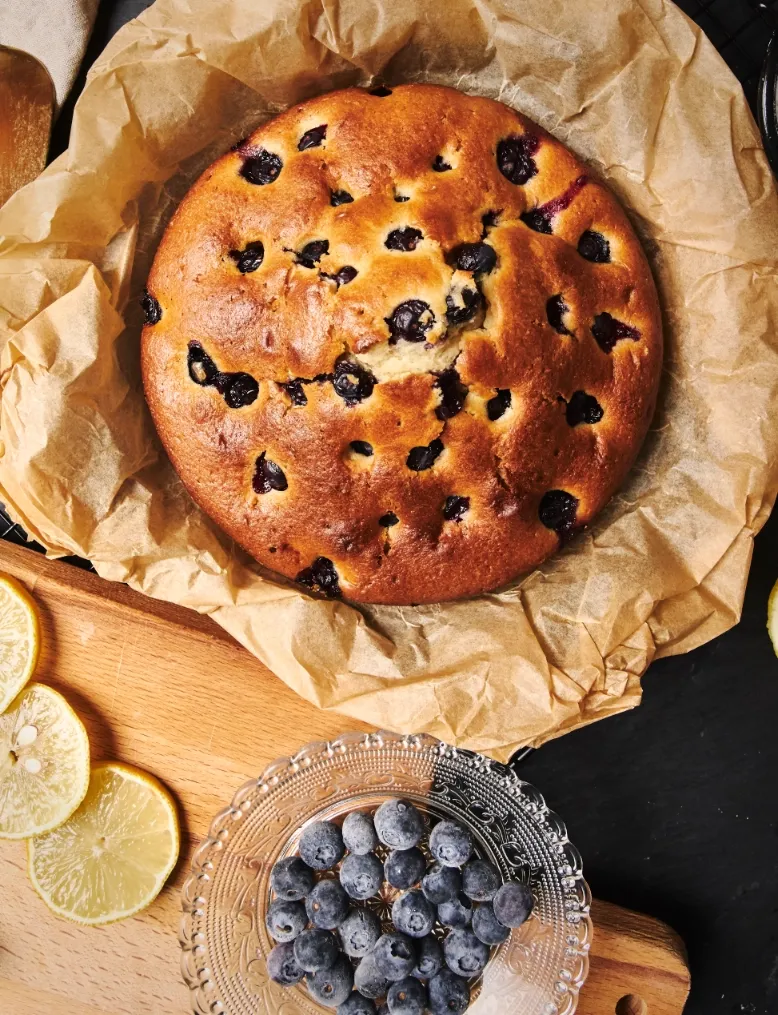
This summer our neighbour Michèle and her husband André spoiled us with the juiciest, plumpest cherries straight from their garden. As if that wasn’t enough, they sent us home with two slices of her homemade clafoutis, made with cherries from a tree that grows deliberately more acidic fruit. I was blown away by how good it was, so I obviously had to ask for her recipe.
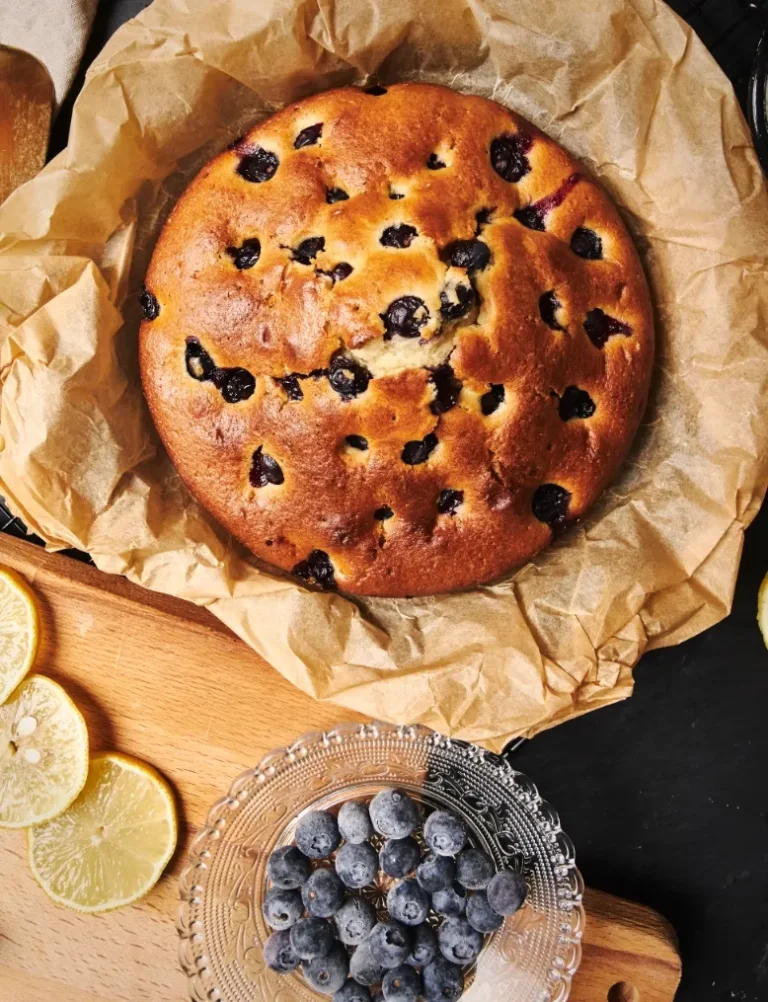
The one here is hers, with one small twist: swapping the cherries for blueberries, which are easier to find year-round and just as good in this clafoutis recipe. But if you want the real clafoutis experience, it has to be black cherries. Michèle would insist on that!
Table of Contents
Where clafoutis comes from
Clafoutis comes from the Limousin, in the heart of France, and it began in the 19th century as about as simple as a dessert gets. The name comes from the Occitan clafotís, from clafir, to fill, which is exactly what you’re doing. You fill a dish with fruit and pour batter around it.
In the original cherry clafoutis, you leave the stones in the cherries. I thought this was a mistake the first time I ate one. The idea is that the stones release a faint almond note as it bakes, and that the fruit keeps its juice better whole. Both turn out to be true. Michèle’s version was exactly that, and although the flavour is phenomenal, it isn’t a dessert for a first date, given the stone-spitting involved!
Officially, this recipe is a flognarde
Most people in France would call this a clafoutis, but strictly speaking it’s a flognarde, another Limousin speciality that’s much less well known. The name clafoutis belongs to the cherry version alone. Any other fruit, and the Limousin will tell you it’s a flognarde. I mention it mostly so as not to annoy anyone from the region!
Ingredients
- Blueberries — practical and delicious. They hold their shape through baking and their slight tartness cuts the sweet, eggy batter. Frozen work well too.
- Eggs — the structure and the custardy character. This is closer to a baked custard than a cake, so the eggs are doing most of the work.
- Whole milk — the bulk of the liquid, and what gives the flan-like set. Don’t reduce it.
- Plain flour — a small amount, just enough to hold everything together. Adding more turns it into a sponge, which isn’t what a clafoutis is.
- Sugar — the fruit brings its own sweetness and the batter shouldn’t be cloying, so use sparsely.
- Butter — melted into the batter for richness, plus more for the dish!
- Salt — a pinch, which sharpens everything and stops it tasting flat.
How to make clafoutis
1. Beat the eggs and sugar first
Crack the eggs into a bowl with the sugar and beat until smooth and slightly frothy. Starting here rather than with the flour is what gives you a lump-free batter, because the eggs and sugar loosen everything before the flour goes anywhere near it.
2. Add the flour, then the milk gradually
Whisk in the flour and salt until completely smooth, then pour in the milk slowly, whisking as you go. Add it all at once and you’ll be chasing lumps around the bowl. Finish with the melted butter. It should be thin and pourable, closer to crêpe batter than cake batter.
3. Let it rest for ten minutes
Short but worth it. The flour hydrates properly and the batter settles, which gives you a more even set in the oven. Butter your dish generously while you wait, right up the sides.
4. Fruit in the dish, batter over the top
Scatter the blueberries evenly across the buttered dish, then pour the batter over to cover them. If you’re using frozen berries, put them in straight from the freezer without thawing, or they’ll bleed liquid into the batter and make it watery.
5. Bake until just set, and stop there
Around 180°C for 35 to 40 minutes, until puffed, golden and just set with a slight wobble at the centre. That wobble is what you’re aiming for, since it firms up as it cools. Bake it until completely firm and you’ll have something rubbery.
6. Cool slightly, then serve
Let it settle for ten minutes or so before serving. It sinks a little as it cools, which is entirely normal and happens to every clafoutis ever made. Warm from the dish is the traditional way.
Tools for this recipe
Check out my favorite kitchen essentials and cookware!
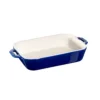
- Clafoutis bakes best in a dish that distributes heat evenly and holds it steadily throughout. I use my beloved ceramic baking dish for this. It goes straight from oven to table. But you could also bake it in a glass loaf pan, or an aluminum steel lined loaf pan. A clafoutis is very forgiving!
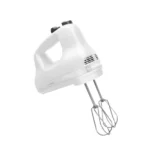
- Use a whisk to get the batter properly smooth, since lumps at the mixing stage never disappear in the oven.
Tips for success
- Butter the dish generously, right up the sides: clafoutis sticks, and a well-buttered dish is the difference between neat slices and scraping it out in pieces.
- Don’t add more flour, however thin the batter looks: it’s supposed to look alarmingly runny. That’s what makes it a clafoutis rather than a fruit sponge.
- Expect it to sink: it puffs dramatically in the oven and deflates as it cools. Nothing has gone wrong, this is simply what a custard does.
- Test with a knife near the edge, not the centre: the middle should still be soft, so checking there will fool you into overbaking. The edges tell you whether it’s set.
- If you’re using very juicy fruit, toss it in a teaspoon of flour first: it stops the juice sinking straight to the bottom and leaving a soggy layer.
How to store it
- At room temperature: Fine for a few hours on the day it’s baked, which is how it’s usually eaten in the Limousin, warm or barely warm from the dish.
- In the fridge: Keeps 2 to 3 days covered. It’s surprisingly good cold, when the texture firms up and the fruit flavour concentrates. Bring it out twenty minutes before serving, or warm individual slices briefly.
- In the freezer: Not really worth it. The custard weeps on thawing and the texture turns watery, losing exactly the quality you baked it for. Better to make a smaller one and eat it fresh.
More dessert recipes to try
Variations
- Cherry, the original: black cherries with the stones, which is the only version the Limousin will call a clafoutis. Warn your guests about the stones!
- Plum or apricot: halved and laid cut-side up, both are excellent and their tartness suits the batter beautifully. Very much a late-summer version.
- Pear and a little cinnamon: an autumn flognarde, with the pears sautéed briefly first so they don’t release water into the batter.
- Raspberry and almond: swap 30g of the flour for ground almonds, which echoes the almond note the cherry stones traditionally gave.
- With a spoonful of dark rum or kirsch: stirred into the batter, and completely traditional in the Limousin.
- Gluten-free: replace the flour with half rice flour and half cornflour. It works well here precisely because there’s so little flour to begin with.
- Less sugar: easy in this recipe, since the sugar isn’t structural, the eggs and milk do the setting. Drop from 50g to around 30g, especially with sweeter fruit. Below that the batter starts tasting savoury rather than restrained, so I wouldn’t go further.
FAQ
What’s the difference between a clafoutis and a flognarde?
Strictly, a clafoutis is made with cherries. The same batter with any other fruit is a flognarde, another Limousin speciality. Outside the region most people call both a clafoutis.
Can you make blueberry clafoutis with frozen berries?
Yes. Add them straight from the freezer without thawing, so they hold their shape and release less liquid into the batter. Add a couple of minutes to the baking time.
Why is my clafoutis rubbery?
It was overbaked. Take it out while the centre still wobbles slightly, since it carries on setting as it cools. A fully firm clafoutis in the oven will be dry by the time it reaches the table.
Should clafoutis be served warm or cold?
Warm from the dish is traditional and how it’s best. It’s also good at room temperature, and surprisingly good cold the next day once the texture has firmed up.


 Prep Time 15 minutes
  Cook Time 35 minutes
  Total Time 50 minutes
  Servings 6
Description
Ingredients
- 200 gr blueberries or wild blueberries
- 3 egg
- 200 gr plain flour
- 30 gr unsalted butter melted
- 3 gr baking powder
- 50 gr sugar
- 60 ml whole milk
- 1 pinch salt
Equipment
Instructions
1. Prepare the batter
- Preheat the oven to 180°C (160°C fan) and butter the baking dish generously. Crack the eggs into a mixing bowl with the sugar and beat until smooth and slightly frothy. Whisk in the flour and salt until completely lump-free, then pour in the milk gradually, whisking continuously. Finally whisk in the melted butter. The batter should be thin and pourable, closer to crêpe batter than cake batter.
2. Rest the batter
- Leave it to rest for 10 minutes so the flour hydrates fully.
3. Add the fruit
- Scatter the blueberries evenly across the buttered dish, then pour the batter over them to cover completely. If using frozen berries, add them straight from the freezer without thawing.
4. Bake
- Bake for 35–40 minutes, until puffed, golden and just set with a slight wobble in the centre. Add a couple of minutes if using frozen fruit.
5. Serve
- Let it cool slightly before serving. It will sink a little as it cools, which is normal. Lovely warm or at room temperature.
Notes
- If fresh blueberries aren’t available, frozen work well. Don’t thaw them first, or the clafoutis will be watery.
- For a touch of warmth, add a little cinnamon or vanilla to the batter.
- Don’t add extra flour. A clafoutis batter is meant to be thin, which is what gives it the flan-like texture.
- It sinks as it cools. That’s what a baked custard does.
Share your feedback and spread the love!
If you try this recipe, I’d love to hear how it turns out! Leave a ★★★★★ rating and your thoughts in the comments, it helps fellow French foodies discover this recipe too. Snap a photo and tag @obviously.french on Instagram. Come talk about it in our Facebook group. And don’t forget to save this recipe to Pinterest so you’ll always have it handy for your next French-inspired meal!