Frangipane Pear Tart

 July 9, 2026
Disclosure: This post may contain affiliate links which provide us a small commission when used for purchase. Please read my disclosure policy for more information. I am grateful for your support!
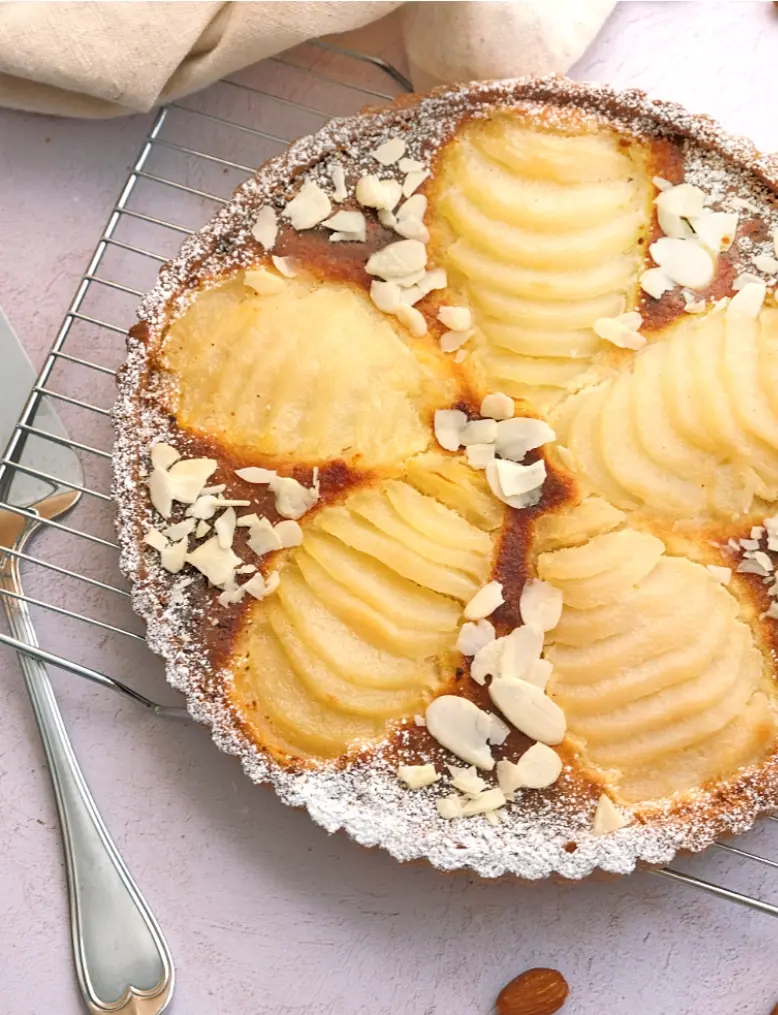
I reckon this frangipane pear tart, the tarte bourdaloue, might be one of the best use of pears in a dessert. They become extra perfumed and flavourful and the combination with the almonds is out of this world delicious.
It’s a recipe I make every autumn when the good pears turn up at the market, and it never lets me down. The frangipane is the same one from my frangipane recipe, and the pastry’s the same pâte sablée I use for the blueberry tart. Pâte sablée is one of the foundational pastries of French pâtisserie, short, crumbly, buttery, and perfectly golden. So if you’ve made either of those, this comes together in no time. And if you haven’t, well, now’s a very good excuse to start!
Table of Contents
Where frangipane pear tart comes from
The tarte bourdaloue was born in Paris in the second half of the 19th century, on the rue Bourdaloue in the 9th arrondissement, and it simply took the street’s name. Who actually invented it is where it gets murky. Some say the pâtissier Fasquelle, some say a Coquelin, but the most careful sources credit Nicolas Bourgoin of the maison Lesserteur, on that street in the early 1850s, with Fasquelle taking over the shop a decade later. Nobody really knows, that’s how legends are born, right?
The street itself is named after Louis Bourdaloue, a 17th-century Jesuit preacher famous for sermons at the court of Versailles. And here’s the detail I love: his sermons ran so long that the ladies of the court couldn’t slip away to relieve themselves, so a bourdaloue also became the polite name for a portable chamber pot. Which makes it all the funnier that the original tart was decorated with crushed macarons in a cross on top, a nod to the preacher. Nobody said pâtisserie history had to be dignified.
The tart with pears, as we make it now, first appears in print in 1929, in Le Grand Livre de la Cuisine by Prosper Montagné. So the pear almond tart version is really a 20th-century take on an older almond tart. Earlier ones used apricots, apples, whatever was in season, and pears just turned out to be the best match!
Ingredients
- Pears – Ripe but firm, never soft, or they’ll collapse in the syrup and flood the tart. Williams (what Larousse specifies), Comice or Crassane all work.
- Pâte sablée – The crumbly, buttery, sweet shell that shatters when you cut it.
- Frangipane – The fragrant almond cream for the base of this tart.
- Vanilla and lemon – For the poaching syrup, which perfumes the pears and later becomes the glaze.
- Flaked almonds – Scattered over the cream before (or after) baking, for a toasted, crunchy finish.
- Dark rum – A tablespoon in the frangipane. It deepens the almond flavour lovely. Leave it out if you’d rather have an alcohol-free tart.
How to make frangipane pear tart
1. Poach the pears and blind bake the shell
Get your poaching syrup gently simmering, peel and halve the pears, scoop the cores, and poach them until just tender, then leave them to cool completely. Don’t rush the pears off the heat while they’re still firm in the middle, but don’t let them go to mush either. A knife should slide in with just a little resistance.
Meanwhile, roll your chilled pâte sablée (sweet shortcrust pastry), line the tart ring, freeze it briefly, and blind bake until pale golden and dry. Doing both at once saves you time, and cooled pears and a cooled shell are what you want for assembly anyway.
2. Make the frangipane
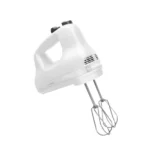
Beat with an electric mixer the soft butter and sugar pale, then the eggs one at a time, then the ground almonds, cornflour and rum, just until smooth. Don’t overwhip it, or it puffs up too much in the oven and then sinks. It should be smooth and thick and smell of almonds. This is the same frangipane from my standalone recipe.
3. Assemble
Spread the frangipane over the base, keeping it just below the top of the pastry, since it rises as it bakes. Slice each poached pear half crossways into thin slices, keeping the shape, then press gently so it fans out. Lay the halves on the cream, pointed ends toward the middle, evenly spaced like spokes. Scatter the flaked almonds over the visible cream only, not over the pears, or they’ll burn on top of the fruit.
4. Bake and glaze
Bake until the cream is set and golden and a skewer in the almond filling comes out clean, turning the tray halfway for even colour.
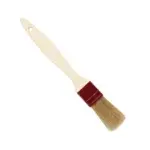
Meanwhile reduce that reserved poaching syrup by half until it coats a spoon. Once the tart’s out, brush with a pastry brush the warm glaze generously over everything, pears and cream both, for that glossy finish. Then leave it to cool completely on a cooling rack before you unmould and slice, because a warm sweet shortcrust pastry shell is fragile and will crack if you rush it.
Tools for this recipe
Check out my favorite kitchen essentials and cookware!
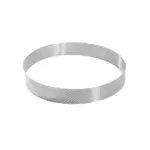
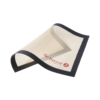
- Use a 24cm tart ring set on a perforated baking mat for a clean release and an evenly crisp base.
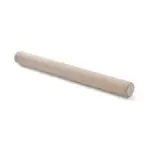
- I use my trusty, professional wooden rolling pin for this recipe.
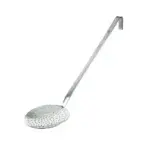
- Poach the pears in a wide saucepan, and lift them out gently with a skimmer spoon so they don’t break.
Tips for success
- Use firm pears, never soft: a ripe-but-firm pear holds its shape and its perfume. An overripe one collapses in the syrup, floods the tart with liquid, and stops the almond cream setting.
- Don’t overwhip the frangipane: beat it just until smooth. Too much air and it puffs dramatically then sinks and cracks as it cools. You want it dense and smooth, not fluffy.
- Keep the frangipane below the pastry rim: it rises as it bakes, so fill just under the top or it’ll overflow. A thin, even layer is all you need.
- Glaze a cooled tart: reduce the syrup while the tart bakes, but wait until the tart is completely cool before brushing it on. Warm glaze slides off and pools between the pears; on a cooled tart it sets to a clean, glossy finish.
How to store it
- This tart is loveliest warm, about 20 minutes out of the oven, when the almond cream’s still slightly soft in the middle, the pears are fragrant and the glaze still shines.
- It’s good the next day, too. The pastry softens a touch but the flavours settle and deepen overnight. Keep it loosely covered at room temperature for up to 2 days, and don’t refrigerate it, or the pastry goes soft.
Make it ahead (over two days)
This frangipane pear tart is a great one to spread across two days, which makes the whole thing feel far less demanding, since you can do all three components separately and just assemble and bake on the day.
Poached pears
The poached pears keep well in their syrup in the fridge for up to a week, and honestly they get better the longer they sit, the vanilla and lemon perfume from the syrup soaks deeper into the fruit and the flavour becomes noticeably more rounded. Poach them a few days ahead if you can.
Frangipane
The frangipane keeps in an airtight container in the fridge for up to 3 days, and in the freezer for up to a month.
Pâte sablée
The pâte sablée (sweet shortcrust pastry) can be made up to 2 days ahead, wrapped in clingfilm and kept in the fridge, or frozen for up to a month.
So if you want, you can make all three components separately and assemble and bake the tart on the day. The actual baking’s only about 35 minutes, so with the parts ready, the day-of is easy!
More tart recipes to try
Variations
- Swap the fruit: Bourdaloue started life with apricots, and it’s lovely with them, or with peaches, or apples. Poach whatever’s in season the same way.
- Add a layer of jam: a thin scrape of apricot or raspberry jam on the base before the frangipane adds a fruity sharpness under the almond.
- Chocolate frangipane: fold a spoonful of cocoa into the almond cream for a chocolate-pear version.
- Individual tartlets: make small ones in 8cm tart rings for a dinner-party. Same method, shorter bake.
FAQ
What’s the difference between a tarte bourdaloue and a frangipane pear tart?
They’re the same thing! Tarte bourdaloue is the traditional French name for a pear and almond tart: pâte sablée, frangipane (almond cream), and poached pears, usually glazed and scattered with flaked almonds. “Frangipane pear tart” is just the descriptive English name.
What pears are best for a frangipane pear tart?
Ripe but firm ones that hold their shape when poached. Crassane holds up best, Williams (Bartlett) is what Larousse specifies and is widely available, and Comice is softer and sweeter. Avoid anything overripe, as it collapses in the syrup and makes the tart watery.
Can I use tinned pears instead of poaching my own?
Yes, in a pinch. Use well-drained tinned pears in juice, not syrup, and pat them thoroughly dry. The result is a bit sweeter and less fragrant, but perfectly acceptable. Poaching your own only takes 20 minutes though, and the flavour’s noticeably better.
Why didn’t my frangipane set?
Usually too much liquid, from pears that were overripe or not drained and cooled properly. Use firm pears, poach them just until tender, and let them cool and drain before assembling. Overwhipping the frangipane can also make it puff and sink, so beat it just until smooth.


 Prep Time 30 minutes
  Cook Time 55 minutes
  Total Time 2 hours 45 minutes
  Servings 8
Description
Ingredients
Pâte sablée
- 220 gr plain flour plus extra for dusting
- 110 gr unsalted butter cold, cut into cubes
- 55 gr icing sugar sifted
- 1 egg
- 1 pinch salt
Frangipane
- 100 gr unsalted butter room temperature
- 100 gr caster sugar
- 100 gr ground almonds
- 2 eggs room temperature
- 10 gr cornstarch
- 1 tbsp dark rum
Poached Pears
- 3 pears ripe but firm (Williams, Comice or Crassane)
- 1 l water
- 150 gr caster sugar
- 1 vanilla pod or ½ tsp vanilla extract
- 1 lemon juiced
To finish
- 30 gr flaked almonds
Instructions
1. Make the pâte sablée / sweet shortcrust pastry
- Put the flour, icing sugar and salt in a bowl. Add the cold butter and rub in with your fingertips until it looks like coarse breadcrumbs. Add the egg and mix briefly until it just comes together. Don't overwork it. Flatten into a disc, wrap and chill for 60 minutes.
2. Poach the pears
- While the pastry rests, bring the water, sugar, vanilla and lemon juice to a gentle simmer, stirring until the sugar dissolves. Peel the pears, halve lengthways and core with a small spoon. Poach gently for 15 to 20 minutes, until just tender when pierced. Lift out and cool completely.
3. Line the tart ring and freeze
- Roll the pastry out to 3mm on a floured surface. Line the tart ring, pressing into the base and up the sides. Trim flush and prick the base with a fork. Freeze for 20 minutes.
4. Blind bake the shell
- Heat the oven to 165°C fan / 185°C conventional. Place the frozen ring on a perforated sheet lined with the baking mat. Blind bake for 18 to 20 minutes, until pale golden and dry. Cool slightly.
5. Make the frangipane
- Beat the butter and sugar until pale, about 2 minutes. Add the eggs one at a time, beating between each. Add the ground almonds, cornflour and rum. Mix just until smooth. Don't overwhip.
6. Assemble
- Spread the frangipane over the base, just below the pastry rim. Slice each pear half crossways into thin slices, keeping the shape, and press to fan slightly. Arrange the pear halves on the cream, pointed ends toward the centre, evenly spaced. Scatter flaked almonds over the visible cream only, not the pears.
7. Bake
- Bake at 165°C fan / 185°C for 30 to 35 minutes, until the cream is set and golden and a skewer comes out clean. The pears should be lightly caramelised at the edges. Turn the tray halfway.
8. Glaze and cool
- Reduce the reserved poaching syrup by half until it coats a spoon, about 10 to 15 minutes, then take it off the heat. Let the baked tart cool completely on a rack first, then brush the glaze generously over the whole surface, pears and cream both. Glazing a cooled tart (rather than a warm one) lets the glaze set to a proper shine instead of running down between the pear slices. Unmould and slice once fully set.
Notes
- Don’t throw away the poaching syrup. Once reduced for the glaze you’ll still have plenty left. Pour it into a clean jar and keep it in the fridge for up to 2 weeks. It’s beautifully perfumed with vanilla, lemon, and pear and works wonderfully for poaching other fruits. You can also stir a spoonful through plain yoghurt, drizzle it over a panna cotta, mix it into a salad dressing for a fruit salad, or use it to sweeten a homemade lemonade. It’s essentially a ready-made flavoured syrup, so use it wherever you’d use a simple syrup.
- For the pear fan presentation, slice each pear half crossways into thin slices, keeping them together. Press gently to fan them out slightly before laying on the tart. This is the classic bourdaloue look and gives you a beautiful finish.
- Tinned pears. If you don’t have time to poach, well-drained tinned pears in juice (not syrup) work reasonably well. Pat them dry thoroughly before using. The result is slightly sweeter and less fragrant, but perfectly acceptable.
- This tart keeps well for 2 days at room temperature, covered loosely. Do not refrigerate, the pastry will soften.
Share your feedback and spread the love!
If you try this recipe, I’d love to hear how it turns out! Leave a ★★★★★ rating and your thoughts in the comments, it helps fellow French foodies discover this recipe too. Snap a photo and tag @obviously.french on Instagram. Come talk about it in our Facebook group. And don’t forget to save this recipe to Pinterest so you’ll always have it handy for your next French-inspired meal!